
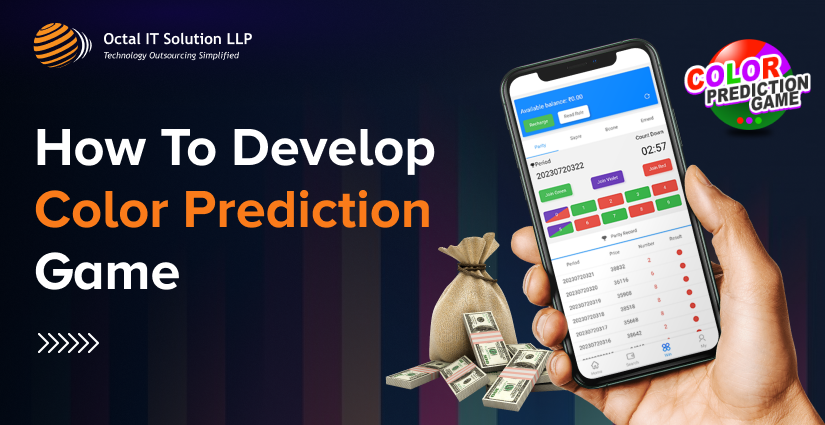
Online color prediction games have gained immense popularity across diverse regions, offering simple yet engaging gameplay that appeals to a wide audience. However, the global reach of these platforms requires more than just entertaining mechanics. To truly connect with players from different cultural and linguistic backgrounds, developers must integrate localization features. Localization ensures that the game feels familiar, accessible, and trustworthy to users regardless of where they are located. This article explores the importance of localization in online color prediction games and highlights the features that enhance user experience across regions.
One of the most fundamental aspects of localization is language adaptation. Players are more likely to engage with a game when instructions, menus, and notifications are available in their native language. Online color prediction games often include multilingual support, allowing users to switch between languages seamlessly. This not only improves comprehension but also fosters inclusivity, ensuring that players do not feel excluded due to language barriers. Accurate translations, rather than literal ones, are crucial to maintaining clarity and cultural relevance.
Localization also extends to financial transactions. Since many color prediction games involve monetary participation, platforms must support local currencies and payment methods. Integrating region-specific gateways such as mobile wallets, bank transfers, or popular digital payment services builds trust and convenience. Players are more likely to engage when they can deposit and withdraw funds using familiar systems. Transparent conversion rates and secure transactions further strengthen confidence in the platform’s reliability.
Cultural nuances play a significant role in shaping user experience. Colors, symbols, and imagery may carry different meanings across regions. For example, while red may symbolize luck in some cultures, it could represent danger in others. Online color prediction games that adapt their visual elements to align with cultural interpretations create a more relatable environment. This sensitivity extends to promotional campaigns, advertisements, and in-game celebrations, ensuring that the platform resonates with local traditions and values.
Trust in online gaming platforms is closely tied to adherence to local laws and regulations. Localization features often include compliance with regional gaming standards, age restrictions, and responsible play policies. By aligning with legal frameworks, platforms demonstrate accountability and legitimacy. This not only protects players but also enhances the credibility of the game in competitive markets. Clear communication about terms, conditions, and privacy policies in local languages further reinforces transparency.
Another subtle yet impactful localization feature is time zone adjustment. Online color prediction games often operate in real-time, with rounds scheduled at specific intervals. Aligning game timings with local time zones ensures that players can participate conveniently without confusion. Notifications, reminders, and event schedules tailored to regional time zones enhance accessibility and encourage consistent engagement.
Effective customer support is a cornerstone of trust in online gaming. Localization ensures that support services are available in local languages and during regional working hours. Players feel more comfortable reaching out when they know their concerns will be understood and addressed promptly. Offering region-specific FAQs, live chat options, and community forums strengthens the bond between players and the platform, fostering loyalty and satisfaction.
Localization also influences how responsible play features are implemented. Different regions may have varying approaches to promoting healthy gaming habits. Platforms that adapt self-exclusion tools, spending limits, and awareness campaigns to reflect local cultural attitudes demonstrate genuine care for player well-being. This localized approach ensures that responsible play initiatives are not only effective but also culturally appropriate.
Localization is far more than a technical adjustment; it is a strategic effort to make online color prediction games accessible, trustworthy, and enjoyable for players worldwide. By integrating language support, currency options, cultural sensitivity, regulatory compliance, time zone alignment, and localized customer support, platforms like daman games create inclusive environments that resonate with diverse audiences. These features not only enhance user experience but also build long-term trust and loyalty. As online color prediction games continue to expand globally, localization will remain a critical factor in ensuring that players feel connected, respected, and valued across every region.
Through thoughtful localization, these games transform from generic platforms into personalized experiences that celebrate diversity while maintaining universal appeal.