
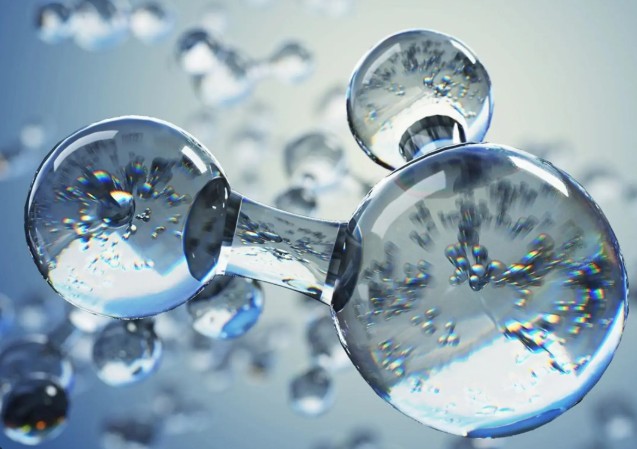
Water quality has become a focal point in wellness conversations, with growing interest in technologies that go beyond basic filtration. Structured water devices represent one such innovation—tools designed to alter water’s molecular arrangement in ways that proponents believe may improve hydration and overall vitality. While the science remains evolving, these devices have attracted attention from health-conscious consumers seeking alternatives to conventional water treatment.
This article examines what structured water devices are, the mechanisms behind them, and the potential benefits users report. We’ll explore how to evaluate different models, compare structured water approaches to traditional filtration, and consider portable options for those who want structured water on the go. We’ll also look at the concept of crystalline water and its relationship to structured water technology.
Structured water refers to water with molecules arranged in a more organized pattern, theoretically resembling the molecular configuration found in natural springs and mountain streams. Advocates suggest this arrangement may enhance the body’s ability to absorb and utilize water at the cellular level.
The concept draws from research into water’s physical properties. Studies on water structuring have explored how molecular organization changes under different conditions, though the health implications remain an area of active investigation. Some preliminary research suggests potential physiological effects, but larger-scale human trials are needed to establish definitive conclusions.
Reported benefits include:
While scientific validation continues, anecdotal reports from users who experience increased energy and improved well-being have fueled interest in these devices. The gap between user testimonials and peer-reviewed evidence makes structured water an intriguing but still-developing area of wellness technology.
Structured water devices employ various methods to reorganize water molecules. The most common approaches include magnetic fields, vortex motion, and mineral infusion—each attempting to replicate conditions that naturally structure water in the environment.
Key technologies include:
The underlying premise is that water’s molecular structure affects its biological activity.
Manufacturers of structured water devices, including Natural Action, Greenfield Water Solutions, and Vortex Water Revitalizer, design systems that attempt to restore what they describe as water’s natural organizational state, which proponents argue may be disrupted by modern treatment and distribution systems.
Users of structured water devices report a range of wellness improvements, though individual experiences vary considerably. Understanding these reported benefits helps contextualize why interest in this technology continues to grow.
Commonly cited advantages include:
These subjective reports align with theories about how molecular structure might influence biological interactions, though controlled studies are still needed to establish causation. The consistency of certain user experiences across different demographics suggests there may be measurable effects worth investigating further.
Choosing a structured water device requires evaluating your specific needs, budget, and usage patterns. The market offers options ranging from whole-house systems to portable bottles, each with distinct advantages.
Consider these factors:
Device comparison:
| Device Category | Primary Features | Best For
|
| Whole-House Systems | High capacity, permanent installation, treats all household water | Families committed to structured water for all uses |
| Countertop Units | Moderate capacity, no installation, easy relocation | Renters and those wanting drinking water treatment |
| Portable Devices | Compact design, battery or manual operation, travel-friendly | Active individuals and frequent travelers |
Understanding how structured water devices differ from traditional filtration systems helps clarify their distinct purposes. While both aim to improve water quality, they address fundamentally different aspects.
Traditional filtration systems focus on removing contaminants—chlorine, heavy metals, sediments, bacteria, and other impurities. They improve water safety and taste by eliminating unwanted substances. Structured water devices, by contrast, work with already-clean water to reorganize its molecular arrangement, theoretically enhancing its biological compatibility rather than its purity.
Key distinctions:
Environmental considerations also differ. Life cycle assessments of water treatment methods show that structured water devices typically consume less energy and generate less waste than reverse osmosis and other intensive filtration systems. They don’t require replacement cartridges or produce wastewater, potentially offering a more sustainable approach for those whose water is already reasonably clean.
The choice between these technologies depends on your water source quality and wellness priorities. Municipal water that’s already safe to drink may benefit more from structuring than additional filtration, while well water or supplies with known contamination issues require filtration as a first step.
Portable structured water devices address a practical challenge: maintaining access to structured water outside the home. These compact units fit easily into bags and backpacks, making them popular among travelers, athletes, and office workers.
Advantages of portable systems:
These devices prove particularly valuable in scenarios where carrying large quantities of pre-structured water isn’t practical. Hikers, business travelers, and commuters appreciate the ability to transform available water sources into structured water without advance preparation. Most portable units operate through manual mechanisms or small batteries, eliminating the need for electrical outlets.
Crystalline water represents a specific conceptualization of structured water, emphasizing the geometric patterns water molecules can form. The term draws from the observation that water molecules can arrange themselves in repeating, crystal-like configurations under certain conditions.
This molecular organization shares characteristics with structured water:
Wellness practitioners who incorporate crystalline water into their protocols often view it as water in its most biologically optimal state. The concept aligns with broader interest in how molecular organization affects substance properties—a principle well-established in materials science and increasingly explored in biological contexts.
While mainstream scientific acceptance of crystalline water’s health benefits remains limited, the concept has gained traction in integrative health communities. Those interested in exploring these properties often start with structured water devices as a practical entry point into this area of water science.