
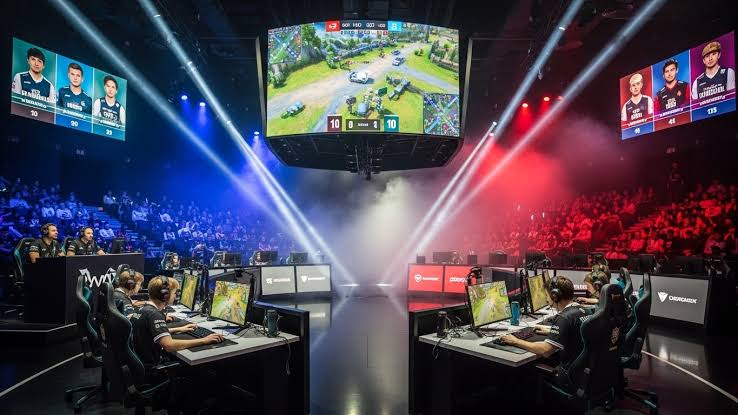
The gaming industry has evolved from a niche hobby into one of the world’s most influential entertainment sectors. Today, professional players, streamers, content creators, and esports organizations generate substantial revenue through tournaments, sponsorships, advertising, and digital content. What was once considered casual entertainment has become a legitimate career path for individuals with talent, dedication, and entrepreneurial thinking.
This transformation reflects broader changes in the digital economy. Advances in technology, faster internet connections, and global streaming platforms have enabled gamers to reach audiences numbering in the millions. As competitive gaming continues to expand, successful players are increasingly recognized alongside athletes, entertainers, and business leaders for their financial achievements and cultural influence.
Modern esports extends far beyond competitive tournaments. Teams now operate as sophisticated businesses with coaches, analysts, marketing specialists, and commercial partnerships. At the same time, individual creators build personal brands that generate income through livestreaming, merchandise, sponsorships, and exclusive content.
The growing digital entertainment landscape also encourages users to explore various online platforms, including resources such as Space Hills casino. Whether someone is interested in gaming communities, digital entertainment services, or emerging online platforms, understanding how these ecosystems operate offers valuable insight into user engagement, technology, and evolving entertainment trends.
The gaming industry continues to create new economic opportunities for developers, publishers, creators, and professional competitors. Revenue streams have diversified well beyond game sales, allowing businesses and individuals to build sustainable careers in multiple areas.
Key sources of growth include:
These opportunities have helped transform gaming into a global economic force that continues to attract investment and innovation.
Rapid technological progress has significantly improved both gameplay and viewer experiences. Better hardware, cloud services, and online infrastructure allow competitions to reach international audiences while supporting increasingly sophisticated games.
| Technology | Contribution to eSports |
| High-speed internet | Stable online competition |
| Cloud computing | Greater accessibility and scalability |
| Streaming platforms | Global audience growth |
| Artificial intelligence | Enhanced analytics and training |
| Mobile technology | Expanded gaming accessibility |
Technology continues to shape how players compete, improve, and connect with fans around the world.
Many successful gamers generate income through more than tournament winnings. By creating engaging content and interacting consistently with audiences, they establish brands that remain valuable even after their competitive careers evolve.
Common strategies include:
Diversifying income sources helps creators build long-term financial stability while strengthening relationships with their audiences.
Professional gaming requires much more than fast reflexes. Many of the skills developed through esports also apply to business, leadership, and entrepreneurship.
These include:
These transferable abilities contribute to career opportunities both within and beyond the gaming industry.
Gaming has become one of the most influential forms of entertainment worldwide. Professional players and creators now appear in advertising campaigns, collaborate with global brands, and participate in mainstream media projects. Their growing visibility reflects the industry’s increasing economic and cultural significance.
As esports audiences continue to expand, successful players are demonstrating that digital careers can produce meaningful financial success while inspiring future generations of entrepreneurs and creators.
The continued growth of gaming and esports highlights how innovation, technology, and creativity can transform personal interests into successful careers. Opportunities now exist for developers, professional competitors, analysts, broadcasters, marketers, and content creators across a rapidly expanding industry.
As digital entertainment continues evolving, those who combine talent with discipline, continuous learning, and smart business decisions will be well positioned to build lasting careers. Gaming has become more than entertainment—it is a dynamic global industry where passion, technology, and entrepreneurship continue to create exciting opportunities for long-term success.