What Age Is Preschool? Tips for Choosing the Right Time

Net Worth

Birthday

Jan 01, 1970

Birthplace

Age

0 years old

Birth Sign

What age is preschool is the burning question every parent asks when their toddler starts showing independence. You’re standing there watching your little one stack blocks and wonder if they’re ready for the next big step.

Here’s the reality – choosing the right preschool age can make or break your child’s entire educational foundation.

This guide reveals exactly when to start preschool and how to know if your child is truly ready.
What Age Is Preschool? Tips for Choosing the Right Time

What Age Is Preschool? The Complete Answer

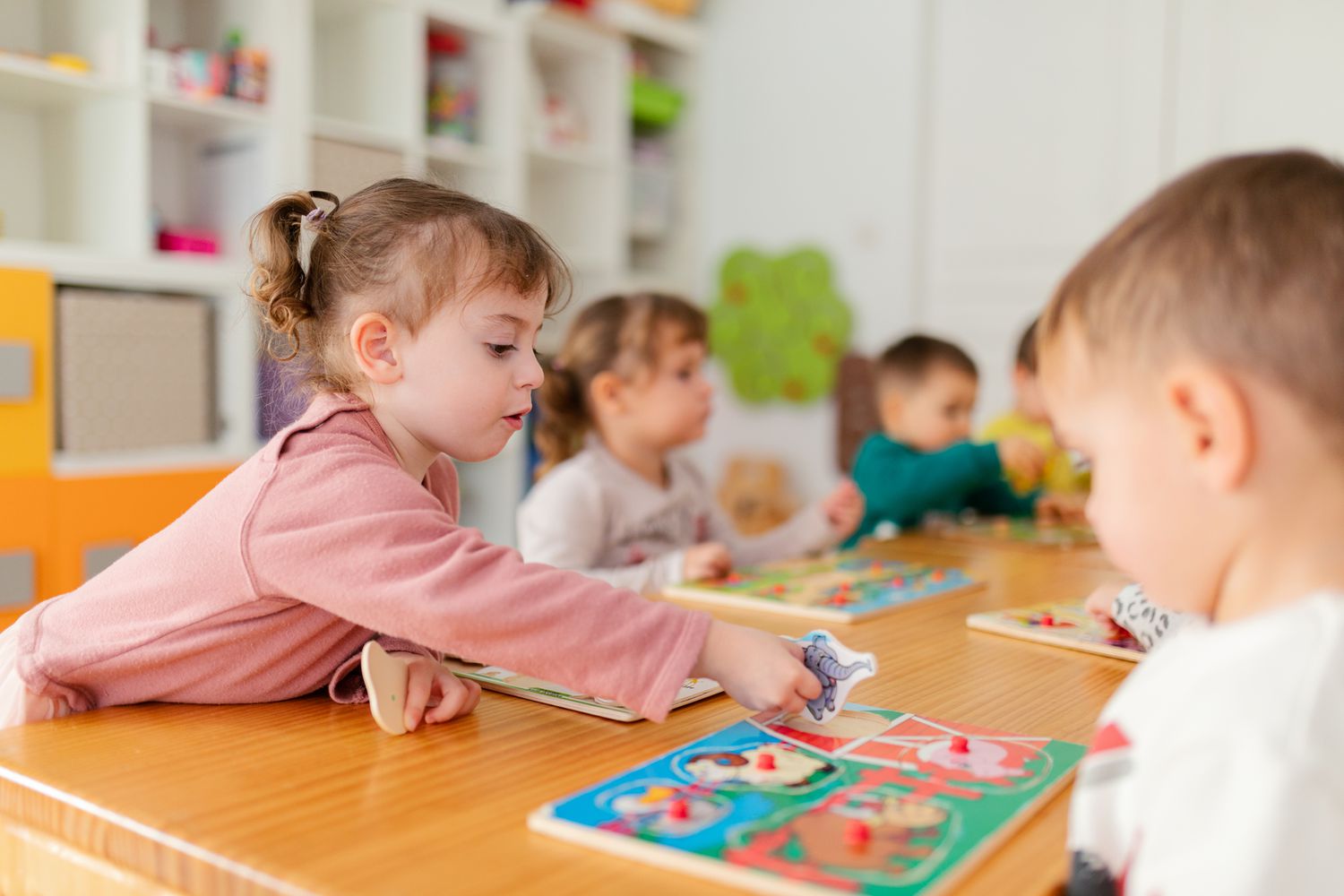
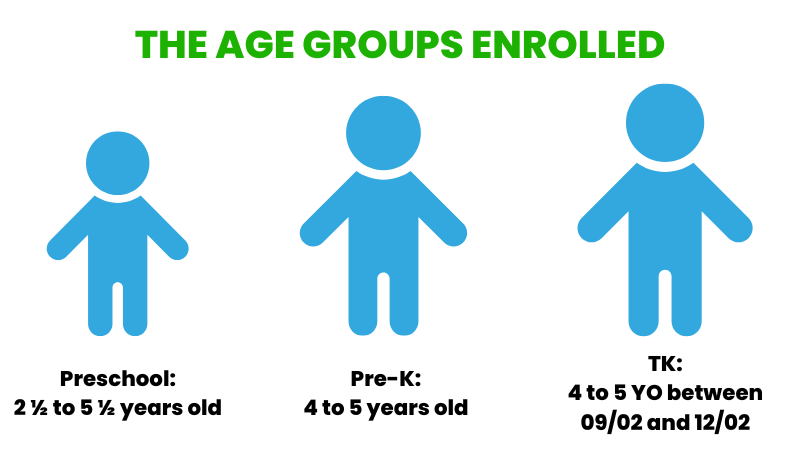
What age is preschool typically ranges from 3 to 5 years old in most educational systems.

The standard preschool age begins at 3 years old and continues until kindergarten entry.

Most children start preschool between their third and fourth birthday.

However, what age is preschool depends on several crucial factors that many parents overlook.

Some programs accept children as young as 2.5 years old if they meet specific developmental milestones.

Other programs require children to be fully potty trained before enrollment.

The key is understanding that what age is preschool isn’t just about chronological age.

Developmental readiness matters more than the number on their birth certificate.

Quick Answer for Featured Snippets:

What age is preschool?

Preschool typically serves children ages 3-5 years old. Most children start preschool at age 3 or 4, depending on their developmental readiness, potty training status, and family needs. The ideal preschool age varies for each child based on social, emotional, and cognitive development.

Understanding Different Preschool Age Groups

What age is preschool becomes clearer when you understand the different program structures.

Educational systems divide preschool into distinct age-based groups.

Pre-K 3 (Three-Year-Old Programs)

Pre-K 3 serves children who turn 3 by a specific cutoff date.

These programs focus on basic social skills and routine establishment.

What age is preschool for Pre-K 3 ranges from 2 years 9 months to 3 years 11 months.

Children learn foundational skills like:

  • Sharing toys with other children
  • Following simple instructions from teachers
  • Using bathroom independently
  • Communicating basic needs verbally
  • Participating in group activities for short periods

Pre-K 4 (Four-Year-Old Programs)

Pre-K 4 programs serve children who turn 4 by the enrollment cutoff.

These programs prepare children directly for kindergarten entry.

What age is preschool for Pre-K 4 typically spans 3 years 9 months to 4 years 11 months.

Four-year-old programs emphasize:

  • Academic readiness skills like letter recognition
  • Advanced social interaction with peers
  • Independent problem-solving abilities
  • Extended attention spans for learning activities
  • Pre-writing skills and fine motor development

Mixed-Age Preschool Programs

Some schools offer mixed-age classrooms combining 3, 4, and 5-year-olds.

These programs allow younger children to learn from older peers.

What age is preschool in mixed programs ranges from 3 to 5 years old simultaneously.

Benefits include:

  • Peer mentoring opportunities
  • Natural learning progression
  • Extended peer relationships
  • Reduced academic pressure
  • Enhanced social development

Signs Your Child Is Ready for Preschool

Determining what age is preschool for your specific child requires careful observation.

Age alone doesn’t determine preschool readiness.

Physical Development Indicators

Your child should demonstrate basic physical independence before starting preschool.

Key physical readiness signs include:

  • Potty training completion or near completion
  • Walking confidently without assistance
  • Climbing stairs using alternating feet
  • Using utensils for eating independently
  • Dressing themselves with minimal help
  • Washing hands properly
  • Running and jumping with coordination

Emotional Development Markers

Emotional readiness is crucial for preschool success.

What age is preschool becomes relevant when children show:

  • Separation comfort from parents for short periods
  • Basic emotional regulation when frustrated
  • Interest in playing with other children
  • Ability to express needs verbally
  • Comfort with new environments and people
  • Basic empathy toward others
  • Willingness to try new activities

Social Development Signs

Social skills determine how well children adapt to group settings.

Ready children demonstrate:

  • Turn-taking abilities during play
  • Sharing willingness with peers
  • Following group rules consistently
  • Listening to adult instructions
  • Engaging in parallel play comfortably
  • Showing interest in group activities
  • Communicating with peers appropriately

Cognitive Development Readiness

Intellectual development affects learning capacity in preschool settings.

Children ready for preschool typically show:

  • Attention spans of 10-15 minutes for activities
  • Basic language skills with 200+ word vocabulary
  • Simple instruction following consistently
  • Curiosity about letters and numbers
  • Memory retention for daily routines
  • Problem-solving attempts during play
  • Interest in books and stories

Benefits of Starting Preschool at Different Ages

What age is preschool depends partly on the benefits you want to maximize.

Different starting ages offer unique advantages.

Benefits of Starting at Age 3

Three-year-old preschool entry provides extended socialization opportunities.

What age is preschool at 3 offers:

  • Longer adjustment period before kindergarten
  • Extended social development time
  • Early routine establishment
  • Gradual independence building
  • More time for academic skill development
  • Stronger teacher relationships
  • Better preparation for formal schooling

Advantages of Age 4 Preschool Start

Starting preschool at 4 provides more intensive kindergarten preparation.

Benefits include:

  • Higher developmental readiness for learning
  • Stronger attention spans for activities
  • Better emotional regulation abilities
  • More advanced communication skills
  • Greater independence in daily tasks
  • Focused kindergarten preparation time
  • Reduced total preschool costs

Late Preschool Start Benefits

Some children benefit from starting preschool closer to age 5.

What age is preschool at 4.5-5 years offers:

  • Maximum developmental maturity
  • Stronger academic readiness
  • Better peer interaction skills
  • Enhanced emotional stability
  • Reduced separation anxiety
  • More efficient learning progression
  • Lower risk of academic struggles

Factors That Influence Ideal Preschool Age

What age is preschool for your child depends on multiple personal factors.

Every family situation is unique and requires individual consideration.

Family Work Schedules

Parent work schedules significantly impact what age is preschool decisions.

Working parents often need childcare earlier than stay-at-home parents.

Considerations include:

  • Full-time work requirements starting early
  • Part-time schedules allowing flexible timing
  • Shift work creating unique scheduling needs
  • Remote work providing more flexibility
  • Childcare availability from family members
  • Financial considerations for extended care
  • Career advancement opportunities

Child’s Personality Type

Individual personality traits affect preschool readiness timing.

What age is preschool varies based on temperament:

  • Outgoing children may thrive earlier in group settings
  • Shy children might benefit from delayed start
  • High-energy kids often need structured environments sooner
  • Sensitive children may require more preparation time
  • Independent children adapt quickly to preschool routines
  • Anxious children need gradual transition approaches
  • Curious children benefit from early educational exposure

Developmental Delays or Advances

Children with special needs require customized timing decisions.

What age is preschool for special needs children depends on:

  • Speech development delays requiring early intervention
  • Motor skill delays needing occupational therapy
  • Social delays benefiting from peer interaction
  • Cognitive advances requiring challenging environments
  • Behavioral challenges needing structured settings
  • Medical conditions affecting attendance consistency
  • Therapy schedules coordinating with school timing

Sibling Considerations

Family dynamics influence what age is preschool decisions.

Sibling factors include:
  • Older siblings in school creating natural timing
  • Younger siblings needing continued home care
  • Twin dynamics requiring coordinated decisions
  • Age gaps affecting family logistics
  • Different developmental rates among siblings
  • Transportation logistics for multiple children
  • Financial considerations for multiple enrollments

What Age Is Preschool? Tips for Choosing the Right Time

How to Choose the Right Preschool Age for Your Child

Determining what age is preschool for your specific child requires systematic evaluation.

Follow this step-by-step assessment process.

Step 1: Assess Developmental Readiness

Create a comprehensive readiness checklist covering all developmental areas.

What age is preschool readiness includes:

Physical Skills Assessment:

  • Can use bathroom independently
  • Walks up/down stairs confidently
  • Uses eating utensils properly
  • Dresses with minimal assistance
  • Has adequate stamina for full days

Social Skills Evaluation:

  • Plays cooperatively with others
  • Shares toys willingly
  • Follows simple group rules
  • Shows interest in peer interaction
  • Demonstrates basic empathy

Emotional Readiness Check:

  • Separates from parents calmly
  • Expresses needs verbally
  • Manages frustration appropriately
  • Shows curiosity about new experiences
  • Demonstrates basic self-control

Cognitive Preparedness:

  • Follows two-step instructions
  • Maintains attention for 15+ minutes
  • Shows interest in learning activities
  • Communicates effectively with adults
  • Demonstrates memory for routines

Step 2: Consider Family Circumstances

Evaluate your family’s unique situation affecting timing decisions.

Key considerations for what age is preschool:

  • Work schedules requiring childcare
  • Financial resources for tuition and supplies
  • Transportation availability to/from school
  • Sibling care arrangements
  • Extended family support systems
  • Housing stability in school district
  • Health insurance covering school requirements

Step 3: Research Local Program Options

Investigate available preschool programs in your area.

What age is preschool options may include:

  • Public preschool programs (often age-restricted)
  • Private preschool schools (flexible age policies)
  • Montessori programs (mixed-age classrooms)
  • Religious-based preschools (varying age requirements)
  • Co-op preschools (parent participation required)
  • Head Start programs (income-based eligibility)
  • University lab schools (research-based programs)

Step 4: Visit and Evaluate Programs

Tour potential preschool programs to assess fit.

Evaluation criteria for what age is preschool programs:

  • Teacher qualifications and experience levels
  • Classroom environments and learning materials
  • Daily schedules matching your child’s needs
  • Discipline policies aligning with family values
  • Communication methods between home and school
  • Safety procedures and emergency protocols
  • Nutrition programs and meal policies

Step 5: Make Trial Arrangements

Consider trial periods or gradual introduction programs.

What age is preschool transitions work best with:

  • Short trial days to test readiness
  • Gradual schedule increases over time
  • Parent observation opportunities
  • Flexible withdrawal policies if needed
  • Mid-year enrollment options
  • Summer programs for gentle introductions
  • Sibling visit opportunities

Common Preschool Age Mistakes Parents Make

Understanding what age is preschool helps avoid common enrollment errors.

These mistakes can negatively impact your child’s educational experience.

Mistake 1: Rushing Based on Peer Pressure

Many parents enroll children too early because friends’ children attend preschool.

What age is preschool should never be determined by social pressure.

Signs you’re rushing:

  • Your child shows separation anxiety consistently
  • Potty training isn’t fully established
  • Emotional meltdowns increase after school
  • Sleep patterns become disrupted
  • Appetite decreases significantly
  • Regression in developmental milestones occurs

Mistake 2: Waiting Too Long for Perfection

Some parents delay preschool until children master every skill perfectly.

What age is preschool doesn’t require complete developmental mastery.

Waiting too long can result in:

  • Missed socialization opportunities
  • Academic preparation delays
  • Routine adjustment difficulties
  • Peer relationship development gaps
  • Independence skill delays
  • Kindergarten readiness concerns

Mistake 3: Ignoring Individual Differences

Treating all children identically regarding preschool timing creates problems.

What age is preschool varies dramatically between individual children.

Individual factors to consider:

  • Personality temperament differences
  • Developmental timeline variations
  • Learning style preferences
  • Social comfort levels
  • Family dynamics impact
  • Special needs considerations
  • Cultural background influences

Mistake 4: Focusing Only on Academic Readiness

Some parents prioritize academic skills over social-emotional development.

What age is preschool readiness encompasses multiple developmental areas.

Balanced readiness includes:

  • Social skills for peer interaction
  • Emotional regulation for group settings
  • Physical development for independence
  • Communication abilities for expressing needs
  • Academic interest without pressure
  • Creative expression opportunities
  • Problem-solving skill development

Preparing Your Child for Preschool at Any Age

Once you’ve determined what age is preschool for your child, preparation becomes crucial.

Proper preparation ensures smoother transitions and better outcomes.

Academic Preparation Strategies

Build foundational skills before preschool entry.

What age is preschool preparation should include:

  • Letter recognition through fun games and songs
  • Number awareness using everyday counting opportunities
  • Color identification during daily activities
  • Shape recognition through play and exploration
  • Fine motor skills with crayons, scissors, and puzzles
  • Gross motor development through active play
  • Listening skills with stories and music

Social Preparation Techniques

Develop social skills necessary for group settings.

Key social preparation for what age is preschool:

  • Playdate arrangements with future classmates
  • Group activity participation at community events
  • Sharing practice during sibling or friend interactions
  • Turn-taking games and activities
  • Conflict resolution skill modeling
  • Empathy development through discussion and example
  • Friendship skill building through guided interactions

Emotional Preparation Methods

Build emotional resilience for preschool challenges.

What age is preschool emotional preparation includes:

  • Separation practice with trusted caregivers
  • Emotion vocabulary development and usage
  • Coping strategy teaching for frustration
  • Confidence building through success experiences
  • Independence encouragement in daily tasks
  • Problem-solving skill development
  • Self-advocacy ability building

Practical Preparation Steps

Handle logistical preparation for smooth transitions.

Practical what age is preschool preparation:
  • School supply shopping and organization
  • Clothing labels and weather-appropriate wardrobes
  • Lunch box practice and food preparation
  • Transportation planning and route practice
  • Schedule adjustment to match school timing
  • Health records organization and submission
  • Emergency contact information updates

What Age Is Preschool? Tips for Choosing the Right Time

Making the Final Decision About Preschool Age

After considering all factors, making the final what age is preschool decision requires careful thought.

Use this decision-making framework to choose confidently.

Creating a Decision Matrix

Develop a systematic approach to evaluate what age is preschool options.

Decision Matrix Components:

Child Readiness Factors (40% weight):

  • Physical development score (1-10)
  • Social readiness score (1-10)
  • Emotional maturity score (1-10)
  • Cognitive development score (1-10)

Family Factors (30% weight):

  • Work schedule needs (1-10)
  • Financial readiness (1-10)
  • Transportation logistics (1-10)
  • Sibling considerations (1-10)

Program Quality (20% weight):

  • Teacher qualifications (1-10)
  • Curriculum alignment (1-10)
  • Facility quality (1-10)
  • Safety measures (1-10)

Timing Factors (10% weight):

  • Program availability (1-10)
  • Enrollment deadlines (1-10)
  • Transition timing (1-10)
  • Future planning (1-10)

Consulting with Professionals

Seek expert guidance when determining what age is preschool for your child.

Professional consultations might include:

  • Pediatricians for developmental assessments
  • Child psychologists for behavioral evaluations
  • Early childhood educators for readiness assessment
  • School counselors for transition planning
  • Occupational therapists for skill development
  • Speech therapists for communication evaluation
  • Family counselors for family dynamics

Trial Period Considerations

Consider trial enrollments to test what age is preschool decisions.

Trial period benefits:

  • Risk-free testing of child’s readiness
  • Program evaluation opportunities
  • Adjustment period assessment
  • Withdrawal options if needed
  • Gradual transition possibilities
  • Feedback collection from teachers
  • Decision validation or revision

Making Peace with Your Decision

Accept that what age is preschool timing may not be perfect.

Strategies for decision confidence:

  • Focus on your child’s unique needs and timeline
  • Trust your parental instincts and observations
  • Remember flexibility exists in most situations
  • Celebrate progress regardless of timing
  • Seek support from other parents
  • Adjust expectations as needed
  • Stay positive about your child’s journey

FAQs

What is the best age to start preschool?

Most experts recommend starting preschool around ages 3 to 5, when kids are socially and cognitively ready. Some programs do accept children at 2 to 2½ years if they show readiness.

What is a preschool age?

Preschool typically covers children aged 2 to 5 years, with most programs focusing on ages 3–4 for structured learning. Early-year programs may accept younger toddlers.

Is age 3 a toddler or preschool?

Age 3 is often seen as a transition—some may still be in the toddler stage (1–3 years), but many children begin preschool at 3. Readiness and program specifics matter.

What age is preschool in Canada?

In Canada, preschool typically serves children from 3 to 5 years old, though some centers may admit toddlers younger than 3, depending on program structure.

Should I send my 2 year old to nursery?

Sending a 2‑year‑old to nursery can work if they show social readiness and independence. Many nurseries and toddler programs support exploratory play for younger children.

 Should my child be potty trained for preschool?

Most preschools expect children to be potty trained by age 3. Licensed daycare and preschool programs often require this to maintain smooth routines.

What age to start potty training?

Parents typically begin potty training between 18 to 24 months, with many children fully trained by age 3. Look for readiness signs like awareness of bodily signals.

What age is a toddler?

The toddler stage generally spans from 1 to 3 years old, marked by rapid development in language, motor skills, and social behavior.

Conclusion

What age is preschool depends entirely on your individual child’s developmental readiness and your family’s unique circumstances.

The typical range of 3-5 years old provides a general guideline, but your child’s specific needs matter most.

Remember that what age is preschool readiness includes physical, social, emotional, and cognitive development.

No single factor determines the perfect timing for preschool enrollment.

Focus on your child’s individual growth patterns rather than comparing to other children’s timelines.

What age is preschool for your child might be different from your neighbor’s child, and that’s perfectly normal.

Trust your parental instincts while gathering information from professionals and educators.

The goal isn’t to find the perfect age but to find the right age for your specific child and family situation.

Quality preparation matters more than exact timing when determining what age is preschool enrollment.

Start where your child is developmentally, not where you think they should be chronologically.

What age is preschool becomes less important than choosing programs that support your child’s growth and development.

Make decisions based on careful observation, professional guidance, and your family’s needs.

Remember that preschool is just one step in your child’s educational journey.

The foundation you build at home matters as much as formal educational experiences.

What age is preschool decisions can be adjusted if your initial choice doesn’t work perfectly.

Stay flexible, stay informed, and most importantly, stay focused on your child’s happiness and development.

Your thoughtful consideration of what age is preschool timing will benefit your child for years to come.

What Age Is Preschool? Tips for Choosing the Right Time

Trending

More
Coco Lovelock

Model

Coco Lovelock

Coco Lovelock is an American actress, model, and writer known...

Camilla Araujo

Model

Camilla Araujo

About Camilla Ara is a Brazilian model who gained fame...

Macron Wife Age Difference: How Their Ages Compare in 2025

Business Executive

Macron Wife Age Difference: How Their Ages Compare in 2025

Macron wife age difference is approximately 24 years, with Brigitte...

Eliana Kalogeras

TikTok Star

Eliana Kalogeras

Eliana Kalogeras is a TikTok creator and social media personality...

Fortune Justin Bieber – Net Worth, Assets & Earnings 2025

Rock Singer

Fortune Justin Bieber – Net Worth, Assets & Earnings 2025

Fortune Justin Bieber: Justin Bieber’s fortune is estimated to exceed...