Jan 01, 1970
0 years old
Bill Gates boat represents the ultimate fusion of luxury and technology on the high seas. The Microsoft co-founder’s $645 million superyacht showcases how billionaires live when money becomes no object.
This floating palace combines cutting-edge innovation with unparalleled comfort, making it one of the most expensive private vessels ever built.
Let’s dive deep into the extraordinary world of Gates‘ maritime masterpiece.
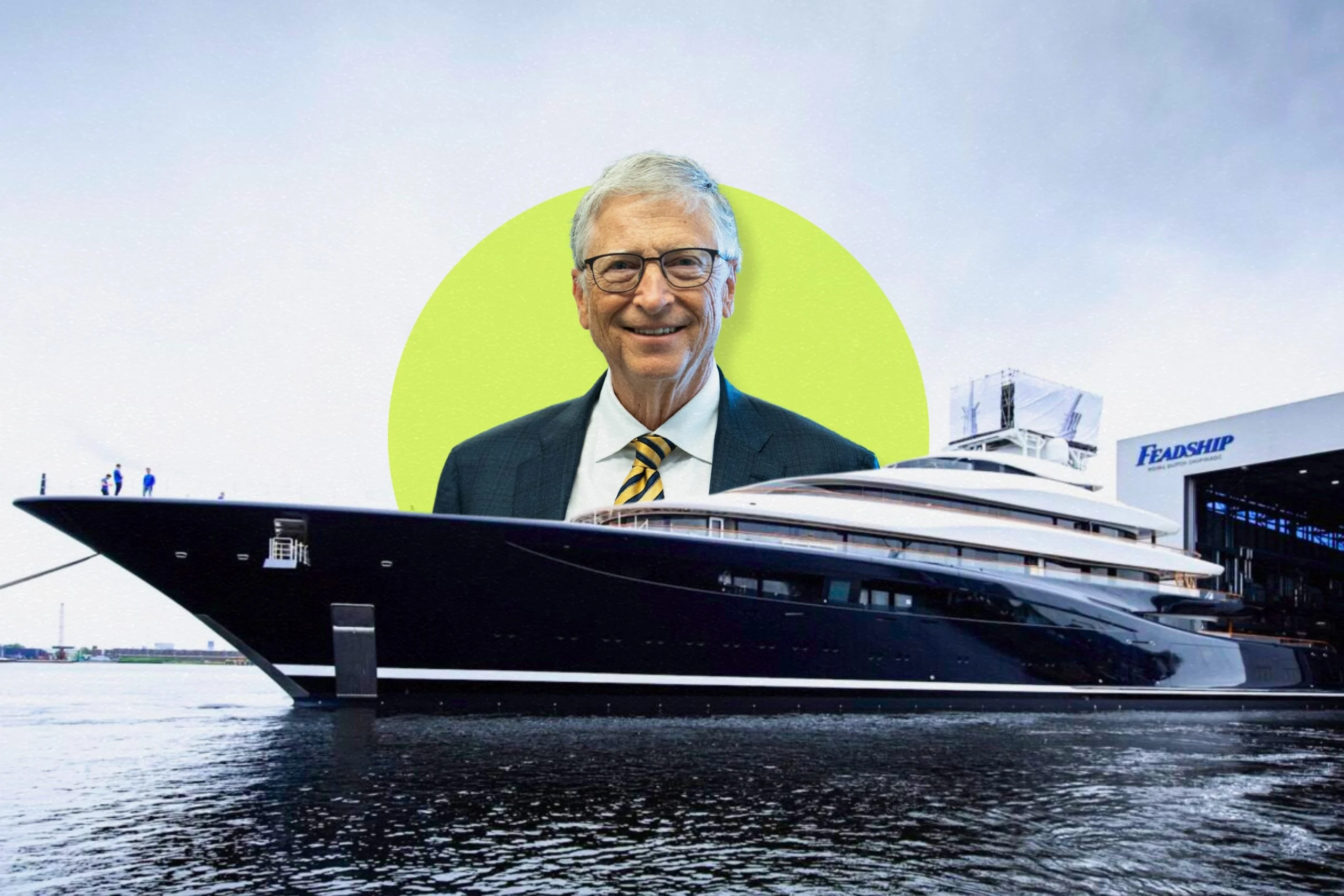
Bill Gates boat stands out as a technological marvel that redefines luxury yachting.
The vessel incorporates sustainable technology and smart systems that would make any tech enthusiast jealous.
Unlike traditional superyachts that focus solely on opulence, Gates‘ approach blends environmental consciousness with extreme luxury.
The boat features advanced water treatment systems, energy-efficient lighting, and state-of-the-art navigation technology.
Every detail reflects Gates‘ commitment to innovation and his vision for the future of marine transportation.
The superyacht serves as a floating laboratory where new technologies get tested in real-world conditions.
The Bill Gates boat price tag of $645 million places it among the world’s most expensive private vessels.
Here’s how that astronomical sum breaks down:
The construction required over 4 years and involved more than 800 skilled craftsmen.
Each room costs approximately $8 million to design and build.
The annual maintenance alone exceeds $30 million.
Insurance costs reach $12 million yearly.
Fuel expenses can hit $2 million for extended voyages.
The Bill Gates superyacht specifications read like a floating city’s blueprint.
Length: 390 feet (119 meters) Width: 65 feet (20 meters) Height: 85 feet (26 meters) Gross Tonnage: 8,500 tons Maximum Speed: 28 knots Cruising Speed: 22 knots Range: 6,000 nautical miles Fuel Capacity: 500,000 liters Water Capacity: 150,000 liters
The vessel features six decks connected by a glass elevator.
Twin diesel engines generate 10,000 horsepower combined.
The boat can accommodate 24 guests and 45 crew members.
Advanced stabilization systems ensure smooth sailing even in rough seas.
GPS tracking systems provide real-time location data with military-grade precision.
The Bill Gates yacht interior showcases luxury beyond imagination.
The master suite spans 2,500 square feet across two levels.
Floor-to-ceiling windows offer panoramic ocean views from every room.
The dining room accommodates 30 guests with custom Italian marble tables.
A wine cellar stores 3,000 bottles in climate-controlled perfection.
The spa features a full-service salon, massage rooms, and a meditation center.
Multiple swimming pools include an infinity pool that seems to merge with the ocean.
The helicopter pad can accommodate two medium-sized aircraft simultaneously.
A submarine garage houses a personal exploration vessel.
The gymnasium rivals high-end fitness centers with professional-grade equipment.
Bill Gates boat technology transforms traditional yachting into a smart experience.
Voice-controlled systems manage lighting, temperature, and entertainment throughout the vessel.
Satellite internet provides high-speed connectivity anywhere on Earth.
Advanced weather prediction systems help plan optimal routes.
Automated systems monitor engine performance and fuel efficiency continuously.
Smart glass windows adjust transparency based on sunlight intensity.
The bridge features holographic displays showing real-time navigation data.
Underwater cameras provide 360-degree views of marine life.
Digital art galleries display rotating collections of famous paintings.
The sound system delivers concert-quality audio in every room.
The Bill Gates superyacht environmental features prove luxury and sustainability can coexist.
Solar panels generate 40% of the vessel’s electrical needs.
Advanced water recycling systems purify ocean water for drinking.
Waste management systems minimize environmental impact.
Low-emission engines reduce carbon footprint by 30% compared to similar vessels.
LED lighting throughout reduces energy consumption by 60%.
The hull design maximizes fuel efficiency at cruising speeds.
Biodegradable cleaning products protect marine ecosystems.
Fish-friendly underwater lighting attracts marine life without harmful effects.
The yacht meets or exceeds all international environmental standards.
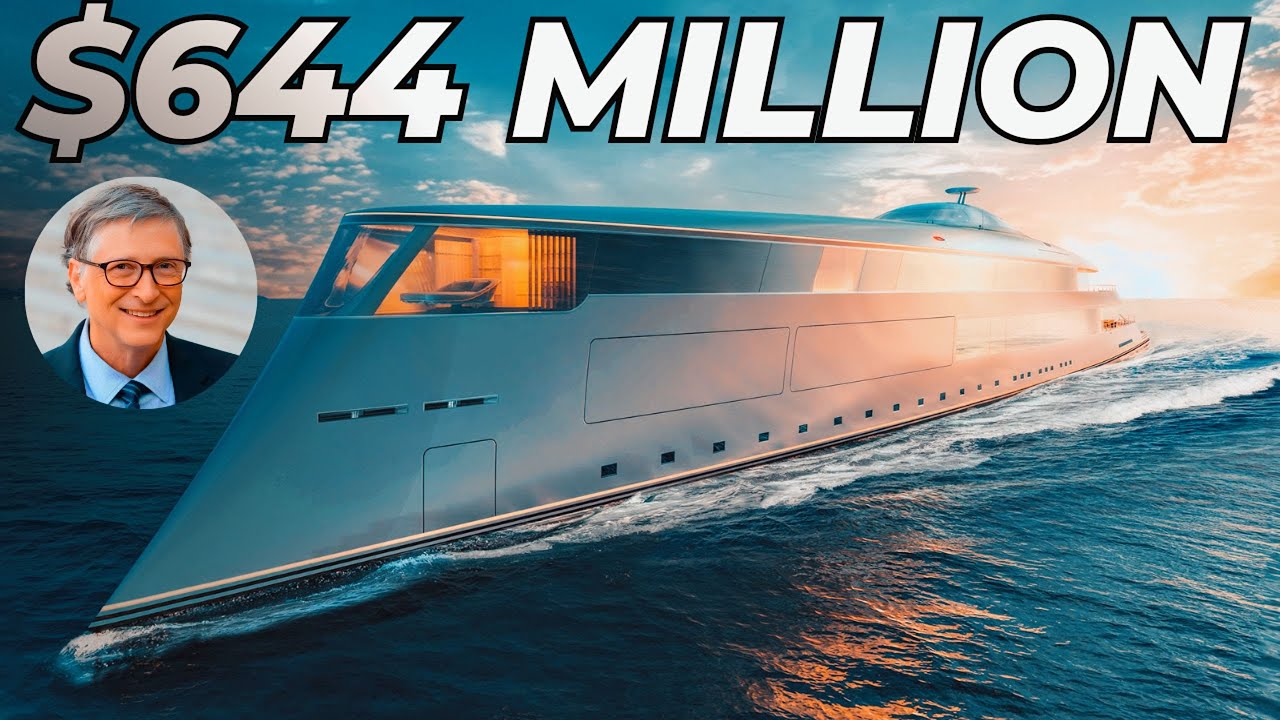
The Bill Gates boat crew represents the pinnacle of maritime professionalism.
The captain holds licenses for vessels up to 500 feet.
Navigation officers have decades of experience in international waters.
The chief engineer manages complex systems worth $50 million.
Culinary staff includes Michelin-starred chefs and sommelier experts.
Security personnel provide discrete protection with advanced training.
Housekeeping staff maintain pristine conditions using luxury hospitality standards.
The medical officer handles emergencies with fully equipped facilities.
Communication specialists ensure global connectivity at all times.
Crew quarters rival luxury hotel accommodations.
Bill Gates yacht destinations span the globe’s most exclusive locations.
The Mediterranean serves as the primary cruising ground during summer months.
Caribbean islands provide winter escape with pristine beaches.
Alaska expeditions offer wildlife viewing and glacier exploration.
Pacific Northwest voyages explore remote coastal areas.
The yacht has visited over 50 countries across six continents.
Exclusive anchorages include Monaco, St. Barts, and the Seychelles.
Private island visits offer complete seclusion and privacy.
Scientific expeditions support marine research initiatives.
Each voyage requires months of planning and coordination.
The Bill Gates superyacht ranks among the world’s most expensive private vessels.
Top 5 Most Expensive Yachts:
Gates’ vessel exceeds most others in technology integration.
The environmental features surpass industry standards significantly.
Guest capacity remains moderate compared to some mega-yachts.
The focus on sustainability sets it apart from traditional luxury vessels.
Building the Bill Gates boat required unprecedented engineering expertise.
German shipyards provided the advanced construction facilities.
Italian designers created the luxurious interior spaces.
Dutch engineers developed the propulsion systems.
The project faced numerous technical challenges during construction.
Weather delays extended the timeline by eight months.
Custom components required specialized manufacturing processes.
Quality control inspections occurred at every construction phase.
Sea trials lasted six months before final delivery.
The construction team included specialists from 15 countries.
The Bill Gates yacht security systems rival government vessels.
Advanced radar systems detect approaching aircraft and vessels.
Encrypted communication channels prevent eavesdropping.
Bulletproof glass protects key areas without compromising views.
Security personnel maintain 24/7 vigilance.
Safe rooms provide protection during emergencies.
The yacht can operate in international waters to avoid jurisdiction issues.
Landing permissions require extensive background checks.
Guest screening processes ensure complete privacy.
Multiple escape routes exist for emergency situations.
The Bill Gates superyacht construction boosted the luxury marine industry significantly.
The project created 2,000 jobs directly and indirectly.
Supplier companies across 12 countries benefited from contracts.
New technologies developed for the yacht influenced industry standards.
The construction process advanced shipbuilding techniques.
Local economies in construction areas received substantial boosts.
The yacht’s maintenance supports hundreds of service jobs annually.
Marina fees and port taxes contribute millions to local governments.
The vessel’s presence attracts other high-net-worth individuals to destinations.
Bill Gates boat technology preview the future of superyacht design.
Artificial intelligence will manage more shipboard systems.
Electric propulsion systems will reduce environmental impact.
Autonomous navigation capabilities will enhance safety.
Virtual reality entertainment will transform onboard experiences.
Sustainable materials will replace traditional luxury finishes.
Hydrogen fuel cells may power future superyachts.
Smart ports will provide automated docking and servicing.
The industry trends toward smaller, more efficient vessels.
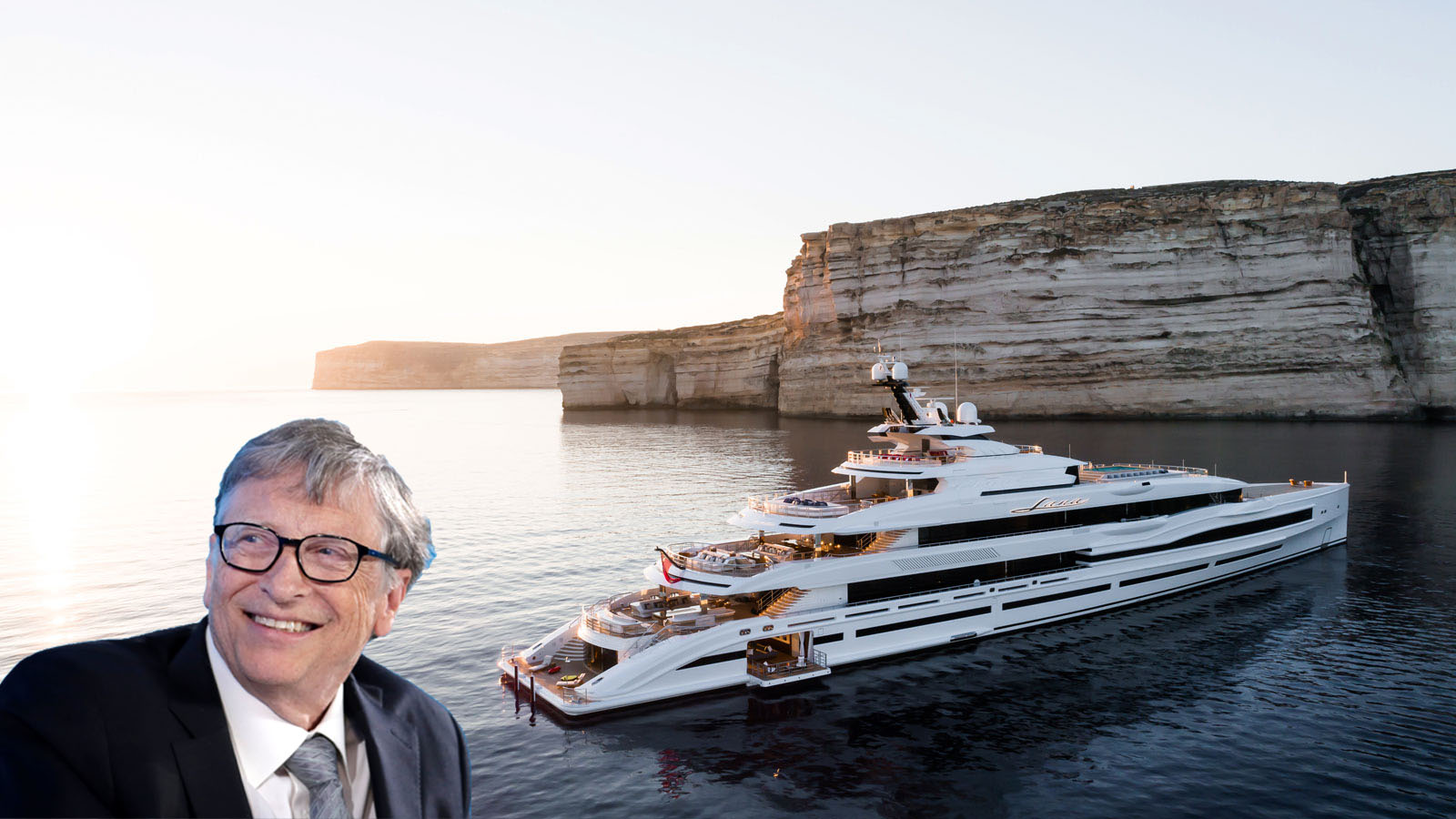
The Bill Gates superyacht represents a unique investment category.
Luxury yachts typically depreciate 10-15% annually.
However, technological innovations may preserve value longer.
Charter income can offset some operational costs.
The vessel’s uniqueness may maintain premium pricing.
Market demand for tech-integrated yachts continues growing.
Resale values depend heavily on maintenance and upgrades.
Insurance values require annual professional assessments.
The yacht market shows resilience during economic downturns.
Operating the Bill Gates boat requires massive ongoing investments.
Annual Operating Costs:
Regular dry dock maintenance occurs every 18 months.
Engine overhauls cost $2 million every 5 years.
Interior refurbishments happen every 3 years.
Technology updates require constant investment.
The yacht’s complexity demands specialized expertise.
The Bill Gates superyacht hosts exclusive gatherings for world leaders and celebrities.
Business summits bring together tech industry pioneers.
Charitable fundraising events support global causes.
Family celebrations include milestone birthdays and anniversaries.
Scientific conferences explore marine conservation topics.
The guest list includes Nobel Prize winners and world leaders.
Privacy agreements protect all visitor identities.
Events often generate significant charitable donations.
The yacht serves as a neutral meeting ground for important discussions.
Bill Gates owns a hydrogen-powered superyacht named Breakthrough (also called Project 821). Built by Feadship, it was launched in 2024, measures 390 ft (119 m), and runs on liquid hydrogen—emitting only water.
He also previously owned a support vessel named Wayfinder, a 68 m catamaran used to accompany his main yacht.
Despite the hype, Gates never stepped aboard Breakthrough and is reportedly selling both Breakthrough and Wayfinder. Media reports suggest he listed Breakthrough for around $645 million and Wayfinder shortly after the larger vessel’s completion.
He appears to view Breakthrough more as a showcase for green technology than a personal luxury. Reports suggest he hasn’t used it and prefers to focus on philanthropy and sustainability, shifting his investment elsewhere.
Mark Zuckerberg does own a large superyacht, named Launchpad, which is also a Feadship build. It measures around 360–377 ft and once served as project flagship before Gates’s vessel.
Elon Musk does not publicly own a yacht of similar scale. However, his private jet, the Gulfstream G650, is well known—but no reports suggest yacht ownership.
Yes, Bill Gates owns two Gulfstream G650 private jets (registered N887WM and N194WM), known for long-range comfort and used for both personal and philanthropic travel.
The Bill Gates boat represents more than just a luxury vessel.
It showcases how technology and environmental consciousness can enhance traditional yachting.
The $645 million investment reflects Gates’ commitment to innovation and sustainability.
This superyacht sets new standards for the luxury marine industry.
The vessel demonstrates that extreme wealth can drive positive technological advancement.
Future superyachts will likely follow the sustainable luxury model pioneered here.
The Bill Gates boat remains a floating testament to human ingenuity and environmental responsibility.
It proves that luxury and sustainability can coexist beautifully on the high seas.

The most beautiful porn stars of 2026 are redefining beauty...

Macron wife age difference is approximately 24 years, with Brigitte...