
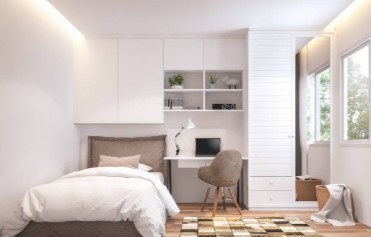
A well-organized bedroom is not necessarily a bedroom with more furniture. It is a space where clothing, accessories, bedding, and everyday essentials each have a convenient place. The right storage furniture can reduce clutter, make daily routines easier, and help a room feel more spacious without sacrificing comfort.
Before buying another cabinet or drawer unit, consider how the bedroom is actually used. A few thoughtful decisions about furniture size, storage configuration, and placement can make a noticeable difference.
Start by identifying where clutter tends to accumulate. Clothes left on a chair, accessories scattered across a nightstand, and spare bedding taking over closet shelves often indicate that existing storage does not match everyday habits.
Sort belongings into practical categories:
Think about how frequently each category is accessed. Clothing worn every day should be easy to reach, while seasonal items can occupy less accessible compartments.
This assessment also helps prevent unnecessary purchases. A bedroom with sufficient closet space may only need a compact chest of drawers, whereas a room with limited built-in storage might benefit from a wider dresser.
Furniture dimensions matter just as much as storage capacity. A large dresser may offer plenty of drawers, but it can become inconvenient if it blocks a walkway or makes it difficult to open closet doors.
Measure the available wall space, furniture depth, and surrounding clearance before choosing a piece. Remember to account for drawers when fully extended, not just when they are closed. If possible, mark the furniture footprint on the floor to see how it affects movement around the bed.
The choice between a dresser and a tall chest of drawers often comes down to the room’s proportions.
A wide dresser generally works well along an uninterrupted wall. Its horizontal surface can accommodate a mirror, a small lamp, or a few personal accessories. A tall chest uses vertical space and may be a better option when floor space is limited.
Neither design is automatically better. Consider the number of drawers, their interior dimensions, and the types of belongings you intend to store. A well-proportioned piece that fits your routine is more useful than furniture chosen simply because it has the most compartments.
Having enough drawers does not guarantee an organized bedroom. Their contents need a sensible arrangement.
Assign each drawer a purpose. For example, keep underwear and socks together in an easily accessible upper drawer, place everyday shirts in the next section, and reserve deeper drawers for sweaters or other bulky clothing.
Drawer dividers can prevent smaller accessories from becoming mixed together. Folding clothes vertically rather than stacking them in tall piles also makes individual items easier to identify without disturbing everything else.
Pay attention to drawer depth as well. Deep compartments are useful for larger garments, but shallow drawers may be more convenient for accessories and smaller essentials.
Avoid filling every drawer to its limit. Leaving some room makes it easier to put clothes away and retrieve them without constantly rearranging the contents.
When floor space is limited, storage that extends upward can help free up the room. Tall chests and drawer cabinets provide additional capacity without occupying as much horizontal wall space as a wide dresser.
However, height should not be the only consideration. Check whether the upper drawers are comfortable to reach and whether the furniture’s depth works with the available floor area.
Safety is particularly important with tall furniture. Follow the manufacturer’s assembly and installation instructions, use the supplied anti-tip hardware where required, and secure the furniture to an appropriate wall structure. This is especially important in homes with young children.
If a bedroom has enough wall space, a lower dresser may be a better alternative. Its top surface can serve a practical purpose while its lower profile helps maintain a more open visual balance.
The best arrangement uses available wall height without making everyday storage difficult or compromising safety.
Open shelving and closed compartments serve different purposes. A small shelf can display a few books, framed photographs, or decorative objects, while drawers and cabinet doors keep clothing and everyday essentials out of sight.
The challenge is finding the right balance.
Too many open shelves can make a bedroom feel busy, particularly when their contents include items of different colors and sizes. On the other hand, a room made up entirely of closed storage may lack personality.
A practical approach is to keep frequently used decorative objects on a limited number of visible surfaces and store less attractive necessities inside drawers. A small tray on a dresser can hold jewelry or other daily accessories without allowing them to spread across the entire surface.
This arrangement keeps the room functional while allowing bedding, lighting, artwork, and personal details to shape its appearance.
A shared bedroom requires a little more planning because two people may have different clothing habits and storage needs.
Start by deciding which drawers or sections belong to each person. This makes it easier to maintain order and reduces the likelihood that one person’s belongings will gradually occupy all the available space.
Equal drawer counts are not always necessary. Someone who owns more folded clothing may need additional drawer capacity, while someone who wears more hanging garments may rely more heavily on the closet.
Consider placing commonly used items within easy reach of their owner. Shared belongings, such as spare linens or extra blankets, can have a separate designated location.
The arrangement should also account for morning routines. If both people regularly get ready at the same time, avoid placing frequently accessed items in a way that forces one person to reach across the other’s space.
A flexible system is more useful than a perfectly symmetrical one that does not reflect how the bedroom is actually used.
Storage furniture is often one of the largest visual elements in a bedroom, so its finish, proportions, and detailing influence the overall atmosphere.
Natural wood tones can introduce warmth, while lighter finishes may help a compact room feel more open. Darker furniture can create contrast against pale walls and bedding, particularly when the room has sufficient natural light.
Texture also makes a difference. Fluted drawer fronts, visible wood grain, and softly rounded edges can add character without requiring additional decoration.
A cohesive bedroom does not need every furniture piece to come from the same collection. Instead, repeat a few visual elements. For instance, a rounded bedside lamp might complement the softened corners of a dresser, while a wooden picture frame can echo the furniture’s finish.
When comparing options, consider both appearance and practical construction. Drawer configuration, available storage space, overall dimensions, and the manufacturer’s care instructions are all worth reviewing before making a decision.
For homeowners exploring bedroom storage options, Hernest offers a range of bedroom furniture, including dressers and drawer chests. Its dresser collection provides different designs to consider when comparing storage capacity, furniture proportions, and finishes. Looking at several configurations can help narrow down a piece that suits both the room and its everyday requirements.
An organized bedroom should remain practical after the initial cleanup. If maintaining the arrangement requires too much effort, the system probably needs to be simplified.
Give frequently used belongings accessible storage locations, return items to their designated drawers, and review seasonal clothing when wardrobes change. If the same chair repeatedly becomes a place for discarded clothes, consider whether a nearby hamper, hook, or more convenient drawer would solve the problem.
Keep dresser tops relatively clear so there is room for everyday activities. A small organizer for watches and jewelry, a laundry hamper near the changing area, and suitable bedside lighting can all contribute to a smoother routine.
Storage furniture works best when it supports the way people already live. With appropriate dimensions, sensible drawer organization, and a layout that preserves comfortable movement, even a modest bedroom can feel more orderly and welcoming.
The goal is not to fill every available corner with furniture. It is to make the space easier to use, easier to maintain, and comfortable to return to at the end of each day.