
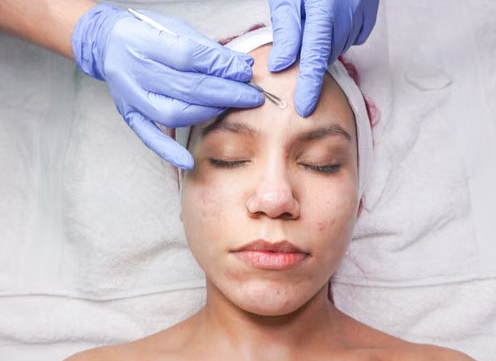
Dealing with breakouts can be frustrating, especially when acne continues to appear despite maintaining a regular skincare routine. Professional treatments can provide targeted support, and Hanguk’s acne clear facial is one option for those looking for a focused approach to managing blemish-prone skin. An acne facial can work alongside everyday skincare by addressing concerns such as excess oil, clogged pores and the visible effects of breakouts.
Acne can develop for several reasons, including excess sebum production, clogged pores, dead skin cells and changes in the skin’s natural balance. Environmental factors and lifestyle habits may also affect how the skin looks and feels.
While occasional blemishes are common, recurring breakouts can make it harder to maintain an even complexion. This is why many people look beyond their usual cleanser and moisturiser when trying to improve the appearance of acne-prone skin.
Professional facial treatments can provide a more targeted skincare experience while complementing a suitable home routine.
An acne facial is a professional skincare treatment designed with blemish-prone skin in mind. Depending on the treatment approach, it may involve cleansing, exfoliation, pore care and other techniques intended to improve the appearance and condition of the skin.
The specific steps can vary according to the person’s skin type and concerns. Someone experiencing excess oil may have different requirements from someone dealing primarily with congestion or occasional breakouts.
A professional consultation can help determine which approach is appropriate for the individual’s skin.
One benefit of receiving an acne facial is the opportunity to have skincare concerns assessed more closely. A professional can consider factors such as skin texture, oiliness, congestion and the appearance of blemishes before recommending an appropriate treatment.
This personalised approach can be useful for people who have tried multiple skincare products without achieving the results they want.
Professional treatments can also provide a structured addition to a regular skincare routine. Rather than relying solely on products used at home, individuals can incorporate occasional treatments according to their specific needs.
Excess oil can contribute to a greasy appearance and may combine with dead skin cells to create congestion. When pores become blocked, blemishes can become more noticeable.
An acne facial may focus on cleansing and removing surface impurities while supporting a cleaner-looking complexion. Regular professional care, when suitable for the individual, can complement everyday habits such as gentle cleansing and using non-comedogenic skincare products.
It is still important to avoid over-cleansing or using overly harsh products, as these may leave the skin feeling irritated or uncomfortable.
Professional facial treatments are only one part of maintaining healthy-looking skin. Daily skincare habits remain important for people who experience acne or frequent breakouts.
A simple routine may include a gentle cleanser, suitable moisturiser and daily sunscreen. Products should be selected according to individual skin needs rather than following every new skincare trend.
Consistency can be more useful than frequently changing products. Giving the skin time to adjust to a routine can make it easier to understand which products work well and which may cause irritation.
Persistent or severe acne may require more than cosmetic skincare treatments. Individuals experiencing painful breakouts, significant inflammation or acne that leaves persistent marks should consider seeking advice from an appropriately qualified healthcare professional.
For milder concerns, a professional facial may form part of a broader skincare routine. Discussing skin concerns before treatment can help determine whether a particular facial is suitable.
People with sensitive skin should also mention any known sensitivities, allergies or previous reactions before receiving a treatment.
The way skin is cared for after a facial can influence how comfortable and balanced it feels. Avoiding unnecessary picking or squeezing can help reduce irritation, while gentle cleansing can remove everyday dirt and excess oil without excessive friction.
Sun protection is also an important part of everyday skincare. Using sunscreen can help protect the skin from ultraviolet exposure and support a more even-looking complexion over time.
Maintaining healthy lifestyle habits, including adequate rest, hydration and a balanced diet, can also contribute to overall wellbeing and skin health.
An acne facial can be a useful addition to a carefully planned skincare routine for people concerned about breakouts, clogged pores and excess oil. Professional treatments provide an opportunity to give blemish-prone skin more focused attention while complementing suitable products used at home.
Choosing treatments based on individual skin needs and maintaining consistent daily care can help support a cleaner, healthier-looking complexion. For persistent or severe acne concerns, professional medical advice should also be considered alongside cosmetic skincare options.