
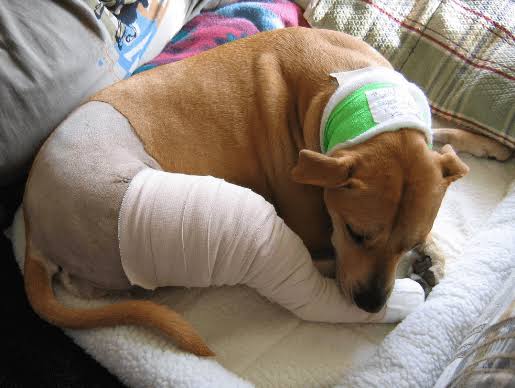
Post-surgical recovery is stressful for both dogs and their owners, filled with restricted activity, medication schedules, and constant monitoring for signs that healing is progressing as it should. Many pet owners, understandably eager to support their dog’s recovery beyond just following the vet’s basic instructions, have started asking about complementary options like red light therapy. Understanding where this treatment may genuinely help during post-surgical recovery, and where its role is more limited, can help set realistic expectations for what it can add to your dog’s healing process and overall comfort during a difficult time.
Red light therapy uses specific wavelengths of light to penetrate tissue and stimulate cellular activity, particularly within the mitochondria, the energy-producing structures inside cells. This stimulation is believed to support increased cellular energy production, which in turn may enhance the body’s natural repair processes. For a healing surgical site, this mechanism is exactly why the treatment has drawn interest as a potential complement to standard post-operative care. Because photobiomodulation is non-invasive, it may be considered as a complementary option in some recovery plans, but the appropriate device, timing, and treatment settings should be determined with veterinary guidance.
A handful of potential benefits tend to come up when discussing red light therapy for post-surgical dogs:
It’s worth being clear that these are potential, supportive benefits rather than guaranteed outcomes, and red light therapy should always complement, not replace, your veterinarian’s post-surgical instructions. Owners should approach it as one supportive tool among several, rather than a standalone recovery solution or a substitute for careful monitoring.
When your veterinarian determines that your dog is ready for additional supportive care, this type of therapy may be considered as part of the post-surgical recovery plan. For owners exploring red light therapy after surgery, the appropriate timing and technique can vary considerably depending on the procedure and device being used. MedcoVet post-surgical guidance emphasizes using red light therapy as a complementary part of recovery rather than as a replacement for veterinary care. The goal is to support the body’s natural healing process while your dog continues following the recovery plan provided by the veterinary team. This kind of professional coordination is exactly why starting red light therapy without first checking with your vet isn’t advisable, regardless of how promising the treatment sounds or how many positive anecdotes you may have come across online.
Sessions are generally brief, but treatment time varies depending on the device, treatment area, and protocol being used, and most dogs tolerate the process well since the light itself produces no discomfort. Treatment frequency and duration vary depending on the device, treatment area, and veterinary protocol, rather than following one standard schedule. Your veterinarian or a qualified provider can help establish a schedule appropriate for your dog’s specific surgery and healing stage.
A handful of questions come up consistently among owners considering this option:
Getting clear answers to these questions tends to make the decision to explore this option feel far more informed, rather than something attempted based on general online advice alone.
The most successful use of red light therapy during recovery tends to happen when it’s treated as a genuine partnership between the pet owner and the veterinary team, rather than an independent decision made without professional input. Keeping your vet informed about any additional treatments you’re considering, including red light therapy, ensures that everything your dog receives works together cohesively rather than potentially working at cross purposes with prescribed care. This collaborative approach also gives your vet the opportunity to flag any concerns specific to your dog’s particular surgery or health history before you begin.
Red light therapy may offer potential support during a dog’s post-surgical recovery, particularly as a complementary approach to wound healing and comfort, though it should always be used as a complement to, not a substitute for, your veterinarian’s guidance. If your dog is recovering from surgery and you’re considering additional ways to support that process, discussing red light therapy with your vet is the clearest way to determine whether it’s appropriate for your dog’s specific situation, surgery type, and overall recovery timeline.