
Why Can’t Chinchillas Get Wet? Chinchillas have the densest fur of any land mammal, and that fur is exactly why water is dangerous for them. A quick splash can trigger health problems that take weeks to fix.
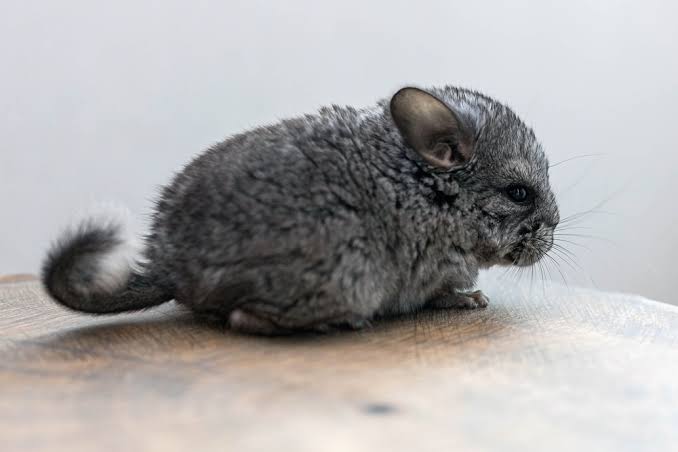
A chinchilla’s fur is so dense that water gets trapped near the skin instead of evaporating. That trapped moisture creates the perfect environment for fungus and bacteria to grow.
Their coat evolved for a dry mountain climate, not for shedding water like an otter or a dog.
Each follicle on a chinchilla grows 60 to 100 hairs, compared to a single hair per follicle in humans. This density traps air for warmth but also traps water when the coat gets wet.
Water soaks deep into the coat and cannot evaporate quickly through such a thick layer. The outer fur may look dry while the skin underneath stays damp for hours or even days.
Chinchillas are native to the arid, rocky Andes Mountains of South America. Their bodies never evolved defenses against prolonged moisture exposure.
Trapped moisture creates a breeding ground for fungus, including ringworm. These infections are uncomfortable and can spread to other pets or people in the home.
Wet fur cannot trap warm air the way dry fur does, so body heat escapes quickly. Chinchillas can become dangerously cold even in a room that feels mild to humans.
Water causes the dense coat to clump and mat together. Matting pulls on the skin and can lead to irritation, sores, or fur loss.
A chilled, damp chinchilla is more susceptible to respiratory infections. Labored breathing or lethargy after getting wet should prompt a vet visit.
Wet fur becomes heavy and waterlogged, which can weigh a chinchilla down even in shallow water. This makes any standing water a real hazard, not just deep water.
| Aspect | Water Bath | Dust Bath |
|---|---|---|
| Safety for chinchillas | Unsafe, causes health risks | Safe and recommended |
| Cleaning method | Soaks the fur | Absorbs oil and dirt |
| Drying time | Very slow, traps moisture | No drying needed |
| Frequency | Never recommended | 2 to 3 times weekly |
| Natural behavior | Chinchillas avoid it instinctively | Mimics wild volcanic ash rolling |
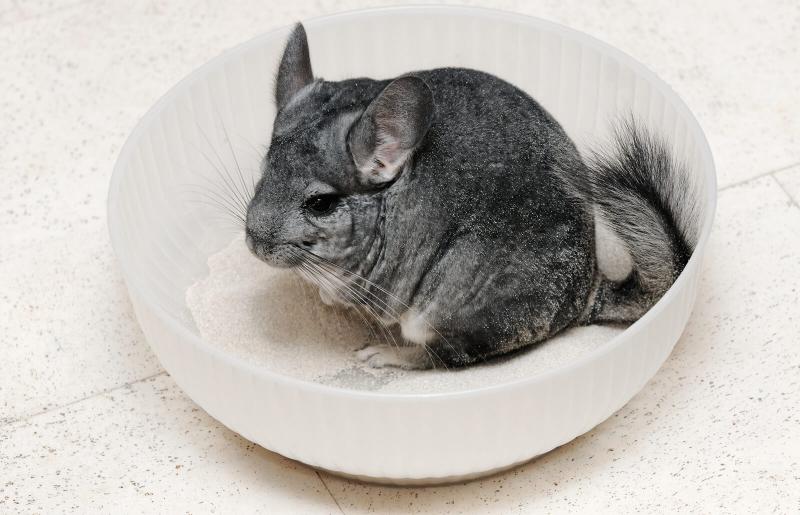
Chinchillas roll in fine, chinchilla-safe dust to absorb natural oils and remove dirt from their coat. This mimics how wild chinchillas clean themselves in volcanic ash in the Andes.
Only use dust labeled specifically for chinchillas, since regular sand can irritate their skin.
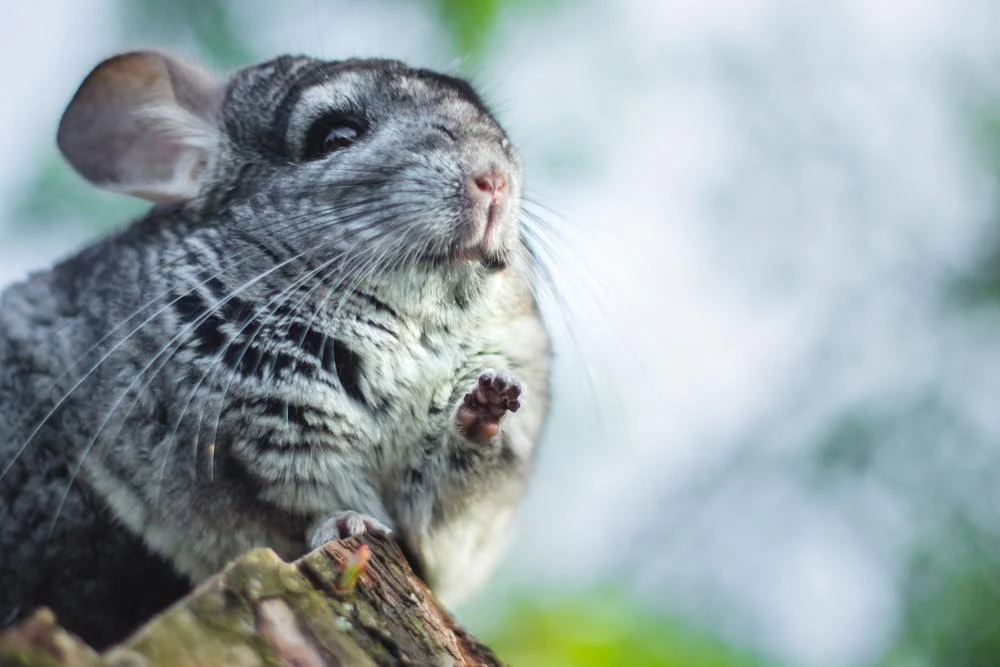
Their extremely dense fur traps water close to the skin instead of letting it evaporate. This trapped moisture leads to fungal infections, matting, and heat loss.
It can develop fungal infections, hypothermia, or matted fur. Prompt towel drying and warmth can prevent these issues from becoming serious.
No. Their heavy, waterlogged fur can weigh them down and even cause drowning in shallow water.
Most chinchillas need a dust bath 2 to 3 times per week. Daily baths can dry out their skin.
Use dust made specifically for chinchillas, since regular sand can be too rough for their skin.
Yes, a slightly damp towel can spot-clean small areas, but always dry the fur completely afterward.
Towel dry first, then use a fan or a hair dryer on a cool setting until the fur is completely dry.
In severe or prolonged cases, untreated hypothermia or infection from wet fur can become life-threatening. Quick action reduces this risk.
Yes. In the wild, chinchillas flee from rain and avoid water instinctively.
Dust baths absorb oil and dirt without soaking their dense fur, mimicking their natural volcanic ash habitat.
No. Leaving it in permanently can lead to your chinchilla using it as a litter box, which defeats its purpose.
Yes. Skipping regular dust baths can lead to oil buildup and odor over time.
High humidity alone can contribute to slow-drying fur and skin issues, even without direct water contact.
Watch for hair loss, crusty skin, itching, or patchy fur that does not improve.
Without help, wet chinchilla fur can take many hours to fully dry due to its density, which is part of why it is risky.
Baby chinchillas are even more vulnerable to hypothermia, so extra care should be taken to keep them completely dry.
Fur density is similar across most pet chinchilla varieties, all descending from the same dense-coated species.
No. Address the odor with a proper dust bath instead of water, and check bedding cleanliness too.
Yes. Water baths are highly stressful for chinchillas and can worsen the physical risks of getting wet.
A chinchilla’s incredibly dense fur is a survival trait for dry mountain air, not a coat built to handle water. That is the core reason why chinchillas can’t get wet without facing real health risks.
Stick to regular dust baths, dry your chinchilla immediately if it gets wet, and contact an exotic vet if you notice signs of illness afterward.