
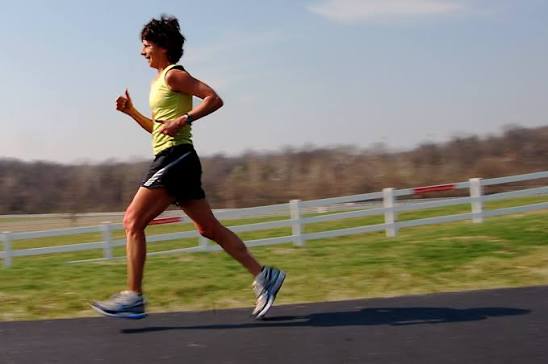
Halfway through a run, a sharp ache shoots through your teeth and it catches you off guard. It feels strange, but tooth pain during exercise is more common than most runners realize.
Why Do My Teeth Hurt When I Run? increased blood flow, sinus pressure, jaw clenching, or cold air are the usual culprits. None of these mean you have to stop running.
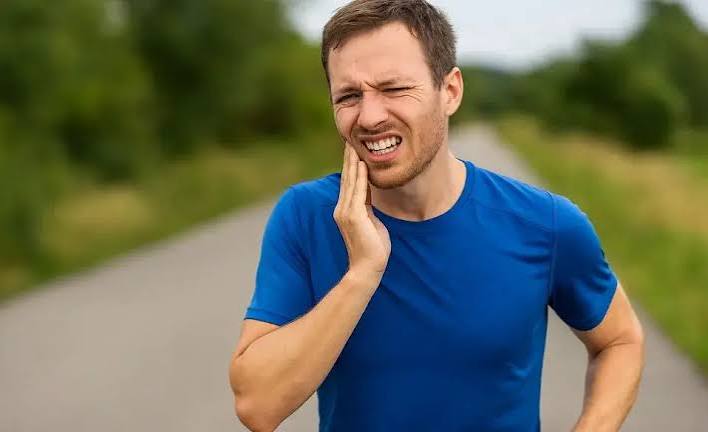
Yes. Running itself doesn’t damage healthy teeth, but it can expose problems that were already close to the surface. Several physical changes happen in your mouth during a run.
Blood vessels throughout the body increase blood flow during exercise, including the tiny vessels in your gums, teeth, and tongue, which can swell as a result. This swelling alone can create a dull, aching sensation.
Exercise raises your heart rate and blood pressure through increased cardiac output, and this stronger blood flow can reach your teeth, making them feel like they’re aching. It’s a normal physiological response, not a sign of damage.
Your sinuses sit close to your upper teeth, and when they become inflamed or filled with mucus from a cold or allergies, they can press directly on the nerves of your upper teeth. Running often intensifies that pressure.
Running forces your body to use intense force that travels from your feet up to your jaw, and many runners clench or grind their teeth without noticing, which wears them down over time. A mouthguard can help reduce this impact.
Teeth that are already sensitive to cold may only become noticeable when you’re breathing in cold morning air during a run. This is especially common for runners training outdoors in winter.
Tooth sensitivity can occur when the protective enamel layer wears down, exposing the softer dentin underneath, and temperature changes like cold air can then trigger sharp pain. This existing sensitivity gets amplified by exercise.
Tooth pain during running can sometimes signal a more serious dental problem like a cavity, since decay weakens the tooth structure and makes it more susceptible to pain under added pressure. This type of pain usually doesn’t fully go away after the run ends.
A fractured or cracked tooth may not be visible but can still affect the tooth’s structure, and the pressure from running can worsen the crack, causing pain as parts of the tooth shift slightly. This often feels sharper than general sensitivity.

Both causes feel similar, but the pattern of pain differs slightly.
| Symptom Pattern | Likely Cause | What Helps |
|---|---|---|
| Dull ache across multiple teeth, fades after run | Increased blood flow | Rest, hydration, easing pace |
| Pain in upper teeth, worse with congestion | Sinus pressure | Decongestants, allergy treatment |
| Pain in back molars, tight jaw | Clenching/bruxism | Mouthguard, relaxed jaw posture |
| Sharp pain with cold air | Enamel sensitivity | Sensitivity toothpaste, breathing through nose |
| Pain that lingers after running stops | Cavity or crack | Dentist visit |
Most cases resolve on their own once you stop running or address the trigger. But some patterns point to a dental issue that needs attention.
If any of these apply, it’s worth scheduling a dental visit rather than assuming it’s just exercise-related.
Breathe through your nose when possible Nose breathing warms and filters the air before it reaches your teeth, reducing the shock of cold, dry air on sensitive areas.
Use a mouthguard if you clench A properly fitted mouthguard reduces the pressure transferred to your teeth from running impact and jaw tension.
Treat sinus issues before you run Managing allergies or congestion ahead of time reduces the added pressure that intensifies tooth pain mid-run.
Switch to sensitivity toothpaste Toothpaste designed for sensitive teeth can help reduce discomfort tied to enamel wear and exposed dentin. Using it consistently, not just before a run, works best.
Stay on top of routine dental checkups
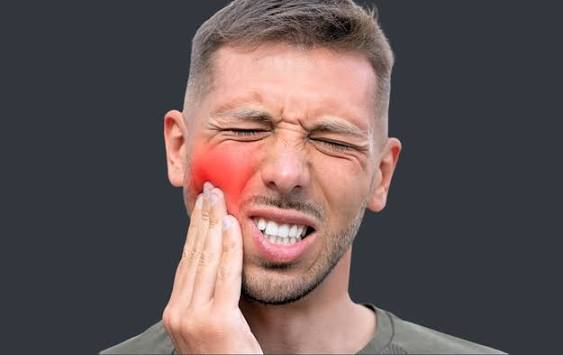
Catching small cavities or cracks early prevents them from turning into pain that shows up mid-run.
Pain that appears only during high-impact activity and fades quickly is usually linked to blood flow or sinus pressure. Pain that’s sharp, localized, or outlasts your run deserves a dental evaluation rather than guesswork.
Usually from increased blood flow, sinus pressure, jaw clenching, or cold air hitting sensitive teeth during exercise.
It’s usually harmless, but pain that lingers after your run or feels sharp in one tooth should be checked by a dentist.
Yes. The sinuses sit close to your upper teeth, and inflammation there can press on the nerves and cause referred pain.
Yes. Cold, dry air can trigger sensitivity in teeth with worn enamel or exposed dentin.
Cavity-related pain usually persists after your run ends and may worsen over time, unlike blood-flow-related aches.
Yes, especially if jaw clenching or grinding is the cause. It reduces pressure transferred to your teeth.
Not necessarily. Mild, temporary pain is common, but persistent or sharp pain warrants a pause and a dental check.
Yes. Allergies can inflame the sinuses, increasing pressure on the upper teeth, which intensifies during running.
Mouth breathing exposes your teeth directly to cold, dry air, increasing sensitivity and discomfort.
Yes. Many runners clench their jaw involuntarily due to the physical effort and impact of running.
Yes. Impact and pressure from running can worsen a crack, triggering pain that may not appear during rest.
Toothpaste formulated for sensitive teeth can reduce discomfort linked to enamel wear, especially with regular use.
Yes. Higher blood pressure increases blood flow to the teeth and gums, which can create an aching sensation.
Running itself doesn’t damage teeth, but chronic clenching or acidic sports drinks consumed during training can contribute to wear.
Upper teeth share nerve pathways with the sinuses, so sinus pressure often shows up specifically in that area.
Yes, if it’s related to blood flow or mild sinus pressure. Pain that lingers points to a different underlying issue.
Dehydration can reduce saliva flow, making teeth more vulnerable to sensitivity and irritation during exercise.
Tooth pain while running is unsettling, but it’s rarely a sign of something serious. Blood flow changes, sinus pressure, and jaw clenching explain most cases, and each has a simple fix.
Pay attention to pain that lingers or feels sharp in one specific tooth. That’s your cue to see a dentist rather than push through another run.