

Feeling sick again just weeks after your last flu is confusing and exhausting. You’re not imagining it — this happens more often than most people realize, and there’s a clear medical reason behind it.
Why Did I Get the Flu Twice in a Month? getting the flu twice in a month is uncommon but entirely possible, mainly because more than one flu strain circulates during any given season, and immunity from one strain doesn’t protect you from the others.

Yes. It’s uncommon, but doctors confirm it happens every flu season because a person can become infected with different influenza strains in succession, since the flu has multiple circulating strains, primarily influenza A and B, with various subtypes of each.
Your body does build immunity to the specific flu strain you just fought off, but more than one strain is usually circulating at the same time. Catching a second, different strain within weeks is rare — but not impossible.
Multiple strains of the flu virus circulate every season, and recovering from one strain doesn’t guarantee protection against all the others. Health data this season shows just how varied the strains are.
This year’s flu season in the US has been severe, with over 33 million Americans falling sick, and the viruses involved include H1N1, H3N2, and an Influenza B strain. Getting hit by two different ones is the most common explanation.
Antibodies built after your first infection target that exact strain. They offer little to no protection against a genetically different one circulating in your community.
Influenza mutates through a process called viral drift, and different variants can evade prior immunity. Even a strain you’ve already had can change just enough to slip past your defenses.
A weakened immune system caused by stress, illness, or chronic conditions can make reinfection more likely. Right after fighting off the flu, your body needs time to fully recover, which briefly raises your risk of catching something else.
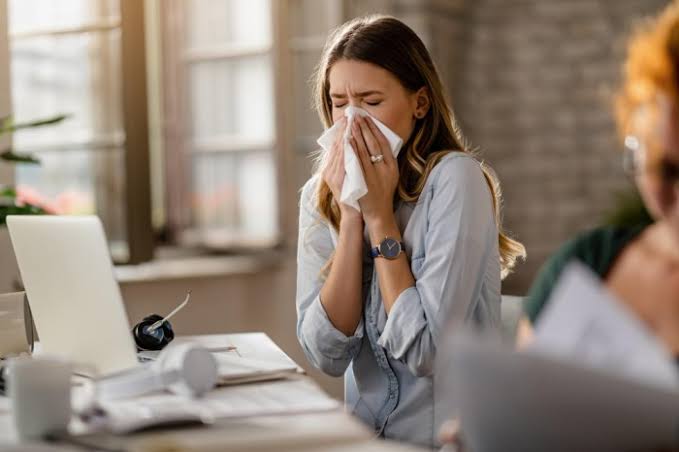
Not every “second round” of flu symptoms means a new infection. Sometimes it’s the same illness resurfacing.
| Signs | Relapse (Same Infection) | Reinfection (New Strain) |
|---|---|---|
| Timing | Symptoms never fully cleared | Full recovery, then new symptoms 2–4 weeks later |
| Symptom pattern | Gradual worsening after slight improvement | Sudden onset, similar to the first time |
| Fever | Low-grade, lingering | New spike, often high |
| Confirmation | Clinical judgment | Flu test recommended |
Sometimes what feels like a second bout of flu is actually just a lingering case of the first one, since the flu can stick around longer than expected. Testing is the only reliable way to know for sure.
A second flu infection usually looks a lot like the first one. Common symptoms include:
Symptoms of a repeat infection can look identical to the first bout: fever, cough, sore throat, body aches, and fatigue. If these return after you’d already recovered, it’s worth getting checked.

Overlapping symptoms make self-diagnosis unreliable. Because symptoms of these illnesses often overlap, the safest way to know what’s really going on is testing, so it’s best to check with your doctor.
A rapid flu test, combination flu/COVID test, or a doctor’s evaluation can confirm what you’re actually dealing with before you assume it’s a repeat flu infection.
Most repeat flu cases are manageable at home with rest and fluids. But certain symptoms need urgent medical attention.
Seek care right away if you notice:
If symptoms recur or feel more intense than your first infection, don’t assume it’s “just the flu again” without confirming with a healthcare professional.
Rest is non-negotiable. Your immune system needs energy to fight the virus, and pushing through work or exercise slows recovery.
Stay hydrated. Fluids help thin mucus, ease congestion, and support your body’s natural defenses.
Manage symptoms, don’t mask them completely. Fever reducers and decongestants help you feel better, but overusing them can hide warning signs of worsening illness.
Isolate where possible. A second infection means your immune system is already taxed — avoid unnecessary exposure to more germs while you heal.
Preventive action like washing your hands often and avoiding close contact with people who are sick remains one of the best defenses, since different strains of the influenza virus circulate in a single season.
Yes. The vaccine is formulated to protect against several of the season’s most common strains at once. Even if you’ve already caught one strain, the shot can still protect you from the others still circulating.
Vaccine protection isn’t perfect since predictions about which strains will dominate can shift, but it meaningfully lowers your odds of a second infection.
Yes, though it’s uncommon. It usually happens when you’re infected by two different circulating strains within a short window.
A relapse is the same infection resurfacing before full recovery. Reinfection is a brand-new virus catching you after you’d already gotten better.
Roughly six months to a year, but only against the specific strain you were infected with.
Yes. It targets multiple strains, so it can still protect you from others circulating that season.
This is often due to a weakened immune system after your first infection, or exposure to a new, different strain.
It’s rare, but possible if two different viruses or fast-mutating strains are involved and your immune system hasn’t recovered yet.
This season, H1N1, H3N2, and an Influenza B lineage have been widely reported as the dominant circulating strains.
Yes. Testing is the most reliable way to confirm reinfection versus a lingering first infection or a different illness like RSV or COVID-19.
Yes. Stress and lack of rest can weaken your immune response, increasing vulnerability shortly after your first flu infection.
Not necessarily. It’s usually explained by strain variation rather than an underlying immune problem, though recurring illness is worth discussing with a doctor.
Children can be more susceptible due to less built-up immunity to circulating strains, making repeat infections somewhat more common.
Difficulty breathing, chest pain, confusion, bluish lips, or a fever that won’t respond to medication all warrant emergency care.
Yes. These are caused by different viruses entirely, so having one doesn’t protect you from catching the other soon after.
Through a rapid flu test or lab-based PCR test, often alongside a clinical evaluation of your symptoms and timeline.
Yes. Back-to-back infections put extra strain on your body, and fatigue can linger longer than after a single illness.
Yes, if taken early. Antivirals like oseltamivir can shorten illness duration and reduce severity when started within the first 48 hours of symptoms.
Only against the specific strains you’ve already had. Other circulating strains can still infect you.
Yes, since symptoms overlap significantly. Testing is the only accurate way to distinguish between the two.
Different strains tend to peak at different times, which is why some regions see multiple waves within a single flu season.
It’s best to ease back in gradually. Returning to intense activity too soon can delay full immune recovery and increase reinfection risk.
Getting the flu twice in a month is unusual, but it has a straightforward explanation: multiple strains circulate each season, and immunity from one doesn’t cover the others. Pay attention to symptom timing, get tested when in doubt, and don’t skip the vaccine just because you’ve already been sick once.
If symptoms feel more severe than before, or you’re unsure whether it’s a relapse or a new infection, check in with a healthcare provider rather than guessing.