
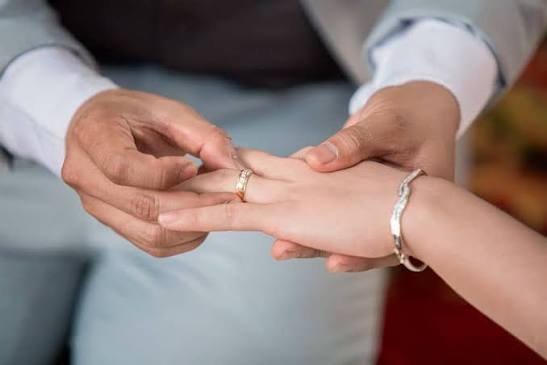
Why Promise Rings Are Bad? Promise rings look romantic in photos, but real couples often run into trouble after the ring goes on.
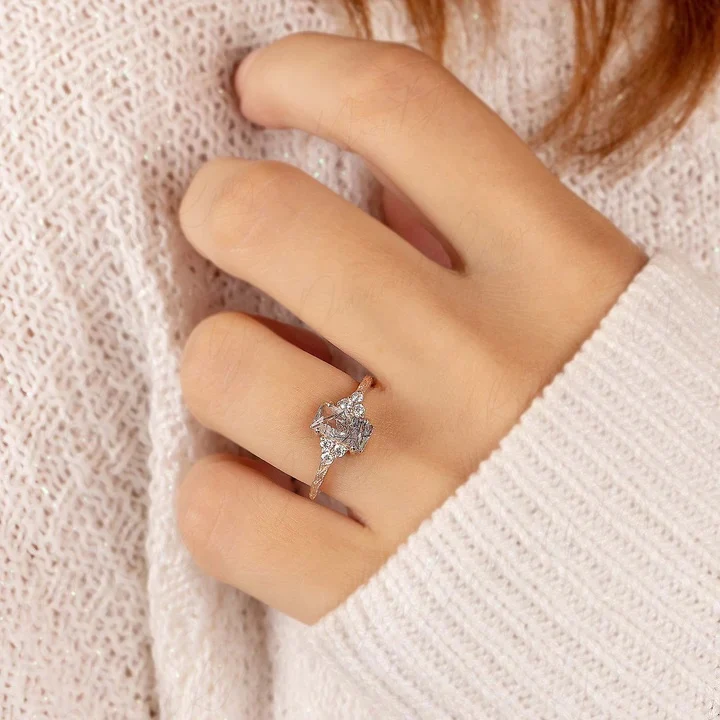
A promise ring is jewelry given to show commitment without a formal engagement. It has no fixed rule for meaning, style, or timing.
That open-ended nature is exactly where most problems start.
Most couples never sit down and agree on what the ring actually promises. One partner assumes marriage; the other assumes nothing more than exclusivity.
This mismatch causes confusion and hurt feelings later.
A promise ring can trick a partner into feeling engaged when nothing formal has happened. That false comfort can lower the motivation to have honest relationship talks.
Real commitment needs conversations, not just jewelry.
Giving or accepting a promise ring can silently push a couple toward marriage before either person feels ready. This pressure sometimes leads to rushed decisions.
Career goals, finances, or personal growth can get sidelined.
Some partners avoid raising real issues because they do not want to “break the promise” symbolized by the ring. This avoidance lets small problems grow into bigger ones.
Healthy relationships need friction, not silence.
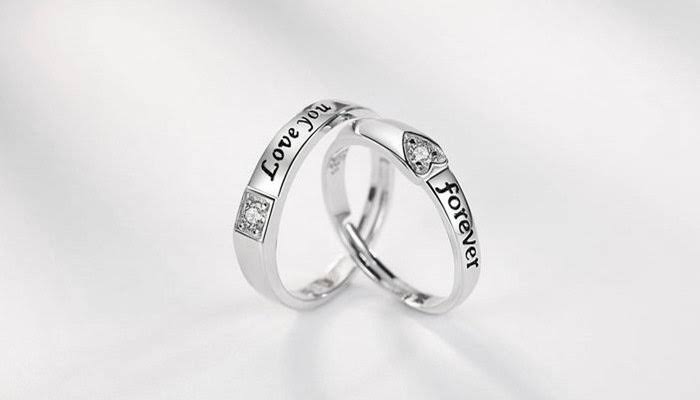
Unlike an engagement ring in some states, a promise ring carries no legal standing if the relationship ends. There is no expectation of return, refund, or compensation.
That means financial loss with zero recourse.
Family, friends, and even the couple themselves may interpret the ring differently. Some read it as an unofficial engagement, others as a simple gift.
This mismatch invites awkward or hurtful conversations.
Couples sometimes spend hundreds of dollars on a symbol that offers no legal, financial, or guaranteed emotional return. That money could go toward savings, travel, or a future engagement ring instead.
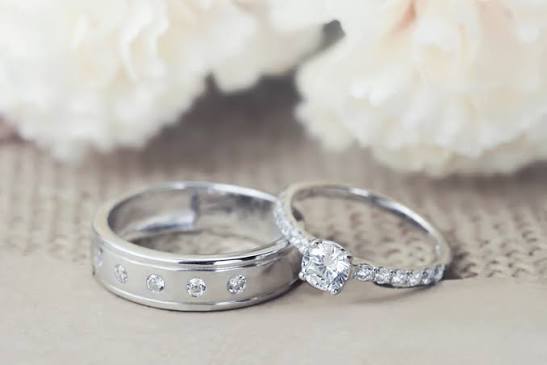
This myth traces back to old assumptions about rings worn on the left ring finger. Wearing one there was mistaken for an engagement signal, not an actual curse.
A promise ring is a gesture, not a contract. It reflects intent at one moment in time, not a guaranteed future.
Promise rings are common among long-distance and student couples, but adults use them too. Age is not the deciding factor; clarity is.
| Aspect | Promise Ring | Engagement Ring |
|---|---|---|
| Meaning | General commitment | Formal intent to marry |
| Cost | Lower, flexible | Higher, traditional |
| Finger worn | Either hand | Left ring finger (US) |
| Legal weight | None | Varies by state |
| Formality | Casual | Formal, often public |
| Follow-up step | Optional | Wedding planning |
A promise ring works best when both partners define its meaning together before the exchange. It also helps when the couple treats it as a milestone, not a substitute for real commitment.
Clear communication removes most of the downside.
| Pros | Cons |
|---|---|
| Affordable symbol of commitment | Often misunderstood |
| Good for long-distance couples | No legal protection |
| Flexible meaning | Can pressure the timeline |
| Meaningful milestone | May mask real relationship issues |
Because their meaning is rarely agreed upon in advance. That gap leads to confusion, mismatched expectations, and sometimes hurt feelings.
No. The “bad luck” idea comes from an old misunderstanding about rings worn on the left hand, not any real superstition.
No. A promise ring signals commitment, not a formal engagement or wedding plan.
It can if the couple never discusses its meaning. Silent assumptions cause more damage than the ring itself.
Most promise rings cost between $50 and $500. Spend only what feels comfortable, since it has no legal or resale guarantee.
Either hand works, though many people choose the right hand to avoid confusion with an engagement ring.
No. They are popular with students and long-distance couples, but adults of any age use them too.
A promise ring usually signals romantic commitment, while a purity ring often represents a personal or religious vow.
It can help if both partners agree on what it represents. Without that agreement, distance can amplify any confusion.
No. They reflect intent at a given moment, not a binding promise of a future wedding.
Talk openly with your partner about what the ring will mean and what happens next.
No. They serve different purposes and carry different levels of formality.
Yes, and that pressure is one of the most common complaints. Naming the feeling early prevents resentment later.
There is usually no legal obligation to return it, unlike some state laws around engagement rings.
Relationship experts note they can create a false sense of security that delays honest conversations about the future.
Yes. Some people exchange them to represent loyalty or a personal milestone rather than romance.
If both partners can clearly define its meaning together, it is more likely to help than harm.
Yes. They trace back to 16th-century posy and betrothal rings exchanged as tokens of loyalty.
It depends on the couple. Without a shared understanding, the money often brings little lasting value.
An open conversation about relationship goals, followed by a ring only if both partners agree on its meaning.
Promise rings are not inherently harmful, but unclear expectations make them risky. The real issue behind why promise rings are bad usually comes down to poor communication, not the jewelry itself.
Talk openly, agree on the meaning, and only then decide if a promise ring fits your relationship.