
Luxury has traditionally been associated with expensive products, exclusive experiences, and premium services. In an increasingly fast-paced world, however, another resource is becoming just as valuable: time. Busy professionals, entrepreneurs, parents, and other time-conscious consumers are looking for ways to reduce friction in everyday life, and healthcare is becoming part of that shift.
Digital services, virtual consultations, automated appointment systems, home diagnostics, and prescription delivery are changing what people expect from healthcare. Convenience is no longer simply an added benefit. For many consumers, services that reduce travel, waiting, and administrative tasks offer something genuinely valuable: the ability to spend more time on work, family, leisure, and personal wellbeing.
The Value of Convenience Has Changed
Consumers have grown accustomed to managing much of their lives instantly. Banking can be handled through an app, groceries can arrive at the door, meetings can take place remotely, and entertainment is available on demand. These experiences have inevitably influenced expectations surrounding healthcare.
A routine healthcare task that requires traveling across town, finding parking, waiting for an appointment, and making another journey to collect a prescription can consume a substantial part of the day. Digital alternatives can reduce some of that friction when remote care is clinically appropriate.
The value proposition is therefore shifting. Consumers are not simply paying for products or services; they increasingly value experiences that protect their limited time.
Healthcare Is Moving Closer to the Consumer
Traditional healthcare has largely required patients to organize their schedules around providers. Digital healthcare is gradually introducing greater flexibility into that relationship.
Virtual consultations can eliminate unnecessary journeys for suitable appointments, while electronic prescriptions and patient portals can simplify routine administration. An online pharmacy can add another layer of convenience by allowing eligible prescriptions and healthcare products to be managed remotely, with delivery available through some services.
These developments do not eliminate the need for physical healthcare. Examinations, diagnostic procedures, emergencies, and many treatments still require face-to-face care. Instead, digital services can make routine elements of the healthcare journey more efficient while preserving in-person care for situations where it matters most.
Wellness Is Becoming More Integrated Into Daily Life
The same desire to save time is influencing the wider wellness industry. Consumers increasingly look for fitness, nutrition, mental wellbeing, and preventive health services that can fit around demanding schedules rather than requiring major changes to their routines.
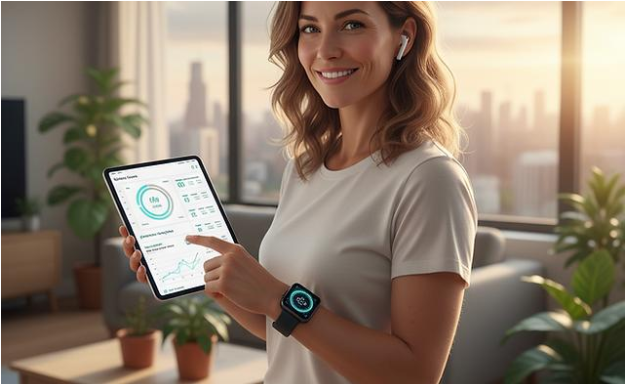
Home fitness platforms, wearable technology, wellness applications, remote coaching, and personalized digital services all reflect this trend. Instead of viewing wellness as something reserved for occasional appointments or weekends, people can incorporate aspects of it into everyday life.
This integration may ultimately be more valuable than convenience alone. When healthy behaviors are easier to maintain within an existing routine, consumers face fewer practical barriers to remaining engaged with their wellbeing.
Premium Experiences Are Increasingly Frictionless
Luxury businesses have long understood the importance of eliminating inconvenience. Concierge services, personal assistants, priority access, and home delivery are valuable partly because they reduce the effort required from the customer. Healthcare and wellness are beginning to reflect similar expectations.
An online pharmacy, for instance, fits within a wider ecosystem of digital services designed to reduce unnecessary steps in routine tasks. Similarly, concierge healthcare, remote monitoring, and personalized wellness platforms appeal partly because they can make accessing support more straightforward.
Yet a premium healthcare experience cannot be defined by speed alone. Privacy, professional oversight, security, reliability, and clear communication remain essential. Saving time only has value when the underlying service remains trustworthy.
Technology Is Creating a More Personalized Experience
The next stage of healthcare convenience is likely to involve personalization as well as speed. Digital health platforms can help individuals organize appointments, access records, monitor certain health indicators, and communicate with healthcare professionals through more connected systems.
Wearable devices and health applications are also giving consumers greater visibility into aspects of their everyday routines. As technology develops, artificial intelligence may further streamline administrative processes and help digital services deliver information that is more relevant to individual circumstances.
Personalization could ultimately redefine what consumers consider luxurious. Instead of simply receiving faster service, people may increasingly expect healthcare experiences that understand their preferences, reduce repetitive tasks, and adapt more effectively to their lives.
The New Luxury Is Having More Control Over Time
Time-saving healthcare is part of a much larger economic trend. Consumers are increasingly evaluating services according to how much effort, travel, administration, and waiting they remove from daily life.
For healthcare providers and wellness companies, this creates an opportunity to rethink the customer experience. The organizations that simplify routine interactions while maintaining high standards of care can provide value that extends beyond the service itself.
The future of luxury healthcare may therefore be less about lavish surroundings and more about control. Accessing appropriate care efficiently, managing routine health needs without unnecessary disruption, and preserving more hours for the things that matter can feel increasingly valuable. In a world where almost everything competes for attention, having more control over one’s time may be one of the most desirable luxuries of all.