
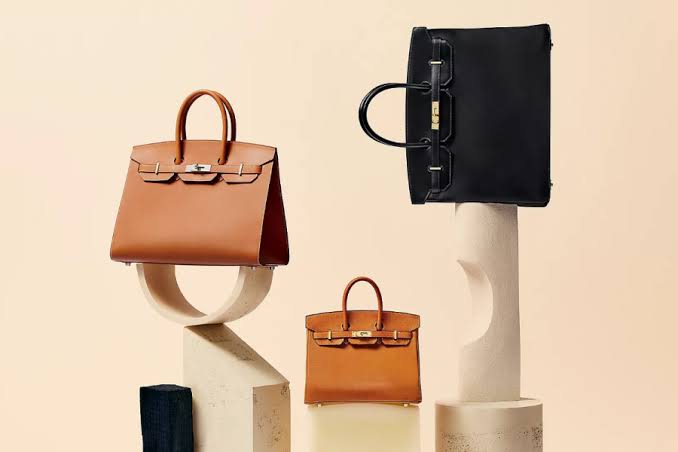
If you’ve ever priced a Birkin or Kelly bag and wondered “why is Hermes so expensive,” you’re far from the only one. A single bag can cost more than a car, yet waitlists still stretch for years.
The answer isn’t just clever marketing. It’s a mix of artisan craftsmanship, rare materials, deliberate scarcity, and nearly two centuries of brand heritage working together.
In this guide, you’ll learn exactly what drives Hermès prices so high, how the brand keeps its exclusivity, and whether that price tag is actually justified.
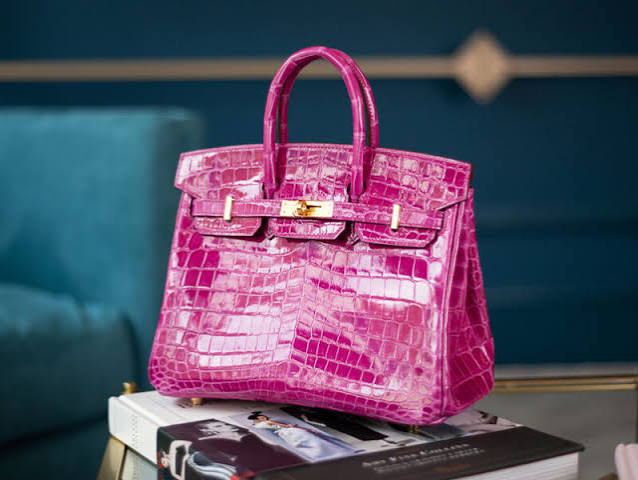
Hermès prices are high because every bag is handcrafted by a single artisan using rare, carefully sourced leathers, and the brand deliberately limits production to preserve exclusivity.
Add in nearly 190 years of heritage, minimal advertising, and strong resale value, and you get a brand that behaves more like an investment asset than a typical fashion label.
Hermès’ own artistic director has drawn a distinction between “expensive” and “costly.” Costly means the price reflects real quality and craftsmanship, while expensive implies you’re overpaying for something that doesn’t deliver.
That philosophy shapes how Hermès prices everything it makes, from scarves to saddles to handbags.
A Birkin or Kelly bag is typically stitched from start to finish by one craftsperson, often taking 12 to 18 hours of skilled labor. This single-artisan approach ensures consistency but naturally limits how many bags can ever be produced.
Hermès uses premium materials like Togo leather, Box Calf, Epsom, Clemence, ostrich, and crocodile. Exotic skins are sourced from the brand’s own farms to control quality and meet ethical sourcing standards.
Hermès deliberately limits how many Birkins and Kellys are made each year. There’s no official waitlist you can simply join, which makes access itself part of the product’s value.
Founded in 1837 as a saddle and harness maker, Hermès has built a legacy most brands can’t replicate overnight. Owning a piece connects buyers to that long history of craftsmanship.
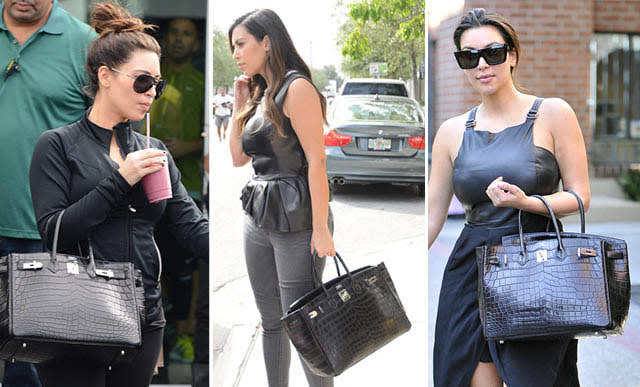
Unlike many luxury brands, Hermès rarely relies on paid celebrity campaigns. Instead, organic endorsement from high-profile clients quietly reinforces exclusivity without heavy ad spend.
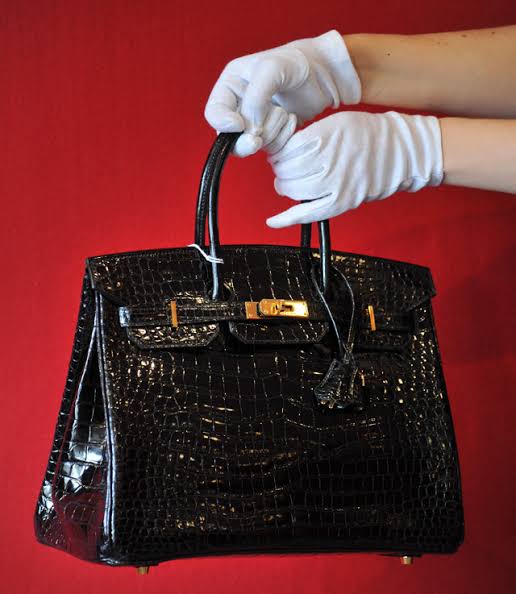
Locks, buckles, and clasps on Hermès bags are typically plated with palladium or gold rather than standard steel. Some customized pieces even feature diamond detailing, adding significantly to production cost.
Every leather skin is inspected for texture, color, and durability before it’s approved for use. Hermès rejects materials that don’t meet its standards, which reduces waste but raises the cost per finished item.
Unlike trend-driven fashion pieces, Hermès bags are engineered for longevity. Many decades-old bags still look and function beautifully, making them practical long-term purchases despite the high upfront cost.
Certain Hermès bags, especially Birkins and Kellys, often hold or increase their value on the resale market. This turns a handbag purchase into something closer to a collectible asset.
Owning a Hermès piece signals more than wealth. It reflects taste, patience, and access, since money alone doesn’t guarantee you can buy one.
| Factor | How It Affects Price |
|---|---|
| Artisan labor | 12–18 hours of handwork per bag increases production cost |
| Material sourcing | Exotic leathers and precious hardware raise input costs |
| Scarcity | Limited production keeps demand higher than supply |
| Heritage | Nearly 190-year legacy adds brand equity |
| Resale value | Strong secondary market reinforces perceived worth |
| Feature | Hermès | Typical Luxury Brand |
|---|---|---|
| Production method | Single artisan per bag | Often assembly-line or multi-worker |
| Availability | Deliberately restricted | Generally available in-store |
| Advertising strategy | Minimal celebrity ads | Heavy campaign-driven marketing |
| Resale value | Frequently holds or gains value | Often depreciates over time |
For collectors and long-term buyers, many argue yes, since the craftsmanship, materials, and resale value genuinely support the cost. For casual shoppers, the price can feel disconnected from practical use.
Ultimately, the value comes down to whether you’re paying for a handbag or investing in a piece of luxury heritage.
A Birkin requires 12 to 18 hours of handwork by a single artisan and uses premium leathers, which drives up both labor and material costs.
Entry-level Hermès bags typically start around a few thousand dollars, while exotic-skin Birkins and Kellys can reach well into six figures.
Hermès intentionally limits Birkin availability, and access is often only offered to established clients rather than through an open waitlist.
Hermès is generally considered pricier at the high end due to its artisan production model and stricter scarcity compared to other luxury houses.
Certain models, especially rare Birkins and Kellys, have historically held or increased in resale value, though this isn’t guaranteed for every piece.
Premium leathers like Togo and Epsom, plus exotic skins such as crocodile and ostrich, significantly increase production costs.
Precious metal hardware improves durability and finish quality, and it reflects the brand’s refusal to cut costs anywhere in production.
Hermès bags are largely handmade, with a single artisan typically responsible for stitching and assembling each piece from start to finish.
Discounting would undermine the brand’s exclusivity and resale value, so Hermès avoids traditional sales and markdowns.
Hermès was founded in 1837 as a Parisian harness and saddle workshop before expanding into leather goods and fashion.
Hermès relies more on organic celebrity association than paid endorsements, which reduces marketing costs but still boosts desirability.
Limited annual production combined with high global demand naturally creates waitlists, even for well-established clients.
Quality plays a major role, but scarcity, heritage, and status also significantly influence the final price.
Rare exotic-skin Birkins, including diamond-encrusted versions, have sold for several hundred thousand dollars at auction.
Yes, preloved Hermès pieces often offer authentic craftsmanship at a lower entry cost while bypassing long waitlists.
Rising material costs, skilled labor demand, and sustained global demand all contribute to regular price increases.
Hermès operates its own farms for exotic skins to maintain quality control and meet ethical sourcing standards.
No, access often depends on purchase history and relationship with Hermès rather than simply having enough money.
Consistent demand and strong resale value have led some buyers and analysts to treat certain Hermès bags like appreciating assets.
Many consider Hermès the pinnacle of luxury handbags due to its craftsmanship, scarcity, and resale performance compared to peers.
So, why is Hermès so expensive? It comes down to genuine artisan craftsmanship, rare materials, deliberate scarcity, and a heritage that dates back to 1837.
Unlike many luxury brands that rely heavily on marketing, Hermès backs its price tag with real production quality and long-term value. Whether that’s worth it depends on whether you see it as a fashion purchase or a lasting investment.