

Yellow boogers are one of the most common things people Google “Why Are My Boogers Yellow” after blowing their nose — and in almost every case, the answer is reassuring.
Yellow boogers form when white blood cells rush to your nasal passages to fight off a virus, bacteria, or irritant, and their leftover cells tint your mucus yellow as it dries. It’s a sign your immune system is working, not a disease on its own.
Yellow boogers happen when dead white blood cells (mostly neutrophils) mix with dried nasal mucus during a cold, sinus infection, or allergy flare-up. The color itself doesn’t tell you whether the cause is viral or bacterial — duration and other symptoms matter more than color alone, according to Mayo Clinic.

Boogers are simply dried nasal mucus, or snot. Your nose and sinuses produce roughly a quart or more of mucus every day. Most of it you never notice because it drains down your throat and gets swallowed. Mucus exists to:
When mucus dries out — especially the portion that gets trapped near the front of the nasal passage — it hardens into what we call a booger. As it dries, whatever was mixed into that mucus (immune cells, debris, blood, pollen) becomes more concentrated and more visible, which is why color changes show up more clearly in boogers than in fresh, watery snot.
When a virus, bacterial infection, or allergen irritates your nasal passages, your immune system sends neutrophils (a type of white blood cell) to the area to attack the invader. As neutrophils do their job and die off, they release an enzyme that has a pale yellow-green tint. Mixed into your mucus, this turns clear snot into yellow snot.
| Cause | What’s Happening | Typical Duration |
|---|---|---|
| Common cold (viral) | Immune response ramps up as your body fights the virus | 7–10 days |
| Acute sinusitis | Swollen sinus passages trap mucus, allowing bacteria or viruses to multiply | Up to 4 weeks |
| Chronic sinusitis | Long-term inflammation that hasn’t resolved | 12+ weeks |
| Allergies | Allergies usually cause clear mucus, but a secondary infection can turn it yellow | Varies with exposure |
| Bronchitis | Inflammation of the airways can also change mucus color coughed up from the lungs | 1–3 weeks |
| Dry air / dehydration | Thicker, stagnant mucus can look darker and more yellow even without infection | Short-term |
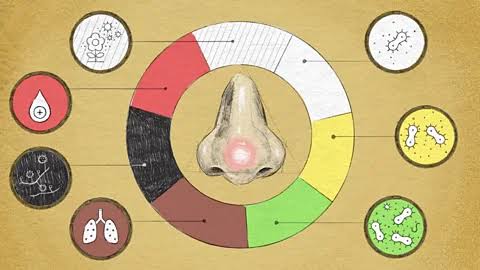
A common myth is that yellow or green mucus automatically means you need antibiotics. According to Mayo Clinic physicians, purulent (yellow or green) nasal discharge is not a reliable indicator of a bacterial infection — both viral and bacterial upper respiratory infections can cause the same color change. What matters more is how long the symptoms last and how severe they are, not the color by itself.
That said, some research does show a correlation: one cited analysis found that a majority of dark yellow or greenish sputum samples tested positive for bacteria, compared to a small minority of lighter-colored samples. Color is a clue, not a diagnosis.
| Color | Likely Meaning |
|---|---|
| Clear | Healthy baseline; normal hydration and filtering function |
| White / cloudy | Early cold symptoms or nasal congestion slowing mucus flow |
| Yellow | Immune system actively fighting a virus, bacteria, or allergen |
| Green | Infection has been active longer; more concentrated white blood cell activity |
| Brown | Trapped dirt, dust, smoke exposure, or old dried blood |
| Red / pink | Fresh blood, often from dry nasal tissue or minor irritation |
| Black | Can indicate heavy pollutant exposure, smoking, or in rare cases a serious fungal infection — needs prompt evaluation |
Key takeaway: color trends from clear → white → yellow → green often just track a cold running its normal course, especially over the first week to ten days.
For most viral infections, yellow mucus resolves within 7 to 10 days without any treatment. It’s completely normal for mucus to shift color multiple times during a single cold as your immune response ramps up and then tapers off.
Yellow mucus that persists beyond 10–14 days, especially if it’s paired with facial pain or pressure, is more likely to indicate a sinus infection (sinusitis) that may benefit from medical evaluation.

Occasional yellow boogers during a cold are rarely worth worrying about. Pay closer attention if you notice any of the following alongside the color change:
If symptoms have lasted 12 weeks or longer, that pattern points toward chronic sinusitis, which typically needs a healthcare provider’s evaluation rather than home care alone.
Most cases clear up on their own, but these steps can speed up drainage and comfort:
Over-the-counter decongestants and pain relievers can ease symptoms, but they don’t shorten how long a viral infection lasts. Antibiotics only help if a bacterial infection is confirmed — they won’t do anything for a virus.

Yellow mucus isn’t a specific marker for COVID-19. COVID can cause congestion and discharge like other respiratory viruses, but testing is the only reliable way to confirm it.
The color itself isn’t contagious, but if the underlying cause is a viral infection like a cold or flu, that virus can spread to others through droplets and contact.
Mild immune activity, dry air, or the tail end of a cold can all cause yellow mucus without other noticeable symptoms. It’s usually not a concern if you otherwise feel fine.
Allergies typically produce clear mucus, but ongoing irritation can sometimes lead to a secondary infection that turns mucus yellow.
Mucus that pools overnight has more time to concentrate white blood cells and dry out, which can make morning boogers look darker or more yellow than mucus later in the day.
Not automatically. Most yellow mucus is viral and clears up on its own. Antibiotics are only appropriate for a confirmed bacterial infection, typically one lasting beyond 10 days or worsening after initial improvement.
Both come from the same white blood cell process. Green often reflects a longer or more intense immune response, but neither color alone confirms severity.
Yes. Smoke particles and tar can stain mucus brown or yellow-brown, separate from any infection.
Occasional yellow mucus in kids is common with colds. See a pediatrician if it lasts more than 10–14 days, comes with a high fever, or is accompanied by ear pain or trouble breathing.
Yes, mild dehydration can thicken and darken mucus even without an infection, since there’s less water to keep it thin and clear.