
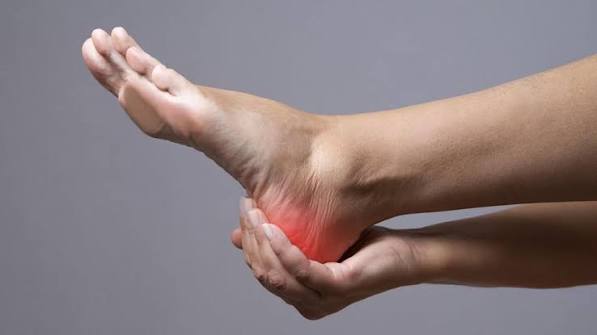
Why Does the Heel of My Foot Hurt? Quick answer: The most common cause of heel pain is plantar fasciitis, inflammation of the band of tissue that runs along the bottom of your foot. That first step out of bed shouldn’t feel like stepping on a nail.
If it does, you’re far from alone — heel pain is one of the most common reasons people see a foot specialist. Other causes include heel spurs, Achilles tendinitis, bursitis, stress fractures, and nerve compression. Below, you’ll learn how to tell these apart, what actually helps, and when it’s time to call a doctor.
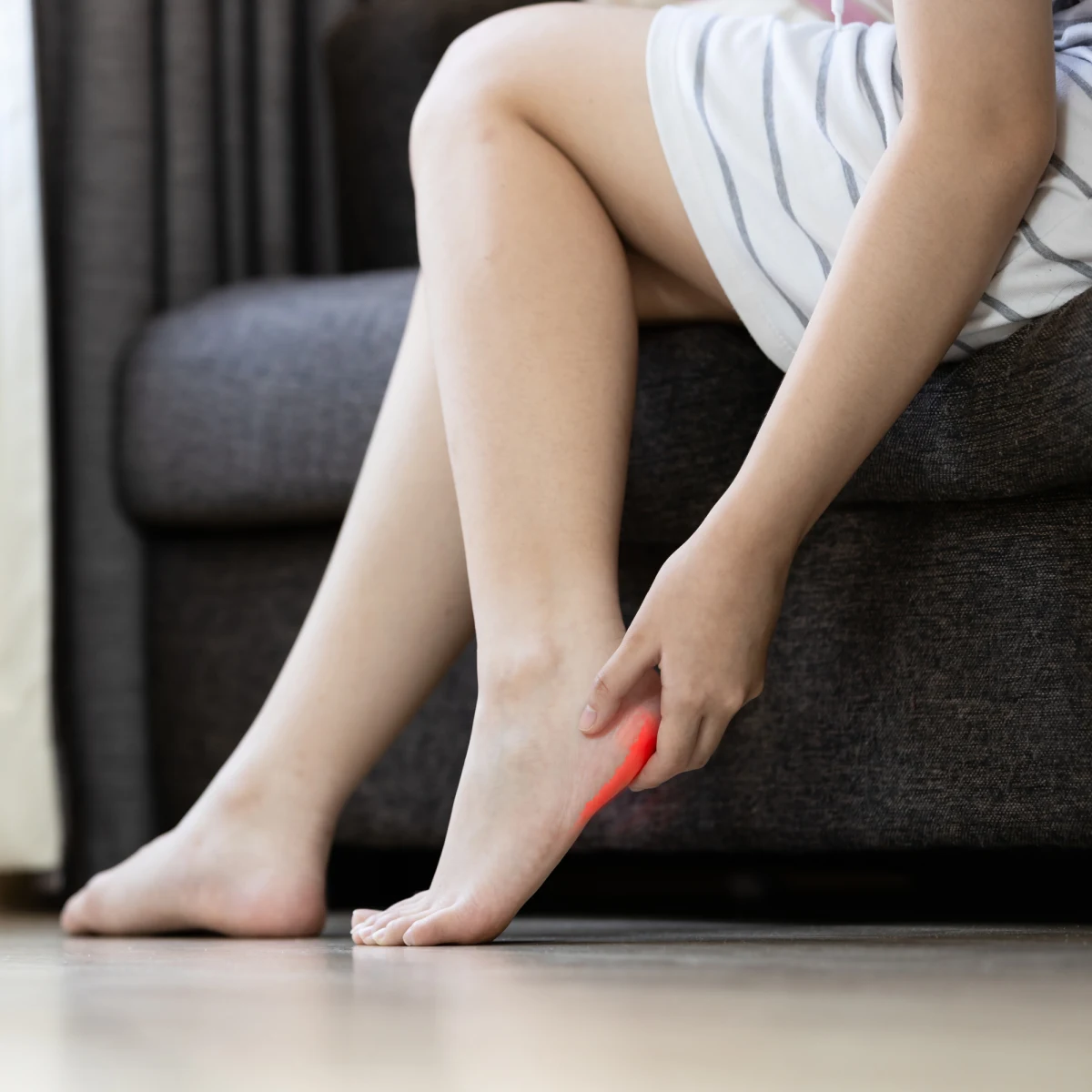
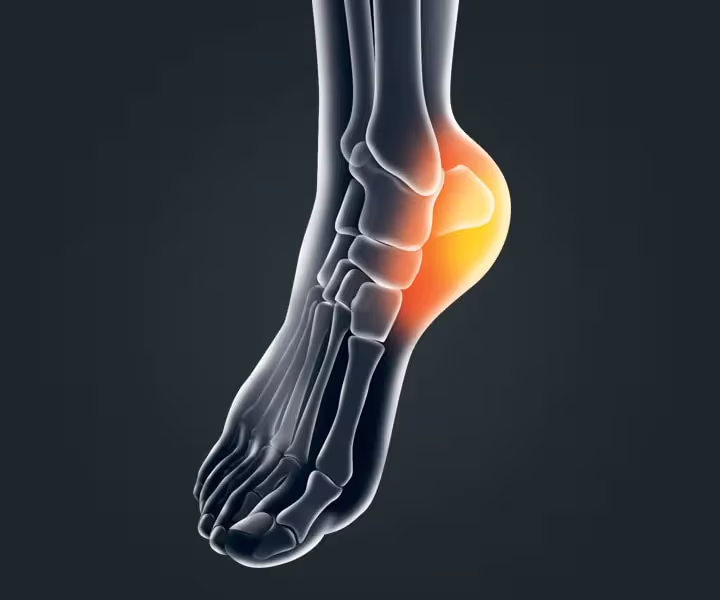
Your heel takes the brunt of every step you take. It’s built around the calcaneus, the largest bone in your foot, and it’s anchored by two major structures:
A cushioning layer of fat sits underneath the heel bone to absorb shock, and a network of nerves, including the tibial nerve, runs through the area. Most heel pain comes down to one of these structures being overworked, inflamed, or injured.
Plantar fasciitis happens when the plantar fascia is stretched or strained repeatedly, causing small tears and inflammation. It’s the top cause of heel pain in adults, especially runners, people who stand for long shifts, and those with flat feet or high arches.
Typical signs:
A heel spur is a calcium deposit that forms on the underside of the heel bone, often alongside long-standing plantar fasciitis. Spurs themselves are usually painless — the pain typically comes from the surrounding inflamed tissue, not the bony growth.
This is inflammation of the Achilles tendon, usually from overuse, a sudden increase in activity, or unsupportive shoes. Unlike plantar fasciitis, the pain sits at the back of the heel, right where the tendon attaches to the bone, and it often worsens with pushing off during walking or running.
Bursae are small fluid-filled sacs that cushion your joints. When the bursa at the back of the heel becomes inflamed, it causes tenderness and swelling, often worse after a long day on your feet.
Tiny cracks in the heel bone from repetitive impact — common in runners and people with lower bone density. Unlike plantar fasciitis, stress fracture pain tends to be constant, worsens with activity, and doesn’t ease up once you’re moving.
The natural cushioning under your heel thins with age or years of high-impact activity, leaving less shock absorption. This causes a deep, bruise-like ache, especially when walking on hard surfaces.
Compression of the tibial nerve as it passes through the ankle can cause burning, tingling, or shooting pain that radiates into the heel or arch. It’s frequently mistaken for plantar fasciitis but needs a different treatment approach.
A misstep, fall, or hard landing can bruise the heel bone or strain the surrounding ligaments, causing sudden, localized pain and sometimes swelling.
Less commonly, heel pain is a symptom of an inflammatory condition such as reactive arthritis or ankylosing spondylitis, especially if pain appears in both heels along with joint stiffness elsewhere in the body.
In growing children and adolescents, heel pain is often caused by irritation of the growth plate at the back of the heel — common in active kids during growth spurts, and it typically resolves as the growth plate matures.
| Where It Hurts | When It Hurts | Likely Cause |
|---|---|---|
| Bottom of the heel | First steps in the morning | Plantar fasciitis |
| Bottom of the heel | Constant, worsens with activity | Stress fracture or heel spur |
| Back of the heel | During push-off when walking/running | Achilles tendinitis |
| Back of the heel | After long periods of standing | Heel bursitis |
| Burning/tingling into the arch | Random, not tied to activity | Tarsal tunnel syndrome |
| Deep, bruise-like ache | Walking on hard surfaces | Fat pad atrophy |
| Both heels + other joint pain | Ongoing, with stiffness | Inflammatory arthritis (systemic) |
| Condition | Pain Location | Typical Trigger | First-Line Treatment |
|---|---|---|---|
| Plantar Fasciitis | Bottom of heel | Overuse, unsupportive shoes, tight calves | Stretching, rest, orthotics |
| Heel Spur | Bottom of heel | Chronic plantar fasciitis | Same as plantar fasciitis; spur rarely needs direct treatment |
| Achilles Tendinitis | Back of heel | Sudden activity increase, tight calf muscles | Rest, calf stretches, activity modification |
Most heel pain responds to home care, but certain symptoms deserve a prompt medical evaluation.
A podiatrist or doctor typically starts with a physical exam, pressing along the heel and foot to pinpoint the tender area, and checking your gait and flexibility. If a fracture, bone spur, or systemic condition is suspected, they may order an X-ray, ultrasound, or MRI. Nerve-related symptoms may call for a nerve conduction study.
If home care doesn’t bring relief after several weeks, a doctor may recommend:
Walking loads the plantar fascia and Achilles tendon with every step, so overuse or inflammation in either structure commonly causes pain that’s noticeable during walking.
The plantar fascia tightens overnight, so the first steps after waking stretch it suddenly — a hallmark sign of plantar fasciitis.
Pain at the back of the heel usually points to Achilles tendinitis or bursitis rather than plantar fasciitis, which affects the bottom of the heel.
Plantar fasciitis and fat pad atrophy often cause pain without visible swelling, since the irritation is deep in the connective tissue rather than the skin surface.
One-sided heel pain is usually mechanical — from overuse, footwear, or an old injury — rather than a systemic condition, which more often affects both heels.
Plantar fasciitis is the most frequent cause of heel pain in adults.
A sharp, stabbing pain on the bottom of the heel that’s worst with the first steps in the morning and eases somewhat with movement.
Heel spurs are usually only detectable on an X-ray; the symptoms feel similar to plantar fasciitis, so a doctor’s evaluation is the only reliable way to confirm one.
Plantar fasciitis is inflammation of soft tissue; a heel spur is a bony growth that often develops alongside it. Treatment for both is usually the same.
Plantar fasciitis affects the bottom of the heel, while Achilles tendinitis affects the back of the heel where the Achilles tendon attaches.
It can be, particularly if both heels hurt along with stiffness in other joints, but most heel pain is mechanical, not arthritic.
Yes — unsupportive or worn-out shoes are a common contributing factor to plantar fasciitis and Achilles tendinitis.
Extra body weight increases pressure on the plantar fascia and heel fat pad, which is a recognized risk factor for heel pain.
Many people improve within a few months of consistent stretching, rest, and supportive footwear, though some cases take longer.
Mild heel pain sometimes improves with rest alone, but ongoing pain usually responds faster with active stretching and supportive shoes.
See a doctor if pain is severe, follows an injury, includes numbness or swelling, or hasn’t improved after several weeks of home care.
Yes — constant pain that worsens with activity and doesn’t ease with movement can indicate a stress fracture, especially in runners.
Yes, tarsal tunnel syndrome involves compression of the tibial nerve and can cause burning or tingling pain that mimics plantar fasciitis.
Shoes with firm arch support, a cushioned heel, and a stable sole are generally recommended over flat or minimalist footwear during a flare-up.
For many people, arch-support insoles or custom orthotics reduce strain on the plantar fascia and ease symptoms, especially combined with stretching.
Yes — Sever’s disease, irritation of the heel’s growth plate, is a common cause of heel pain in active children and teens.
Heel pain almost always has an identifiable cause, and in the vast majority of cases, it responds well to simple, consistent care — rest, stretching, and supportive shoes. Pay attention to where the pain sits and when it’s worst, since those details are the biggest clues to what’s going on.
If your pain is severe, spreading, or sticking around for more than a few weeks despite home care, it’s worth having a podiatrist or doctor take a closer look so you can get back to moving comfortably.