

Why does my burp taste like eggs? It usually means your body is producing hydrogen sulfide gas somewhere in your digestive tract. This gas has a strong rotten-egg smell and taste, and it forms when gut bacteria break down sulfur-rich foods like eggs, meat, dairy, or cruciferous vegetables.
Most of the time, egg-tasting burps are harmless and linked to diet. But if they happen often, they can point to a digestive issue like GERD, IBS, or bacterial overgrowth.
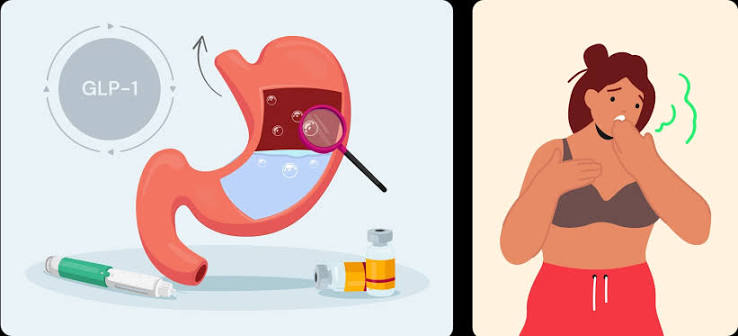
Sulfur burps are burps that carry a strong smell and taste similar to rotten eggs.
They happen when hydrogen sulfide gas mixes with the air trapped in your digestive system.
Unlike regular burps, which are mostly odorless, sulfur burps have a distinct, unpleasant flavor that lingers.
They are common and usually not a medical emergency on their own.
Your gut is full of bacteria that help break down food.
When these bacteria digest sulfur-containing compounds, they release hydrogen sulfide gas as a byproduct.
This gas travels back up through the esophagus during a burp, giving it that classic “bad egg” taste and smell.
The more sulfur-rich food you eat, the more likely you are to notice this taste.
There are several reasons your burps might taste like eggs. Some are dietary, others are behavioral, and some are linked to underlying health conditions.
| Cause | Why It Happens |
|---|---|
| High-sulfur diet | Foods rich in protein and sulfur compounds increase hydrogen sulfide production |
| Eating too fast | Swallowing excess air speeds up fermentation and gas buildup |
| Carbonated drinks | Added gas increases burping frequency |
| GERD (acid reflux) | Stomach contents and gases move back up the esophagus |
| IBS | Irregular gut motility traps gas longer, allowing more sulfur buildup |
| H. pylori infection | Bacterial imbalance increases gas production |
| SIBO (bacterial overgrowth) | Excess bacteria in the small intestine ferment food abnormally |
| Certain medications | Some drugs slow digestion, allowing gas to build up |
Diet is the most common and easiest-to-fix cause of egg-tasting burps.
Below is a quick reference table of foods known to trigger sulfur burps.
| Food Category | Examples |
|---|---|
| Protein-rich foods | Eggs, red meat, chicken, fish |
| Legumes | Black beans, kidney beans, lentils, chickpeas |
| Cruciferous vegetables | Broccoli, cauliflower, cabbage, brussels sprouts |
| Dairy | Whole milk, cheese, yogurt |
| Allium vegetables | Garlic, onions, leeks |
| Sweeteners | Aspartame and other artificial sweeteners |
| Beverages | Beer, soda, sparkling water |
Cutting back on a few of these at a time can help you identify your personal trigger foods.
If sulfur burps happen more than a few times a week, an underlying condition could be involved.
| Condition | How It’s Connected |
|---|---|
| GERD | Acid reflux allows gas and stomach contents to travel upward more easily |
| IBS | Slower or irregular digestion increases fermentation and gas |
| H. pylori infection | This bacteria disrupts normal stomach function and gas balance |
| SIBO | Bacterial overgrowth in the small intestine causes excess fermentation |
| Food intolerances | Lactose or fructose intolerance can trigger excess sulfur gas |
| Chronic constipation | Slower transit time gives bacteria more time to produce gas |
None of these conditions are diagnosed by burping alone, so other symptoms matter too.
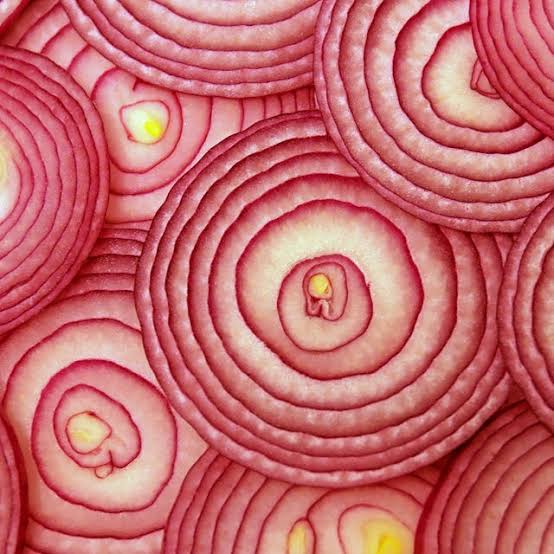
GLP-1 medications like Ozempic and Wegovy slow down stomach emptying.
This means food, including sulfur-rich proteins, stays in the stomach longer than usual.
The longer sulfur-rich food sits in your gut, the more hydrogen sulfide gas it can produce.
This is why many people on weight-loss medications report sulfur burps as a new symptom.
In most cases, sulfur burps are not dangerous and simply reflect what you ate.
Occasional sulfur burps after a big protein-heavy meal are completely normal.
However, frequent sulfur burps combined with other symptoms may need medical attention.
You should consider seeing a doctor if sulfur burps come with any of the following.
These symptoms could point to an infection, IBS flare, or another digestive issue that needs proper testing.
Most people can reduce or eliminate sulfur burps with simple changes. Below are the most effective approaches, grouped by category.
Start by slowly cutting back on high-sulfur foods like red meat, eggs, and cruciferous vegetables.
Reduce carbonated drinks, since added gas contributes directly to burping frequency.
Avoid artificial sweeteners, which are a lesser-known but common trigger for sulfur burps.
Add more water and fiber gradually to support smoother digestion.
Eat slowly and chew thoroughly to avoid swallowing excess air.
Avoid talking while eating, since this increases air intake.
Eat smaller, more frequent meals instead of large heavy ones.
Avoid lying down immediately after eating to reduce reflux-related burping.
Ginger tea can help soothe digestion and reduce gas buildup.
Peppermint tea is known to relax the digestive tract and ease bloating.
Apple cider vinegar, diluted in water, may support better digestion for some people.
Probiotics can help rebalance gut bacteria, especially if SIBO or dysbiosis is involved.
If sulfur burps are linked to GERD, doctors may recommend antacids or acid reducers.
For H. pylori infections, a course of antibiotics is typically prescribed.
SIBO is usually treated with targeted antibiotics and dietary adjustments.
For medication-related burping, such as with GLP-1 drugs, a doctor may adjust the dose or timing.
| Remedy Type | Best For | Time to See Results |
|---|---|---|
| Diet changes | Diet-triggered sulfur burps | 3-7 days |
| Eating habit changes | Air-swallowing related burps | 1-2 weeks |
| Ginger or peppermint tea | Mild bloating and gas | Same day to a few days |
| Probiotics | Gut bacteria imbalance | 2-4 weeks |
| Medical treatment (H. pylori, SIBO) | Underlying infections | Varies, often 1-2 weeks after treatment starts |
Stay hydrated throughout the day to support healthy digestion.
Manage stress levels, since stress can disrupt gut motility and bacteria balance.
Get regular movement or light exercise after meals to support digestion.
Keep a simple food journal to track which foods trigger your sulfur burps most often.
GERD, or acid reflux disease, happens when stomach acid and gas flow back into the esophagus.
This backward flow can carry hydrogen sulfide gas along with it, producing that familiar egg-like burp.
People with GERD often notice sulfur burps get worse after large meals or lying down too soon after eating.
Treating the underlying reflux with diet changes or medication usually reduces the sulfur burp frequency as well.
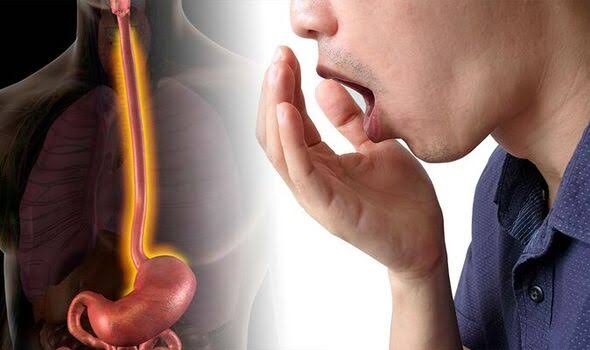
IBS affects how quickly food moves through the digestive tract.
When digestion slows down, bacteria have more time to ferment food and produce hydrogen sulfide gas.
This is why IBS flare-ups are often accompanied by bloating, gas, and sulfur-smelling burps together.
Managing IBS through diet, stress control, and doctor-guided treatment can lower sulfur burp episodes significantly.
H. pylori is a bacterial infection that lives in the stomach lining.
It disrupts normal digestion and can increase gas production, including hydrogen sulfide.
Along with sulfur burps, H. pylori often causes stomach pain, bloating, and nausea.
A simple breath or stool test can confirm this infection, and antibiotics typically clear it up.
SIBO stands for small intestinal bacterial overgrowth, meaning too many bacteria are present where they shouldn’t be.
This overgrowth ferments food abnormally, producing excess gas including hydrogen sulfide.
People with SIBO often report sulfur burps alongside bloating and irregular bowel movements.
Doctors usually treat SIBO with targeted antibiotics and a temporary low-fermentation diet.
Diet remains the single biggest factor behind egg-tasting burps for most people.
Sulfur is naturally present in many healthy foods, so complete avoidance is neither realistic nor necessary.
The goal instead is moderation, especially when eating multiple high-sulfur foods in one sitting.
For example, pairing eggs, cheese, and broccoli in a single meal can intensify sulfur burps noticeably.
Spacing out these foods across different meals often reduces symptoms without cutting them out entirely.
Your gut is home to trillions of bacteria, and their balance affects how much gas you produce.
An imbalance, sometimes called dysbiosis, can increase hydrogen sulfide production even from normal meals.
Factors like antibiotic use, high stress, and poor sleep can all disrupt this balance.
Supporting gut health through fiber, hydration, and probiotics helps restore a healthier bacterial balance over time.
Regular burps happen when swallowed air escapes the esophagus before ever reaching the stomach.
They are usually odorless because the air is just a mix of oxygen, nitrogen, and carbon dioxide.
Sulfur burps happen deeper in the digestive process, after food has started breaking down in the stomach and intestines.
That deeper digestion is what allows hydrogen sulfide gas to form and travel back up with the burp.
Sulfur burps and sulfur-smelling flatulence share the same root cause: hydrogen sulfide gas.
The difference is simply the direction the gas travels through your digestive tract.
If gas moves upward through the esophagus, you get a sulfur burp.
If it moves downward through the intestines, you get sulfur-smelling flatulence instead.
Children can experience sulfur burps too, usually linked to diet or fast eating.
Kids who eat quickly or drink a lot of soda are more prone to gas-related burping.
If a child’s sulfur burps come with stomach pain, diarrhea, or poor appetite, a pediatrician visit is recommended.
Most childhood cases resolve simply by adjusting meals and slowing down eating pace.
If sulfur burps are frequent, a doctor may run a few simple tests to find the cause.
A breath test can detect bacterial overgrowth like SIBO by measuring gas levels.
Blood or stool tests can check for an H. pylori infection.
An endoscopy may be used if GERD or another structural issue is suspected.
These tests help rule out serious causes and guide the right treatment plan.
| Accompanying Symptom | Possible Link |
|---|---|
| Bloating | Diet, IBS, or SIBO |
| Diarrhea | Bacterial infection or food intolerance |
| Stomach pain | GERD, IBS, or H. pylori |
| Nausea | GERD or infection |
| Heartburn | GERD or acid reflux |
| Fatigue | Chronic digestive issues affecting nutrient absorption |
Tracking which symptoms show up alongside sulfur burps can help your doctor narrow down the cause faster.
A consistent daily routine often works better than a single quick fix.
Start each meal by eating slowly and putting your fork down between bites.
Swap one high-sulfur food for a lower-sulfur alternative each week.
Add a short walk after meals to support digestion and reduce gas buildup.
Keep a small notebook or phone note to track meals, symptoms, and burp frequency.
Within two to three weeks, most people notice a clear pattern and improvement.
For most people, sulfur burps can be reduced significantly but not always eliminated completely.
This is because some sulfur intake through diet is normal and even healthy.
The goal is to keep sulfur burps occasional rather than frequent or disruptive.
If they remain frequent despite diet and lifestyle changes, a medical checkup is the next best step.
Sulfur burps are mostly diet-related and respond well to simple changes.
Hydrogen sulfide gas is the direct cause of the egg-like taste and smell.
Frequent sulfur burps with other symptoms deserve medical attention rather than home remedies alone.
Small daily habits, like eating slowly and staying hydrated, make the biggest long-term difference.
Certain drinks can calm digestion and reduce sulfur burp frequency.
Plain water throughout the day helps flush the digestive system and supports regular bowel movements.
Ginger tea is well known for easing bloating and calming an upset stomach.
Peppermint tea can relax digestive muscles and reduce gas buildup after meals.
Avoid soda, sparkling water, and other carbonated drinks, since these add extra gas directly into your stomach.
While some foods trigger sulfur burps, others may help calm digestion instead.
Plain yogurt with live cultures can support a healthier gut bacteria balance.
Bananas are gentle on digestion and low in sulfur compounds.
Cooked, easily digestible vegetables like carrots and zucchini are good lower-sulfur alternatives.
Ginger and fennel, eaten or brewed as tea, are traditional aids for gas and bloating.
| Foods to Limit | Foods to Favor Instead |
|---|---|
| Red meat in large portions | Lean chicken or fish in moderation |
| Broccoli, cauliflower, cabbage | Carrots, zucchini, spinach |
| Whole milk, aged cheese | Plain low-fat yogurt |
| Soda, sparkling water | Still water, herbal tea |
| Garlic and onion heavy dishes | Milder herbs like basil or parsley |
This simple swap approach makes it easier to stick with changes long term without feeling overly restricted.
While rare, certain situations require urgent medical care rather than home treatment.
Seek immediate care if sulfur burps come with severe abdominal pain or a rigid, hard stomach.
Seek care if you notice vomiting blood or black, tarry stools.
Seek care if symptoms are paired with a high fever or signs of dehydration.
These combinations are uncommon but should never be ignored or self-treated.
Protein-rich foods contain sulfur compounds that gut bacteria break down into hydrogen sulfide gas. This gas causes the egg-like taste and smell.
Usually not. Occasional sulfur burps are normal, but frequent ones combined with other symptoms may need medical evaluation.
Yes. Stress can slow digestion and disrupt gut bacteria, which can increase sulfur gas production and burping.
GLP-1 medications slow stomach emptying, so sulfur-rich food stays longer and produces more hydrogen sulfide gas.
Diet-related sulfur burps typically clear up within a few days of avoiding trigger foods.
Yes. Staying hydrated supports digestion and can reduce gas buildup and burping frequency.
Daily sulfur burps are not typical and may suggest a dietary pattern or digestive issue worth addressing.
Probiotics may help rebalance gut bacteria, especially if bacterial overgrowth is contributing to the sulfur smell.
Limit eggs, red meat, dairy, beans, cruciferous vegetables, and carbonated drinks to reduce sulfur burp frequency.
See a doctor if burps occur more than three times weekly or come with pain, diarrhea, or weight loss.
Burps that taste like eggs are almost always caused by hydrogen sulfide gas, produced when gut bacteria break down sulfur-rich foods like eggs, meat, dairy, and cruciferous vegetables. In most cases, this is a harmless, diet-related issue that clears up with simple changes like eating slower, avoiding trigger foods, and staying hydrated.
However, frequent sulfur burps paired with pain, diarrhea, or unexplained weight loss may point to conditions like GERD, IBS, H. pylori, or SIBO, and those cases deserve medical attention. GLP-1 medications like Ozempic can also be a trigger due to slower digestion.
By tracking your diet, adjusting eating habits, and trying natural remedies like ginger tea or probiotics, most people can reduce or eliminate egg-tasting burps within days to a few weeks, restoring normal, odor-free digestion.