
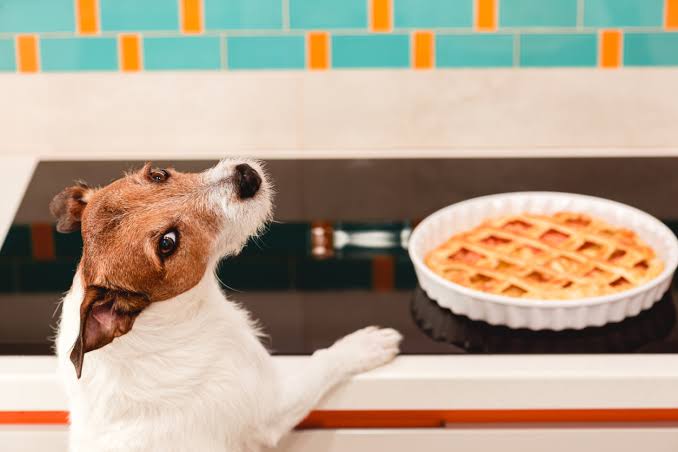
Why is my dog not drinking water but eating is one of the most common questions pet owners search when they notice a change in their dog’s habits.
It can feel confusing when your dog happily finishes a meal but completely ignores the water bowl. In most cases, this isn’t an emergency, but it’s still worth understanding.
Diet, dental pain, weather, stress, and underlying illness can all play a role.
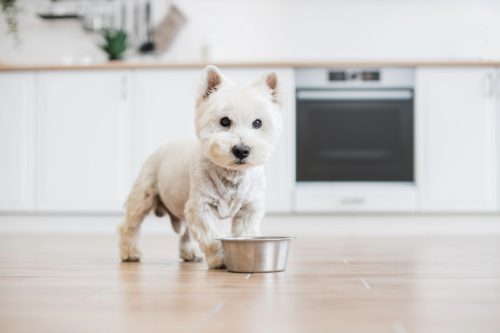
If your dog is eating but not drinking water, it usually means one of two things. Either their food is providing enough moisture, or something is making the water bowl less appealing.
Wet food contains far more moisture than kibble, so dogs on canned diets often drink less by nature. This alone can explain the behavior in many healthy dogs.
However, if this is a sudden change from a dog who normally drinks a lot, it deserves closer attention. Pain, nausea, and organ issues can also reduce thirst while appetite stays normal.
This behavior shows up across all ages and breeds, and it doesn’t always point to something serious. Understanding your dog’s diet, routine, and recent environment changes usually explains most of what’s happening.
Yes, in many cases it is completely normal. Dogs get a portion of their daily hydration from food, especially if they eat canned or raw diets.
A dog on wet food can get 65 to 75 percent of their water needs directly from meals. This naturally lowers how much they need to drink from a bowl.
Kibble-fed dogs, on the other hand, rely almost entirely on drinking water since dry food contains less than 10 percent moisture.
So before worrying, think about what your dog eats daily. A wet-food dog skipping the bowl is far less concerning than a kibble-fed dog suddenly avoiding water.
There isn’t just one cause behind this behavior. Vets usually group the reasons into diet-related, behavioral, environmental, and medical categories.
Below are the most frequent explanations pet parents encounter, based on veterinary sources and real case observations.
Canned or wet food naturally reduces the need to drink. If your dog recently switched from dry to wet food, lower water intake is expected.
This is one of the most common and least concerning reasons for the behavior.
Sore gums, loose teeth, or infections can make drinking uncomfortable, especially with cold water.
Eating may still feel manageable if the food is soft, but sipping water can sting an inflamed mouth.
Some dogs feel slightly queasy but can still tolerate food, especially bland or favorite meals, while water feels unappealing.
This is often temporary and resolves within a day or two on its own.
New guests, travel, boarding, or loud noises like thunderstorms can make dogs anxious enough to avoid the water bowl temporarily.
Appetite may stay intact because eating is a comforting, routine behavior.
Dogs are sensitive to smell and taste. A dirty bowl, stagnant water, or a switch between tap and filtered water can turn them away.
Placement of the bowl also matters if it feels exposed or unsafe to your dog.
Dogs naturally drink less during colder months or when they are less active, similar to how humans feel less thirsty in winter.
This is usually temporary and tied to the season rather than illness.
Older dogs with joint pain may avoid walking to the water bowl if it’s far away or requires effort to reach.
Mobility issues, not thirst, can be the real reason behind the change.
Certain medications can alter thirst signals or cause mild nausea that suppresses the urge to drink.
If your dog recently started a new prescription, ask your vet whether reduced thirst is a known side effect.
Some kidney and urinary conditions can interfere with normal thirst cues, even while appetite remains unaffected for a while.
These cases usually come with other symptoms like changes in urination frequency or color.
An infection can cause a temporary drop in thirst while your dog still wants to eat, particularly comfort foods.
Watch for other signs like warm ears, lethargy, or shivering.
| Cause | Likely Concern Level | Typical Duration |
|---|---|---|
| Wet or canned food diet | Low | Ongoing, normal |
| Dirty or unfamiliar bowl | Low | Resolves once fixed |
| Cooler weather, low activity | Low | Seasonal |
| Mild stress or anxiety | Low to Moderate | 1 to 2 days |
| Mild nausea | Moderate | 1 to 2 days |
| Dental pain | Moderate | Until treated |
| Arthritis or mobility issues | Moderate | Ongoing, manageable |
| Medication side effects | Moderate | Depends on medication |
| Kidney or urinary issues | High | Needs vet evaluation |
| Fever or infection | High | Needs vet evaluation |
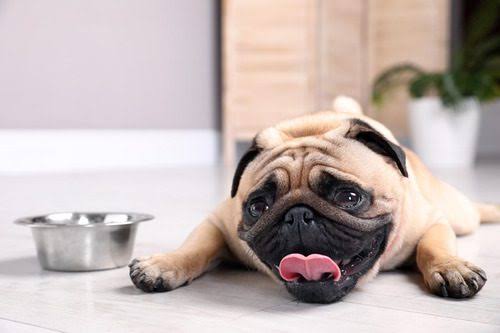
If your dog is eating well, playing, and behaving normally but just isn’t drinking much, this is usually a low-concern situation.
Many dogs go through phases of drinking less, especially on wet food diets or during cooler weather.
Still, it helps to offer fresh water in a clean bowl and monitor for a couple of days. Normal energy and appetite are reassuring signs.
If the pattern continues for more than 48 hours, a quick check-in with your vet is a smart precaution.
Normal urination is actually a good sign. It suggests your dog’s kidneys are functioning and they aren’t severely dehydrated yet.
However, don’t ignore the situation completely, since some early-stage conditions can still allow normal urination for a while.
Keep an eye on urine color and frequency over the next day or two as an easy home indicator.
Dark yellow or very infrequent urination combined with low water intake is a stronger signal to seek veterinary advice.
Since dogs can’t tell us how they feel, it’s important to know the physical signs of dehydration to catch problems early.
Mild dehydration can often be managed at home, but moderate to severe cases need prompt veterinary care.
Gently pull up the skin between your dog’s shoulder blades. If it snaps back quickly, hydration is likely fine. Slow return can mean dehydration.
Healthy gums are moist and pink. Dry, tacky, or pale gums can indicate your dog needs fluids soon.
Lethargy, weakness, or disinterest in normal activities alongside low water intake is a stronger warning sign than thirst changes alone.
| Severity | Signs | Recommended Action |
|---|---|---|
| Mild | Slightly dry gums, normal energy | Monitor, offer water often |
| Moderate | Tacky gums, mild lethargy, less urination | Call your vet same day |
| Severe | Sunken eyes, skin stays tented, weakness | Emergency vet visit |
Puppies have higher hydration needs relative to their size, so reduced drinking should be noticed quickly.
Common reasons include recently switching to a new water source, teething discomfort, or simple distraction from playtime.
If a puppy skips water for more than half a day and seems tired or less playful, contact your vet, since puppies dehydrate faster than adult dogs.
Senior dogs may drink less due to reduced mobility, arthritis, or a declining sense of smell that makes water seem less appealing.
Age-related conditions like kidney disease are also more common in older dogs, so changes in thirst deserve closer monitoring.
Placing extra water bowls near your senior dog’s favorite resting spots can make a noticeable difference.
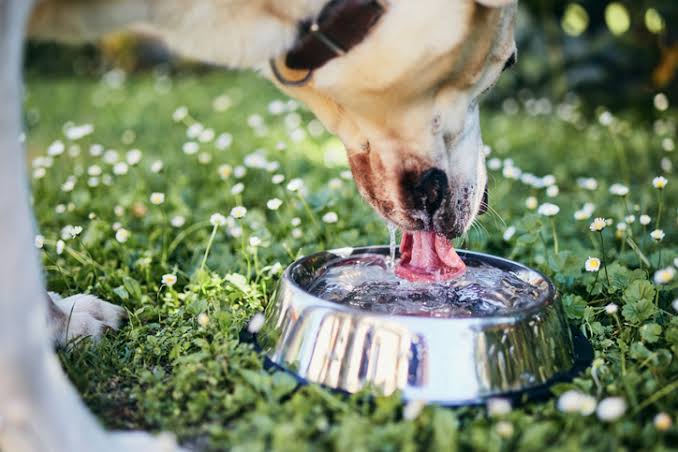
Most healthy dogs can go about 24 hours without drinking without major issues, especially if eating wet food.
Going beyond 48 to 72 hours without adequate hydration becomes an emergency and requires immediate veterinary attention.
The exact safe window depends on your dog’s diet, activity level, weather, and overall health condition.
| Dog Weight | Approx. Daily Water Needed | Notes |
|---|---|---|
| 10 lbs | 5 to 8 oz | Higher if very active |
| 25 lbs | 12 to 20 oz | Adjust for wet food diet |
| 50 lbs | 25 to 40 oz | Monitor closely in summer |
| 75+ lbs | 38 to 60 oz | Large breeds need consistent access |
Not every case of reduced drinking needs a vet visit, but certain combinations of symptoms should never be ignored.
Seek veterinary care if your dog shows any of the following alongside low water intake. Acting early, rather than waiting several days, often leads to a quicker and simpler recovery.
Small changes at home can often encourage a hesitant drinker without needing medical intervention.
Try these simple, vet-approved tips before assuming the worst.
Avoid forcing water into your dog’s mouth with a syringe unless directed by a vet, as this can cause choking or aspiration.
Don’t ignore the issue for several days assuming it will resolve on its own, especially in puppies, seniors, or dogs with existing health conditions.
Avoid switching foods or bowls repeatedly in a short time, since this can add confusion rather than solving the root cause.
A veterinarian typically starts with a physical exam, checking gums, skin elasticity, and overall body condition.
Bloodwork and urinalysis are common next steps to rule out kidney disease, infections, or diabetes.
Depending on findings, further imaging like an ultrasound may be recommended if an internal issue is suspected.
Understanding your dog’s diet is one of the fastest ways to explain reduced water intake without jumping to worst-case conclusions.
Dogs eating kibble need consistent access to water throughout the day since dry food provides very little moisture on its own.
Dogs on wet, canned, or raw diets already absorb a large portion of their daily fluid needs from meals, which naturally lowers how often they visit the bowl.
If you recently switched your dog’s food type, expect their drinking pattern to shift as well. This is a normal adjustment, not a red flag.
| Diet Type | Moisture Content | Expected Bowl Drinking |
|---|---|---|
| Dry kibble | Under 10% | High, frequent drinking needed |
| Canned or wet food | 65% to 75% | Lower, some dogs barely drink |
| Raw or fresh food | 60% to 70% | Moderate to low drinking |
| Mixed diet | Varies | Moderate drinking |
Breed can play a small role, though it’s usually less significant than diet, weather, or health status.
Brachycephalic breeds like Bulldogs and Pugs sometimes drink more slowly or awkwardly due to facial structure, which can look like reduced interest.
Working and sporting breeds tend to drink more due to higher activity levels, while smaller, less active breeds may naturally consume less overall.
Regardless of breed, a sudden change from your dog’s own normal baseline matters more than comparing them to other dogs.
There’s a lot of misinformation online about thirst and hydration in dogs. Clearing up a few common myths can ease unnecessary worry.
| Myth | Fact |
|---|---|
| Dogs always need to drink a lot daily | Wet-food dogs may drink very little and still stay hydrated |
| Not drinking for a few hours is dangerous | Healthy adult dogs can safely go many hours between drinks |
| Forcing water always helps | Forcing water can cause choking; encouragement works better |
| Only sick dogs skip water | Weather, stress, and diet commonly explain it too |
Tracking your dog’s habits for a few days can help you and your vet spot patterns more clearly.
| Day | Water Bowl Level Change | Appetite | Energy Level | Notes |
|---|---|---|---|---|
| Day 1 | ||||
| Day 2 | ||||
| Day 3 |
Fill this in over 48 to 72 hours if you notice reduced drinking. It gives your vet useful, real-world context during an exam.
Warm climates increase hydration needs significantly, so a dog drinking less during a heatwave deserves quicker attention than in cooler months.
Dehydration risk rises fast in summer, especially for dogs left outdoors, senior dogs, or breeds prone to overheating.
Travel, boarding, and new environments can also temporarily reduce drinking due to unfamiliar water taste or general anxiety about the new setting.
Bringing water from home during trips, or offering the same brand of bottled water, can help ease the transition and encourage normal drinking again.
Once your dog’s immediate situation is resolved, building consistent habits helps prevent future confusion around eating and drinking changes.
Keep bowls in the same familiar spots, clean them daily, and refresh water at least twice a day to maintain appeal.
Pay attention to seasonal shifts, since water needs naturally rise in summer and drop slightly in winter for most healthy dogs.
Regular vet checkups also help catch early signs of kidney, dental, or urinary issues before they affect thirst or appetite noticeably.
Yes, it’s common, especially with wet food diets. Monitor for 24 to 48 hours if your dog seems otherwise healthy.
Often it’s diet-related moisture intake, cooler weather, or mild stress. Persistent cases may need a vet check.
Yes, food alone may not provide enough fluids, especially for kibble-fed dogs. Watch gums and skin for dehydration signs.
Yes, monitor closely since seniors are prone to kidney issues. A vet visit is wise if it continues past a day.
Check gum moisture and skin elasticity. Tacky gums or slow-returning skin suggest dehydration needing attention.
Not always, but it’s a signal to monitor closely. Beyond 48 hours without water is considered an emergency.
Yes, sore teeth or gums can make cold water uncomfortable while soft food remains tolerable.
Yes, dogs naturally drink less in cooler months due to lower activity and reduced overall thirst.
Try fresh bowls, pet fountains, room-temperature water, or a splash of low-sodium broth mixed in.
If it lasts beyond 24 to 48 hours, or comes with vomiting, lethargy, or dry gums, see a vet promptly.
Noticing that your dog is eating but not drinking water can feel worrying, but it’s often explained by simple factors like diet, weather, or a dirty bowl. Wet food diets naturally reduce the need to drink, while dental pain, stress, or aging can also play a role.
The key is watching how long the behavior lasts and whether other symptoms appear alongside it. Normal energy, appetite, and urination are reassuring signs, while lethargy, vomiting, or dry gums call for prompt veterinary attention.
Puppies and senior dogs deserve extra caution since they dehydrate more quickly. With a few home adjustments like fresh water, multiple bowls, or a pet fountain, most dogs return to normal drinking habits on their own within a day or two.
Keeping a short hydration log during unusual periods can also make future vet visits faster and more accurate. When in doubt, trust your instincts as a pet parent and reach out to your veterinarian for peace of mind.