
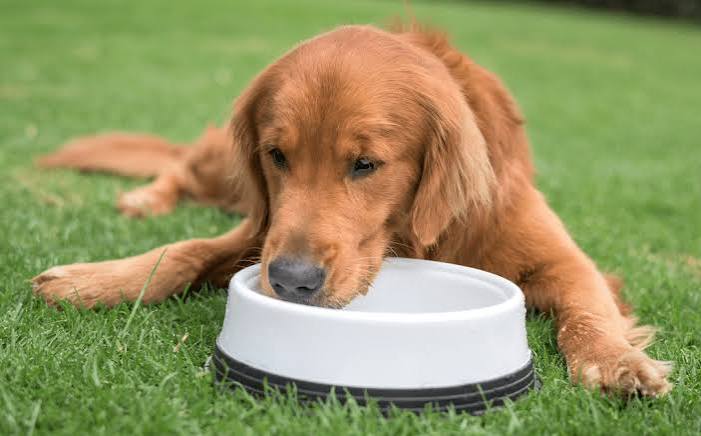
Why won’t my dog drink water is one of the most common worries pet owners search for online. A dog that suddenly refuses water can leave you confused and anxious, especially when everything else seems normal. The reasons range from something as simple as a dirty bowl to something more serious like kidney disease or dental pain.
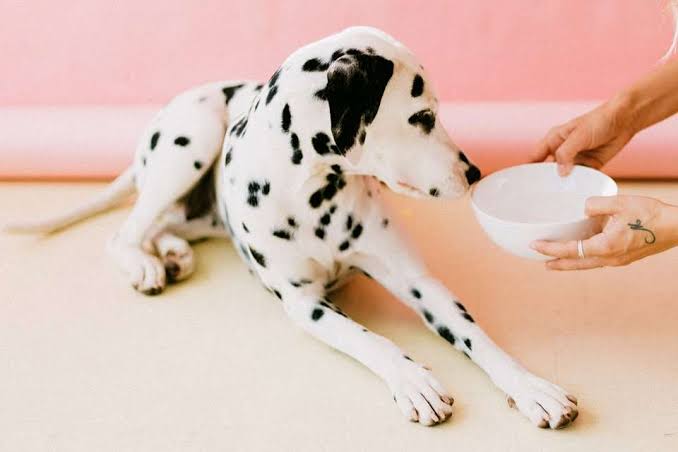
Most of the time, a dog stops drinking water because of stress, a change in environment, or mild illness. Sometimes it’s as simple as a new water bowl or a recent house move.
Other times, it points to something deeper like dental pain, kidney issues, or fever. Watching your dog’s behavior over the next few hours usually gives you the first clue.
Dogs can refuse water for dozens of reasons, and they usually fall into four buckets: medical, environmental, behavioral, and age-related. Below is a quick breakdown of each category.
Understanding which bucket your dog falls into helps you decide whether this is a minor fix or a vet visit.
Dental disease is one of the top medical causes. Sore gums or broken teeth make drinking painful, so your dog avoids the bowl entirely.
Kidney disease, urinary tract infections, and diabetes can also change how much water your dog wants or needs. These conditions often come with other symptoms like changed urination habits.
Nausea from an upset stomach, recent vaccination, or motion sickness can also kill your dog’s thirst temporarily. This usually resolves within a day.
Certain medications list reduced thirst as a side effect. If your dog started a new prescription recently, ask your vet whether that’s connected.
Joint or muscle pain can make the walk to the water bowl uncomfortable, especially for senior dogs. They may only drink when they’re already near food.
Dogs are surprisingly picky about water. A bowl placed near a loud appliance, in a dark hallway, or in an area with heavy foot traffic can put them off completely.
Stale or dirty water with a film on top is another common culprit. Bacteria build-up changes the taste and smell, and dogs notice this faster than humans do.
Bowl material matters too. Some dogs dislike the metallic taste of stainless steel or associate plastic bowls with static shocks on their whiskers.
A recent move, new furniture, or a swapped water filter can shift the taste of tap water enough to make a fussy dog hesitate.
Stress and anxiety are huge triggers. A new pet, houseguest, loud thunderstorm, or fireworks can make dogs avoid food and water for hours.
Some dogs are simply more comfortable drinking from puddles, the toilet, or a hose outside rather than an indoor bowl. This is a preference issue, not a health issue.
Separation anxiety when left alone can also suppress appetite and thirst temporarily until the dog settles down.
Senior dogs often become less active, which naturally lowers their thirst signals. Reduced mobility can also make reaching the bowl harder.
Older dogs are more prone to underlying illnesses like Cushing’s disease or kidney decline, which can either increase or decrease water intake depending on the condition.
Cooler weather naturally reduces a dog’s thirst since they’re sweating and panting less. This is completely normal in fall and winter months.
If your dog swam recently or ate wet food, they may already feel hydrated and skip the bowl for a while.
Water regulates body temperature, supports digestion, and keeps joints lubricated. Without enough of it, organs start struggling within just a day or two.
Dogs can’t sweat like humans do. Panting is their main cooling method, and it relies heavily on having enough fluid in the body to work properly.
Even mild, ongoing dehydration can strain the kidneys over time. This is why vets take water refusal seriously, even when the dog seems otherwise fine.
Smaller breeds often drink less in total volume but need it just as urgently relative to their size. A few missed hours can affect them faster than larger dogs.
Flat-faced breeds like Bulldogs and Pugs sometimes struggle to drink comfortably from deep bowls because of their facial structure. A shallow, wide bowl helps.
Larger, more active breeds naturally need more water and may show dehydration signs faster during exercise or heat exposure.
Puppies are more sensitive to sudden changes than adult dogs. A new home, new food, or vaccination day can all temporarily reduce their thirst.
Teething puppies sometimes avoid the water bowl if chewing or lapping causes gum discomfort. This usually passes within a few days.
Because puppies dehydrate faster than adults, any refusal lasting more than a few hours should be checked with a vet to be safe.
Some dogs refuse water in unfamiliar places simply because it tastes or smells different from home. This is common during road trips or hotel stays.
Bringing water from home, or a familiar travel bowl, often solves this instantly. Stress from car rides or new environments can also play a role.
Myth: dogs will always drink enough on their own. In reality, sick, stressed, or senior dogs often need encouragement.
Myth: wet food alone is always enough. While it helps, most dogs still need direct water access throughout the day.
Myth: cold weather means dogs don’t need water. Dogs still lose fluids through breathing and activity, even in winter.
If you bring your dog in for water refusal, expect a physical exam checking gums, weight, and hydration status first.
Vets often run bloodwork or urinalysis to check kidney function, infection markers, or blood sugar levels depending on symptoms.
In some cases, dental X-rays are used to rule out hidden tooth pain that isn’t visible during a normal exam.
Use this simple checklist to decide whether home fixes are enough or a vet visit is needed sooner.
| Check | Action |
|---|---|
| Bowl clean and fresh water? | Wash and refill immediately |
| Bowl in a calm, quiet spot? | Relocate away from noise |
| Any recent stressors? | Give a calm settling period |
| Gums moist and pink? | If dry or pale, contact vet |
| Eating normally? | If not eating either, call vet |
| More than 24 hours without water? | Seek veterinary care now |
Working through this checklist takes just a few minutes and often points you straight to the right next step.
The general vet guideline is about one ounce of water per pound of body weight per day. Active or overheated dogs may need double that amount.
| Dog Weight | Daily Water Needs (approx.) |
|---|---|
| 10 lbs | 10 oz (about 1.25 cups) |
| 25 lbs | 25 oz (about 3 cups) |
| 50 lbs | 50 oz (about 6 cups) |
| 75 lbs | 75 oz (about 9 cups) |
| 100 lbs | 100 oz (about 12.5 cups) |
These numbers are estimates and can shift with heat, exercise, pregnancy, or illness. Always keep fresh water available regardless of the exact amount.
Catching dehydration early can prevent an emergency vet visit later. Here are the most common warning signs to watch for.
| Symptom | What to Look For |
|---|---|
| Dry or sticky gums | Gums should feel moist, not tacky |
| Loss of skin elasticity | Skin doesn’t snap back quickly when gently pulled |
| Sunken eyes | Eyes appear hollow or less bright |
| Lethargy | Low energy, reluctance to move or play |
| Reduced urination | Darker urine or fewer bathroom trips |
| Panting excessively | Heavy panting even when resting |
If you notice two or more of these signs together, treat it as urgent and contact your veterinarian.
Not every case of reduced water intake needs an emergency visit, but some situations do. Knowing the difference protects your dog’s health.
If your dog refuses water for more than 24 hours, that’s a clear signal to call your vet. Dogs can decline quickly once dehydration sets in.
Vomiting, diarrhea, fever, or visible pain alongside the water refusal also means it’s time for professional help rather than home remedies.
Puppies, senior dogs, and dogs with existing health conditions have far less tolerance for dehydration, so don’t wait as long to seek care for them.
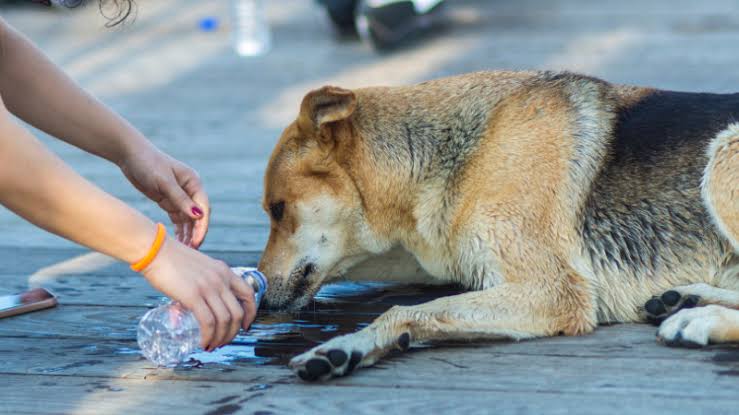
Once you’ve ruled out anything serious, there are several simple tricks that often bring dogs back to the water bowl. Try a few at once for faster results.
Move the bowl to a quiet, well-lit spot away from noisy appliances. Dogs prefer calm areas where they can drink without feeling exposed.
Many dogs are drawn to moving water because it seems fresher and cleaner. A simple pet fountain can make a big difference for picky drinkers.
Wash the bowl with soap and water every single day. Bacteria films build up faster than most owners expect, especially in warm weather.
If your dog seems hesitant, try switching from plastic to stainless steel or ceramic. This removes any lingering odors or static issues.
A small splash of low-sodium chicken or bone broth can make water more appealing. Always check with your vet before adding anything new.
Some dogs enjoy licking or chewing ice cubes as a fun way to get extra hydration, especially during hot weather.
Wet or canned food contains far more moisture than dry kibble. Mixing in a bit more wet food boosts total fluid intake naturally.
Placing several bowls around the house, especially near resting spots, makes water more accessible for older or less mobile dogs.
Refill the bowl with cool, fresh water at least twice a day. Warm, stagnant water is far less appealing to most dogs.
If your dog is still reluctant to drink directly, hydrating foods can help fill the gap while you address the root cause.
Watermelon, cucumber, and plain unsalted broth are all safe, hydrating options for most healthy dogs in small amounts.
Wet dog food and dog-safe soups also add meaningful fluid without relying on the water bowl alone.
Ignoring the problem for too long is the biggest mistake. Even a day or two of low water intake can escalate quickly in small or senior dogs.
Forcing a dog to drink with a syringe without vet guidance can cause choking or aspiration, so it’s best avoided unless directed by a professional.
Assuming it’s “just the weather” without checking gums, energy levels, or appetite can mean missing an early illness.
Choosing the right bowl material and style can quietly solve a lot of drinking problems. Here’s a quick comparison to help you pick.
| Bowl Type | Pros | Watch Out For |
|---|---|---|
| Stainless Steel | Durable, easy to clean, no odor buildup | Can feel cold or noisy against tags |
| Ceramic | Heavy, stable, stylish | Can chip and harbor bacteria if cracked |
| Plastic | Cheap, lightweight | Scratches easily, holds bacteria and smells |
| Pet Fountain | Encourages drinking, keeps water moving | Needs regular cleaning and filter changes |
Testing a couple of options over a week or two can reveal a strong preference in fussy drinkers.
Once you make changes, watch for your dog approaching the bowl more often, even for small sips. This is usually the first positive sign.
Normal energy levels, regular urination, and a return to typical eating patterns all confirm hydration is heading back to normal.
If nothing improves within 24 to 48 hours despite your efforts, it’s time to loop in your veterinarian rather than keep waiting.
Dogs with diabetes, kidney disease, or Cushing’s disease often have unusual thirst patterns, either drinking far more or far less than expected.
If your dog has a diagnosed condition, any sudden change in water intake should be reported to your vet immediately rather than treated as routine.
Dogs recovering from surgery or illness may also temporarily drink less due to medication side effects or general low energy.
Keep a consistent daily routine for feeding and water refills so your dog knows what to expect. Predictability reduces stress-related refusal.
Track your dog’s normal water habits so you notice changes faster. A quick daily glance at the bowl level is often enough.
Schedule regular vet checkups, especially for senior dogs, since many underlying causes are easier to treat when caught early.
In summer, add extra bowls in shaded outdoor spots and swap water more often since heat speeds up bacteria growth and evaporation.
In winter, check that outdoor water hasn’t frozen and consider a heated bowl if your dog spends time outside regularly.
During shedding or allergy seasons, some dogs drink less due to mild discomfort. Keeping water fresh and easily accessible still helps.
A single skipped water break during a calm, cool day is rarely a problem. Dogs naturally have some day-to-day variation in intake.
The real warning signs are total refusal for many hours, visible discomfort, or any combination with vomiting, diarrhea, or lethargy.
Trusting your instincts as an owner matters here. You know your dog’s normal habits better than anyone else.
A few simple products consistently help owners solve mild water refusal without needing a vet visit at all.
Pet water fountains, silicone travel bowls, dog-safe electrolyte additives, and freeze-dried broth toppers are popular, low-risk options worth trying.
Introduce one new product at a time so you can clearly tell which change actually made the difference for your dog.
Before assuming the worst, run through this short mental list: Is the bowl clean? Is it in a calm spot? Has anything changed recently at home?
Is your dog eating, playing, and acting normal otherwise? Has it been under 24 hours since the last drink?
If most answers point to “yes, everything else is fine,” a little patience and a few tweaks are usually all it takes.
This is often behavioral or environmental, like a dirty bowl or cooler weather. Monitor for 24 hours before worrying.
It becomes urgent after 24 hours without water or if other symptoms like vomiting appear. Contact your vet promptly in that case.
Yes, anxiety from moves, guests, or loud noises can suppress thirst. Most dogs recover once they feel calm again.
Check for sticky gums, sunken eyes, and low energy. Skin that doesn’t snap back quickly is another clear sign.
Never use force or a syringe without vet guidance. Instead, try flavoring the water or offering wet food.
Yes, dogs naturally drink less in cooler months since they pant and sweat less. This is usually normal.
Yes, sore teeth or gum disease make drinking painful. A vet dental check can confirm this quickly.
Try bone broth, ice cubes, a water fountain, or switching bowl locations. Small changes often work fast.
Somewhat, since older dogs are less active. However, sudden drops should still be checked by a vet.
Roughly one ounce per pound of body weight. Active or hot-weather dogs typically need more than that.
A dog that won’t drink water is worrying, but most cases have a simple explanation. Stress, a dirty bowl, cooler weather, or a new environment are common, harmless triggers that resolve on their own within a day.
Still, water refusal can also signal dental pain, kidney trouble, or other medical issues, especially when paired with lethargy or vomiting. Watching for dehydration signs like sticky gums and sunken eyes helps you catch problems early.
Try simple fixes first, such as cleaning the bowl, changing its location, or adding wet food. If your dog goes more than 24 hours without drinking, or shows other symptoms, contact your veterinarian right away. Quick action keeps your dog safe, hydrated, and healthy.