
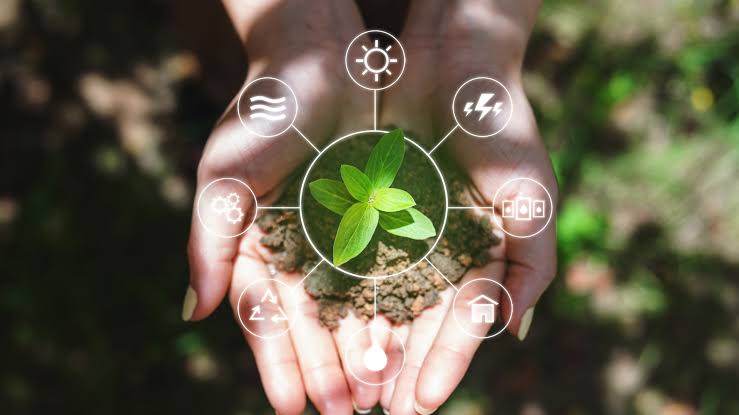
Why are natural resources important is a question every student, business owner, and policymaker eventually asks. From the water we drink to the fuel that powers our cars, almost everything we use traces back to something the earth provided.
Natural resources support our survival, economy, and environment all at once. Without them, agriculture, energy production, and even basic human life would be impossible.
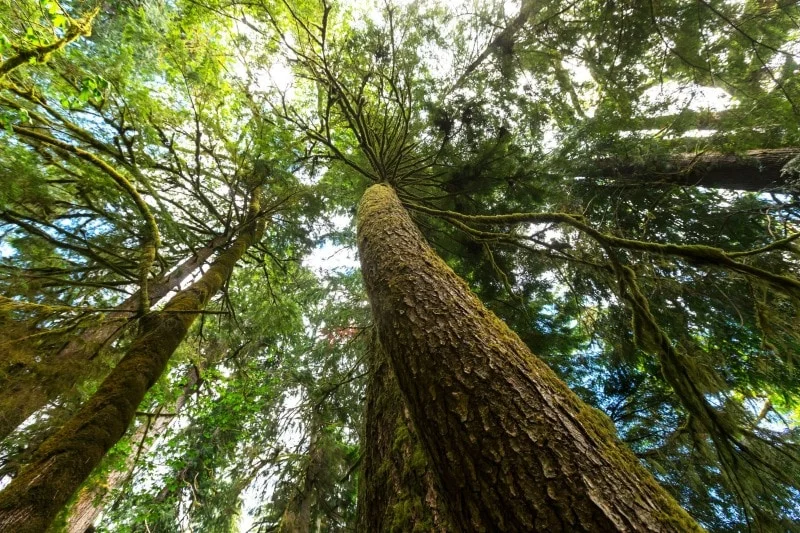
Natural resources are important because they provide the raw materials for food, water, energy, shelter, and nearly every product we use daily.
They also drive national economies, support biodiversity, and keep ecological systems balanced. Without them, modern life as we know it couldn’t function.
Natural resources are materials or substances that occur naturally in the environment and can be used by humans. They are not manufactured or created by people.
Examples include air, water, soil, minerals, forests, sunlight, and fossil fuels. Every industry, from farming to technology, depends on some form of natural resource.
Natural resources are generally grouped into a few key categories based on how they form and whether they can be replenished.
Understanding these categories helps explain why some resources need urgent protection while others are naturally self-sustaining.
Renewable resources can replenish themselves naturally over a relatively short period. Sunlight, wind, water, and forests fall into this category.
These resources are considered more sustainable long-term, though overuse can still cause damage, such as deforestation outpacing forest regrowth.
Non-renewable resources take millions of years to form and cannot be replaced within a human lifetime. Coal, oil, and natural gas are classic examples.
Because supply is limited, non-renewable resources are at the center of most global conservation and energy policy discussions.
Biotic resources come from living or once-living organisms. This includes plants, animals, forests, and fossil fuels formed from ancient organic matter.
Many biotic resources are renewable because organisms reproduce, though some, like fossil fuels, are effectively non-renewable due to formation time.
Abiotic resources come from non-living matter such as minerals, metals, water, and air. These resources don’t reproduce and depend entirely on natural cycles or geological processes.
| Category | Examples | Replenishment Time |
|---|---|---|
| Renewable | Solar, wind, water, forests | Short to moderate, if managed well |
| Non-Renewable | Coal, oil, natural gas, minerals | Millions of years or never |
| Biotic | Plants, animals, timber | Varies by species and ecosystem |
| Abiotic | Metals, rocks, water, air | Depends on natural geological cycles |
This table shows why sustainable use matters differently depending on resource type.
Every living organism depends on natural resources to survive. Air, water, and food all originate directly from nature.
Humans cannot manufacture clean air or fresh water from nothing. Ecosystems provide these essentials continuously, as long as they remain healthy and balanced.
Without functioning natural resource systems, basic survival for humans, animals, and plants would become impossible within a short time.
Natural resources form the backbone of national economies. Countries rich in oil, minerals, or fertile land often build significant wealth around these assets.
Agriculture, manufacturing, construction, and energy sectors all rely heavily on raw natural resources to function and grow.
Export industries built around natural resources also create millions of jobs worldwide, from mining to farming to forestry.
Farming is entirely dependent on natural resources like soil, water, and sunlight. Without healthy soil, crops simply cannot grow.
Poor soil quality or water scarcity directly reduces agricultural yield, which is why resource conservation is tied closely to food security.
Sustainable farming practices are increasingly being adopted specifically to protect the natural resources agriculture depends on long-term.
Fossil fuels like coal, oil, and natural gas still power a large share of global electricity and transportation systems.
Renewable resources like solar and wind are rapidly growing as cleaner alternatives, but they still rely on natural elements like sunlight and airflow.
Without natural resources, none of our current energy infrastructure, from power grids to vehicles, could operate.
Nearly every manufactured product starts as a raw natural resource. Metals become electronics, wood becomes furniture, and oil becomes plastic.
Industries like construction, textiles, and technology all trace their supply chains back to mined, harvested, or extracted natural materials.
Healthy ecosystems depend on balanced natural resources. Forests regulate climate, wetlands filter water, and oceans absorb carbon dioxide.
When natural resources are overused or polluted, entire ecosystems can collapse, affecting biodiversity and climate stability on a global scale.
Conserving natural resources today ensures future generations have access to clean water, fertile land, and stable energy sources.
Overconsumption now can lead to scarcity later, making sustainable resource management a responsibility shared across generations.
| Sector | Key Resources Used | Impact if Depleted |
|---|---|---|
| Agriculture | Soil, water, sunlight | Food shortages, reduced yield |
| Energy | Coal, oil, gas, sunlight, wind | Power shortages, price spikes |
| Manufacturing | Metals, minerals, timber | Supply chain disruptions |
| Construction | Sand, stone, timber, metals | Housing and infrastructure delays |
| Healthcare | Plants, minerals, water | Reduced medicine and supply access |
This table highlights just how interconnected daily life is with resource availability.
Resource depletion doesn’t just affect the environment; it directly impacts economies, food supply, and public health worldwide.
Water scarcity, for example, can trigger conflict, migration, and agricultural collapse in severely affected regions.
Deforestation reduces biodiversity, increases carbon emissions, and disrupts rainfall patterns that farming communities rely on.
Overexploitation is one of the biggest threats, where resources are extracted faster than nature can replenish them.
Pollution from industrial waste, plastic, and chemicals contaminates water, soil, and air, reducing usable resource quality.
Climate change also disrupts natural cycles, affecting rainfall, temperature, and the availability of renewable resources like water and forests.
Conservation doesn’t require massive changes overnight. Small, consistent actions at individual and community levels add up significantly over time.
Cutting down on waste and reusing materials reduces the demand for newly extracted raw resources across nearly every industry.
Switching to solar, wind, or other renewable energy sources reduces dependency on finite fossil fuel reserves.
Crop rotation, efficient irrigation, and soil conservation techniques help protect farmland resources for long-term productivity.
Planting trees and protecting existing forests helps restore biodiversity and maintain the natural carbon cycle.
Simple habits like fixing leaks and reducing water waste help preserve freshwater supplies for essential future use.
Choosing products from companies that follow sustainable extraction practices reduces environmental damage from resource harvesting.
| Resource | Conservation Tip |
|---|---|
| Water | Fix leaks, use water-efficient appliances |
| Energy | Switch to LED lighting, unplug unused devices |
| Forests | Buy certified sustainable wood and paper products |
| Soil | Compost organic waste instead of discarding it |
| Fossil Fuels | Use public transport or carpool when possible |
Small daily choices like these collectively reduce pressure on shared natural resources.
Governments play a major role in resource conservation through regulations, protected areas, and sustainable development goals.
International agreements on climate change and biodiversity also aim to coordinate global efforts toward responsible resource management.
Policies that encourage renewable energy adoption and penalize excessive pollution help balance economic growth with environmental protection.
Many companies now adopt sustainability practices, from reducing packaging waste to sourcing materials responsibly across their supply chains.
Corporate sustainability reporting has also become common, allowing consumers to make informed choices about which businesses prioritize conservation.
Everyday choices, from reducing single-use plastic to conserving electricity, contribute meaningfully to broader conservation goals.
Educating younger generations about resource importance also helps build long-term habits that support sustainability over time.
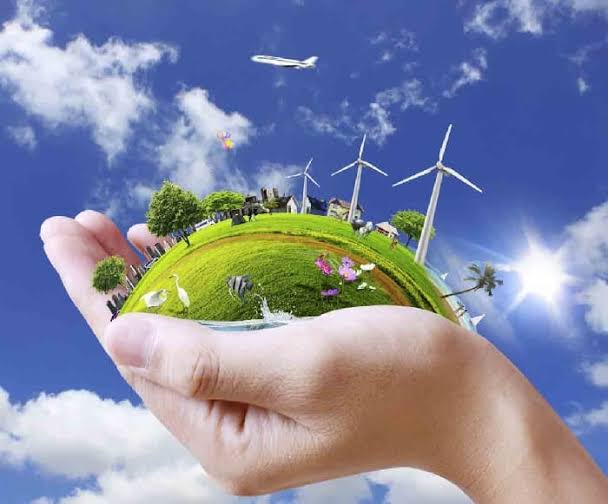
Sustainable development focuses on meeting present needs without compromising the ability of future generations to meet their own.
This concept ties directly into natural resource management, balancing economic growth with environmental responsibility and social wellbeing.
The water in your morning coffee, the wood in your furniture, and the electricity powering your home all originate from natural resources.
Even digital technology depends on mined metals like copper and lithium, showing how deeply resources are embedded in modern life.
Healthy ecosystems rely on a wide variety of natural resources working together. Forests, wetlands, and oceans all support countless plant and animal species.
When resources like forests or clean water disappear, entire food chains can collapse, leading to species loss and reduced ecosystem resilience.
Protecting biodiversity and protecting natural resources go hand in hand, since one cannot thrive long-term without the other.
Forests, oceans, and soil all play a role in absorbing carbon dioxide and regulating global temperatures naturally.
Deforestation and fossil fuel overuse disrupt these natural regulation systems, contributing significantly to climate change and extreme weather patterns.
Protecting these resources isn’t just about supply, it’s also about maintaining the planet’s ability to regulate itself.
Developing countries often rely more directly on natural resources for daily survival, including subsistence farming and local water sources.
Developed countries tend to consume resources at a much higher rate per person, often importing raw materials from resource-rich nations.
This imbalance creates global responsibility discussions around fair resource use, trade, and sustainable development across different economies.
Modern technology depends heavily on mined resources like lithium, copper, and rare earth metals used in batteries and electronics.
As demand for smartphones, electric vehicles, and renewable energy systems grows, so does pressure on these specific mineral resources.
This has sparked global interest in recycling electronics and developing more sustainable extraction methods for critical materials.
Clean air and water directly affect public health outcomes. Polluted resources are linked to respiratory illness, waterborne disease, and other health risks.
Many traditional and modern medicines are also derived from plants and natural compounds, linking healthcare directly to resource availability.
Protecting natural resources is therefore not just an environmental issue, but a public health priority as well.
Countries like Costa Rica have successfully reversed deforestation trends through strong conservation policy and reforestation incentives over recent decades.
Similarly, several nations have significantly increased renewable energy adoption, reducing reliance on finite fossil fuel resources.
These examples show that with the right policies and public support, resource depletion trends can be slowed or even reversed.
Myth: renewable resources can never run out. In reality, overuse faster than natural replenishment can still cause serious shortages.
Myth: conservation only matters for large industries. Individual and household choices collectively have a significant cumulative impact.
Myth: technology alone will solve resource scarcity. While innovation helps, responsible consumption remains equally important.
| Region | Abundant Resources | Common Challenges |
|---|---|---|
| Middle East | Oil, natural gas | Water scarcity |
| South America | Forests, minerals, water | Deforestation pressure |
| Africa | Minerals, arable land | Resource management infrastructure |
| North America | Fossil fuels, forests, freshwater | High per-capita consumption |
| Asia | Coal, agricultural land, water | Population-driven resource strain |
This table highlights how resource availability and challenges vary significantly across different parts of the world.
Emerging technologies like precision agriculture, water recycling systems, and advanced renewable energy are reshaping how resources are used globally.
Circular economy models, which focus on reusing and recycling materials, are also gaining traction as a long-term sustainability strategy.
The future of resource management will likely depend on balancing innovation, policy, and individual responsibility together.
Access to critical resources like oil, water, and minerals often influences international relations and national security strategies.
Countries lacking sufficient domestic resources may depend heavily on imports, which can create vulnerability during global supply disruptions.
This is why many governments invest in resource diversification and strategic reserves to reduce dependency risks.
Teaching resource conservation early helps build lifelong sustainable habits. Many schools now include environmental education as part of standard curriculums.
Community awareness campaigns about recycling, water conservation, and energy efficiency also play a major role in shaping public behavior.
Informed citizens are more likely to support conservation policies and make sustainable choices in their daily lives.
Cities increasingly factor resource sustainability into infrastructure planning, from water management systems to renewable energy integration.
Green building practices, efficient public transportation, and waste reduction programs all aim to reduce urban resource consumption.
As global populations continue moving toward cities, sustainable urban planning will play an increasingly important role in resource conservation.
Use this simple checklist to reflect on your own everyday resource habits and identify areas for improvement.
| Habit | Resource-Friendly Action |
|---|---|
| Water usage | Turn off taps when not in use |
| Energy consumption | Use energy-efficient appliances |
| Shopping habits | Choose sustainably sourced products |
| Waste management | Recycle and compost regularly |
| Transportation | Walk, cycle, or use public transit when possible |
Reviewing this checklist occasionally helps reinforce sustainable habits over time.
Many countries build export economies around abundant natural resources like oil, timber, or minerals, generating major national income.
Global trade agreements often include resource-related terms, since imbalances in supply and demand can significantly affect international relationships.
Resource-rich nations sometimes face challenges managing this wealth fairly, a situation often referred to as the resource curse in economic studies.
Growing global population, increasing energy demand, and accelerating climate change have made resource management more urgent than ever before.
Governments, businesses, and individuals are increasingly aligning around sustainability goals to balance growth with long-term resource availability.
Staying informed about natural resources helps everyone make better decisions, from daily habits to larger policy support.
They provide essentials like food, water, energy, and shelter. Without them, survival and modern living would be impossible.
They’re generally classified as renewable, non-renewable, biotic, and abiotic. Each type differs in formation and replenishment speed.
Water is essential for drinking, agriculture, and industry. Life cannot exist or function without a stable water supply.
They fuel industries like agriculture, energy, and manufacturing. Countries rich in resources often build stronger economic foundations.
Scarcity can trigger food shortages, energy crises, and economic instability. It also threatens biodiversity and ecosystem balance.
Renewable resources can regenerate over time if managed well. Non-renewable resources like fossil fuels cannot be replaced at all.
Conservation ensures resources remain available for future generations. It also helps maintain ecological balance and reduce environmental damage.
Agriculture relies entirely on soil, water, and sunlight. Poor resource management directly reduces food production capacity.
Simple actions like recycling, saving water, and reducing energy use all contribute. Small daily habits add up significantly.
Yes, solar, wind, and water used for energy are natural resources. They offer sustainable alternatives to fossil fuels.
Natural resources are the foundation of human survival, economic growth, and environmental stability. From the food we eat to the energy that powers our homes, nearly everything traces back to resources the earth provides.
Understanding the difference between renewable and non-renewable resources helps explain why conservation matters so much today. Overuse and pollution threaten availability, while sustainable practices help protect resources for the future.
Whether through government policy, business responsibility, or individual daily habits, everyone plays a role in preserving natural resources. Protecting them today ensures a healthier, more stable world for generations to come.