
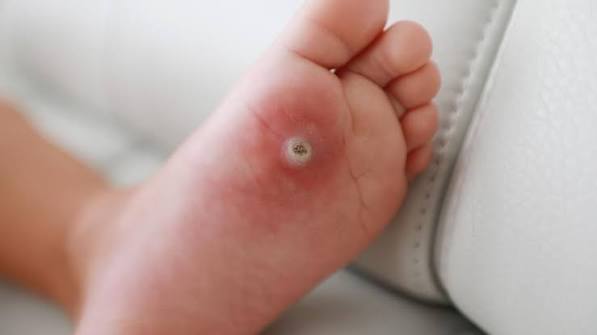
Why do kids get warts so much more often than adults, even when they seem perfectly healthy? The short answer is a developing immune system combined with everyday habits like nail biting, barefoot play, and close contact at school.
Warts are caused by strains of the human papillomavirus, or HPV, which enters the skin through tiny cuts, scratches, or hangnails. Because a child’s immune defenses are still maturing, the virus finds it easier to take hold and multiply into a visible bump.
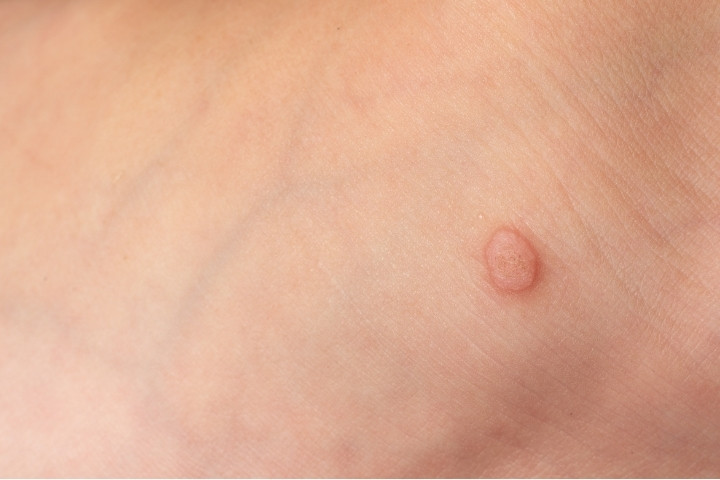
Kids get warts mainly because their immune systems have not fully learned to fight HPV yet.
Add in nail biting, damp shoes, and shared surfaces at school, and the virus has plenty of easy entry points.
A wart forms when HPV enters the skin and triggers rapid, disorganized growth of skin cells. This buildup creates the rough, raised bump we recognize as a wart.
There are more than 100 strains of HPV, and the ones that cause common skin warts are different from the strains linked to other health concerns.
Several overlapping factors make kids far more susceptible to this common viral skin infection.
A child’s immune system has not yet built up defenses against every HPV strain circulating in daily environments.
As kids age, repeated small exposures gradually train the immune system to recognize and suppress the virus more effectively.
Active kids collect small scrapes, cuts, and hangnails constantly during normal play, sports, and exploration.
Each tiny break in the skin barrier gives HPV an easy entry point that intact skin would otherwise block.
Biting nails or picking at hangnails creates small wounds around the fingers, one of the most common wart locations in children.
This habit also makes it easier for a child to spread a wart from one finger to another.
Classrooms, playgrounds, and daycare centers put kids in constant physical contact with one another and shared surfaces.
HPV can survive on surfaces like desks, mats, and toys long enough to pass between children.
Moist skin is more vulnerable to viral entry, which is why plantar warts on the feet are so common among young swimmers.
Locker room floors, pool decks, and shared showers are classic hot spots for picking up the virus barefoot.
Kids who wear athletic shoes for long stretches create a warm, humid environment inside the shoe that favors HPV survival on the skin.
Changing socks regularly and letting shoes fully dry between uses reduces this risk somewhat.
Young children touch their faces, mouths, and eyes far more often than adults do without thinking about it.
This habit can spread the virus from hands to more sensitive areas like the face or around the eyes.
Scratching or picking at a wart can break it open and spread the virus to nearby skin or other family members.
This is one of the main reasons doctors recommend covering a wart rather than leaving it exposed.
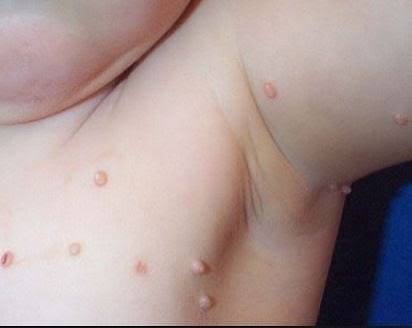
Not all warts look or behave the same way, and knowing the difference helps guide the right treatment approach.
These appear as small, rough, grayish bumps, usually on the fingers, hands, elbows, or knees.
They are the most frequently seen type in school-age children and often grow where skin has been broken recently.
Plantar warts grow on the soles of the feet and can be painful, especially when walking or standing for long periods.
They sometimes contain small black dots, which are actually tiny clotted blood vessels rather than dirt.
Flat warts are smaller, smoother, and often appear in clusters, most commonly on the face or legs.
Because they are less raised, they can be harder to spot compared to common or plantar warts.
These have a narrow, finger-like shape and typically appear around the mouth, nose, or eyelids.
Their location on the face often prompts parents to seek treatment sooner than with other wart types.
Periungual warts grow around or under the fingernails and toenails, frequently linked to nail biting.
They can sometimes affect nail growth if left untreated for a long time.
| Wart Type | Common Location | Typical Appearance |
|---|---|---|
| Common wart | Fingers, hands, knees | Rough, raised, grayish bump |
| Plantar wart | Soles of the feet | Flat, hard, with tiny black dots |
| Flat wart | Face, legs | Smooth, small, clustered |
| Filiform wart | Mouth, nose, eyelids | Narrow, finger-like projection |
| Periungual wart | Around nails | Rough patch near nail edge |
Warts can spread from one part of a child’s body to another and from child to child through direct contact.
Indirect spread through shared surfaces is also possible, especially when skin is damp or already broken.
The virus needs an entry point, so warts spread more easily when skin is wet, cracked, or freshly injured.
Sharing towels, shoes, or nail clippers with a child who has a wart can increase the chance of transmission.
Warts can take weeks or even months to become visible after the initial viral exposure.
This delay makes it nearly impossible to pinpoint exactly where or when a child picked up the virus.
Many warts in children eventually disappear without any treatment as the immune system catches up with the virus.
This natural resolution can take anywhere from several months to a couple of years, which is longer than most parents expect.
If the wart is not painful, not spreading, and not bothering your child, simply monitoring it is often reasonable.
Many pediatricians support this approach for common warts that are small and located in low-friction areas.
Painful plantar warts, rapidly spreading warts, or ones causing embarrassment are good candidates for active treatment rather than waiting.
A doctor can help decide the best route based on the wart’s location, size, and how well your child tolerates procedures.
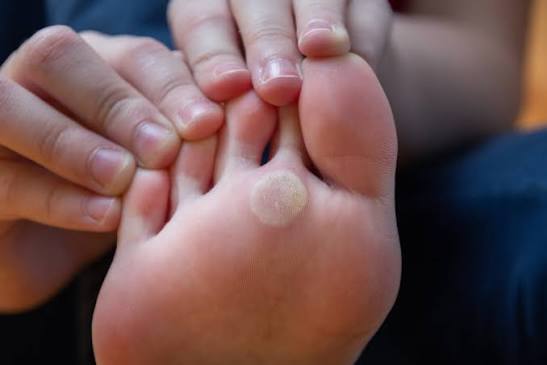
Several simple, low-risk methods can be tried at home before considering a clinical procedure.
Over-the-counter salicylic acid pads, gels, or liquids gradually dissolve the thickened skin of a wart with daily application.
Consistency matters most here, since results typically take several weeks of nightly use to become noticeable.
Covering the wart with duct tape for several days at a time, then soaking and gently filing it, is a popular low-cost home method.
While evidence is mixed, many parents find it a gentle first step before trying stronger treatments.
Covering a wart with a bandage during the day can help prevent your child from picking at it or spreading the virus.
This also reduces the chance of the wart spreading to other children through shared items.
Keeping feet and hands as dry as possible, especially after swimming or sports, makes the environment less favorable for the virus.
Breathable socks and rotating pairs of shoes can meaningfully reduce moisture buildup.
Teaching kids not to pick at a wart reduces both pain and the risk of spreading it to nearby skin.
Trimming nails short can also help reduce the temptation to scratch at a bump repeatedly.
| Method | How It Works | Typical Timeline |
|---|---|---|
| Salicylic acid | Gradually dissolves thickened wart tissue | 6 to 12 weeks of daily use |
| Duct tape method | Irritates and lifts the wart over time | 4 to 8 weeks |
| Covering with a bandage | Prevents picking and viral spread | Ongoing, as needed |
| Moisture control | Reduces environment favorable to HPV | Ongoing habit |
When home methods do not fully clear a wart, a pediatrician or dermatologist has several stronger options available.
This involves freezing the wart with liquid nitrogen, which destroys the infected tissue over one or more sessions.
It is one of the most common in-office treatments for stubborn plantar and common warts in children.
Doctors can prescribe a stronger concentration than what is available over the counter for warts that resist standard treatment.
This is often combined with periodic filing of the wart during office visits.
This topical solution causes a small blister to form under the wart, which eventually lifts it away from the skin.
It is a relatively painless in-office option that many pediatric clinics use for younger children.
In persistent or particularly bothersome cases, a doctor may recommend cutting or lasering away the wart tissue directly.
This option is usually reserved for warts that have not responded to more conservative treatments.
Most children’s warts can be safely watched or treated at home, but a few situations call for professional evaluation.
A painful plantar wart that affects how your child walks or stands is a reasonable reason to seek treatment sooner.
Rapid spreading to new areas of the body may respond better to prescription-strength treatment than home remedies alone.
Any unusual changes in color, sudden bleeding, or irregular growth should be evaluated by a doctor to rule out other skin conditions.
Children with certain health conditions affecting immune function should have new warts evaluated rather than treated at home first.
| Situation | Recommended Action |
|---|---|
| Small, painless wart on hand or knee | Monitor at home, try salicylic acid |
| Painful wart on the sole of the foot | Schedule a pediatric or podiatry visit |
| Wart spreading rapidly to new areas | See a doctor for stronger treatment options |
| Wart with unusual bleeding or color change | Get evaluated promptly to rule out other causes |
| Child has a weakened immune system | Consult a doctor before attempting home treatment |
Prevention focuses on limiting the virus’s entry points and reducing exposure in high-risk environments.
Wearing sandals or water shoes at pools, locker rooms, and public showers reduces direct skin contact with contaminated surfaces.
Since this habit creates easy entry points for the virus, gently redirecting the behavior can lower wart risk over time.
Well-moisturized skin is less likely to develop the small cracks that give HPV an opening.
Personal items that touch bare skin should not be shared among siblings or classmates when a wart is present.
Covering a known wart during sports or swimming helps prevent both self-spread and spread to other children.
| Habit | Why It Helps |
|---|---|
| Wear sandals in public wet areas | Reduces direct contact with contaminated surfaces |
| Stop nail biting | Removes an easy entry point for the virus |
| Moisturize skin regularly | Prevents small cracks that let HPV in |
| Avoid sharing personal items | Limits indirect transmission between kids |
| Cover existing warts | Reduces spread to new skin or other children |
A few persistent myths can lead parents to worry unnecessarily or delay effective treatment.
This old folk belief has no scientific basis. Warts are caused exclusively by HPV strains that infect human skin.
Many warts resolve naturally over time or respond well to simple over-the-counter treatments without any surgery at all.
Warts are extremely common in otherwise healthy children and mainly reflect normal immune system development rather than any serious health issue.
Parents often mistake warts for other harmless skin conditions, so knowing the differences helps avoid unnecessary worry.
Calluses form from repeated friction or pressure and have smooth, thickened skin without the tiny black dots seen in plantar warts.
Pressing on a callus does not usually cause pain the way a plantar wart often does.
Skin tags are soft, flesh-colored growths that hang slightly off the skin, unlike the rough, embedded texture of a typical wart.
They are not caused by a virus and are not contagious the way warts are.
Molluscum bumps are smooth, shiny, and often have a small dimple in the center, differing from the rough surface of most warts.
Both are viral and contagious, but they are caused by entirely different viruses and may need different treatment approaches.
Since immune strength plays a central role in how easily a child develops or clears warts, healthy daily habits can offer some support.
Adequate, regular sleep helps a child’s immune system function at its best, supporting natural viral clearance over time.
A varied diet with enough vitamins and minerals supports overall immune health, which may help the body resist and clear HPV more effectively.
High stress levels can affect immune function in children just as they do in adults, so a calm routine may offer indirect support.
Frequent handwashing, especially after touching shared surfaces at school or play areas, lowers the overall viral load a child is exposed to daily.
Knowing what happens at a typical appointment can help ease a nervous child before treatment begins.
The doctor will look closely at the wart’s size, location, and appearance to confirm it is indeed a wart and not another skin condition.
Based on the wart’s location and your child’s comfort level, the doctor will explain which treatments, such as freezing or topical solutions, make the most sense.
Many wart treatments require multiple visits spaced a few weeks apart, since a single session rarely clears a stubborn wart completely.
You will typically receive guidance on caring for the treated area at home, including how to handle any blistering or peeling that follows treatment.
A child’s immune system has not yet built strong defenses against HPV, and frequent skin breaks from play make infection easier.
Yes, warts can spread through direct skin contact or shared surfaces, especially when skin is damp or broken.
Many warts disappear naturally within several months to two years as the immune system gradually clears the virus.
Consistent nightly use of salicylic acid is generally the fastest reliable at-home option, though it still takes several weeks.
Some studies and many parents report success with duct tape occlusion, though results vary and it works better on smaller warts.
No, picking at a wart increases pain and raises the risk of spreading the virus to nearby skin or other people.
Yes, plantar warts can be painful because they grow inward on the sole of the foot where constant pressure occurs.
See a doctor if the wart is painful, spreading rapidly, bleeding, or your child has a weakened immune system.
Yes, damp pool decks and locker rooms are common places where children pick up the HPV strains that cause plantar warts.
Yes, cryotherapy is a commonly used, generally safe in-office treatment for stubborn warts in children under medical supervision.
Kids get warts far more often than adults mainly because their immune systems are still learning to recognize and fight HPV, combined with everyday habits like nail biting, barefoot play, and close contact at school.
Common, plantar, flat, filiform, and periungual warts each show up differently, but all start the same way, through a tiny break in the skin that lets the virus take hold. Many childhood warts disappear naturally within a year or two, while others respond well to simple home treatments like salicylic acid or the duct tape method.
Covering warts, discouraging picking, and keeping feet dry in public wet areas go a long way toward preventing new ones from forming. If a wart becomes painful, spreads quickly, or looks unusual, a pediatrician can offer stronger in-office treatments like cryotherapy to clear it safely and quickly.