
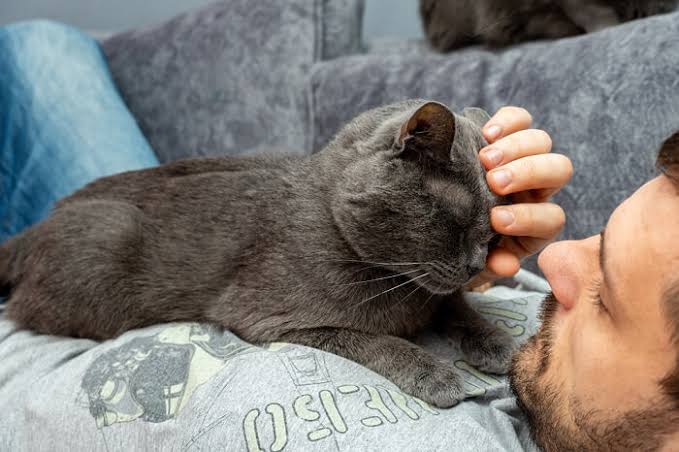
Why do cats sleep on your chest is one of the most common questions cat owners ask after waking up to a warm, purring weight pinned right over their heart. It feels sweet, a little funny, and sometimes a bit confusing.
Is your cat trying to tell you something, or is this just about finding a cozy spot? The truth is a mix of both instinct and emotion. Cats choose your chest for reasons rooted in warmth, safety, scent, and bonding.
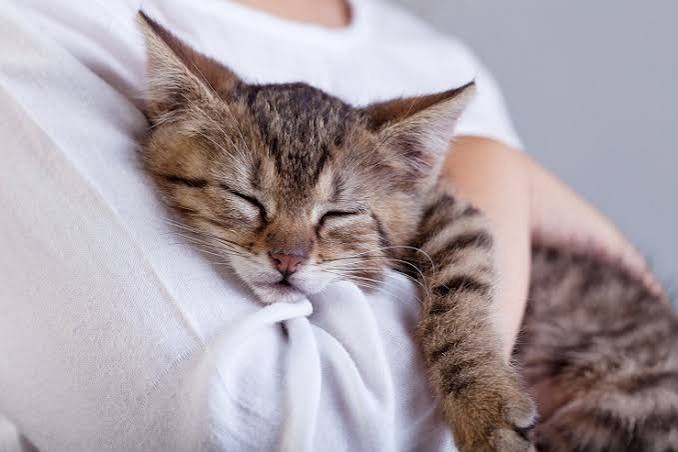
Cats are careful about where they choose to sleep. They spend a large part of their day resting, so a sleeping spot is never random.
When a cat picks your chest specifically, it usually signals a mix of physical comfort and emotional trust.
Your chest offers warmth, a steady heartbeat, familiar breathing patterns, and your scent all in one place. For a cat, that combination is hard to beat.
Unlike a blanket or a heated bed, your chest also moves. That gentle rise and fall can feel similar to the comfort cats experienced as kittens, nestled against their mother.
There is rarely a single reason behind this behavior. Most cats are drawn to your chest for several overlapping reasons at once.
Cats are naturally drawn to warm spots, and human body temperature runs higher than a cat’s resting environment.
Your chest, especially near the collarbone and upper torso, radiates consistent heat throughout the night, making it one of the coziest napping spots in the house.
Sleep is a vulnerable state for any animal. A cat that sleeps on your chest is choosing to be vulnerable right next to you.
This is widely considered one of the clearest signs of trust a cat can express, since a nervous or unbonded cat would rarely put itself in that position.
The steady thump of your heartbeat and the rhythm of your breathing can be deeply soothing to a cat.
This mirrors the sensory experience kittens have while nursing against their mother, so the sound and motion may trigger a sense of calm and safety.
Cats rely heavily on scent to navigate their world and identify safety. Your scent is one of the most familiar things in their environment.
Sleeping on your chest surrounds them in that scent, which can help lower stress and encourage deeper, more relaxed sleep.
Cats have scent glands located on their cheeks, chin, and paws. Lying on your chest transfers their scent onto you.
In a multi-pet household, this can be a subtle way of marking you as their person, letting other animals know you are already spoken for.
Some cats simply want to be noticed. If you are reading, scrolling on your phone, or relaxing, your chest becomes a prime spot to interrupt and claim your focus.
This is especially common in cats that already show high affection or clingy tendencies toward their favorite person.
Many owners want a simple answer: does this mean my cat loves me? The honest answer is that it often does, but comfort plays a role too.
Cats are not purely emotional creatures when it comes to sleep. Physical comfort factors like warmth and softness genuinely influence where they choose to rest.
That said, cats are also selective. Most cats will not sleep on just anyone. Choosing a specific person’s chest, night after night, usually reflects a real bond.
| Behavior Pattern | More Likely Comfort | More Likely Love or Bonding |
|---|---|---|
| Sleeps on any warm surface, not just you | Yes | No |
| Only sleeps on your chest, not other family members | No | Yes |
| Purrs, kneads, or nuzzles before settling | No | Yes |
| Leaves quickly once warmth source is gone | Yes | No |
| Follows you to different rooms to nap on you | No | Yes |
| Seeks you out specifically during stressful moments | No | Yes |
Where and how a cat sleeps can reveal a lot about their comfort level and personality. Chest-sleeping is just one of many meaningful positions.
| Sleeping Position | What It Typically Means |
|---|---|
| On your chest, curled up | Deep trust, warmth-seeking, bonding |
| Stretched out on your chest | High comfort, feeling fully safe |
| Beside you, not touching | Bonded but independent |
| Curled in a tight ball elsewhere | Feeling slightly cautious or cold |
| On their back, belly exposed | Extreme trust and relaxation |
| Near your feet | Affection with more personal space |
Kittens sleep piled against their mother and littermates for warmth, safety, and comfort during their earliest weeks of life.
This early experience shapes how adult cats seek out sleep. Many cats simply transfer that instinct onto their human once they are fully grown.
Cats that were hand-raised or bottle-fed as kittens, without littermates, may show this chest-sleeping behavior even more strongly as adults.
Personality and breed can influence how likely a cat is to seek out chest-sleeping specifically.
Highly affectionate breeds, along with cats that were socialized closely with humans early on, tend to show this behavior more consistently.
Rescue cats that were once strays sometimes take longer to develop this level of trust, but many eventually become just as likely to settle on your chest once bonded.
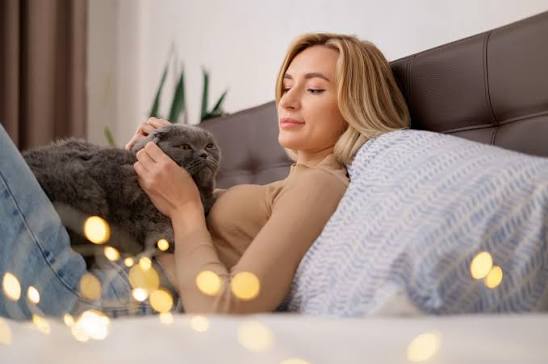
This comes down to personal comfort, health considerations, and your cat’s own needs. There is no universal right answer.
For most healthy adults, allowing a cat to sleep on the chest is safe and can even be soothing, thanks to the calming effect of a purring cat nearby.
Cuddling with a cat has been linked to lower stress levels and a greater sense of calm before sleep.
The purring sound itself is often described as relaxing, and some owners report falling asleep faster with a cat settled on their chest.
If your cat is heavy, or if you have breathing difficulties, the added weight on your chest can interfere with comfortable sleep.
Allergy sufferers may notice increased symptoms from prolonged close contact, especially if the cat sheds heavily or spends time outdoors.
| Pros | Cons |
|---|---|
| Emotional bonding and comfort | Can restrict movement during sleep |
| Calming effect from purring | May worsen allergy symptoms |
| Warmth for both cat and owner | Weight can be uncomfortable for some |
| Reinforces trust over time | Can disrupt sleep if cat moves often |
In most cases, a cat sleeping on your chest is completely normal and not something to worry about.
However, sudden changes in this behavior, such as a cat that never used to chest-sleep suddenly doing so constantly, can sometimes signal the cat is seeking extra warmth due to illness.
If your cat seems unusually clingy, lethargic, or off their normal routine alongside this new habit, a check-up with your veterinarian is a reasonable precaution.
Cats with fleas, ticks, or other parasites should be treated before continuing close contact, both for your comfort and their health.
Purring is often associated with happiness, but researchers believe it serves several purposes beyond simply expressing contentment.
The frequency range produced during purring has been linked in some studies to promoting healing and reducing stress in cats themselves.
When a cat purrs while lying on your chest, that vibration is often felt as much as heard, adding another layer of physical comfort to the experience.
Some owners report that the rhythmic sound and vibration of purring help them relax and fall asleep faster as well, creating a mutual benefit.
This shared calming effect may be part of why the bond around chest-sleeping feels so strong for both cat and owner over time.
Paying attention to how your cat positions itself on your chest can offer additional clues about its comfort level.
A cat that tucks its paws underneath its body while settling in is typically in a relaxed, content state, often referred to as the loaf position.
Fully stretched out with legs extended and belly slightly exposed signals an even deeper level of trust and relaxation.
Slow blinking directed at you while your cat settles onto your chest is widely regarded as a feline expression of affection, sometimes called a cat kiss.
Kneading with the front paws before lying down is another comforting behavior, rooted in kitten nursing instincts, that often precedes deep, relaxed sleep.
If you enjoy the bond but not the physical weight, there are gentle ways to redirect the habit without damaging trust.
Provide a heated cat bed placed close to where you sleep, so your cat can stay warm and near you without being directly on your chest.
Placing an item with your scent, like a worn t-shirt, inside their bed can help ease the transition by keeping that familiar comfort nearby.
Reward your cat with attention and treats when they choose their own bed, reinforcing the new habit positively rather than through punishment.
Whether or not your cat sleeps on your chest, there are many other ways to strengthen your relationship day to day.
Consistent feeding times, regular play sessions, and gentle grooming all contribute to a cat feeling safe and bonded with their owner.
Cats that feel secure in their environment are generally more likely to display affectionate behaviors like chest-sleeping in the first place.
Cats sleep far more than humans, often resting between twelve and sixteen hours a day depending on their age and activity level.
Much of that rest is light sleep, where a cat remains alert to sounds and movement around them, ready to react if needed.
Deep sleep, the phase where a cat is fully relaxed and less aware of its surroundings, only happens when the cat feels genuinely secure in its environment.
This is why the choice of sleeping spot matters so much. A cat will only enter deep, restorative sleep somewhere it trusts completely.
Your chest, with its warmth and familiar rhythm, often becomes one of the few places where a cat feels safe enough to fully let go.
In households with more than one person, cats often gravitate toward a single favorite. This choice is rarely random.
Research on feline behavior suggests cats form stronger bonds with whoever spends the most consistent, calm time interacting with them.
Feeding is part of it, but not the whole story. Cats also respond strongly to voice tone, gentle handling, and predictable routines.
The person who reads their body language best, respecting when a cat wants space and when it wants attention, often becomes the preferred sleeping partner.
Once that bond forms, chest-sleeping becomes one of the clearest outward signs of it, since cats rarely offer this level of vulnerability to just anyone.
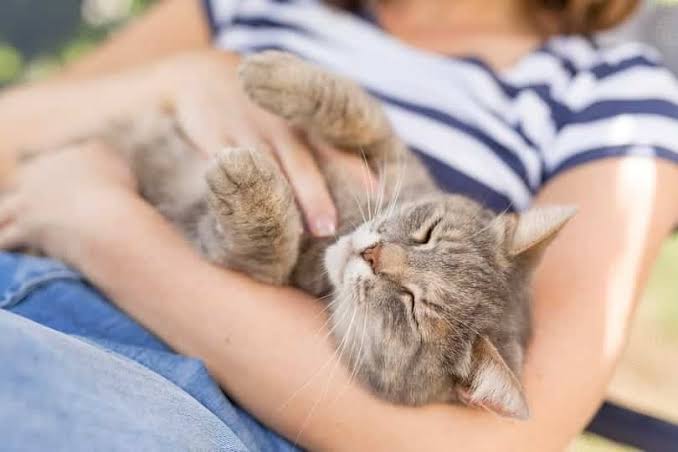
Dogs tend to show affection more openly, through tail wagging, following owners from room to room, and constant physical closeness throughout the day.
Cats are typically more selective, saving their most intimate gestures, like chest-sleeping, for specific moments and specific people.
This difference often leads new cat owners to underestimate how affectionate their cat actually is, simply because the signals look different from what they expect.
Recognizing chest-sleeping as a meaningful gesture, rather than random behavior, helps owners appreciate the quieter ways cats express their bond.
There are several misconceptions floating around about this behavior that are worth clearing up.
Myth: Cats only do this for warmth. While warmth matters, cats that were already warm elsewhere will often still choose a bonded person’s chest over a heated blanket.
Myth: It means your cat is dominant over you. Chest-sleeping is a vulnerable position for a cat, which contradicts the idea of dominance entirely.
Myth: All cats will eventually do this. Personality plays a large role, and some cats simply prefer independent sleeping spots regardless of how bonded they are.
Myth: It’s harmful to let a cat sleep this close to your face. For most healthy adults without allergies or breathing conditions, this is not a health concern.
In homes with multiple cats, only one cat may consistently choose to sleep on your chest, while others prefer nearby spots.
This often reflects each cat’s individual personality and comfort level, rather than any competition between the animals themselves.
Some cats do show mild possessiveness over this favorite spot, gently nudging other pets away when they want their turn on your chest.
Over time, many multi-cat households settle into a routine where each cat has its own preferred sleeping location near their owner.
Many owners notice their cat sleeps on their chest more often during colder months, which lines up closely with the warmth-seeking explanation.
As indoor temperatures rise in warmer seasons, some cats shift toward cooler surfaces instead, even if the bond with their owner stays exactly the same.
This seasonal pattern is a useful way to tell how much of the behavior is driven by temperature versus emotional bonding for your specific cat.
If your cat continues chest-sleeping consistently regardless of season, warmth is likely a smaller factor than trust and companionship in their case.
Cats sleep on your chest for a blend of warmth, safety, scent familiarity, and genuine affection toward their favorite person.
While comfort plays a real role, the fact that many cats are selective about who they sleep on suggests this behavior is far from purely practical.
If you enjoy having your cat sleep on your chest, a few small adjustments can make the experience more comfortable for both of you.
Keep your cat’s nails trimmed regularly to avoid accidental scratches while they knead or adjust position during the night.
Establish a consistent bedtime routine, since cats often settle into predictable patterns once they know when sleep time is approaching.
Use a light blanket or towel over your chest if you prefer a barrier between your skin and your cat’s fur, especially during shedding season.
If your cat tends to wake you by walking across your chest at night, a short play session before bed can help burn off extra energy first.
Keeping your bedroom at a comfortable, slightly cool temperature can also encourage your cat to stay settled longer instead of shifting spots throughout the night.
Patience matters too. A cat that is new to your home may take weeks or even months before feeling secure enough to sleep directly on your chest, so consistent gentle interaction is worth the wait.
Cats often pick a favorite person based on who feeds them or interacts with them most. Your scent and routine likely feel most familiar to them.
For most healthy cats, it is completely safe and even beneficial for bonding. Watch for sudden weight loss or breathing issues as red flags.
Purring often signals contentment and relaxation in this position. It can also be a self-soothing behavior tied to feeling safe and secure.
Some people sleep better with the calming presence of a cat nearby. Others find the added weight or movement disruptive to deep sleep.
Kittens often seek warmth and closeness more intensely due to their small size and higher heat loss. Many carry this habit into adulthood.
Kneading is a leftover kitten behavior tied to nursing comfort. Cats often knead right before settling in to signal they feel safe and relaxed.
Both spots offer warmth and closeness, but the chest is closer to your heartbeat and breathing, which many cats find especially soothing.
If you are comfortable, there is no need to move them. If breathing feels restricted, gently shift them to your side instead.
Some experts believe it echoes early kitten bonding with their mother, though it evolves into a unique bond specific to you as their owner.
Yes, prolonged close contact can increase exposure to dander and saliva. Washing bedding regularly and grooming your cat can help reduce symptoms.
Why do cats sleep on your chest ultimately comes down to a mix of warmth, safety, scent, and real emotional bonding. Your chest offers a rare combination of body heat, a steady heartbeat, and familiar breathing that few other spots in the home can match.
For most cats, choosing to sleep there, especially with just one person, reflects genuine trust built over time. While comfort plays a role, cats are selective enough about sleeping spots that this habit rarely happens by accident.
If the behavior ever changes suddenly or feels physically uncomfortable, small adjustments like a heated bed nearby can help without breaking the bond. In most cases, this cozy nighttime ritual is simply your cat’s way of saying you are their safe place.