
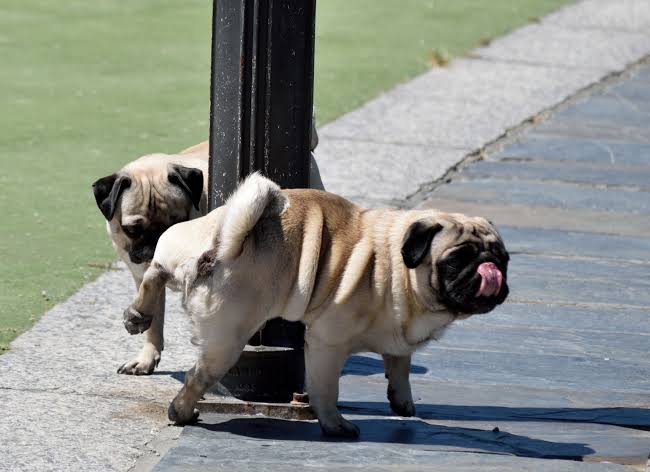
Why does my dog’s pee smell so bad all of a sudden? In most cases, it comes down to concentrated urine, dehydration, diet, or an underlying health issue like a urinary tract infection. A little bit of ammonia smell is normal, since all dog urine contains it.
But a sudden, sharp, sweet, or fishy odor is usually your dog’s body signaling something worth paying attention to.
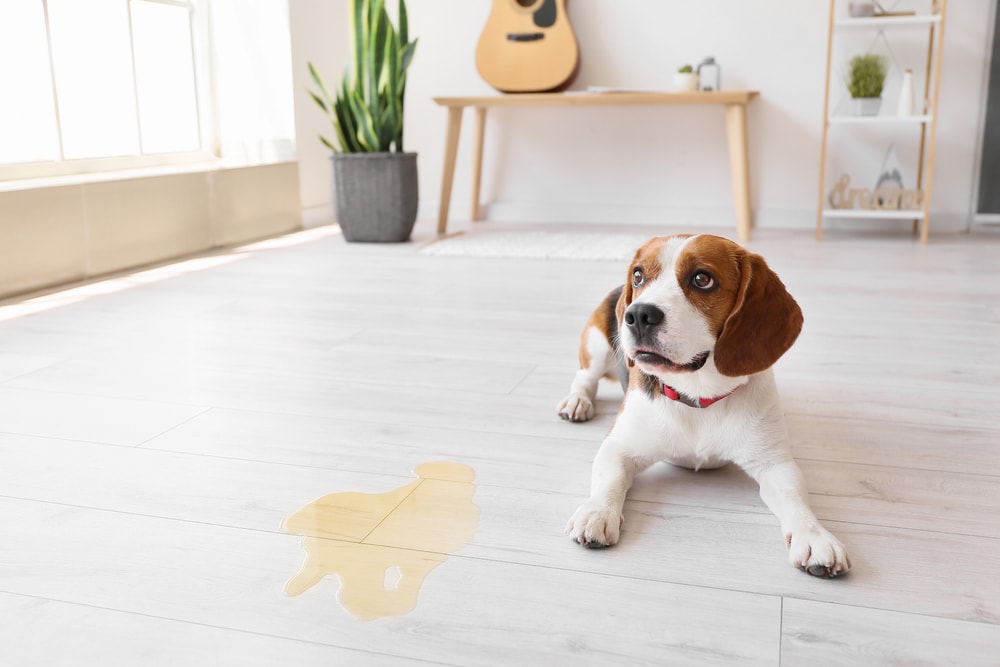
Dog urine is mostly water, but the remaining portion contains urea, ammonia, and various waste byproducts filtered out by the kidneys. This mix is naturally pungent, even in healthy dogs.
Ammonia is the main compound responsible for that sharp smell. It’s produced as the body breaks down protein, so it’s present in every dog’s urine to some degree.
A mild ammonia smell right after your dog pees is completely normal. The concern starts when the smell becomes much stronger, changes character, or lingers unusually long.
Some smell is expected, especially first thing in the morning when urine is more concentrated after hours without a bathroom break. This isn’t usually a red flag.
However, urine that smells noticeably worse than usual, especially paired with other symptoms, often points to something beyond normal concentration.
Tracking when the smell changed and what else is different, like water intake or appetite, helps you and your vet figure out what’s going on faster.
When a dog doesn’t drink enough water, urine becomes more concentrated, which intensifies the ammonia smell significantly. This is one of the most common and simplest causes.
Dehydrated urine is often darker yellow or amber in color as well as stronger smelling. Increasing water intake typically resolves this within a day or two.
Hot weather, increased activity, or reduced water access are common triggers behind sudden dehydration-related odor changes.
A UTI is one of the leading medical causes of strong, foul-smelling urine in dogs. Bacteria in the bladder produce waste that changes the odor significantly.
Female dogs are more prone to UTIs due to a shorter urethra, which makes it easier for bacteria to travel upward into the bladder.
Along with odor, UTIs often cause frequent urination, straining, or accidents in the house, even in fully house-trained dogs.
The kidneys filter waste and concentrate urine. When kidney function declines, waste products build up differently, often producing an unusually strong or ammonia-heavy odor.
Kidney disease is more common in older dogs but can occur at any age due to genetics, toxins, or chronic dehydration over time.
Increased thirst, increased urination, and weight loss alongside odor changes are classic signs that point toward kidney involvement.
Diabetic dogs often have excess sugar in their urine, which can create a sweet or unusual smell rather than the typical ammonia scent.
Increased thirst and urination are hallmark diabetes symptoms that usually appear alongside the smell change, making it easier to catch early.
Diabetes needs a formal vet diagnosis through blood and urine testing, since the smell alone isn’t enough to confirm it.
Mineral buildup in the bladder can lead to infection and inflammation, both of which intensify urine odor considerably.
Straining to urinate, blood in the urine, or small amounts passed frequently often accompany stone-related odor changes.
Bladder stones typically require imaging like an ultrasound or X-ray to confirm, along with dietary or surgical treatment depending on severity.
The liver processes toxins and waste products in the body. When it’s not functioning properly, this can change the composition and smell of urine.
Liver issues often bring other signs too, like yellowing of the gums or eyes, vomiting, or a noticeable drop in appetite.
Because liver disease can progress quietly, a strange urine smell combined with subtle behavior changes is worth mentioning to your vet early.
Infections in the kidneys or reproductive organs can also alter urine smell, not just standard bladder infections. This includes conditions like pyometra in unspayed females.
Pyometra, a uterine infection, can cause a distinctly foul odor along with lethargy, vomiting, and a swollen abdomen, and is considered a medical emergency.
Any sudden combination of bad odor and visible illness in an unspayed female dog should prompt an immediate vet call.
Certain foods, treats, and supplements can change urine odor temporarily. High-protein diets in particular tend to produce a stronger ammonia smell.
Some vitamins, especially B vitamins, can also cause a noticeably different urine scent shortly after being metabolized by the body.
If the odor change lines up with a new food, treat, or supplement, diet is worth ruling out before assuming a medical cause.
Older dogs sometimes leak small amounts of urine due to weakened bladder muscles, and that residual urine can develop a stronger smell as it sits.
This is common in senior and spayed female dogs due to hormonal changes affecting bladder control over time.
Vets can often manage this with medication, so it’s worth mentioning even if the odor seems like a minor inconvenience.
| Cause | Typical Smell | Other Signs to Watch |
|---|---|---|
| Dehydration | Strong ammonia | Dark yellow color, low energy |
| UTI | Foul, sometimes fishy | Frequent urination, straining |
| Kidney disease | Sharp, ammonia-heavy | Increased thirst, weight loss |
| Diabetes | Sweet or unusual | Excess thirst, excess urination |
| Bladder stones | Strong, foul | Blood in urine, straining |
| Liver disease | Musty or off | Yellowing gums, vomiting |
| Pyometra (unspayed females) | Very foul | Lethargy, swollen belly, discharge |
| Diet-related | Sharp ammonia | Timing matches food change |
| Age-related incontinence | Stale, stronger over time | Leaking, damp bedding |
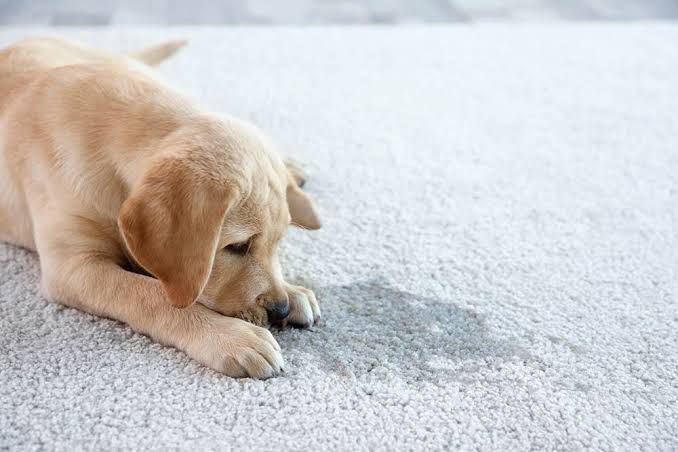
Beyond just “bad,” the specific type of smell can offer useful clues about what’s going on internally.
A sweet smell often points toward elevated sugar in the urine, which is a hallmark sign of diabetes and should be checked by a vet.
A fishy odor is frequently linked to bacterial infections, particularly UTIs, since certain bacteria produce this specific smell as a byproduct.
An intense ammonia smell usually points to concentrated urine from dehydration, though it can also indicate kidney involvement if it’s persistent.
A musty smell that’s different from the usual scent can sometimes be linked to liver issues or general metabolic changes.
| Smell Type | Most Likely Cause |
|---|---|
| Sweet or fruity | Diabetes |
| Fishy | Bacterial infection or UTI |
| Strong ammonia | Dehydration or kidney issue |
| Musty or off | Liver-related changes |
| Extremely foul with discharge | Pyometra (unspayed females) |
Not every bad smell means something is medically wrong. Sometimes the issue is more about the environment than your dog’s body.
Urine that dries into carpet, wood, or fabric leaves behind uric acid crystals that release odor again when humidity rises, even after cleaning.
Regular soap or bleach doesn’t break down uric acid crystals, and can actually push urine deeper into surfaces, making the smell return later.
Rooms with little airflow, like laundry rooms or basements, tend to trap urine odor longer than well-ventilated living spaces.
A single instance of stronger-than-usual urine smell usually isn’t an emergency. It’s often tied to hydration, diet, or heat.
However, a sudden and severe odor change combined with other symptoms, like lethargy, vomiting, or visible pain, should be treated urgently.
Unspayed female dogs showing a foul odor along with lethargy or a swollen belly need same-day veterinary attention due to the risk of pyometra.
Persistent odor changes over more than a few days, increased thirst, or more frequent bathroom trips are worth scheduling an appointment for.
Blood in the urine, straining without producing urine, visible pain, or a combination of odor and lethargy should be seen sooner rather than later.
A urine sample test checks for bacteria, blood, crystals, glucose, and concentration levels, giving a fast first read on what’s happening.
Bloodwork helps evaluate kidney and liver function, which can confirm or rule out organ-related causes behind the odor change.
X-rays or ultrasound may be used if bladder stones, kidney abnormalities, or reproductive issues like pyometra are suspected.
Fresh, accessible water throughout the day is one of the simplest ways to dilute urine and reduce ammonia concentration.
Enzyme-based cleaners break down uric acid crystals that regular cleaners leave behind, which prevents the smell from resurfacing later.
A high-quality, appropriately portioned diet supports normal kidney function and helps avoid unnecessary strain that can intensify odor.
Frequent bathroom breaks prevent urine from sitting too long in the bladder, which can otherwise make it more concentrated and smelly.
Annual or biannual wellness exams catch kidney, liver, or urinary issues early, often before a strong smell even develops.
Consistent water access, especially in hot weather or after exercise, keeps urine diluted and odor manageable.
Increased thirst, more frequent urination, or straining are often the earliest clues, appearing before the smell becomes obvious.
Spaying reduces the risk of pyometra, one of the more severe causes of dramatically foul-smelling urine in female dogs.
| Action | Why It Helps |
|---|---|
| Fresh water always available | Prevents concentrated, strong-smelling urine |
| Enzymatic cleaner for accidents | Removes odor-causing uric acid crystals |
| Balanced, appropriate diet | Supports kidney and liver function |
| Routine vet checkups | Catches issues before odor becomes severe |
| Spay/neuter | Lowers risk of reproductive infections |
Aging kidneys and weaker bladder control make older dogs more likely to have both stronger and more frequent odor issues.
The risk of pyometra and UTIs makes intact female dogs more prone to sudden, severe urine odor changes.
Dogs managing diabetes, kidney disease, or recurrent UTIs often deal with ongoing odor changes tied to their condition.
A few misconceptions tend to circulate about smelly dog urine, and believing them can delay a proper diagnosis.
Infection is one possible cause, but dehydration and diet are actually more common explanations for a stronger-than-usual smell.
Some conditions, like early kidney disease, progress quietly with few visible symptoms besides subtle odor and thirst changes.
Standard cleaners often fail to remove uric acid crystals, which is why the same spots keep smelling bad even after scrubbing.
Both male and female dogs can develop odor issues from dehydration, diet, or infection, but a few causes lean more toward one sex.
Unspayed female dogs face a higher risk of pyometra and UTIs due to anatomy, both of which can cause a notably foul smell.
Unneutered males can develop prostate issues that occasionally influence urine odor, particularly in older, intact dogs.
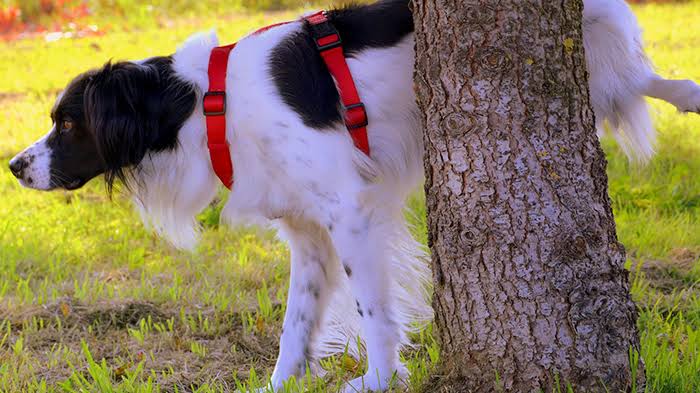
Puppies often have more concentrated urine simply due to smaller bladders and less frequent bathroom access, which usually isn’t a health concern.
Adult dogs most commonly develop odor changes from diet, hydration habits, or the onset of a urinary tract infection.
Older dogs face a higher risk of kidney decline, diabetes, and incontinence, all of which can intensify or change urine smell over time.
Keeping a simple log at home makes it much easier for your vet to identify patterns and narrow down the cause quickly.
Note the date, smell description, color, frequency of urination, and water intake for a few days before your appointment.
A clear pattern, like odor worsening after meals or alongside increased thirst, gives your vet a head start before any testing begins.
Water dilutes waste products in urine, which directly affects how strong the smell is. More water generally means a milder odor.
Dogs that eat mostly dry kibble often drink more water throughout the day, while wet food naturally provides more moisture upfront.
If your dog isn’t drinking enough, adding wet food or a pet water fountain can encourage more consistent hydration throughout the day.
Diets heavy in animal protein produce more urea as a byproduct, which tends to intensify the natural ammonia smell of urine.
Just like in humans, small amounts of certain vegetables can temporarily alter urine smell without indicating any health problem.
Cheap fillers can affect digestion and hydration balance indirectly, sometimes contributing to a stronger or more irregular odor over time.
Mild odor tied to hydration, heat, or a recent diet change usually resolves with more water and consistent bathroom breaks.
Infections, kidney disease, diabetes, and bladder stones all require vet-prescribed treatment rather than home adjustments alone.
Treating a suspected UTI with home remedies alone can allow a real infection to spread, so a vet check is safer for anything persistent.
Gathering a few details ahead of time makes your vet visit faster and more productive, especially for a symptom like odor that’s hard to describe.
Write down when the smell first changed and whether it’s constant or comes and goes throughout the day.
List anything unusual, like increased thirst, appetite changes, straining, or visible discomfort during urination.
A fresh urine sample, collected the same morning, can speed up testing and give your vet more accurate results.
A sudden change often points to dehydration, diet, or the start of an infection. If it persists more than a couple of days, see a vet.
Female dogs are more prone to UTIs and, if unspayed, pyometra, both of which can cause a distinctly foul urine odor.
Yes, high-protein diets and certain supplements can intensify urine smell without any underlying health issue involved.
A mild ammonia smell is normal, but an intense or growing ammonia odor can indicate dehydration or kidney concerns.
Not always, but it’s a strong indicator of bacterial involvement, so a vet check is recommended if it continues.
Smell alone isn’t enough to confirm a UTI; look for frequent urination, straining, or accidents alongside the odor.
Yes, dehydrated urine is more concentrated, which significantly intensifies the ammonia smell even without any illness present.
Puppies often have more concentrated urine due to smaller bladders and less frequent bathroom breaks, which is usually normal.
Yes, senior dogs are more prone to kidney and bladder issues, so odor changes are worth mentioning at their next checkup.
Increasing water intake and cleaning accidents with an enzymatic cleaner are the two fastest, most effective steps you can take.
So, why does my dog’s pee smell so bad? The answer ranges from simple dehydration and diet to more serious causes like UTIs, kidney disease, or diabetes. A mild ammonia smell is normal, but sudden, strong, sweet, or fishy odors are worth paying attention to, especially alongside other symptoms like increased thirst or straining.
Tracking when the smell changed and what else is different helps your vet reach a diagnosis faster. Simple steps like better hydration, a balanced diet, and enzymatic cleaning can resolve many non-medical cases quickly. When odor changes stick around or come with other warning signs, a vet visit is the safest next step for your dog’s health.