
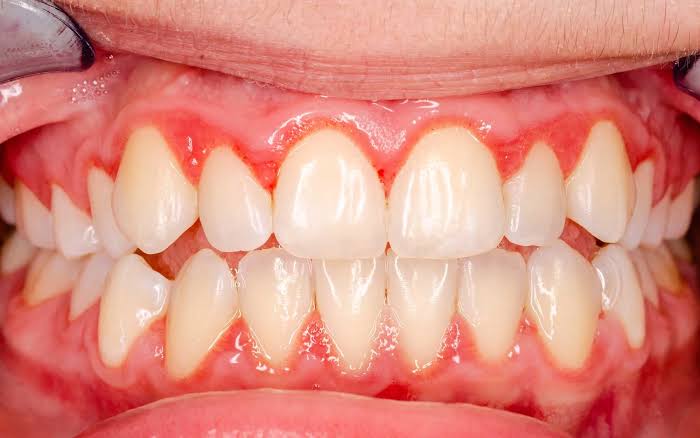
Why do gums bleed is one of the most common dental questions people search for after spotting blood in the sink while brushing or flossing. For many, it happens occasionally and feels harmless, but it can also be an early warning sign of gum disease or another health issue.
Understanding the real cause behind your bleeding gums helps you know whether a simple change in your routine will fix it, or whether it’s time to see a dentist.
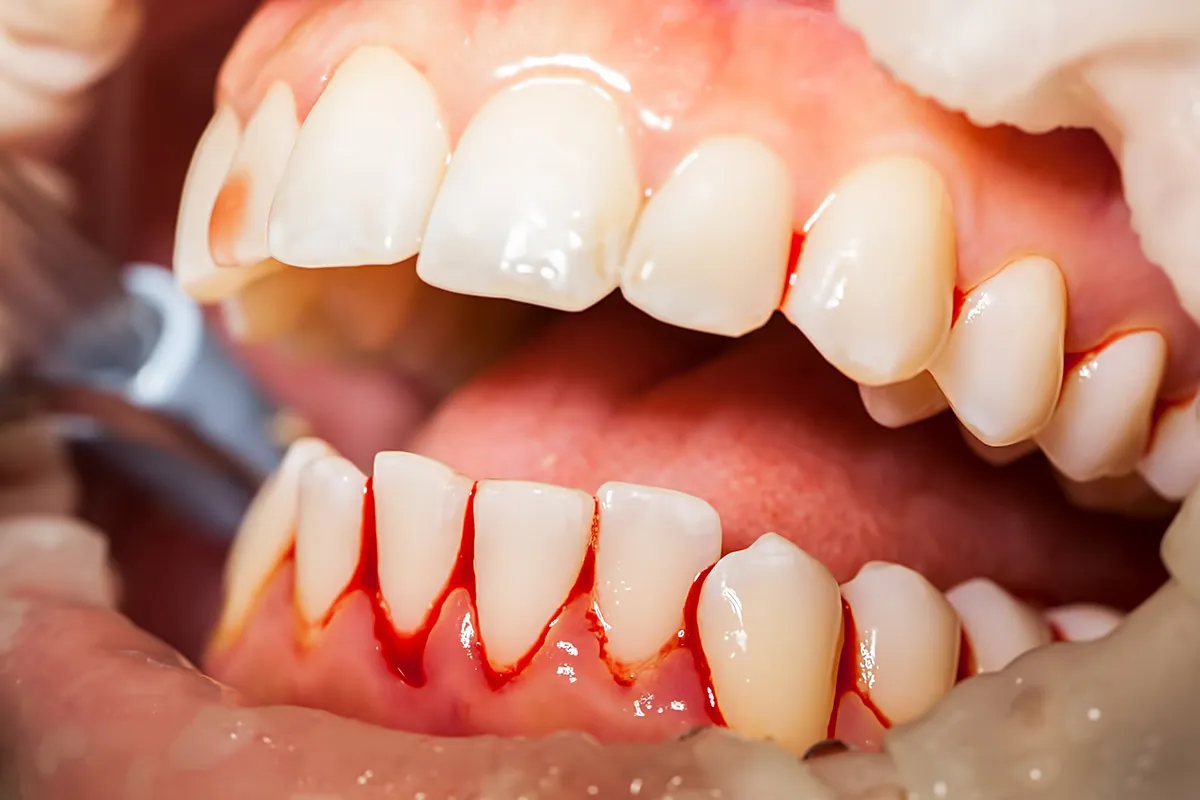
Bleeding gums happen when the soft tissue around your teeth becomes inflamed, irritated, or damaged.
In most cases, this is your body’s inflammatory response to bacteria and plaque sitting along the gumline.
While occasional light bleeding is common, gums that bleed regularly, heavily, or without an obvious trigger deserve closer attention.
There are many reasons your gums may bleed, ranging from simple brushing habits to underlying health conditions.
Below is a breakdown of the most common causes reported by dentists and periodontists.
Gingivitis is the earliest stage of gum disease and the single most common cause of bleeding gums.
It develops when plaque builds up along the gumline, causing inflammation, redness, and bleeding during brushing or flossing.
If gingivitis is left untreated, it can progress into periodontitis, a more advanced and serious form of gum disease.
At this stage, bleeding is often paired with gum recession, loose teeth, and bad breath that doesn’t go away.
Aggressive brushing or a hard-bristled toothbrush can physically injure delicate gum tissue and cause bleeding.
Switching to a soft-bristled brush and gentler technique often resolves this type of bleeding within days.
Flossing incorrectly, such as snapping the floss between teeth, can nick and irritate the gums.
If you’ve just started flossing regularly, mild bleeding for the first week is normal as your gums adjust and strengthen.
Hormone fluctuations during puberty, pregnancy, or menopause increase blood flow to the gums, making them more sensitive and prone to bleeding.
This is sometimes called “pregnancy gingivitis” and often improves after hormone levels stabilize.
Vitamin C plays a key role in collagen production and gum tissue repair.
A deficiency can weaken gum tissue and blood vessels, making bleeding more likely even with gentle brushing.
Vitamin K is essential for proper blood clotting throughout the body, including in the gums.
Low levels of this vitamin can make your gums bleed more easily and for longer than normal.
Medications like aspirin, warfarin, or other blood thinners reduce your blood’s ability to clot.
This can cause gums to bleed more noticeably during brushing, flossing, or dental procedures.
Conditions such as leukemia, hemophilia, and other blood-clotting disorders can present bleeding gums as an early symptom.
If bleeding is severe, spontaneous, or paired with other unusual symptoms, medical evaluation is important.
Diabetes makes it harder for your body to fight bacteria and infection, increasing your risk of gum disease and bleeding.
Poorly controlled blood sugar levels are strongly linked to more severe and persistent gum inflammation.
Smoking and vaping both increase your risk of gum disease, bleeding, and slower healing of gum tissue.
Nicotine also restricts blood flow, which can mask early bleeding while allowing damage to worsen underneath.
Diets high in sugar and processed carbohydrates feed the bacteria that cause plaque buildup and gum inflammation.
Starchy foods that get stuck between teeth can also break down into sugar, worsening the problem over time.
Chronic stress can weaken your immune system’s ability to fight off the bacteria that cause gum inflammation.
Stress is also linked to teeth grinding, which places extra pressure on gums and can contribute to bleeding.
Dentures, retainers, or braces that don’t fit properly can rub against the gums and cause irritation or bleeding.
Regular adjustments from your dentist or orthodontist can prevent this ongoing friction.
| Cause | Typical Bleeding Pattern | Reversible With Home Care? |
|---|---|---|
| Gingivitis | During brushing/flossing | Yes |
| Periodontitis | Frequent, with recession | Needs professional treatment |
| Hard brushing | Localized, mild | Yes |
| New flossing habit | Mild, first 1-2 weeks | Yes |
| Hormonal changes | Cyclical or pregnancy-related | Often improves on its own |
| Vitamin C deficiency | Widespread, easy bleeding | Yes, with diet change |
| Vitamin K deficiency | Prolonged bleeding | Yes, with diet change |
| Blood thinners | Noticeable during brushing | Needs doctor consultation |
| Blood disorders | Spontaneous, heavy | Needs medical evaluation |
| Diabetes | Persistent, slow healing | Needs medical management |
| Smoking/vaping | Masked, worsens over time | Improves after quitting |
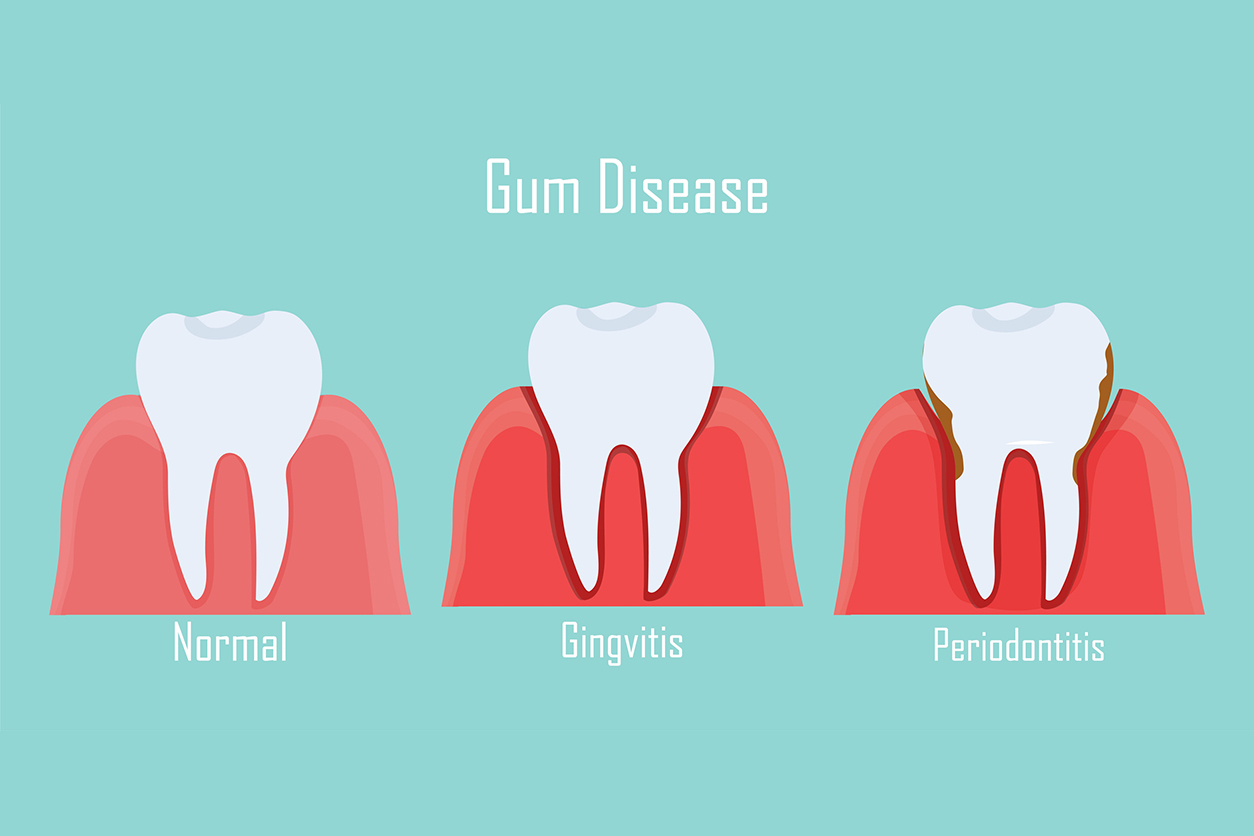
Teeth infographic Gum disease stages gingivitis and periodontitis. Editable vector illustration in flat style. Medical concept in natural colors on background. Keep your teeth healthy
Bleeding gums rarely occur in isolation and are usually accompanied by other visible signs of gum inflammation.
Common symptoms include red or swollen gums, tenderness when touched, and persistent bad breath despite regular brushing.
Some people also notice gum recession, sensitivity to hot or cold foods, or a change in how their teeth fit together when biting down.
In more advanced cases, symptoms may include loose teeth, pus between the teeth and gums, or visible pockets forming along the gumline.
Some people also notice a metallic taste in their mouth or increased tooth sensitivity as inflammation spreads deeper into the surrounding tissue.
Morning bleeding, where you notice blood on your pillow or in your saliva upon waking, can also point toward more advanced gum inflammation.
Not all gum discomfort means something is seriously wrong, so it helps to know the difference.
Normal gum sensitivity might involve mild tenderness after a new flossing routine or a slightly firmer toothbrush, without ongoing bleeding.
True bleeding gums, on the other hand, involve visible blood during or after cleaning, often paired with redness or swelling that doesn’t resolve within a week.
During puberty, hormonal shifts can make gums more reactive to plaque, leading to more frequent bleeding even with decent oral hygiene.
During pregnancy, increased blood flow and hormone changes commonly cause pregnancy gingivitis, which usually improves after childbirth.
In older adults, bleeding gums are more often linked to periodontitis, medication use, or chronic health conditions like diabetes.
Most mild cases of bleeding gums can be improved at home with consistent care and a few simple adjustments.
Results are usually gradual, so give any new routine at least one to two weeks before expecting major change.
A soft-bristled brush cleans effectively without damaging delicate gum tissue the way a hard-bristled brush can.
Replace your toothbrush every three to four months, or sooner if the bristles look frayed.
Use gentle circular motions rather than aggressive back-and-forth scrubbing when brushing your teeth.
When flossing, glide the floss in a “C” shape around each tooth instead of snapping it between them.
A warm salt water rinse can reduce inflammation and help kill bacteria contributing to gum irritation.
Swishing for 30 seconds, once or twice a day, is generally enough to see mild improvement.
Eating more citrus fruits, leafy greens, and bell peppers supports collagen production and healthy blood clotting.
This combination directly strengthens gum tissue and reduces the likelihood of easy bleeding.
Drinking enough water helps maintain saliva flow, which naturally washes away food particles and bacteria.
Cutting back on sugary and processed foods reduces the fuel that plaque-causing bacteria rely on.
Quitting smoking or vaping significantly improves gum healing and reduces inflammation over time.
This is one of the most impactful long-term changes you can make for both gum and overall oral health.
| Remedy | Time to See Results | Cost |
|---|---|---|
| Soft-bristled brush | 3-7 days | Low |
| Gentle brushing/flossing | 1-2 weeks | Free |
| Salt water rinse | Days | Free-Low |
| Vitamin C and K rich diet | 1-3 weeks | Low-Moderate |
| Hydration and diet changes | 1-2 weeks | Low |
| Quitting smoking/vaping | Weeks to months | Free-Moderate |
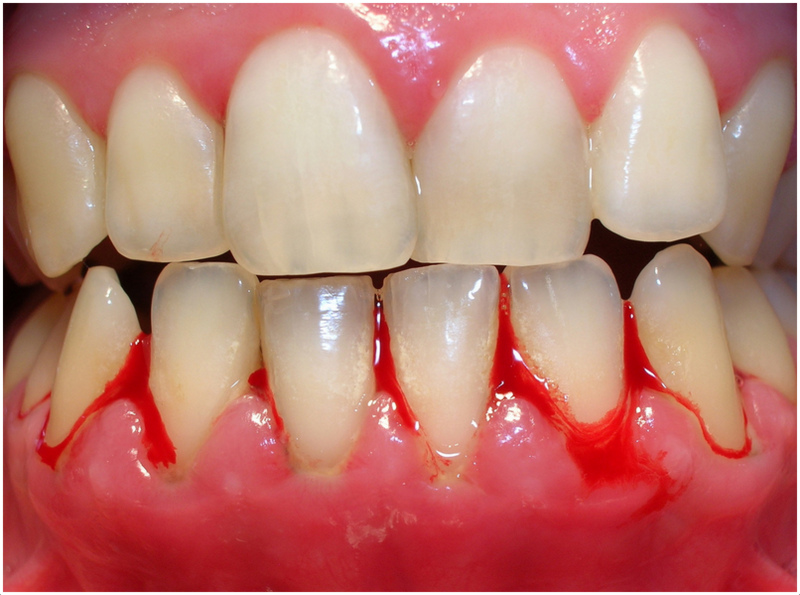
When home care isn’t enough, especially for gingivitis that has progressed, professional treatment can prevent further damage.
A routine cleaning removes hardened plaque, called tartar, that a toothbrush alone cannot reach.
This is often enough to reverse early gingivitis and stop bleeding within a couple of weeks.
This deep cleaning procedure removes plaque and tartar from below the gumline and smooths tooth roots.
It’s typically recommended for more advanced gum disease that hasn’t responded to regular cleanings.
Dentists may prescribe topical or oral antibiotics to control bacterial infection contributing to persistent gum bleeding.
This is usually combined with improved home care and professional cleanings for the best results.
For severe periodontitis, surgical options can reduce pocket depth around the teeth and support long-term healing.
These procedures are typically reserved for cases where non-surgical treatment hasn’t been effective.
When bleeding gums are linked to diabetes or a blood disorder, treating the root condition is essential alongside dental care.
Working closely with both your dentist and physician often leads to faster, more lasting improvement in gum health.
Bleeding gums in children are often linked to the eruption of new teeth, mild gingivitis, or overly vigorous brushing.
Teaching kids proper brushing and flossing technique early helps establish habits that prevent gum problems later in life.
If a child’s gums bleed frequently or heavily, a pediatric dentist can rule out other causes and guide appropriate care.
Most professional treatments for bleeding gums involve minimal discomfort and little to no downtime.
Deep cleaning procedures may cause mild soreness for a day or two, which typically resolves with basic aftercare.
Your dentist will usually schedule a follow-up visit within a few weeks to confirm the bleeding has improved and gums are healing properly.
Preventing bleeding gums is far easier than treating advanced gum disease later on.
Building these habits into your daily routine, rather than treating them as occasional fixes, is what keeps gum disease from developing in the first place.
Small, consistent habits protect your gums far more effectively than occasional intense cleaning sessions.
A predictable morning and night routine matters more for gum health than any single expensive product.
Brushing for a full two minutes, twice daily, ensures plaque doesn’t have time to harden into tartar along the gumline.
Using an antibacterial mouthwash after brushing can add an extra layer of protection, especially for people prone to plaque buildup.
Beyond specific vitamins, your overall eating pattern plays a major role in how resilient your gums are to bleeding.
Crunchy fruits and vegetables like apples and carrots naturally help clean teeth and stimulate healthy gum tissue while you chew.
Excess alcohol consumption can also dry out the mouth and reduce saliva flow, indirectly increasing plaque buildup and gum irritation over time.
| Nutrient | Best Food Sources | Why It Helps |
|---|---|---|
| Vitamin C | Oranges, strawberries, bell peppers | Supports collagen and gum repair |
| Vitamin K | Kale, spinach, broccoli | Improves blood clotting |
| Calcium | Dairy, almonds, leafy greens | Strengthens teeth and supporting bone |
| Omega-3 | Salmon, walnuts, flaxseed | Reduces gum inflammation |
| Water | Fluids, water-rich produce | Maintains saliva flow and rinses bacteria |
There is a lot of misinformation about what causes bleeding gums and how serious it really is.
Clearing up these myths can help you take the right action instead of ignoring or overreacting to the symptom.
While gum disease is the most common cause, bleeding can also come from vitamin deficiencies, medications, or aggressive brushing.
Not every case of bleeding gums points to a serious dental problem.
Avoiding a bleeding area actually allows plaque to build up further, often making the bleeding worse.
Gentle, consistent brushing is usually the better approach unless a dentist advises otherwise.
Mild bleeding often resolves with better habits, but persistent bleeding beyond two weeks usually needs professional attention.
Ignoring ongoing bleeding can allow gum disease to progress silently in the background.
Recovery timelines vary depending on the underlying cause and how consistently you address it.
Bleeding from a new flossing routine or overly aggressive brushing often resolves within one to two weeks.
Gingivitis-related bleeding typically improves within two to four weeks of consistent oral hygiene and professional cleaning.
More advanced gum disease may take several months of combined professional treatment and home care to fully stabilize.
Certain everyday habits can quietly worsen gum bleeding without you realizing the connection.
Skipping regular dental visits allows plaque to harden into tartar, which only a professional cleaning can remove.
Chewing on hard objects like ice or pens can also cause repeated micro-trauma to the gums, contributing to ongoing irritation and bleeding.
Most cases of mild bleeding gums improve with better oral hygiene within one to two weeks.
However, you should see a dentist if bleeding continues beyond two weeks, becomes heavier, or is accompanied by swelling, pain, or loose teeth.
Sudden or severe gum bleeding without an obvious cause can sometimes signal an underlying blood disorder or systemic health condition.
If you’re on blood-thinning medication and notice unusually heavy bleeding, it’s worth mentioning to both your dentist and doctor.
Keeping a simple log of when the bleeding occurs, how heavy it is, and any recent changes to your routine can help your dentist pinpoint the cause faster.
This is usually a sign of gingivitis caused by plaque buildup along the gumline. A dental cleaning and better brushing habits often help.
Yes, mild bleeding is common during the first week of a new flossing routine and typically improves as gums strengthen.
Yes, chronic stress can weaken your immune response and contribute to teeth grinding, both of which can worsen gum bleeding.
Low levels of vitamin C or vitamin K are most commonly linked to easy or prolonged gum bleeding.
In some cases, yes. Persistent or severe bleeding gums can indicate diabetes, blood disorders, or advanced gum disease.
Rinse with warm salt water, switch to a soft-bristled brush, and floss gently to reduce irritation quickly.
Yes, hormonal changes during pregnancy increase blood flow to the gums, often causing what’s called pregnancy gingivitis.
If bleeding lasts more than two weeks, worsens, or comes with pain and loose teeth, it’s time to see a dentist.
Yes, an antibacterial or salt water rinse can reduce inflammation and support healing alongside proper brushing and flossing.
Yes, blood-thinning medications reduce clotting ability, which can make gums bleed more easily during brushing or dental visits.
Bleeding gums can result from many factors, including gingivitis, aggressive brushing, hormonal changes, vitamin deficiencies, and certain medications or health conditions.
In most mild cases, this symptom improves with better oral hygiene, a soft-bristled toothbrush, and gentle, consistent flossing.
For more persistent or advanced cases, professional treatments like deep cleaning, scaling and root planing, or targeted medical care can effectively resolve the underlying cause.
If your gums bleed for more than two weeks, worsen over time, or come with pain, swelling, or loose teeth, it’s important to see a dentist promptly.
With the right combination of prevention, home care, and professional support, most people can restore healthy, bleeding-free gums and protect their smile for the long term.
Making gum health a daily priority, rather than an afterthought, is the simplest way to avoid bigger dental problems down the road.