
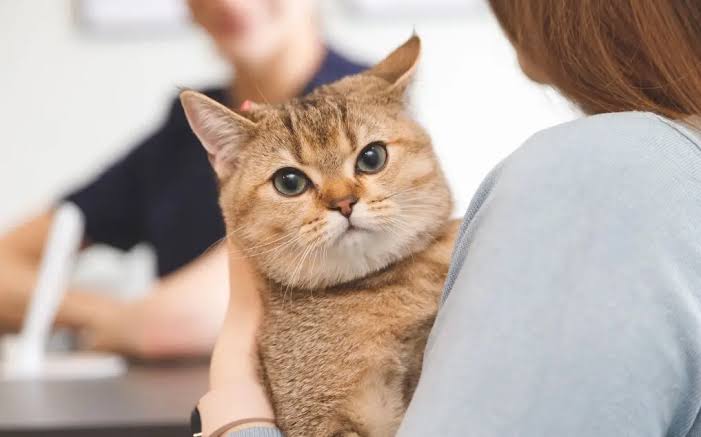
Why did my cat pee on me is a question most cat owners never expect to ask, until it happens. One moment your cat is curled up on your lap, and the next you notice a warm, unmistakable wet patch.
It is easy to feel confused, grossed out, or even hurt, especially if your cat has never done this before. But cats almost never pee on people out of spite or anger.
This guide walks through every medical and behavioral reason a cat might pee on you, how to respond in the moment, and how to stop it from happening again, so you can protect both your bond with your cat and your furniture.
In most cases, a cat pees on its owner because of stress, a litter box problem, or an underlying medical issue. It is almost never a deliberate act of revenge.
The table below summarizes the most common causes before we look at each one in detail.
| Cause | What It Looks Like | Vet Visit Needed? |
|---|---|---|
| Urinary tract infection | Frequent, urgent peeing | Yes |
| Litter box aversion | Avoiding a dirty or unwanted box | No, fix the box first |
| Stress or anxiety | Peeing on you or soft surfaces | Sometimes |
| Territorial marking | Small amounts, often near doors | No, but manage triggers |
| Kidney disease or diabetes | Increased thirst and urination | Yes |
| Arthritis or mobility issues | Accidents near where cat rests | Yes |
| Cognitive dysfunction (senior cats) | Confusion, forgetting litter box | Yes |
| Fear-based accident | Sudden, one-time event | No, unless repeated |
Now let’s break down each of these causes in more depth, along with what you should do next.
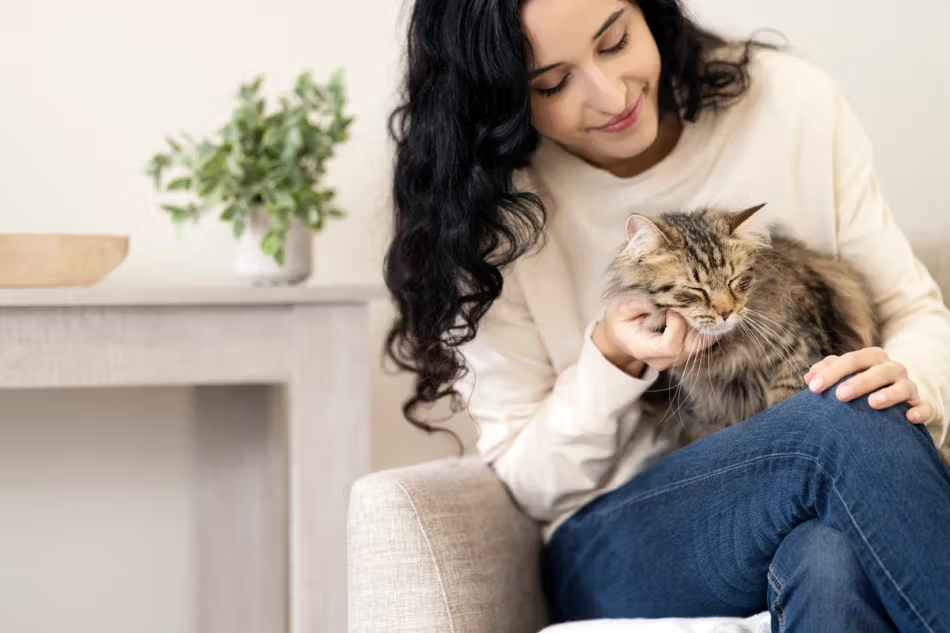
Cats are creatures of habit, and urinating outside the litter box is almost always a signal that something feels wrong to them. Understanding the cause helps you respond the right way.
A urinary tract infection can make urination sudden, urgent, and hard to control. Your cat may not make it to the litter box in time if they are sitting on your lap.
Other signs include straining to pee, blood in the urine, or frequent trips to the litter box. This always warrants a vet visit.
Cats are naturally clean animals and will avoid a litter box that feels dirty, smelly, or unpleasant. If the box has not been scooped recently, your cat may look for another option, including you.
Switching litter type, box style, or location can sometimes trigger this same avoidance.
Stress is one of the most common causes of inappropriate urination in cats. Triggers include new pets, houseguests, moving homes, or changes in your daily routine.
When a cat feels anxious, your lap can feel like the safest place, which sometimes leads to an accident right there.
Marking behavior involves small amounts of urine, often with a strong odor, deposited to claim territory. This is more common in unneutered cats but can happen in any cat that feels their space is threatened.
Marking on you specifically can mean your cat is trying to claim you as part of their territory.
Both kidney disease and diabetes increase how much a cat needs to urinate. This creates more chances for accidents if your cat cannot reach the litter box quickly enough.
Increased thirst, weight loss, or lethargy alongside the accident are red flags that need veterinary attention.
Older cats with arthritis may find it painful or difficult to climb into a litter box, especially one with high sides. If lying on you feels more comfortable, an accident can happen right where they rest.
A low-entry litter box placed nearby can often resolve this specific issue.
Cats over the age of ten can develop feline cognitive dysfunction, similar to dementia in humans. This can cause confusion about where the litter box is located.
Affected cats may urinate on the nearest available surface, including a person they are resting on.
A sudden loud noise, an unfamiliar visitor, or another pet’s aggressive move can startle a cat into an involuntary accident. This is usually a one-time event tied to a specific scare.
If your cat feels safest curled up with you when startled, the accident may happen on your lap.
In homes with multiple cats, competition over litter boxes or territory can cause one cat to avoid the box entirely. Bullying between cats is a common but often overlooked trigger.
The general rule is one litter box per cat, plus one extra, placed in separate areas.
New furniture, a recent move, renovation noise, or even rearranged litter box placement can unsettle a cat. Sensitive cats sometimes respond to environmental change with inappropriate urination.
Keeping a consistent routine helps reduce this kind of stress-triggered accident.
Some cats dislike covered boxes, scented litter, or boxes placed in noisy, high-traffic areas. If the box does not meet your cat’s preferences, they may avoid it altogether.
Testing different litter types and locations can help identify what your cat actually prefers.
The circumstances around the accident often provide useful clues about the underlying cause. Timing and location matter just as much as the behavior itself.
This is often linked to stress, a medical issue, or your cat seeking comfort and warmth at night. A dirty litter box that goes unnoticed overnight can also be a factor.
If this becomes a pattern, a vet visit is the best next step to rule out illness.
Sudden pressure on the bladder combined with fear or discomfort can cause an involuntary release. This is more common in cats with urinary issues or high anxiety.
Handling your cat gently and less abruptly may reduce how often this happens.
Cats sometimes lose a bit of bladder control coming out of deep sleep, especially older cats. This can also happen if the litter box is too far from where they nap.
Keeping a box closer to favorite resting spots can help prevent this.
New additions to the household are a major stress trigger for cats. Peeing on you may be your cat’s way of seeking comfort or reasserting closeness during a confusing time.
Slow introductions and extra attention during the transition period can ease this stress.
An accident on its own does not always tell the full story. Watching for related symptoms helps you understand whether this is medical or behavioral.
Common accompanying signs include frequent trips to the litter box, straining, crying while urinating, or blood in the urine. Increased thirst and appetite changes are also worth noting.
Behavioral clues include hiding, reduced grooming, aggression, or avoiding certain rooms of the house entirely.
| Symptom | Likely Cause | Recommended Action |
|---|---|---|
| Straining with little urine | UTI or bladder stones | Vet visit within 24 hours |
| Increased thirst and urination | Diabetes or kidney disease | Schedule a vet exam |
| Peeing only in stressful moments | Anxiety | Reduce triggers, consider calming aids |
| Small marks near doors or windows | Territorial marking | Neuter/spay if not done, manage triggers |
| Avoiding the litter box entirely | Box aversion | Clean, relocate, or replace the box |
| Confusion, wandering at night | Cognitive dysfunction | Vet evaluation for senior cats |
| One-time accident after a scare | Fear response | Monitor, no action needed unless repeated |
While most accidents are manageable, some situations need urgent veterinary care, especially in male cats.
Straining to urinate with little or no output can signal a urinary blockage, which is a life-threatening emergency in male cats. Crying in the litter box or visible distress should never be ignored.
Blood in the urine, repeated vomiting, or sudden lethargy alongside urination changes also warrant an immediate vet visit.
Your reaction in the moment matters, both for your relationship with your cat and for figuring out the real cause.
Cats do not pee on people out of spite, so getting angry will not help and may increase their stress. A calm response keeps the situation from escalating.
Take a breath, gently move your cat aside, and clean up before addressing the cause.
Punishment after the fact does not connect to the behavior in your cat’s mind. It only teaches your cat to fear you, which can make future accidents more likely.
Focus on identifying and removing the trigger instead of disciplining your cat.
Use an enzymatic cleaner designed for pet urine to fully remove the scent. If any odor lingers, your cat or other pets may be drawn back to the same spot.
Regular soap and water often is not enough to eliminate the smell completely.
Write down when the accident happened, what your cat was doing beforehand, and any other symptoms you noticed. This information is valuable if you need to visit a vet.
Patterns over time often reveal whether the cause is medical or behavioral.
Once you understand the likely cause, a few consistent changes can prevent future accidents.
Any new or repeated inappropriate urination deserves a veterinary checkup first. Ruling out medical causes saves time and prevents a treatable condition from worsening.
A urine test can quickly confirm or rule out infection, crystals, or other issues.
Scoop the litter box daily and fully change the litter on a regular schedule. A clean, fresh-smelling box is far less likely to be avoided.
Make sure there are enough boxes for every cat in the household, plus one extra.
Keep routines predictable and introduce new pets, people, or furniture gradually. Giving your cat a quiet, safe retreat space can also lower overall anxiety.
Pheromone diffusers designed for cats can help ease tension during transitions.
Place boxes in quiet, easily accessible areas away from loud appliances or high foot traffic. Try different litter textures if your cat seems to be avoiding the current one.
Older or arthritic cats benefit from low-sided boxes that are easier to enter.
For anxious cats, calming supplements, pheromone products, or vet-recommended medications can help reduce stress-related accidents. These work best combined with environmental changes.
Always talk to your vet before starting any calming product.
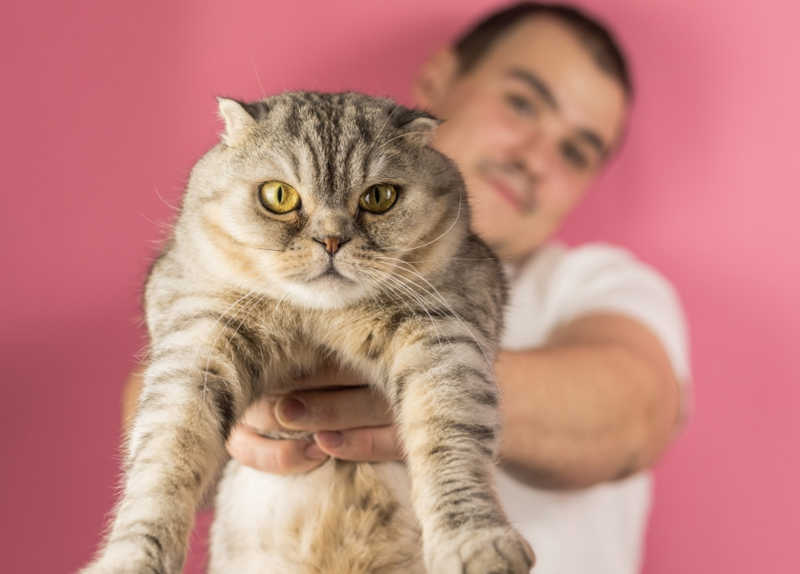
A few persistent myths make this behavior harder to understand and solve. Clearing them up helps you respond more effectively.
One common myth is that cats pee on people for revenge after being scolded or left alone. In reality, cats do not have the cognitive framework for revenge-based behavior.
Another myth is that this behavior always means your cat is untrainable or broken. Most cases resolve completely once the medical or environmental trigger is addressed.
Some owners also assume punishment will stop the behavior. Punishment tends to increase stress, which often makes accidents more frequent, not less.
Understanding the difference between peeing and spraying helps you identify the right solution faster.
Peeing typically involves a larger volume of urine on a horizontal surface, like your lap or a bed. Spraying involves a small amount sprayed backward onto a vertical surface, such as a wall or door frame.
Spraying is almost always territorial marking, while peeing on you is more likely tied to stress, comfort-seeking, or a medical issue.
Long-term prevention comes down to consistency, not one-time fixes. A predictable litter box routine removes many of the triggers that lead to accidents in the first place.
Scoop the litter box at least once a day, ideally twice if you have multiple cats sharing the home. A box left unscooped for even one day can be enough to send a picky cat looking elsewhere.
Fully wash the litter box with mild soap every one to two weeks. Harsh chemicals can leave a scent that cats find unpleasant, so a gentle cleaner works best.
Place boxes in quiet, low-traffic locations that still feel easily accessible. Avoid areas near loud appliances, since sudden noises can startle a cat mid-use and create a lasting aversion.
Keep the golden rule in mind: one litter box per cat, plus one additional box. In multi-cat homes, this simple ratio prevents most competition-related avoidance issues.
Many of the medical causes behind inappropriate urination are easier to treat when caught early. Routine veterinary care plays a bigger role in prevention than most owners realize.
Annual wellness exams for adult cats, and twice-yearly exams for senior cats, help catch kidney disease, diabetes, and arthritis before symptoms become severe. Blood work and urine tests are often part of these routine visits.
Bringing up any change in litter box habits during a regular appointment, even a small one, gives your vet a chance to investigate before the issue grows.
Cats are skilled at hiding discomfort, so behavioral changes like peeing outside the box are often the first visible clue that something deeper is going on internally.
Keeping a simple log of your cat’s weight, water intake, and litter box habits between vet visits can also help your veterinarian spot subtle trends that might otherwise go unnoticed.
Even though accidents are not personal, they can leave owners feeling frustrated, and cats can sense that shift in energy. Rebuilding a relaxed, trusting dynamic helps prevent repeat incidents.
Spend calm, positive time with your cat away from the litter box area, such as gentle play or quiet petting sessions. This reassures your cat that the relationship remains safe and steady.
Avoid hovering anxiously around your cat’s litter box habits, since cats can pick up on tension. A relaxed household atmosphere generally supports more consistent litter box use.
If accidents continue despite your best efforts, a veterinary behaviorist can offer tailored strategies. Combining medical clearance with behavior support gives the most complete path back to normal.
Sudden, unexplained accidents are often linked to stress, fear, or an underlying medical issue. A vet visit is the safest first step.
No, cats do not urinate out of anger or spite. It is almost always tied to stress, health, or a litter box problem.
Some cats seek comfort and safety on their owner during stressful or painful moments. This can make you the most likely spot for an accident.
Yes, cats are very sensitive to cleanliness and will avoid a dirty box. Scooping daily often resolves the issue quickly.
One isolated accident may not need a vet visit, but repeated accidents should be checked. Straining or crying during urination needs urgent attention.
Yes, stress is one of the leading causes of inappropriate urination in cats. Identifying and reducing the stressor usually helps.
Older cats may develop arthritis, kidney disease, or cognitive dysfunction that affects litter box use. A veterinary exam can identify the cause.
Spaying or neutering reduces territorial marking significantly, though it may not fix medical or stress-related peeing. It remains a helpful long-term step.
Yes, straining with no urine output in a male cat can signal a life-threatening blockage. This requires emergency veterinary care immediately.
Behavioral causes often improve once stress or litter box issues are fixed. Medical causes need treatment and will not resolve without a vet visit.
Discovering that your cat has peed on you can feel confusing and frustrating, but it is rarely a sign of anger or spite. In most cases, the answer to why did my cat pee on me comes down to stress, a litter box problem, or an underlying medical condition that needs attention.
Paying close attention to when and how the accident happens gives you valuable clues about the real cause. Simple fixes like better litter box hygiene, a calmer routine, and gentle handling solve many cases on their own.
However, repeated accidents, straining, or other unusual symptoms should never be ignored, since they can point to a treatable medical issue. A quick veterinary checkup brings clarity and helps you and your cat get back to a comfortable, accident-free routine.