

Why are my nipples always hard is a common health question, and in most cases, the answer is completely harmless. Nipples become hard when tiny muscle fibers in the areola contract in response to cold, friction, hormones, or emotional stimuli.
This reaction is controlled by the nervous system and happens automatically, much like goosebumps on the skin. While occasional hardness is normal, persistent or one-sided changes can sometimes point to an underlying condition worth checking.

Nipple hardness happens when small smooth muscle fibers in the areola contract in response to a trigger.
This is a reflex controlled by the autonomic nervous system, the same system responsible for goosebumps and shivering.
The reaction can be triggered by temperature, touch, hormones, stress, or emotional and physical stimulation.
Most cases of hard nipples are linked to normal, everyday triggers rather than a medical problem. Below are the most frequent causes seen in both men and women.
Cold air or water causes blood vessels near the skin to tighten, which can make nipples firm up quickly.
This is a natural way the body conserves heat and protects sensitive skin from the cold.
The hardness usually fades once the body warms back up to a normal temperature.
Tight bras, rough fabric, or seams rubbing against the chest can create constant, low-level stimulation.
This friction can keep nipples firm throughout the day, especially during exercise or long periods of movement.
Switching to soft, breathable, well-fitted fabric often reduces this type of irritation.
Hormone shifts during the menstrual cycle, ovulation, or PMS can increase breast and nipple sensitivity.
Rising estrogen levels around ovulation are a common reason nipples feel firmer than usual.
These changes are temporary and typically resolve once hormone levels shift again later in the cycle.
Nipple tissue is connected to nerve pathways that respond to physical and even psychological stimulation.
Arousal or anticipation can trigger the same nervous system response responsible for nipple hardness in other contexts.
This is a completely normal physiological reaction and not something to be concerned about.
Anxiety and high-stress situations activate the sympathetic nervous system, the same system involved in the fight-or-flight response.
This can cause a range of involuntary reactions, including nipple hardness, alongside a faster heartbeat or sweating.
Managing stress through relaxation techniques may help reduce how often this happens.
Pregnancy causes a major hormonal shift that increases blood flow and sensitivity throughout the breast tissue.
Many people notice firmer, more prominent nipples starting in the first trimester as the body prepares for breastfeeding.
Darkening of the areola often accompanies this change and is considered a normal part of pregnancy.
During breastfeeding, nipples often become hard due to direct stimulation from a feeding baby.
This response helps babies latch more easily and is considered a normal, functional reaction.
However, persistent hardness paired with pain or redness during breastfeeding could indicate an infection.
Declining estrogen levels during perimenopause can cause breast tenderness and occasional nipple firmness.
These hormonal shifts affect breast tissue sensitivity as the body transitions toward menopause.
While uncomfortable, this type of hardness is usually a normal part of the hormonal transition.
Soaps, lotions, detergents, or fragrances can irritate the delicate skin around the nipple.
This irritation may cause redness, itching, or firmness as the skin reacts to the allergen.
Switching to fragrance-free, hypoallergenic products often resolves this type of reaction quickly.
Piercings increase nerve sensitivity in the nipple, making it react more easily to touch or fabric.
This heightened sensitivity can cause nipples to become hard more frequently than before the piercing.
Piercings also carry a risk of bacterial infection, which should be monitored closely during healing.
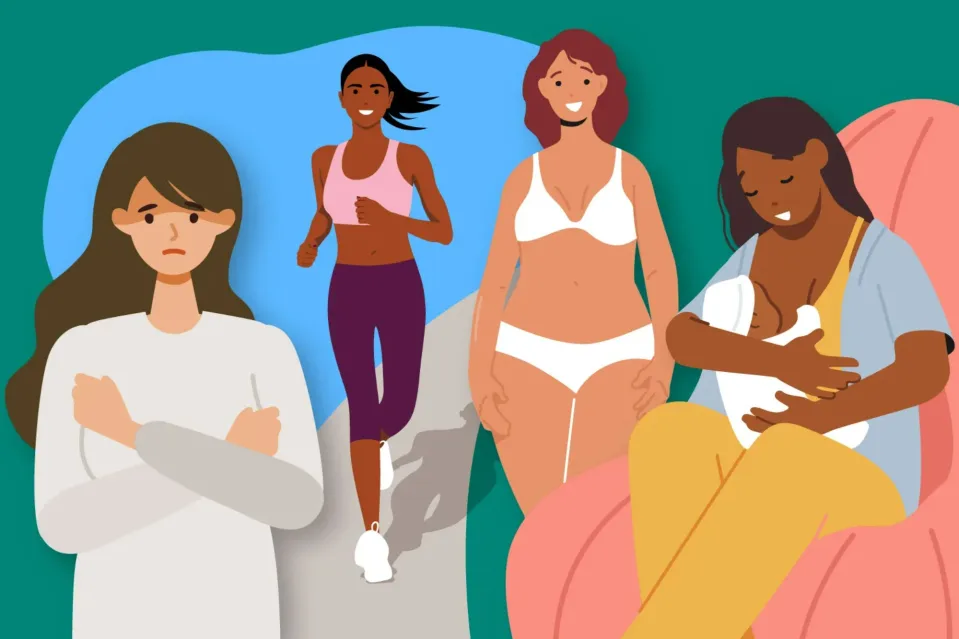
While most hard nipples are harmless, certain underlying conditions can also cause this symptom. The table below outlines conditions linked to persistent nipple hardness.
| Condition | Key Signs to Watch For |
|---|---|
| Mastitis | Redness, warmth, swelling, fever, pain |
| Breast abscess | Hard painful lump, pus, fever |
| Fibrocystic breast changes | Lumpiness, tenderness tied to cycle |
| Hyperprolactinemia | Nipple discharge, irregular periods |
| Thyroid disorders | Fatigue, weight changes, sensitivity |
| Paget’s disease of the nipple | Scaly skin, discharge, one-sided change |
| Periductal mastitis | Soreness, swelling near areola |
Certain patterns can help you tell the difference between normal nipple hardness and something that needs medical attention.
| Sign | What It Likely Means |
|---|---|
| Hardness that comes and goes | Normal reflex response |
| Hardness tied to temperature or touch | Normal, harmless reaction |
| Hardness during ovulation or PMS | Hormonal fluctuation |
| One nipple hard, other unaffected | Should be evaluated by a doctor |
| Hardness with pain and redness | Possible infection |
| Hardness with discharge | Needs medical evaluation |
| Hardness with a lump behind nipple | Needs prompt evaluation |
| Hardness with scaly or crusted skin | Needs evaluation for skin condition |
Men have nipple tissue and nerve pathways similar to women, so they can experience hardness too.
Common triggers in men include cold temperature, friction from clothing, and hormonal shifts.
Persistent hardness in men, especially with soreness or swelling, may be linked to a condition called gynecomastia.
Gynecomastia involves the growth of glandular breast tissue and can make the nipple area feel firm or swollen.
Frequent chafing from tight shirts or workouts is another common reason men notice ongoing nipple sensitivity.
Hardness affecting both nipples equally is usually linked to temperature, hormones, or general stimulation.
One-sided hardness without an obvious cause is more likely to be linked to a localized issue, like infection or a growth.
If only one nipple is affected and stays that way for an extended period, a doctor visit is recommended.
Tracking whether the hardness is symmetrical can help your doctor narrow down potential causes faster.
Occasional or triggered nipple hardness rarely needs medical attention and usually resolves on its own.
However, certain symptoms alongside hardness should prompt a visit to a healthcare provider.
These include persistent one-sided hardness, nipple discharge, a new lump, skin changes, or pain that does not go away.
Early evaluation can rule out infections or more serious conditions and provide peace of mind.
A doctor typically starts with a physical breast exam to check for lumps, discharge, or skin changes.
They may ask about your menstrual cycle, medications, and any recent changes in clothing or skincare products.
If needed, imaging tests like an ultrasound or mammogram can help rule out structural or tissue-related causes.
Blood tests may also be used to check hormone levels if an imbalance is suspected.
For friction-related hardness, switching to soft, seamless fabric and a well-fitted bra can make a noticeable difference.
Applying waterproof tape or soft padding during exercise can reduce chafing in sensitive areas.
Using fragrance-free lotions and detergents helps prevent allergic reactions that contribute to irritation.
Over-the-counter anti-inflammatory creams may ease mild discomfort linked to friction or minor skin irritation.
If hormonal birth control is contributing to sensitivity, talking to a doctor about alternatives may help.
Diet, hydration, and overall skin health can all play a small role in how sensitive nipple tissue feels.
Caffeine intake has been linked by some to increased breast tenderness in sensitive individuals.
Staying hydrated and maintaining a balanced diet supports healthy skin and hormone regulation overall.
Regular exercise in supportive, moisture-wicking clothing can also reduce friction-related irritation over time.
| Lifestyle Factor | Possible Effect on Sensitivity |
|---|---|
| Tight or rough clothing | Increases friction and irritation |
| High caffeine intake | May increase breast tenderness |
| Dehydration | Can affect skin health and sensitivity |
| Lack of supportive bra | Increases movement-related friction |
| Fragranced skincare products | Raises risk of allergic irritation |
A common myth is that hard nipples always indicate arousal, which is not accurate for most cases.
Temperature, hormones, friction, and stress are far more common triggers than arousal alone.
Another myth is that hard nipples in men are unusual, when in fact the same nerve pathways apply to everyone.
Believing these myths can lead to unnecessary embarrassment over a completely normal bodily reflex.
Understanding the real range of causes helps normalize the experience and reduces unnecessary worry.

Keeping a simple log of when hardness occurs can help identify patterns tied to your cycle, clothing, or stress levels.
Note whether the hardness is one-sided or affects both nipples, and if any pain or discharge is present.
Track any new skincare, detergent, or clothing changes that coincide with increased sensitivity.
Bringing this log to a doctor’s appointment can speed up diagnosis if an underlying cause is suspected.
Describe how often the hardness occurs, whether it is triggered or spontaneous, and how long it typically lasts.
Mention any accompanying symptoms like pain, discharge, skin changes, or a noticeable lump.
Share details about your menstrual cycle, medications, and any recent lifestyle or product changes.
Clear, specific details help your doctor rule out infections, hormonal issues, or rare conditions more efficiently.
Nipple sensitivity often changes at different points in life due to shifting hormone levels.
During puberty, breast tissue development can make nipples more reactive to touch and temperature than before.
In the reproductive years, monthly hormone cycles cause predictable patterns of firmness tied to ovulation and menstruation.
During pregnancy and breastfeeding, hardness becomes more frequent as the body prepares for and supports feeding.
Later in life, perimenopause and menopause bring another shift, often with reduced but still noticeable sensitivity changes.
It helps to have a clear side-by-side view of what is considered typical versus what warrants medical attention.
| Feature | Normal Pattern | Concerning Pattern |
|---|---|---|
| Timing | Comes and goes with triggers | Constant, unexplained |
| Symmetry | Affects both nipples | Only one nipple affected |
| Pain | Mild or none | Sharp, persistent pain |
| Skin | Smooth, unchanged | Scaly, crusted, or discolored |
| Discharge | None | Clear, bloody, or unusual discharge |
| Lumps | None felt | New lump behind nipple or in breast |
The type of fabric touching your skin throughout the day can directly influence how often nipples feel hard.
Synthetic, rough, or tight fabrics tend to create more friction than soft, breathable natural fibers like cotton.
Seamless bras and moisture-wicking workout gear are often recommended for people who notice frequent friction-related sensitivity.
Layering thin fabric under rougher outer clothing can also act as a barrier and reduce direct irritation.
Paying attention to which fabrics trigger sensitivity can help you make small wardrobe adjustments that ease daily discomfort.
Physical activity, especially high-impact exercise like running, can cause repeated friction against clothing over time.
This is sometimes referred to informally as jogger’s nipple and can lead to soreness in addition to hardness.
Wearing a supportive, well-fitted sports bra significantly reduces unnecessary movement and friction during workouts.
Applying protective tape or a thin layer of balm before long workouts can help prevent irritation from building up.
Post-exercise soreness that resolves quickly is usually harmless, but pain that lingers for days should be evaluated.
Emotional states, not just physical touch, can influence nipple sensitivity through the nervous system.
Excitement, anxiety, and even certain memories or thoughts can activate the same nerve pathways involved in physical stimulation.
This connection exists because nipple nerve signals travel through pathways linked to broader emotional and sensory processing in the brain.
Understanding this link can help explain why hardness sometimes happens with no obvious physical trigger at all.
This is a normal part of how the nervous system connects emotional and physical responses throughout the body.
Certain medications can influence hormone levels or nerve sensitivity, indirectly affecting how often nipples feel hard or sore.
| Medication or Supplement Type | Possible Effect |
|---|---|
| Hormonal birth control | Can increase or change sensitivity |
| Antidepressants | May alter hormone-related breast symptoms |
| Fertility medications | Often increase breast and nipple sensitivity |
| Certain blood pressure medications | Linked to hormonal side effects in some cases |
| Herbal supplements affecting hormones | May influence breast tissue sensitivity |
If you suspect a medication is contributing to ongoing changes, discuss alternatives with your prescribing doctor rather than stopping on your own.
Some people assume hard nipples only happen to women, but the reflex is present in all sexes due to shared nerve anatomy.
Another misconception is that hardness always signals a health problem, when in most cases it is a completely normal reflex.
It is also commonly assumed that nipple piercings are the main cause of ongoing sensitivity, though many unpierced people experience the same pattern.
Separating fact from assumption helps reduce unnecessary anxiety around a very common and usually harmless bodily response.
Set aside a few minutes each month to visually check your breast and nipple area for any new changes.
Look for new lumps, changes in skin texture, discharge, or one-sided differences that were not present before.
Perform this check around the same point in your cycle each month for more consistent, comparable results.
If you notice anything unusual during a self-check, schedule a doctor’s visit rather than waiting for your next routine appointment.
Consistent self-checks, paired with regular medical checkups, offer the most reliable way to catch changes early.
Wearing properly fitted bras and rotating fabrics can reduce chronic friction-related sensitivity over time.
Regular checkups, including clinical breast exams, help track changes and catch anything unusual early.
Managing stress through sleep, movement, and relaxation techniques can reduce nervous-system-driven symptoms like frequent hardness.
Staying aware of your personal hormonal patterns, whether tied to a cycle or medication, helps you recognize what is typical for your body.
Combining these habits with occasional self-checks creates a simple, sustainable routine for long-term breast and chest health.
Write down when your symptoms started and whether they have changed in frequency or intensity recently.
List any medications, supplements, or new products you have started using around the same time.
Note your typical menstrual cycle pattern if applicable, since timing can help identify hormonal connections.
Prepare specific questions in advance so you leave the appointment with clear next steps and answers.
A well-prepared visit often leads to a faster, more accurate diagnosis and appropriate treatment plan.
Nipple hardness is one of the most common and least talked-about body reflexes, affecting people of all ages and genders.
Most triggers, from cold air to stress to hormones, are completely normal parts of everyday physiology.
Knowing the difference between a harmless reflex and a symptom worth checking gives you confidence rather than confusion.
Weight changes can also play a small role, since shifts in body fat affect hormone levels and skin tension around the chest.
Being familiar with your own body’s normal patterns makes it much easier to notice when something genuinely changes.
The next section answers the most common specific questions people search for on this exact topic.
It is usually caused by nerve sensitivity reacting to temperature, friction, hormones, or stress, even without an obvious trigger.
Occasional all-day hardness can be normal, especially with tight clothing or hormonal shifts, but persistent cases should be checked.
Yes, hormonal changes in early pregnancy often cause firmer, more sensitive nipples along with areola darkening.
Yes, men have the same nerve pathways and can experience hardness from cold, friction, or hormonal changes.
Yes, stress activates the nervous system response responsible for nipple hardness, similar to other stress reactions.
It can happen occasionally, but ongoing one-sided hardness without a clear cause should be evaluated by a doctor.
Yes, soaps, lotions, or fabrics can irritate the skin and trigger sensitivity or firmness as a reaction.
See a doctor if hardness is one-sided, painful, paired with discharge, or accompanied by a new lump.
Yes, hormonal birth control can increase or change nipple sensitivity in some people due to hormone level shifts.
Yes, cold temperatures trigger a natural muscle reflex in the areola as part of the body’s heat-conservation response.
Understanding why are my nipples always hard helps take the worry out of a very common and usually harmless symptom. In most cases, the cause is temperature, friction, hormones, stress, or normal nerve sensitivity.
Pregnancy, breastfeeding, and hormonal cycles can also explain ongoing changes in firmness. However, one-sided hardness, pain, discharge, or a new lump are signs that deserve a doctor’s evaluation. Tracking your symptoms and noting any patterns can make it easier to identify the cause if something feels off.
Staying informed in 2026 and seeking medical advice when needed ensures this common symptom stays a minor, manageable part of everyday life rather than a source of ongoing worry.
With a little awareness and a simple self-check routine, most people can feel confident distinguishing normal reflex responses from changes that genuinely need attention.