
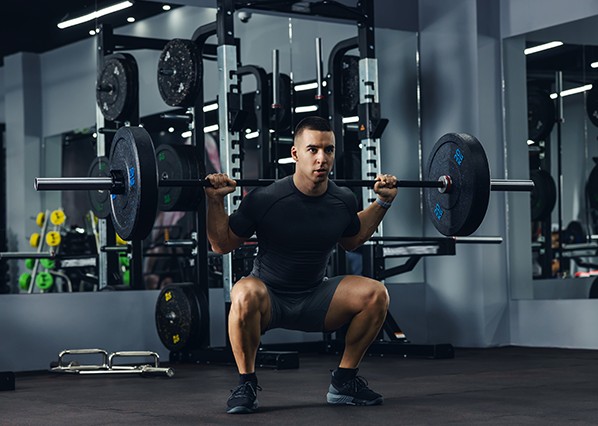
The fitness sector in New Zealand is changing dramatically. Following the post-pandemic spike, membership growth has started to level down, fitness facility competition is still growing, and today’s customers are better informed than ever. They are becoming pickier about where they train because there are so many possibilities.
This change can be seen all around the nation, from the bustling commercial gyms in Auckland to the growing fitness centres in Christchurch. More facility owners are reevaluating what they require from their commercial gym equipment in order to draw in, engage, and keep members as expectations continue to change.
The days of picking a gym only on the basis of cost or location are coming to an end. Fitness facilities are now more visible than ever thanks to social media, as potential members compare gyms online well in advance of their visit. Therefore, first impressions are frequently shaped by the calibre and state of a facility’s equipment.
In addition to having an impact on the training experience, outdated or badly maintained equipment can indicate that a facility is lagging behind in terms of innovation and investment.
Training preferences are still changing at the same time. Gym floor space is contested by recovery-focused programmes, hybrid workouts, functional fitness, and strength training. As a result, operators require adaptable commercial gym equipment that can accommodate various training modalities while making the best use of available space.
For operators navigating this shift, gym equipment NZ is increasingly being evaluated against a broader set of criteria than in previous years:
Due to this shift, the standard for commercial gym equipment has increased, and more operators are choosing long-term commercial performance equipment over generic or inexpensive providers.
This larger shift in the sector is reflected in Performaxx’s increasing presence in fitness centres around Auckland, Christchurch, and the rest of New Zealand. Commercial-grade durability, adaptability to various training modalities, and dependable performance in high-traffic areas for both single-site facilities and multi-location operators are the priorities that operators today appreciate the most.
Performaxx concentrates on providing long-term value by assisting fitness facilities in addressing the operational demands and competitive issues defining New Zealand’s changing fitness industry, rather than competing with low-cost providers on pricing.
Facilities that see equipment investment as a strategic business choice rather than a one-time purchase will be the most successful in the long run as New Zealand’s fitness sector develops. Operators may enhance member retention, build their reputation, and design training spaces that adjust to shifting fitness trends by investing in high-quality, adaptable commercial gym equipment.
Why has gym equipment quality become more important to member retention?
Members now evaluate a facility’s equipment condition as an indication of its entire quality, not just the range of workouts it offers, due to increased competition, social media, and online evaluations.
What training trends are shaping commercial gym equipment demand in NZ?
The need for equipment is changing from single purpose to multifunctional varieties due to the growing popularity of fitness training, strength training, and combined training.
Is equipment investment really a competitive differentiator, or just a cost?
Increasingly, equipment quality and variety have become key differentiators. In a market where many facilities offer similar pricing, they often influence which gym a prospective member chooses.
How should operators’ future-proof their equipment investment?
By prioritising versatility and commercial-grade durability, facilities can support evolving training trends without the need for frequent equipment replacement.
New Zealand’s fitness industry is becoming more competitive, more informed, and more selective, making commercial gym equipment a genuine point of differentiation rather than simply part of the background. Performaxx’s growing presence across Auckland, Christchurch, and beyond reflects this shift, with operators choosing equipment built to meet the future needs of the industry.