
Sport is often described in terms of competition, athleticism, and spectacle, yet one of its most powerful dimensions is quietly social. From fantasy leagues to fan forums to the friendships forged in the stands, sport has an extraordinary capacity to bring people together and to build lasting communities. This social side is central to why the games matter so much to so many.
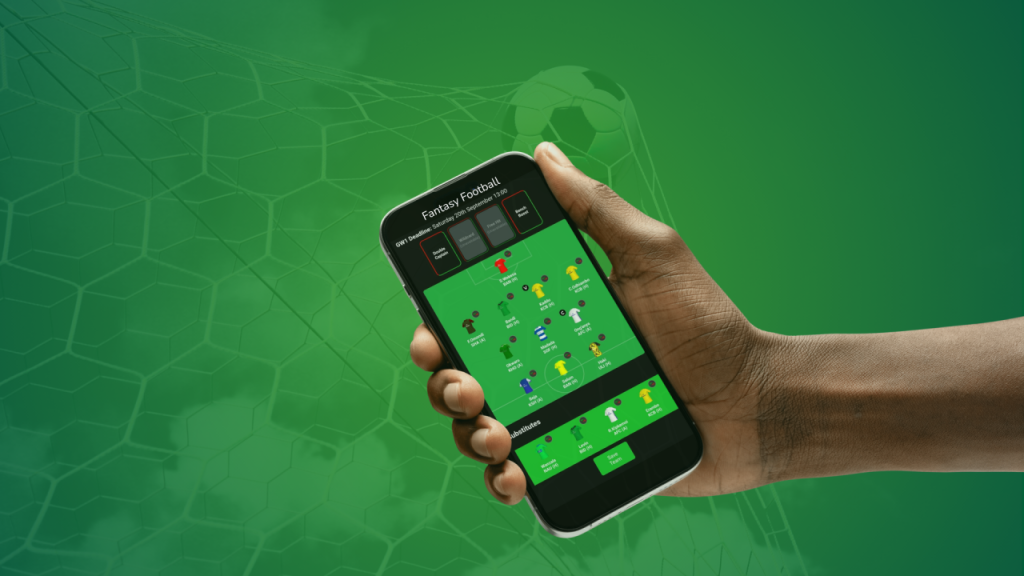
Consider the fantasy league, a phenomenon that has transformed how millions engage with their favorite sports. By assembling imaginary teams and competing against friends over a season, participants create a shared narrative that runs alongside the real games. The appeal lies less in the mechanics and more in the connection. A fantasy league gives a group of friends, coworkers, or family members a reason to stay in touch, to talk regularly, and to share in the ups and downs of a long campaign.
The genius of fantasy sports is that it turns passive spectators into active participants with a personal stake. Suddenly a game between two teams you would never normally watch becomes compelling because your imaginary lineup depends on it. This deepened engagement is fundamentally social, sustained by the banter, the rivalries, and the shared attention of the group.
Beyond fantasy, sport builds community in countless ways. Supporting a team connects a person to a vast network of fellow fans who share their hopes and heartbreaks. This shared identity crosses boundaries of age, background, and geography, uniting strangers in a common cause. The bond between supporters of the same team can be remarkably strong, forged in the collective experience of triumph and disappointment.
Local sport weaves communities together even more directly. Youth leagues bring parents together on the sidelines, amateur clubs create social hubs, and community teams give a town or neighborhood a source of shared pride. These grassroots connections are among the most valuable, offering belonging and friendship rooted in a common activity.
The digital age has expanded these communities far beyond physical proximity. Online forums, social platforms, and group chats allow fans across the world to gather around their shared passion. Someone can now debate a match with fellow supporters on another continent, join a global community devoted to a team, or find friends who share an obscure enthusiasm. Technology has amplified sport’s natural power to connect.
These communities thrive on shared knowledge and lively debate, and many fans enrich their discussions with the kind of sports insights and analysis that give conversations depth, turning casual chatter into informed exchange about form, matchups, and what might happen next.
The social benefits of this engagement are real and well documented. Belonging to a community, sharing a common interest, and experiencing collective emotion all contribute to wellbeing. For many people, the friendships and connections built through sport are among the most meaningful in their lives, providing a sense of belonging that extends far beyond any single game.
It is worth appreciating how sport creates common ground in a fragmented world. Few things bring diverse people together as readily as a shared team or a mutual love of a game. In conversations between strangers, a reference to a recent match can instantly dissolve barriers and spark connection. This unifying power is one of sport’s quiet gifts.
The social side of sport reminds us that the games are never really just about the games. They are about the people we experience them with, the communities they help us build, and the connections they sustain over years and decades. Whether through a fantasy league, a lifelong team loyalty, or a local club, sport offers a rare and precious thing: a shared story that binds us together.
In an age when genuine community can feel harder to find, this dimension of sport deserves celebration. Behind every scoreline lies a web of human connection, and that web may be the most enduring victory of all.