
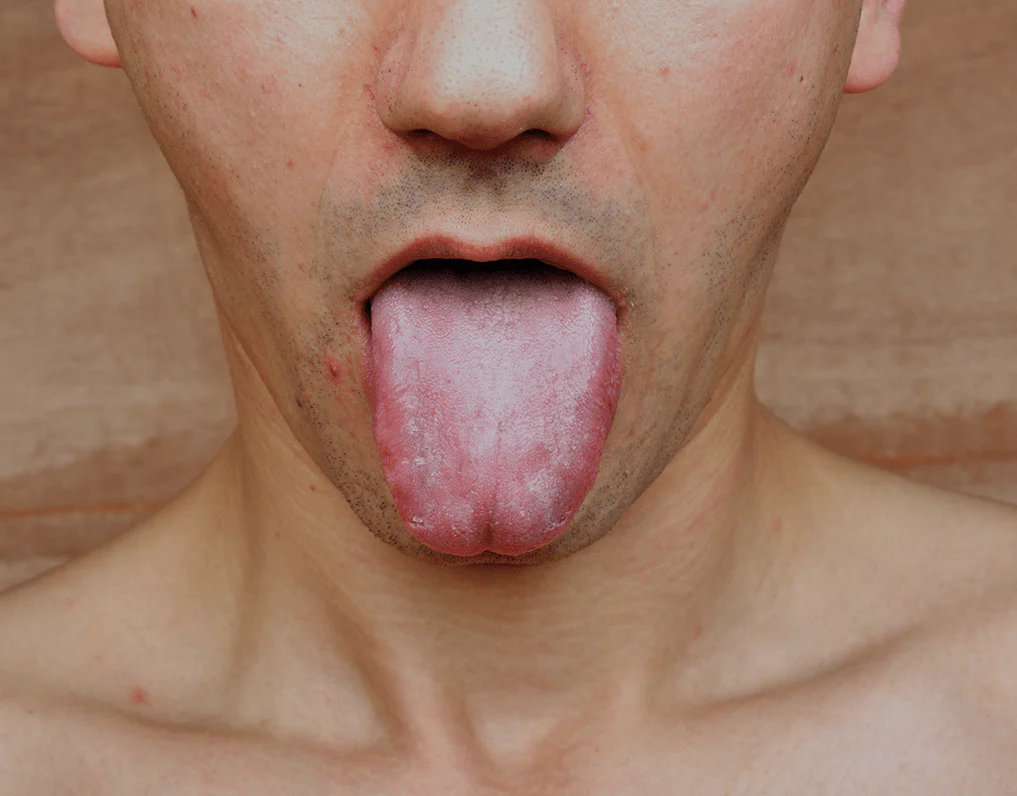
Why my tongue white? It’s a question millions of people search every year after glancing in the mirror mid-brush. That white film sitting on your tongue can look strange, and it’s natural to wonder if it means something is wrong with your body.
The good news is that most cases are harmless and caused by everyday habits like poor tongue cleaning or dehydration. In rarer cases, a white tongue can point to an infection, a vitamin deficiency, or an underlying condition that needs a doctor’s attention.
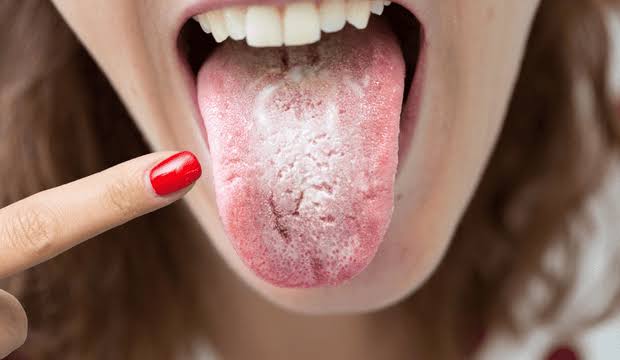
A white tongue happens when bacteria, food debris, and dead cells get trapped between the tiny bumps on your tongue, called papillae. When these particles build up, they create a thick, pale coating.
This coating can cover the whole tongue or show up only in patches. It’s usually a surface-level issue, not a sign that something is deeply wrong inside your body.
Doctors and dentists see this symptom constantly. In most people it clears up within one to two weeks once the underlying trigger is addressed.
There isn’t just one reason your tongue turns white. The cause can range from something as simple as skipping tongue brushing to something that needs medical treatment. Below are the most frequently reported causes.
Most people brush their teeth but completely skip their tongue. Food particles and bacteria then settle into the papillae and build up over days.
This is the single most common reason for a white coating, and it’s also the easiest one to fix with a simple change in your daily routine.
Saliva constantly washes bacteria and debris off your tongue. When you’re dehydrated or your mouth is dry, that natural cleaning process slows down.
Bacteria and dead cells then stick around longer, creating a whitish film. Drinking more water often clears this up within a day or two.
Breathing through your mouth, especially while sleeping, dries out your tongue overnight. This is a very common cause of the “morning white tongue” many people notice right after waking up.
Nasal congestion, allergies, or sleep apnea can all contribute to this pattern of nighttime mouth breathing.
Tobacco irritates the surface of the tongue and reduces saliva flow at the same time. Over months of regular use, this combination leads to a persistent white or grayish coating.
Smoking is also linked to more serious conditions discussed further down, so it’s worth taking seriously if the coating doesn’t fade.
Oral thrush is a yeast infection caused by an overgrowth of Candida fungus, which is normally present in small amounts in your mouth. When your immune system is weakened, this fungus can multiply quickly.
Thrush usually shows up as raised, cottage-cheese-like white patches rather than a thin film, and it may bleed slightly if you try to wipe it away.
Leukoplakia causes thick, white patches that don’t wipe off, usually from chronic irritation. Tobacco and heavy alcohol use are the two biggest triggers.
This condition is considered precancerous in some cases, which is why persistent patches should always be checked by a dentist or doctor rather than ignored.
This is a chronic inflammatory condition connected to immune system activity. It often creates lacy, white, web-like patterns on the tongue and inner cheeks.
Lichen planus tends to come and go over long periods and may need prescription treatment if it causes discomfort or spreads.
Geographic tongue gets its name from the map-like patches it creates. Smooth, red areas appear surrounded by a raised white or light-colored border.
It’s a harmless condition that can shift shape and location over days or weeks, and it typically doesn’t require any treatment at all.
Low levels of iron, folate, or vitamin B12 can change the color and texture of your tongue. This is one of the less obvious causes people rarely consider.
A simple blood test from your doctor can confirm whether a deficiency is contributing to the discoloration you’re seeing.
Illnesses such as strep throat or other respiratory infections can sometimes cause a temporary white coating on the tongue as a side effect.
Once the underlying infection clears with proper treatment, the tongue’s normal color typically returns on its own.
In rare situations, a white tongue is linked to syphilis, a sexually transmitted infection. This cause is uncommon but worth mentioning because it requires prompt medical treatment.
If you have other symptoms alongside the white coating, such as sores or unusual rashes, seeing a doctor quickly is important.
| Cause | Typical Appearance | Seriousness Level |
|---|---|---|
| Poor oral hygiene | Thin, even white film | Low |
| Dehydration / dry mouth | Pale, dry-looking coating | Low |
| Mouth breathing | Coating worse in the morning | Low |
| Smoking / tobacco | Grayish-white, persistent | Moderate |
| Oral thrush | Raised, cottage-cheese patches | Moderate |
| Leukoplakia | Thick patches, won’t wipe off | High |
| Oral lichen planus | Lacy, web-like white lines | Moderate |
| Geographic tongue | Map-like patches with red centers | Low |
| Nutritional deficiency | Pale or smooth white tongue | Moderate |
| Viral or bacterial infection | Temporary coating with illness | Low to Moderate |
| Syphilis | White patches with sores | High |
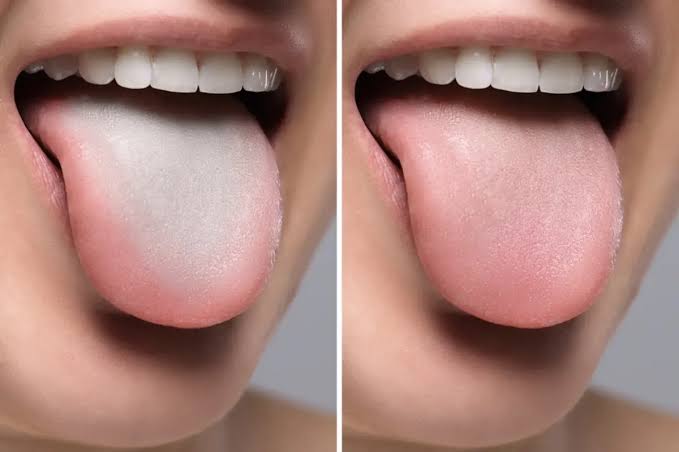
For the vast majority of people, a white tongue is not a medical emergency. It’s usually a cosmetic issue tied to hygiene, hydration, or minor lifestyle habits.
However, seriousness increases when the coating is thick, doesn’t wipe away, or sticks around for more than two weeks without improvement.
Persistent or unusual white patches deserve a professional look, since a small number of causes, like leukoplakia, are linked to more serious health risks.
Not every white tongue needs medical attention, but certain signs mean you shouldn’t wait it out at home.
If good oral hygiene and hydration don’t clear the coating within two weeks, it’s time to get it checked professionally.
These symptoms often point toward infection or inflammation that needs targeted treatment rather than home remedies alone.
Patches that stay firmly attached, especially raised ones, should be evaluated to rule out leukoplakia or other conditions.
Bleeding gums or sores near the white coating are a signal that something beyond simple buildup is happening.
If your tongue keeps turning white over and over despite good habits, an underlying condition may be driving the pattern.
Most mild cases respond well to simple changes you can start today. Consistency matters more than intensity here.
Use a soft-bristled toothbrush or a dedicated tongue scraper each morning. Gentle strokes from back to front remove trapped bacteria and debris effectively.
Drinking enough water throughout the day keeps saliva flowing normally, which naturally washes away the buildup that causes discoloration.
A warm saltwater rinse can help reduce bacteria and soothe mild irritation. Swish for about thirty seconds, then spit and rinse with plain water.
Both dry out the mouth and irritate the tongue’s surface. Reducing or quitting can noticeably improve tongue color within weeks.
Foods like yogurt contain beneficial bacteria that can help rebalance your mouth’s natural microbiome, especially after antibiotic use.
Alcohol-based mouthwashes can dry out your tongue further. An alcohol-free formula cleans without stripping natural moisture.
| Remedy | How Often | Best For |
|---|---|---|
| Tongue scraping | Once daily | General buildup |
| Saltwater rinse | 1-2 times daily | Mild irritation |
| Increased water intake | Throughout the day | Dry mouth, dehydration |
| Probiotic foods | Daily | Bacterial imbalance |
| Alcohol-free mouthwash | Twice daily | Dryness-related coating |
| Quitting smoking | Ongoing | Tobacco-related coating |
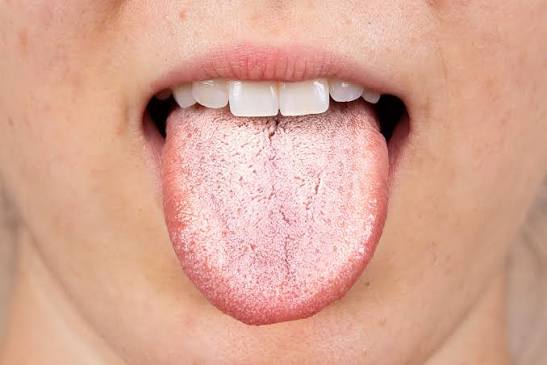
Babies often develop a white tongue after breastfeeding or bottle feeding, and it’s frequently mistaken for a health problem when it’s actually just leftover milk residue.
A simple way to tell the difference is to gently wipe the tongue with a soft, damp cloth. Milk residue wipes away easily, while thrush or another condition tends to stay in place.
If the white coating in a child persists after feeding, causes fussiness, or comes with a fever, a pediatrician should take a look to rule out oral thrush.
Many people notice their tongue turning white during or after a cold, flu, or other viral illness. This happens because the immune system is busy fighting infection elsewhere in the body.
Reduced saliva production and mouth breathing while congested both contribute to this temporary coating. It typically clears up naturally once you recover from the illness itself.
Some people also reported changes in tongue appearance during and after respiratory infections, including white patches and altered taste sensations that resolved over several weeks.
What you eat and drink plays a bigger role in tongue health than most people realize. A few consistent changes can make a noticeable difference over time.
Sugar feeds the same bacteria that create tongue buildup. Cutting back on sweets and processed snacks reduces the fuel available for bacterial growth.
Apples, carrots, and celery naturally help scrub the tongue’s surface while you chew, acting as a mild mechanical cleaner throughout the day.
Dairy products can sometimes contribute to a thicker coating in people who are sensitive to them. Moderation, rather than elimination, is usually enough.
Overusing strong antiseptic mouthwash can actually kill off healthy bacteria and dry out your mouth, ironically making a white coating more likely over time.
There’s a lot of misinformation floating around about what a white tongue really means, so it helps to separate fact from fiction.
While hygiene is the most common cause, plenty of people with excellent oral care still develop a white tongue from dehydration, mouth breathing, or medication side effects.
Aggressive scraping can damage the papillae and cause more irritation. Gentle, consistent cleaning works better than forceful scrubbing in a single session.
Cancer-related causes are extremely rare compared to hygiene and hydration-related coating. Most people never need to worry about this possibility at all.
Children and even babies can develop a white tongue, most often from feeding residue or, less commonly, from oral thrush.
People researching this topic often search for closely related terms. Understanding these helps you find the right information faster.
| Related Search Term | What It Usually Means |
|---|---|
| White tongue and sore throat | Often linked to viral or bacterial infection |
| White tongue after antibiotics | Usually a sign of oral thrush |
| White tongue in the morning | Typically caused by dry mouth or mouth breathing overnight |
| White tongue with bad breath | Bacterial buildup combined with poor hygiene |
| White tongue home remedy | Refers to scraping, hydration, and saltwater rinses |
| White tongue toddler | Often milk residue or possible thrush |
| White tongue vitamin deficiency | Low iron, B12, or folate levels |
| White tongue causes and treatment | Broad informational searches on the full topic |
Prevention is mostly about consistency rather than any single fix. Small daily habits go a long way toward keeping your tongue its natural pink color.
Brush and scrape your tongue every morning, drink water consistently across the day, and avoid excessive alcohol or tobacco use whenever possible.
Regular dental checkups every six months also help catch early changes before they turn into a bigger issue you have to deal with later.
When home care isn’t enough, a doctor or dentist may recommend targeted treatment based on what’s actually causing the white coating.
Thrush is typically treated with antifungal medication in liquid, gel, or pill form. Most people see improvement within one to two weeks of starting treatment.
If lichen planus causes ongoing discomfort, a doctor may prescribe a steroidal mouthwash or spray to calm the inflammation and reduce visible patches.
Leukoplakia patches are usually monitored closely and sometimes biopsied to rule out precancerous changes, especially in people who smoke or drink heavily.
If bloodwork reveals low iron, B12, or folate, a doctor may recommend supplements or dietary changes to correct the deficiency over several weeks.
Understanding the full range of tongue colors helps put a white coating into perspective alongside other possible changes.
| Tongue Color | Possible Meaning |
|---|---|
| Healthy pink | Normal, well-hydrated tongue |
| White coating | Buildup, dehydration, or mild infection |
| Bright red | Possible vitamin deficiency or scarlet fever |
| Yellow | Bacterial buildup or early jaundice signs |
| Black or dark brown | Black hairy tongue from bacteria or staining |
| Blue or purple | Poor circulation, needs prompt evaluation |
Both tools can clean the tongue, but they work slightly differently, and knowing the difference helps you pick the right one for your routine.
A tongue scraper uses a curved edge to lift debris off the surface in one smooth motion, often removing more buildup than brushing alone.
A soft-bristled toothbrush can also clean the tongue, though it tends to push some debris around rather than fully lifting it away.
Dentists often recommend a scraper for daily use since it’s gentler on the papillae and typically more effective at reducing bacteria in a single pass.
A white tongue is common, usually harmless, and often linked to simple daily habits rather than anything serious.
Most cases improve within one to two weeks once you start brushing your tongue, drinking more water, and cutting back on irritants like tobacco.
Persistent, painful, or unusual patches are the clearest signal that it’s time to book an appointment rather than wait things out.
A sudden white tongue is usually caused by dehydration, mouth breathing overnight, or a temporary buildup of bacteria. It typically clears within a few days of better hydration and cleaning.
Some practitioners link tongue coating to imbalances in oral and gut bacteria. It’s not a confirmed diagnostic tool, but persistent coating alongside digestive issues is worth mentioning to a doctor.
Stress can indirectly cause dry mouth and weaken immune response, both of which make bacterial buildup more likely. It’s not a direct cause but a contributing factor.
Not always. Thrush usually creates raised, cottage-cheese-like patches rather than an even film. A dentist can confirm the difference with a quick exam.
Yes, mild cases caused by hygiene or hydration issues usually resolve within one to two weeks without any medical treatment.
Yes, daily gentle scraping helps prevent buildup. Avoid scraping too hard, as this can irritate the papillae and cause soreness.
Yes, antibiotics can disrupt the natural balance of bacteria in your mouth, sometimes allowing yeast like Candida to overgrow and cause thrush.
The underlying causes like oral thrush can potentially spread through close contact, but a simple bacterial coating from poor hygiene is not contagious.
Sugary foods, dairy in excess, and alcohol can all feed bacteria and yeast, making the coating thicker or more persistent.
See a dentist if the coating lasts more than two weeks, causes pain, doesn’t wipe off, or comes with bleeding or unexplained sores.
A white tongue is usually nothing to panic about. In most cases, it comes down to everyday factors like skipping tongue cleaning, mild dehydration, or breathing through your mouth at night, all of which respond well to simple home care.
Brushing your tongue daily, drinking enough water, and cutting back on smoking or alcohol can clear up mild coating within a couple of weeks. That said, persistent, painful, or unusual white patches deserve a professional evaluation, since a small number of causes are linked to more serious conditions.
Paying attention to how long the coating lasts and whether other symptoms appear alongside it is the best way to know whether you’re dealing with a harmless buildup or something that needs medical care. When in doubt, a quick visit to your dentist or doctor gives you clarity and peace of mind.