

Why does my pinky toe hurt is a question that comes up more often than you’d expect, especially since the smallest toe on your foot tends to face the biggest pressure from footwear.
Tight or narrow shoes are one of the most common culprits, squeezing the pinky toe and leading to blisters, corns, or ongoing irritation. Injuries like stubbing the toe or dropping something heavy on it are also frequent causes of sudden, sharp pain.
In other cases, structural issues like bunionettes or hammertoes develop gradually and worsen over time.
Here’s a fast snapshot of the most frequent reasons the little toe hurts before we break each one down.
| Cause | Typical Trigger | Usually Needs a Doctor? |
|---|---|---|
| Tight or narrow shoes | Friction and compression | Rarely, unless severe |
| Stubbed toe or trauma | Impact against furniture or objects | Sometimes |
| Fracture or stress fracture | Impact or repetitive pressure | Yes |
| Bunionette (Tailor’s bunion) | Bone misalignment | Often, if worsening |
| Hammertoe | Abnormal joint bending | Often, if progressing |
| Corns and calluses | Repeated friction | Rarely |
| Ingrown toenail | Improper trimming, tight shoes | Sometimes |
| Nerve irritation | Compression from footwear | Sometimes |
| Gout or arthritis | Joint inflammation | Yes |
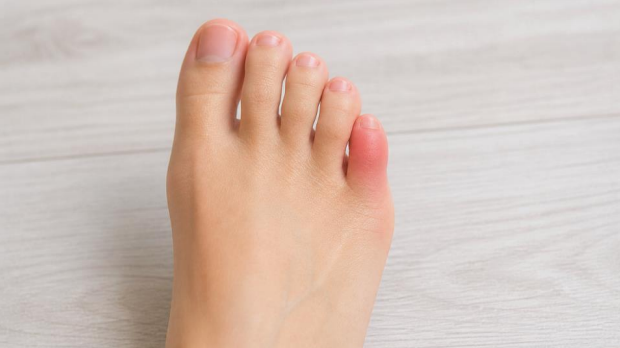
Narrow shoes are one of the most frequent reasons the pinky toe hurts. Constant pressure and friction from a tight toe box can cause irritation, redness, and ongoing discomfort.
Over time, this friction can lead to thickened skin known as corns or calluses. Switching to wider shoes often brings noticeable relief within days.
Stubbing your pinky toe against furniture or dropping something heavy on it is one of the most common causes of sudden, sharp pain. This type of injury often leads to bruising and swelling.
Many people are surprised to find they can still walk even with a fractured toe. Persistent pain, clicking, or a toe that doesn’t feel right still deserves a proper evaluation.
A direct impact can cause a full fracture, while repetitive pressure from sports or high-impact activity can lead to smaller stress fractures. Both types can cause lingering pain even without severe swelling.
An X-ray is typically needed to confirm whether the toe is broken or just sprained. Fractures generally take about two months to fully heal.
A bunionette is a bony bump that forms on the outer side of the foot near the pinky toe. It develops due to bone misalignment and often worsens with tight footwear.
Common symptoms include a painful bump, redness, and swelling near the base of the toe. Wider shoes and padding are usually the first line of treatment.
A hammertoe occurs when the toe bends abnormally at one of its joints instead of lying flat. This causes the toe to rub against shoes, leading to irritation, corns, and discomfort over time.
If left untreated, this deformity can worsen and eventually require surgical correction. Orthotics and footwear changes are often used to slow its progression.
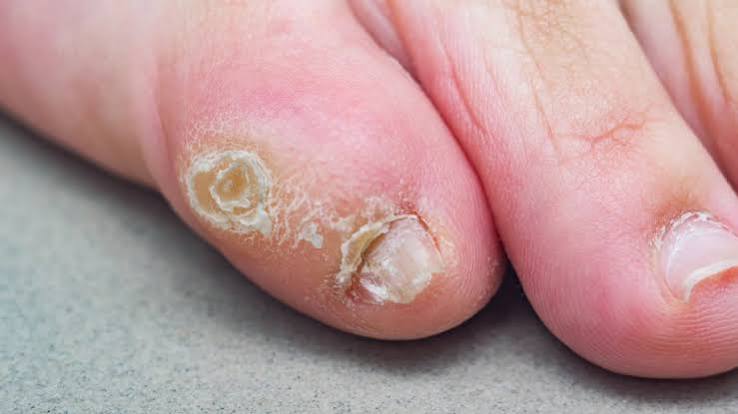
Corns and calluses form when repeated friction causes the skin to thicken as a protective response. These patches can become painful when pressure is applied directly to them.
They typically develop on the outer edge or top of the pinky toe. Reducing friction with proper footwear usually prevents them from returning.
Although less common on the pinky toe than the big toe, ingrown toenails can still occur here. They’re often caused by tight shoes, improper trimming, or genetic nail shape.
Redness, swelling, or oozing around the nail are signs that treatment shouldn’t wait. A podiatrist can address both one-time cases and nails that keep recurring.
The sural nerve runs along the outer foot toward the little toe and can become irritated by tight or restrictive footwear. High heels, ski boots, and cycling shoes are common triggers.
This type of pain often feels sharp, tingling, or burning rather than a dull ache. Icing and anti-inflammatory medication are usually enough to manage mild cases.
Gout causes sudden, intense inflammation in a joint, and the toes are a frequent target. Arthritis can also cause ongoing stiffness, swelling, and pain in the pinky toe joint.
These flare-ups often appear quickly and cause significant discomfort. Long-term management typically involves medication and dietary adjustments.
Running, prolonged standing, or high-impact activity can strain the muscles and ligaments around the pinky toe. This type of pain tends to build gradually rather than appearing suddenly.
Rest and reduced activity often resolve mild cases. Persistent strain-related pain may benefit from a podiatrist’s evaluation of your foot mechanics.
Pinky toe pain rarely shows up alone. Watching for accompanying symptoms can help you understand how serious the underlying cause might be.
Swelling and redness often point to inflammation, infection, or recent injury. These symptoms are worth monitoring closely if they don’t improve within a few days.
A toe that appears crooked, misaligned, or unusually stiff may suggest a fracture or structural issue like a hammertoe. This warrants a professional evaluation.
Clicking, popping, or a toe that “doesn’t feel right” during movement can indicate joint damage. This sensation shouldn’t be ignored, even if pain is mild.
A podiatrist typically starts with a hands-on exam, checking for pressure points, swelling, and areas of tenderness. They’ll also assess how the toe moves and whether alignment looks normal.
This exam often includes questions about your footwear, activity level, and how the pain started. These details help narrow down the likely cause quickly.
X-rays are commonly used to check for fractures, joint damage, or structural changes in the toe. This is especially important after a direct injury or impact.
In some cases, more advanced imaging like an MRI may be needed. This is typically reserved for complex or unclear cases involving soft tissue.
Since footwear is such a common contributor to pinky toe pain, a podiatrist will often review your typical shoe choices. Poor foot mechanics, like flat feet, can also be assessed as a contributing factor.
Identifying these patterns helps prevent the problem from returning after treatment. Small footwear adjustments can make a significant long-term difference.
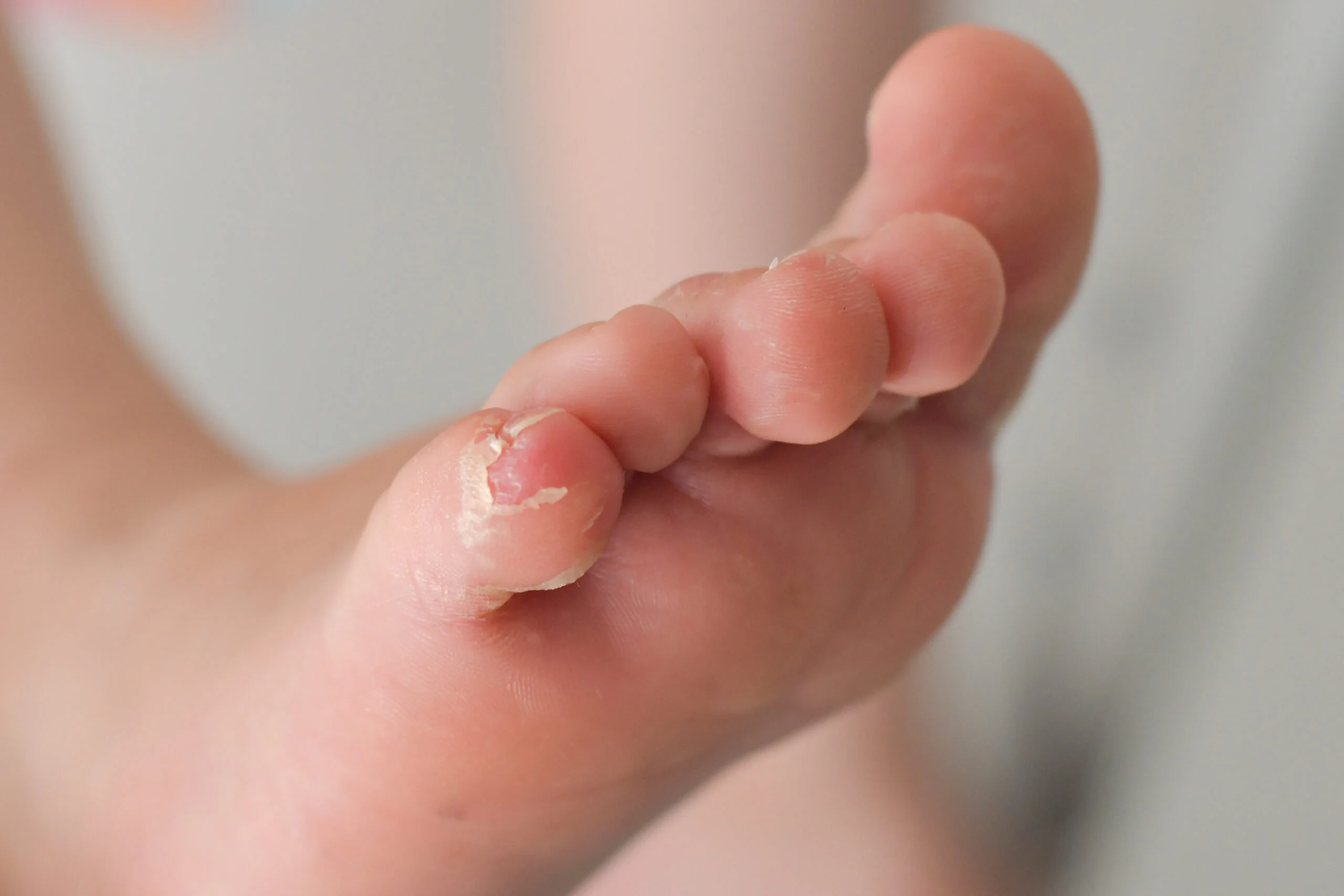
Reducing pressure on the toe is one of the simplest ways to ease pain. Avoiding high-impact activity gives inflamed tissue time to heal.
Stopping activities that consistently trigger pain is especially important for stress fractures. Continuing to push through pain can slow recovery significantly.
Applying ice for up to twenty minutes at a time helps reduce swelling and discomfort. Elevating the foot above heart level can further reduce inflammation.
This combination works well for both minor injuries and overuse-related pain. Repeating this a few times a day often speeds up recovery.
Switching to shoes with a wider toe box relieves pressure on the pinky toe significantly. This simple change helps with bunionettes, hammertoes, corns, and general irritation.
Avoiding high heels, narrow dress shoes, and tight athletic shoes prevents many recurring issues. Proper footwear is often the single most effective long-term fix.
Protective padding can reduce friction between the toe and shoe, easing pain from corns or bunionettes. Taping an injured toe to its neighbor can also provide extra stability after a minor fracture or sprain.
These methods work well as short-term relief while healing takes place. A podiatrist can recommend the best padding style for your specific issue.
Over-the-counter anti-inflammatory medication can help manage pain and swelling from minor injuries or nerve irritation. These are typically used for short-term relief rather than long-term management.
For conditions like gout, prescription medication may be necessary to control flare-ups. A doctor can determine the right medication based on the underlying cause.
The table below summarizes common treatment approaches based on the underlying cause of pinky toe pain.
| Cause | Common Treatment |
|---|---|
| Tight shoes/friction | Wider shoes, padding |
| Fracture | Taping, rest, sometimes a walking boot |
| Bunionette | Padding, orthotics, surgery if severe |
| Hammertoe | Orthotics, footwear changes, surgery if severe |
| Ingrown toenail | Nail trimming correction, minor procedure |
| Nerve irritation | Icing, anti-inflammatories, footwear changes |
| Gout | Medication, dietary changes |
If pinky toe pain lingers beyond a few days or continues to get worse despite rest and home care, it’s time to seek professional evaluation. Ongoing pain often signals something beyond simple irritation.
Early diagnosis usually leads to simpler, faster treatment. Waiting too long can allow underlying issues to progress further.
A toe that looks crooked, bent, or noticeably out of place should be checked by a podiatrist. This can indicate a fracture, dislocation, or worsening hammertoe.
Structural issues rarely improve without intervention. A professional evaluation helps determine whether bracing, padding, or surgery is the right next step.
Redness, warmth, swelling, or discharge around the toe or toenail are signs of possible infection. These symptoms should not be treated with home remedies alone.
Infections can worsen quickly if left untreated. Prompt care helps prevent complications and supports faster healing.
Intense pain following a stub or impact, especially with visible bruising or an inability to bear weight, calls for medical attention. This is one of the clearest signs of a possible fracture.
An X-ray can confirm the extent of the injury. Getting this evaluated quickly ensures proper healing and reduces the risk of long-term issues.
Persistent numbness or a burning sensation in the pinky toe may point to nerve irritation or compression. This symptom is worth addressing before it becomes chronic.
A podiatrist can identify the source of nerve-related pain and recommend appropriate treatment. Ignoring these symptoms can allow irritation to worsen over time.
Shoes that allow your toes to move freely reduce pressure on the pinky toe significantly. This is one of the most effective ways to prevent recurring pain.
Avoiding narrow, pointed, or overly tight shoes helps prevent bunionettes, corns, and hammertoes from developing. Comfort and proper fit should take priority over style whenever possible.
Cutting toenails straight across, rather than rounding the corners, helps prevent ingrown toenails. This simple habit reduces one of the more painful and preventable causes of toe discomfort.
Regular nail care also makes it easier to spot early warning signs. Catching issues early keeps treatment simple.
Wearing supportive shoes during sports or high-impact activities helps prevent stubbed toes and stress fractures. Being mindful of your surroundings, especially around furniture, also reduces the risk of sudden injury.
Simple precautions go a long way in preventing avoidable pain. Small changes in daily habits often make the biggest difference over time.
Tight shoes, nerve irritation, or gradual structural changes like a bunionette can cause pain without a clear injury. Footwear is often the underlying cause.
Yes, many people can walk with a fractured pinky toe despite significant pain. Persistent discomfort still warrants an X-ray to confirm the injury.
Swelling and redness often indicate inflammation, irritation, or possible infection. This combination should be evaluated if it doesn’t improve within a few days.
A bunionette forms in the same way as a bunion but develops on the pinky toe instead of the big toe. It’s sometimes called a Tailor’s bunion.
Yes, high heels compress the toes into a narrow space, increasing pressure on the pinky toe. This can lead to corns, nerve irritation, and bunionettes over time.
Nerve-related pain often feels sharp, tingling, or burning rather than a dull ache. It’s commonly triggered by tight or restrictive footwear.
Taping can provide temporary support, but a podiatrist should confirm the injury with an X-ray first. Proper diagnosis ensures the toe heals correctly.
Yes, though less common than the big toe, gout can affect any toe joint, including the pinky. Sudden, intense swelling is a hallmark symptom.
If pain persists beyond a few days, worsens, or comes with visible deformity or infection, it’s time to see a podiatrist. Early evaluation prevents complications.
Mild pain from friction or minor irritation often resolves with rest and better footwear. Pain from fractures, bunionettes, or nerve issues usually needs proper treatment to fully improve.
Pinky toe pain often comes down to something as simple as tight shoes, but it can also stem from fractures, bunionettes, hammertoes, or nerve irritation that need proper attention.
Paying close attention to accompanying symptoms, like swelling, misalignment, or persistent discomfort, helps you understand whether home care is enough or if a podiatrist visit is necessary.
Simple changes, such as switching to wider shoes, proper nail trimming, and reducing friction, prevent many common causes from developing in the first place.
When pain lingers, worsens, or comes with visible deformity or signs of infection, professional evaluation becomes essential to avoid long-term complications.
Most pinky toe issues are manageable with the right combination of care and prevention. Taking symptoms seriously early on is the best way to stay comfortable and keep moving without pain.