
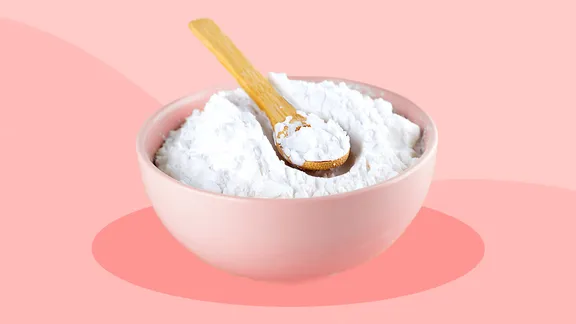
Why do people eat cornstarch? Most of the time, it comes down to one of a few reasons: a craving linked to iron deficiency, a pregnancy-related urge, curiosity from social media ASMR trends, or simply enjoying its dry, powdery texture.
In rare cases, it points to an eating disorder called pica, which involves compulsively eating non-nutritive substances. While cornstarch is a common kitchen thickener when cooked, eating it raw and in large amounts isn’t recommended and can carry health risks.
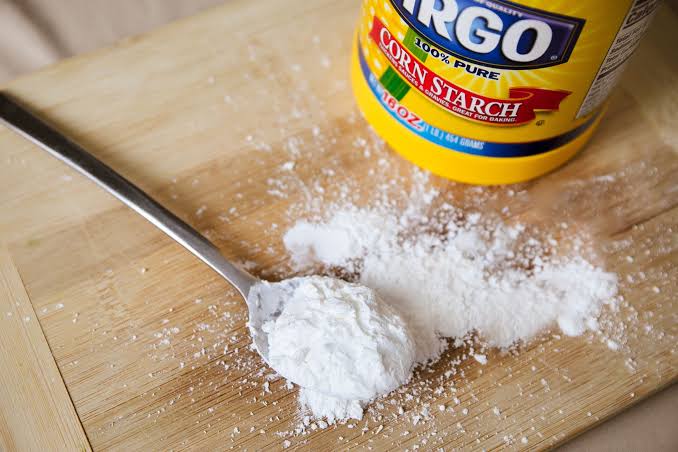
Cornstarch is a fine, white powder made from the starchy part of the corn kernel called the endosperm.
It’s virtually flavorless and is prized in cooking for its ability to thicken sauces, soups, gravies, and pie fillings when heated with liquid.
Unlike corn flour, which is made from the whole kernel, cornstarch comes only from the starchy center, giving it a smoother, more refined texture.
There are several distinct reasons behind cornstarch consumption, ranging from harmless culinary habits to underlying health conditions that need attention.
The most common and normal reason people consume cornstarch is through cooking. It thickens sauces, stews, and desserts when mixed with liquid and heated.
This process, called gelatinization, causes starch molecules to swell and form a network that gives sauces their smooth, thickened texture.
One of the most medically significant reasons people crave raw cornstarch is a condition called pica, often linked to iron or zinc deficiency.
Pica involves persistent cravings for non-food or low-nutrient substances like starch, ice, chalk, or dirt, and it often resolves once the deficiency is corrected.
When the craving is specifically for starch, it’s called amylophagia. This is a recognized subtype of pica that focuses on cornstarch, laundry starch, or similar products.
People with amylophagia may eat starch directly from the box and feel unable to stop, even when they know it isn’t nutritionally beneficial.
Pregnancy can trigger unusual food cravings due to hormonal shifts and increased nutritional demands, and cornstarch is one of the more commonly reported cravings.
Because pregnancy also raises the risk of iron deficiency, doctors often check iron levels when a pregnant woman reports craving cornstarch or similar starches.
Some people simply enjoy the dry, powdery mouthfeel and quiet crunch of cornstarch, separate from any nutritional craving or deficiency.
For these individuals, the appeal is more about the sensory experience, similar to how some people enjoy crunching ice for its texture.
Cornstarch has become popular in ASMR videos on TikTok and YouTube, where creators showcase its crunchy sound and texture for entertainment purposes.
Many creators clarify they don’t actually swallow the cornstarch, using it purely for the satisfying sound and sensory effect on camera.
In select medical cases, raw cornstarch is used under a doctor’s guidance to help manage conditions like glycogen storage disease or certain blood sugar disorders.
This use is very different from casual snacking, as it’s carefully dosed and monitored to slowly release glucose over several hours.
For some people, eating cornstarch becomes a repetitive, soothing habit tied to stress relief, similar to other repetitive self-soothing behaviors.
Over time, this can become a hard-to-break routine, even without an underlying nutritional deficiency driving the craving.
The table below summarizes the main reasons people eat cornstarch, whether it’s typically harmless, and if medical evaluation is recommended.
| Reason | Typical Cause | Needs Medical Evaluation |
|---|---|---|
| Cooking Ingredient (Heated) | Culinary use | No |
| Iron or Zinc Deficiency (Pica) | Nutritional deficiency | Yes |
| Amylophagia | Starch-specific pica | Yes |
| Pregnancy Cravings | Hormonal changes | Sometimes |
| Sensory/Textural Enjoyment | Personal preference | No |
| Social Media/ASMR Trend | Entertainment, no swallowing | No |
| Medical Blood Sugar Management | Doctor-guided use | Supervised |
| Stress-Related Habit | Behavioral pattern | Sometimes |
If cravings are frequent, intense, or paired with fatigue and pale skin, it’s worth getting checked rather than assuming it’s just a habit.
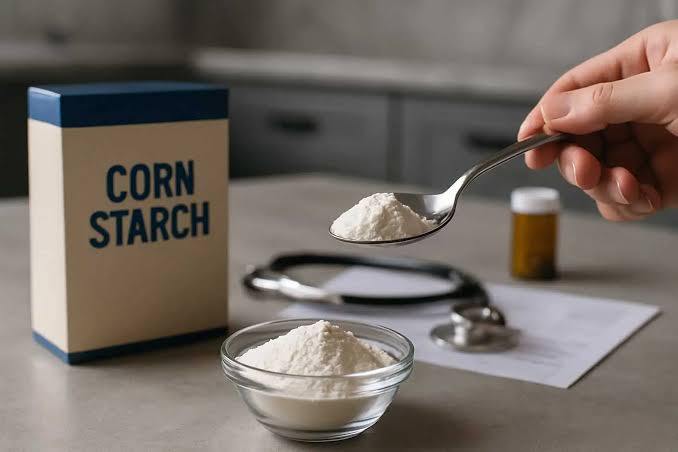
Pica is an eating disorder defined by persistent cravings for substances with little or no nutritional value, lasting for at least one month.
It’s most commonly seen in pregnant women, young children, and people with iron-deficiency anemia, though it can affect anyone.
The exact cause isn’t fully understood, but researchers believe nutritional deficiencies, hormonal shifts, and psychological factors all play a role.
Recognizing the signs early can help you or a loved one get appropriate treatment before complications develop.
Diagnosis usually starts with a detailed conversation about eating habits, how long the cravings have lasted, and any other symptoms present.
Doctors typically order blood tests, including ferritin, complete blood count (CBC), and iron studies, to check for underlying deficiencies.
If iron or zinc levels come back low, treating the deficiency often resolves the cravings within one to two weeks in many cases.
Cornstarch is generally safe when used as intended, meaning cooked into recipes in small amounts like one or two tablespoons at a time.
Eating it raw and in large quantities is a different story, and it comes with several potential health risks worth understanding.
While an occasional small taste isn’t likely to cause harm, regularly eating raw cornstarch in large amounts can lead to several issues.
Cornstarch has a glycemic index of around 97, nearly as high as pure sugar, meaning it can cause rapid spikes in blood sugar levels.
This is especially risky for people with diabetes or prediabetes, as frequent spikes can worsen long-term blood sugar control.
Eating large amounts of raw starch can lead to bloating, constipation, and general digestive discomfort due to its dense, hard-to-digest nature.
Over time, this can disrupt normal digestion and reduce appetite for more nutrient-dense foods.
Because cornstarch offers almost no protein, fiber, vitamins, or minerals, replacing regular meals with it can lead to nutritional gaps over time.
This is a particular concern for people with amylophagia who eat starch instead of balanced meals.
Cornstarch is calorie-dense due to its high carbohydrate content, and eating it frequently in large amounts can contribute to unwanted weight gain.
A single cup contains around 400 plus calories, far more than most people realize for something with minimal nutritional value.
Diets high in refined carbohydrates like cornstarch have been linked in research to a greater risk of heart disease, high blood pressure, and elevated triglycerides.
This risk is more relevant to regular, high-volume consumption rather than occasional culinary use in recipes.
Understanding what’s actually in cornstarch helps explain why it isn’t a nutritious snack, even though it’s technically edible.
| Nutrient (per 1 cup, 128g) | Approximate Amount |
|---|---|
| Calories | About 488 |
| Carbohydrates | About 117g |
| Protein | Less than 1g |
| Fiber | About 1.2g |
| Fat | Near 0g |
| Vitamins and Minerals | Minimal (trace copper, selenium) |
As the table shows, cornstarch is essentially pure carbohydrate with very little else to offer nutritionally.
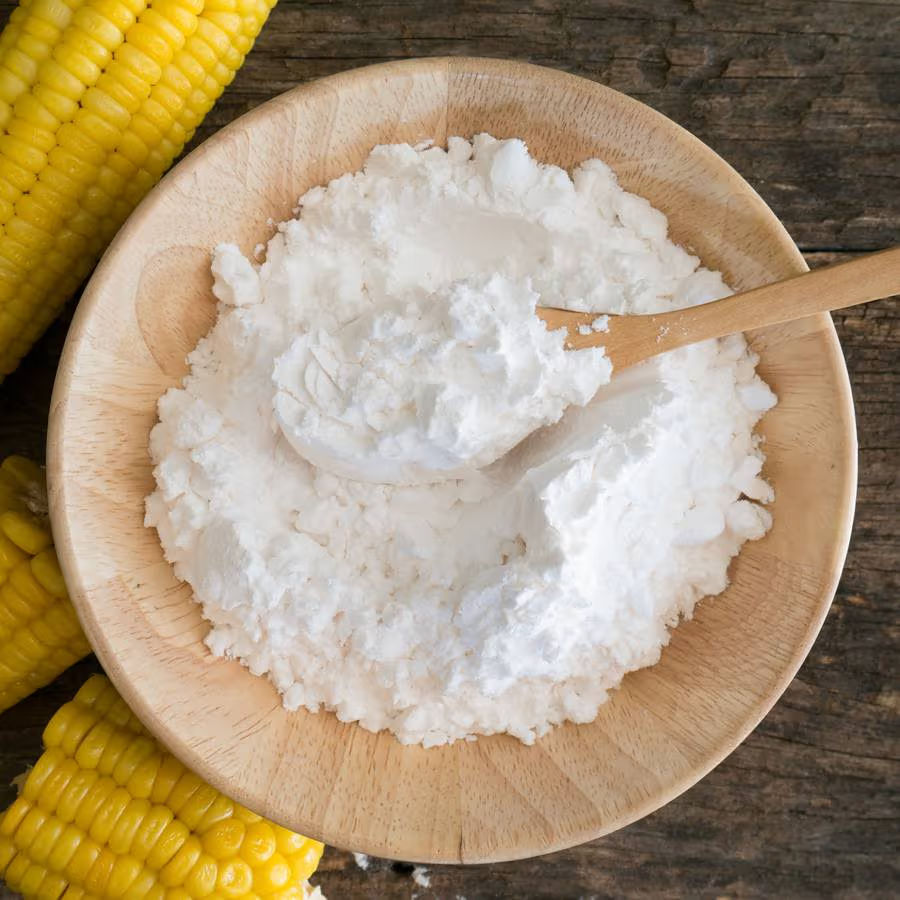
Outside of its cooking role, cornstarch does have a few legitimate, medically supervised uses worth knowing about.
Raw cornstarch digests slowly, which is why it’s sometimes used under medical supervision to prevent overnight low blood sugar in certain conditions.
This use requires precise dosing and monitoring, and it should never be self-prescribed without a doctor’s guidance.
Cornstarch is naturally gluten-free, making it a useful thickening alternative for people who need to avoid wheat-based flours in cooking.
Beyond eating, cornstarch is often used to prevent clumping in powdered sugar or shredded cheese, and even as a natural deodorizer or skin soother.
These uses don’t involve eating the starch and highlight its versatility beyond the kitchen table.
Understanding how cornstarch compares to other substances people crave with pica can highlight shared patterns and risks.
| Substance | Common Name for Craving | Typical Trigger |
|---|---|---|
| Cornstarch/Starch | Amylophagia | Iron/zinc deficiency, pregnancy |
| Ice | Pagophagia | Iron-deficiency anemia |
| Dirt or Clay | Geophagia | Nutrient deficiency, cultural practice |
| Chalk or Paper | Pica (general) | Stress, deficiency, psychological factors |
Across all these forms, an underlying iron or nutrient deficiency is one of the most consistently identified triggers.
Occasional curiosity about cornstarch isn’t usually a concern, but certain patterns suggest it’s time for a medical evaluation.
A simple blood test can often identify the root cause quickly, making treatment straightforward in most cases.
If you suspect your cornstarch craving is tied to a deficiency or habit rather than casual curiosity, these steps can help.
A simple blood test, including ferritin and CBC, can confirm whether a deficiency is driving the craving.
If levels are low, your doctor may recommend supplements. Cravings often fade within one to two weeks of starting treatment.
Crunchy, low-calorie foods like celery, carrots, or sugar-free gum can help satisfy the sensory urge without the risks of raw starch.
If stress is fueling the habit, relaxation techniques, therapy, or behavioral strategies can help reduce the urge to eat starch repetitively.
Keeping a simple log of when and why the craving occurs can help you and your doctor identify patterns and triggers more easily.
Pregnant women commonly report unusual cravings, and cornstarch is frequently mentioned due to shifting hormones and increased nutritional needs.
Doctors typically recommend checking iron levels in pregnant patients who report craving cornstarch, since pregnancy naturally increases iron demand.
Most pregnancy-related cravings resolve after delivery, especially once iron levels are corrected through diet or supplementation.
If you enjoy cornstarch as part of cooking rather than raw snacking, there are safe, simple ways to include it.
Cooking cornstarch properly unlocks its thickening benefits while avoiding the digestive and blood sugar risks tied to raw consumption.
These small clarifications can help you approach the topic with a balanced, informed perspective rather than unnecessary alarm or dismissal.
Children can also develop cravings for non-food or low-nutrient substances, and cornstarch is sometimes reported by parents as an unusual habit.
Iron deficiency is common in growing children, especially toddlers and picky eaters, and can trigger cravings similar to those seen in adults with pica.
Curiosity also plays a role, since young children naturally explore textures and tastes, sometimes including household items like starch or flour.
If a child eats cornstarch repeatedly over several weeks, seems unusually tired, or shows pale skin, it’s worth mentioning to their pediatrician.
A simple blood test can quickly rule out iron deficiency and guide any necessary dietary changes or supplementation.
Cravings for starch aren’t new. Historical records describe people eating laundry starch and raw flour long before cornstarch became a common household product.
Cornstarch itself was developed as a refined starch in the 1800s and quickly became popular in kitchens for its clean, neutral thickening properties.
Interestingly, some of the earliest documented pica cases specifically mention starch cravings, showing this behavior has persisted across generations and cultures.
In some cultures and communities, eating starches like cornstarch, clay, or laundry starch has historical or traditional roots, separate from any medical condition.
These practices are sometimes passed down through generations and may not always indicate a nutritional deficiency, though they can still carry health risks.
Understanding cultural context matters when evaluating cravings, but persistent physical symptoms like fatigue or weakness should always prompt a medical check regardless of background.
If you’re looking to reduce your reliance on cornstarch in recipes, several alternatives can achieve similar thickening results.
| Substitute | Best Used For |
|---|---|
| Arrowroot Powder | Sauces, clear glazes |
| Potato Starch | Soups, gravies |
| Tapioca Starch | Pie fillings, puddings |
| All-Purpose Flour | General thickening, roux |
| Rice Flour | Gluten-free baking and sauces |
These substitutes offer similar culinary function while giving you variety if you’re trying to reduce cornstarch consumption for personal or health reasons.
Several misconceptions surround cornstarch consumption. Clearing these up can help separate fact from fiction.
Not every craving points to a deficiency. Occasional curiosity or a one-time taste, especially from social media trends, isn’t automatically a medical concern.
Cornstarch has legitimate medical applications, including supervised use for certain blood sugar disorders, beyond its common role as a kitchen thickener.
A single small taste is unlikely to cause lasting harm. Risks come primarily from frequent, large-quantity raw consumption over time.
Common reasons include iron or zinc deficiency (pica), pregnancy cravings, sensory enjoyment of its texture, or curiosity from social media trends.
It can be. Persistent cravings, especially for raw starch, are often linked to iron-deficiency anemia and should be checked by a doctor.
Yes, cornstarch is calorie-dense and high in carbohydrates, so eating it frequently in large amounts can contribute to weight gain over time.
An occasional small taste is unlikely to cause harm, but regular raw consumption in large amounts isn’t recommended due to digestive and blood sugar risks.
Pica is an eating disorder involving cravings for non-nutritive substances. Amylophagia is the specific form focused on starch, including cornstarch.
Very little. It’s mostly pure carbohydrate with minimal protein, fiber, vitamins, or minerals, offering mainly calories rather than nutrition.
Yes, hormonal changes and increased iron demand during pregnancy commonly trigger unusual cravings, including for cornstarch or other starches.
Many creators eat cornstarch for ASMR content, focusing on its crunchy sound and texture, though several clarify they don’t actually swallow it.
Getting tested for iron or zinc deficiency, addressing any shortfall, and finding a substitute crunchy snack often reduces or eliminates the craving.
See a doctor if the craving lasts over a month, feels compulsive, or comes with fatigue, dizziness, or digestive symptoms.
Curiosity about cornstarch is common, and social media has only amplified interest in this once-obscure habit over the past few years.
Whether your interest is casual or driven by a genuine craving, understanding the difference between harmless curiosity and a medical signal is the key takeaway from this guide.
Why do people eat cornstarch comes down to a mix of harmless habits and, sometimes, an underlying health signal worth paying attention to. For most people, cornstarch is simply a kitchen staple used to thicken sauces and desserts.
But when raw cornstarch becomes a persistent craving, it’s often linked to iron or zinc deficiency, pregnancy-related hormonal shifts, or a condition called pica.
Eating large amounts of raw starch isn’t risk-free, as it can spike blood sugar, cause digestive discomfort, and displace more nutritious foods from your diet.
If you or a loved one experiences a strong, ongoing urge to eat cornstarch, remember that this reaction is common, understood by doctors, and treatable.
A simple blood test can identify whether an iron or zinc deficiency is behind the craving. Treating the root cause, rather than the craving itself, is usually the fastest way to feel better and reduce the urge to eat starch long-term.