
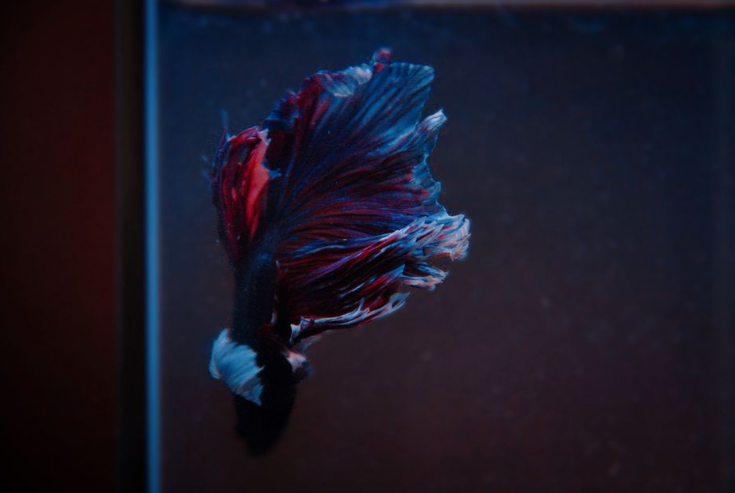
Koi Betta fish, with their vibrant colors and graceful fins, are a captivating addition to any aquarium. Known for their unique patterns reminiscent of Koi carp, these fish require specific care to thrive. This Koi Betta fish ultimate care guide will provide you with the knowledge needed to ensure the well-being of these beautiful creatures.
The first step in providing proper care for your Koi Betta is selecting an appropriate aquarium. A tank size of at least 5 gallons is recommended to give your fish enough room to swim freely. Larger tanks can accommodate more dynamic setups, offering your Betta a healthier environment by maintaining stable water conditions. Ensure the tank has a secure lid, as Bettas are known to jump.
Koi Betta fish thrive in water conditions that mimic their natural habitat. Maintaining a stable temperature between 24°C and 27°C is crucial, as fluctuations can stress your fish. Reputable aquarium heaters can help keep the water within this range. Additionally, a pH level between 6.5 and 7.5 is ideal. Regular water testing and maintenance, such as weekly partial water changes, are necessary to keep the ammonia, nitrite, and nitrate levels in check.
Despite their hardiness, Koi Bettas require clean, well-filtered water to flourish. A gentle filtration system is recommended to avoid creating strong currents, which can stress the fish. Sponge filters and other adjustable-flow systems are excellent choices. Regular cleaning and maintenance of the filter are essential to ensure optimal performance and water quality.
A balanced diet is vital for the health and vibrancy of your Koi Betta. High-quality betta pellets or flakes should form the cornerstone of their diet, supplemented with occasional live or frozen foods such as brine shrimp or bloodworms. Feeding should occur once or twice a day, ensuring that all food is consumed within a few minutes to avoid waste build-up. Overfeeding can result in health issues, so portion control is important.
Bettas are naturally curious and benefit from an enriching environment. Incorporate plants, caves, and other decorations that provide hiding spots and stimulation, allowing your Betta to explore and rest. Live plants not only enhance the aesthetic appeal of the aquarium but also improve water quality by absorbing nitrates and providing oxygen. Silk plants and driftwood can also add variety and complexity to your Betta’s habitat.
Koi Bettas have a reputation for their territorial nature, especially males. Careful selection of tank mates is essential to avoid conflict and stress. Peaceful, non-fin-nipping species, such as small tetras or rasboras, can cohabit amicably with Bettas in a suitably sized aquarium. Always monitor interactions between different species and be prepared to separate them if aggression occurs.
To ensure your Koi Betta remains healthy, regular observation and monitoring of their behavior are crucial. Signs of illness can include lethargy, changes in appetite, and visible physical symptoms such as fin rot or swelling. Prompt diagnosis and treatment, often with medications available at pet stores or veterinary guidance, can help mitigate health concerns. Maintaining a clean tank and a nutritious diet greatly reduces the risk of disease.
For those interested in breeding Koi Bettas, it is important to first understand their breeding behavior. A separate breeding tank, slightly smaller, allows for controlled conditions. Introduce a female Betta to the male’s tank gradually, using a divider if necessary. Males build bubble nests as part of the breeding process, and after successful spawning, it is recommended to remove the female to avoid aggression. Raising fry requires meticulous care, including frequent water changes and specially formulated fry food.
While caring for Koi Betta fish might seem straightforward, several common mistakes can adversely affect their health. Avoid sudden temperature changes, overfeeding, and inadequate filtration. Understanding the proper cycling of an aquarium before introducing fish is crucial. Failing to acclimate your Betta to their new environment properly can also cause stress, leading to disease.
Continuously educating oneself is key to maintaining a thriving aquarium. Engaging in forums, reading current literature on aquaristics, and consulting expert-led resources can provide valuable insights. Stay updated with advancements in care techniques and innovations in aquarium technology to ensure you offer the best possible environment for your Koi Betta.
By adhering to these guidelines, you can enjoy the vibrant presence of Koi Betta fish in a healthy and harmonious setting. Their graceful movements and striking appearance make the effort worthwhile, ensuring they remain a cherished centerpiece of your aquatic world.