
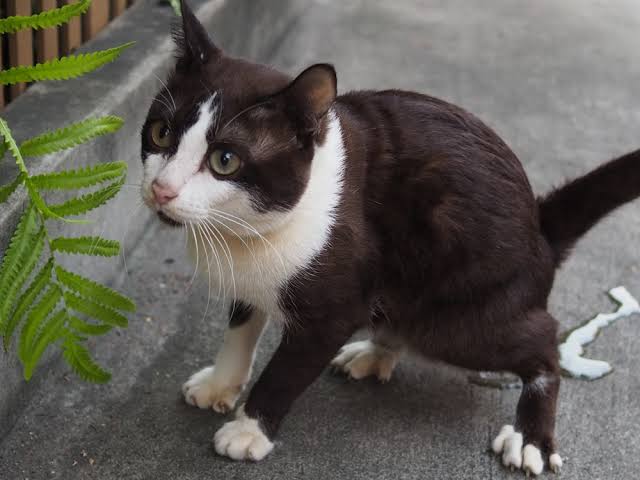
Why is my cat peeing on the floor? In most cases, it comes down to one of three things: a medical problem, an issue with the litter box itself, or stress in the home. Cats rarely act out of spite, so floor accidents are almost always a sign that something needs your attention.
Figuring out the exact cause takes a little detective work, but the good news is that most cases are fixable once you know what to look for.
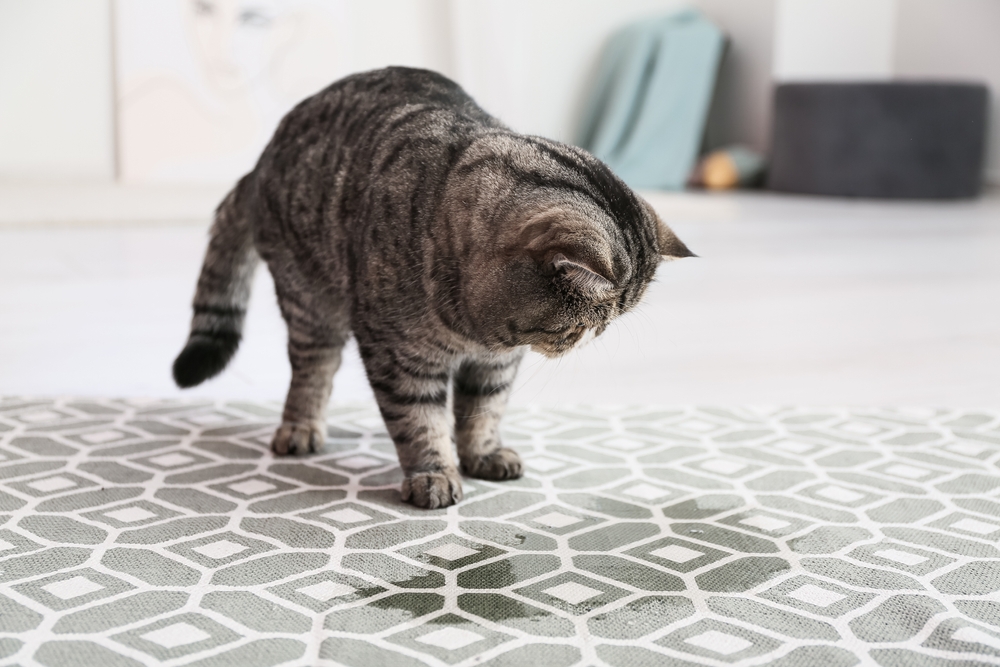
Most floor accidents trace back to a small set of common causes. Reviewing them quickly can help you narrow things down before reading further, and most cat owners can spot a likely category within a few minutes.
| Category | Common Causes |
|---|---|
| Medical | UTI, FLUTD, kidney disease, diabetes, arthritis |
| Litter box | Dirty box, wrong size, disliked litter, poor location |
| Behavioral | Stress, conflict with other pets, anxiety |
| Marking | Territorial spraying, often by unneutered males |
| Age-related | Cognitive decline, reduced mobility in senior cats |
Health issues are one of the most common explanations, and they should always be ruled out first. Many of these conditions cause pain that your cat then associates with the litter box itself, which can turn a short-term illness into a longer-term habit.
UTIs cause pain, urgency, and a burning sensation during urination. Cats with a UTI often go to the box frequently but produce only small amounts of urine.
FLUTD is an umbrella term for several bladder and urethra problems. It often causes straining, blood in the urine, and avoidance of the litter box due to pain.
Both conditions increase thirst and urine output dramatically. A cat may simply be unable to reach the box in time once these diseases progress.
Arthritis makes it painful to climb into a high-sided litter box. Older cats with sore joints may choose a closer, easier spot on the floor instead.
A blocked urethra is a true emergency, especially in male cats. Straining with no urine output requires immediate veterinary care, not home remedies.
This condition causes bladder inflammation without a clear infection or stone. Stress is believed to play a major role, making it a bridge between medical and behavioral causes.
Sometimes the medical side checks out completely fine, and the box itself is the real issue. Cats are surprisingly picky about their bathroom setup, and small details that seem unimportant to people can matter a great deal to them.
A box that smells fine to you can feel filthy to a cat’s sensitive nose. Most cats avoid boxes that have not been scooped within the last day, and a heavily soiled box can push even a tolerant cat to find another spot.
A box that is too small forces an awkward, uncomfortable posture. The general rule is a box at least 1.5 times your cat’s body length, and many commercial boxes sold in stores are simply too small for adult cats.
Many cats prefer soft, unscented, fine-grain litter over coarse or heavily perfumed options. Switching litter brands suddenly can trigger avoidance behavior, so gradual transitions over a week or two work better than an abrupt switch.
Cats want privacy and a quiet escape route while using the box. Loud appliances, high-traffic hallways, or dark corners can all discourage regular use, and a box near a washing machine is a particularly common mistake.
In multi-cat homes, competition over a single box is a common trigger. The standard guideline is one litter box per cat, plus one extra box, spread across different rooms rather than lined up side by side.
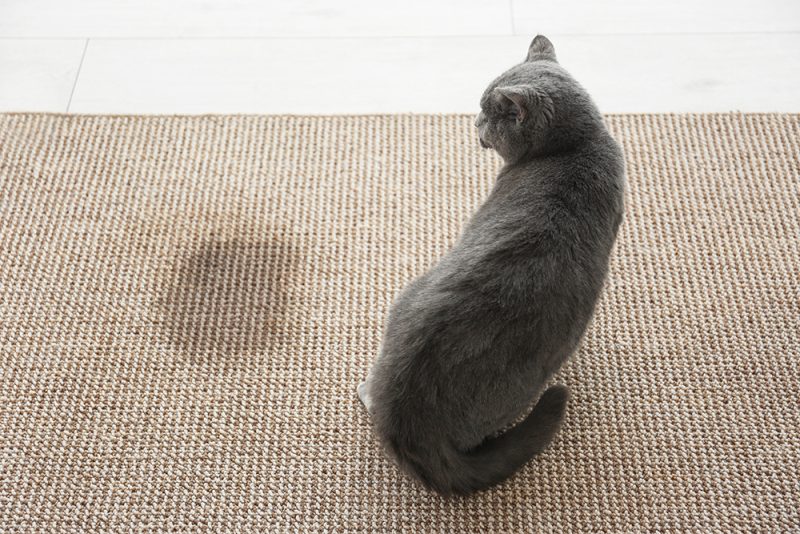
Cats are creatures of habit, and disruption to their routine can show up as a litter box problem. Stress-related accidents are very real and very common, even in cats that have never had any issues before.
Moving furniture, moving homes, or even loud guests can unsettle a cat. These changes sometimes lead to temporary floor accidents until the cat adjusts, often clearing up on their own within a week or two once routines settle.
A bully cat guarding the litter box can scare another cat away from using it. This is especially common when a new pet has recently joined the household, and it can happen quietly without any visible fighting or hissing.
Cats that feel generally anxious may avoid the box because it feels exposed. Quiet, secure locations tend to work much better for nervous cats, and rescue cats with an unknown history often benefit from extra patience.
Marking is a communication behavior, not a litter box complaint. It is usually aimed at claiming territory rather than relieving a full bladder, which is why marking cats often still use the litter box normally otherwise.
Aging cats face a unique set of challenges that younger cats usually do not. These issues often develop gradually over months, which makes early signs easy for busy owners to miss at first.
Feline cognitive dysfunction can cause confusion about where the litter box even is. Affected cats may also show pacing, vocalizing, or getting lost in familiar rooms, and these signs often appear gradually rather than overnight.
Joint pain and weaker muscles make travel to a distant litter box harder. Adding boxes closer to where your senior cat rests can help significantly, as can switching to a box with a lower entry point.
Households with several cats face extra challenges that single-cat homes usually avoid. Identifying the responsible cat is often the hardest part of the process.
One confident cat can quietly block another from reaching the litter box. This often happens without obvious fighting, making it easy for owners to miss.
A vet-safe fluorescent dye or temporary separation can help confirm which cat is soiling. Watching litter box visits directly for a day or two also works well.
Age plays a noticeable role in which causes are most likely. The table below highlights typical patterns at each stage of life.
| Life Stage | Most Likely Causes |
|---|---|
| Kitten | Incomplete litter training, small bladder, exploration |
| Adult | Stress, litter box setup issues, UTIs |
| Senior | Arthritis, kidney disease, cognitive decline |
Knowing which behavior you are dealing with changes how you approach a fix. The table below highlights the key differences, and most owners can identify the pattern after watching just one or two incidents closely.
| Sign | Inappropriate Urination | Urine Marking |
|---|---|---|
| Surface | Horizontal, flat surfaces | Vertical surfaces like walls |
| Posture | Squatting | Standing, tail upright and twitching |
| Volume | Usually a larger puddle | Usually a smaller, targeted spray |
| Common cause | Medical issue or box aversion | Territory or stress signaling |
| Most affected | Any cat | Unneutered males most often |
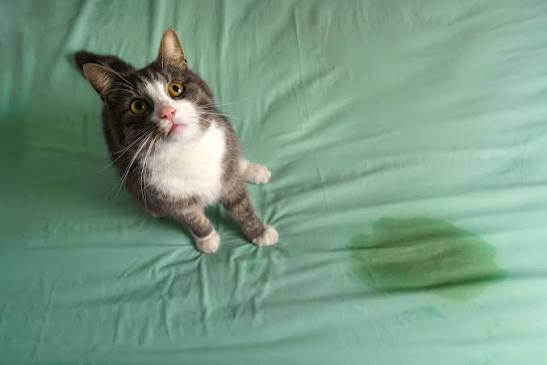
Floor accidents are common, but some cats choose beds, sofas, or laundry piles instead. The surface a cat picks can actually offer useful clues about the cause.
Cats with painful joints or urinary discomfort often prefer soft, absorbent surfaces. A bed or pile of clothes feels gentler than a hard litter box edge or tile floor.
Your scent on a bed can feel calming to an anxious cat. Some cats mix their own scent with yours as a way of self-soothing during stressful periods.
Occasionally, a specific item becomes a marking target after a stressful event nearby. Removing or thoroughly cleaning that item can sometimes stop the pattern from repeating.
A few persistent myths make this problem harder to solve correctly. Clearing them up helps you focus your time and energy on causes that actually matter most.
Cats are not capable of plotting revenge in the way people imagine. Floor accidents are almost always tied to comfort, pain, or stress, not punishment.
A box that looks fine to human eyes can still smell strongly to a cat. Feline noses are far more sensitive, so visual cleanliness is not a reliable test.
Even in single-cat homes, having only one box can become a problem during illness or stress. Extra boxes placed strategically often prevent accidents before they start.
Certain products can make solving this problem easier once the underlying cause is identified. None of these replace a proper veterinary diagnosis, but they can support recovery once a vet has cleared or treated any medical issue.
| Product Type | What It Helps With |
|---|---|
| Enzymatic cleaner | Fully removes urine scent from soiled areas |
| Pheromone diffuser | Reduces general stress and anxiety |
| Low-entry litter box | Helps cats with arthritis or mobility issues |
| Unscented, fine-grain litter | Matches natural feline litter preference |
| Automatic or self-cleaning box | Keeps litter fresher between manual cleanings |
A proper diagnosis usually involves a few standard steps. Understanding what to expect can make the vet visit feel less stressful.
Your vet will check for pain, mobility issues, and signs of weight loss. This basic exam often reveals arthritis or general discomfort quickly.
A urine sample can reveal infection, crystals, blood, or concentration problems. This single test rules out or confirms several major medical causes at once.
Blood tests check kidney function, blood sugar, and thyroid levels. These results help identify diabetes, kidney disease, or hyperthyroidism as possible culprits.
X-rays or ultrasound can detect bladder stones or structural problems. Imaging is especially useful when urinalysis results seem inconclusive on their own.
Once you understand the likely cause, fixing the problem becomes much more straightforward. Work through these steps in order for the best results.
Always start with a veterinary visit and a urine test. This step prevents wasted time treating a behavioral problem that is actually medical.
Scoop daily, deep-clean weekly, and reconsider box size, type, and location. Small setup changes often produce a noticeable improvement within days.
Pheromone diffusers, consistent routines, and extra play time can lower anxiety. A calmer cat is far less likely to avoid the litter box.
Use an enzymatic cleaner, not a standard household cleaner, on accident spots. Leftover scent can pull your cat right back to the same location.
If accidents continue after medical and environmental fixes, a feline behaviorist can help. Persistent cases often need a more tailored, structured plan.
Some symptoms point to a true emergency rather than a simple litter box quirk. Do not wait if you notice any of the signs below, since a few of these can become life-threatening within hours.
| Warning Sign | Why It Matters |
|---|---|
| Straining with no urine | Possible urinary blockage, life-threatening |
| Blood in the urine | Often signals infection or inflammation |
| Crying while urinating | Indicates significant pain |
| Sudden lethargy | May point to advanced kidney or metabolic disease |
| Repeated unproductive trips to the box | Classic sign of blockage or severe FLUTD |
Once the current issue is resolved, a few habits help keep it from coming back. Consistency matters more than any single product, and most prevention tips below take only a few minutes to put in place.
| Prevention Tip | Why It Helps |
|---|---|
| One box per cat, plus one extra | Reduces competition and territorial stress |
| Scoop at least once daily | Keeps the box appealing to sensitive noses |
| Keep boxes in quiet, accessible spots | Lowers stress and physical strain |
| Avoid sudden litter changes | Prevents box aversion from unfamiliar texture |
| Schedule routine vet checkups | Catches medical causes early |
Working through a simple checklist can speed up the process of finding the real cause. Go through each item before assuming the worst.
| Step | Action |
|---|---|
| 1 | Schedule a vet visit and request a urinalysis |
| 2 | Check litter box cleanliness and scooping frequency |
| 3 | Measure box size against your cat’s body length |
| 4 | Review any recent changes to litter type or brand |
| 5 | Note the location and privacy level of each box |
| 6 | Count litter boxes against the one-per-cat-plus-one rule |
| 7 | Watch for signs of stress, conflict, or recent disruption |
| 8 | Track whether accidents happen on flat or vertical surfaces |
This checklist works well as a quick reference during a vet appointment. Bringing notes on timing, location, and frequency helps your vet narrow things down faster, and it can shorten the overall diagnostic process considerably.
A sudden change usually points to a medical issue like a UTI or FLUTD. It can also follow a recent stressful event, so think back to any recent changes at home.
No, cats do not pee out of spite or revenge, since that requires reasoning they are not believed to have. The behavior almost always reflects a medical, environmental, or stress-related cause instead.
UTIs often involve straining, frequent small trips, or blood in the urine you can actually see. Stress-related accidents usually happen after a clear environmental change, move, or new pet.
This often signals discomfort with the box itself, not a complete rejection of the bathroom area. Check cleanliness, litter type, and box size first, since small fixes often resolve this quickly.
Yes, stress is one of the leading non-medical causes of inappropriate urination in cats. Pheromone diffusers, consistent routines, and quiet spaces often reduce stress-related accidents within a few weeks.
The standard rule is one litter box per cat, plus one extra box for the household. For three cats, that means at least four boxes placed in different, low-traffic areas.
It often reduces territorial marking, especially in unneutered males who spray to claim space. It does not address medical causes, so a vet visit is still an important first step.
Use an enzymatic cleaner designed specifically for pet urine rather than a generic household spray. Regular cleaners often fail to fully remove the scent that pulls cats back to the same spot.
No, punishment increases stress and usually makes the underlying problem noticeably worse over time. Positive, patient troubleshooting based on the real cause works far better than scolding ever does.
See a vet right away if you notice straining, blood in urine, or crying while urinating. Any sudden, persistent change in litter box habits also deserves a same-week checkup to be safe.
So, why is my cat peeing on the floor? The answer usually falls into one of a few buckets: a medical issue, a litter box problem, stress, or age-related decline. Working through each category systematically is the fastest way to find the real cause.
Start with a veterinary visit to rule out infections, FLUTD, kidney disease, or diabetes. From there, review the litter box setup, including cleanliness, size, litter type, and location, since these small details matter more than most owners expect.
If medical and litter box issues are both ruled out, focus on reducing stress through routine, enrichment, and pheromone support. With patience and the right combination of fixes, most cats return to consistent litter box use, and floor accidents become a thing of the past.