
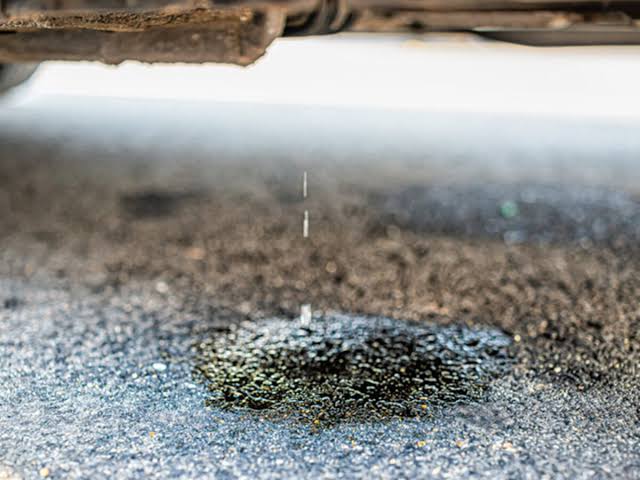
Why are fuel leaks a problem? is a question every driver, mechanic, and even driving-test student should be able to answer with confidence, because the risks go far beyond a small puddle under your car.
A fuel leak isn’t just wasted gasoline; it’s a fire hazard, a health hazard, and an environmental hazard rolled into one. Whether it’s a cracked fuel line, a worn gas cap, or a corroded tank, even a slow leak can escalate into a dangerous situation fast.
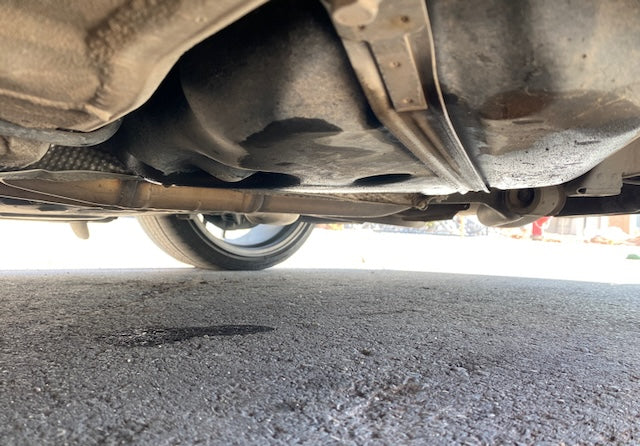
Fuel leaks are a problem because they create an immediate fire and explosion risk, expose people to toxic fumes, contaminate soil and water, and can cause accidents from slippery road surfaces. Understanding these risks is the first step toward treating any leak with the urgency it deserves.
Beyond safety, leaks also waste fuel, damage engine components, and can lead to legal or financial consequences if left unaddressed.
| Risk Category | Why It Matters |
|---|---|
| Fire or explosion | Fuel vapors ignite easily near sparks or heat |
| Health exposure | Benzene and VOCs cause respiratory and long-term illness |
| Environmental damage | Contaminates soil, groundwater, and wildlife habitats |
| Road safety | Spilled fuel makes pavement slippery, raising crash risk |
| Financial cost | Wasted fuel and expensive repairs add up over time |
| Legal or regulatory | Leaking tanks may violate environmental and safety codes |
Before getting into why fuel leaks are a problem, it helps to understand where they usually start. Most leaks trace back to wear, corrosion, or a part that simply wasn’t sealed properly.
Rubber and metal fuel lines degrade with age, road debris, and exposure to rust. Once a line cracks, fuel escapes steadily and the leak typically worsens over time.
Tanks weaken from corrosion, especially in humid climates or areas that use road salt in winter. A corroded seam or a puncture from road debris can both lead to a leaking tank.
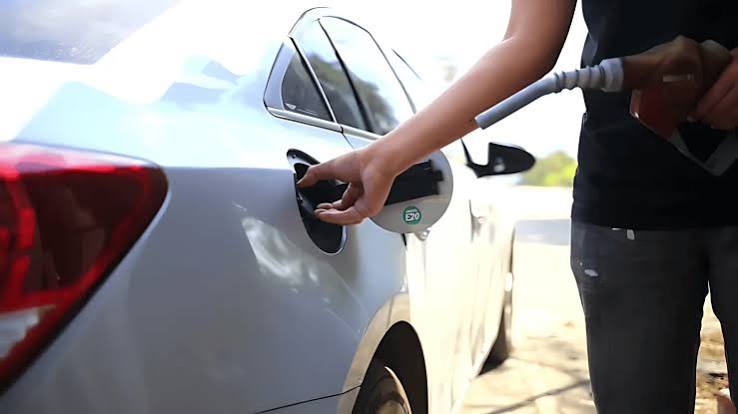
A gas cap with a worn seal, or one that isn’t tightened fully, lets fuel vapors escape slowly. This is one of the most common and easiest leaks to fix.
Fuel pump seals dry out and crack over time, especially on older vehicles. Since the pump usually sits inside the tank, a failed seal can leak fuel directly near hot exhaust components.
A blocked filter can cause fuel to back up and escape through a weak point in the housing. Loose clamps around the filter housing make this worse.
Injector O-rings harden and lose elasticity with age, allowing fuel to seep out around the injector body. A cracked fuel rail can spray fuel directly into the engine bay.
When the pressure regulator fails, fuel pressure can spike or drop unexpectedly, often pushing fuel out through a weak seal. This issue is harder to spot without a proper diagnostic check.
Topping off the tank past the automatic shutoff can cause fuel to expand and spill from the filler neck. This is a small but completely avoidable cause of fuel leaks.
Now that you know how leaks start, here’s a closer look at why fuel leaks are treated as a serious problem rather than a minor inconvenience.
Escaping fuel vaporizes quickly and forms a flammable mixture in the air around the vehicle. A spark from a hot engine surface, static electricity, or nearby electrical wiring is all it takes to ignite it.
Gasoline vapors contain benzene, a known carcinogen, along with other harmful hydrocarbons. Short-term exposure causes dizziness, headaches, and nausea, while long-term exposure raises the risk of serious illness.
Leaking fuel can soak into soil and seep into groundwater used for drinking or irrigation. Even low concentrations of benzene and other fuel constituents are considered hazardous to public health.
Fuel leaks release volatile organic compounds that contribute to smog and ground-level ozone. Elevated ozone levels worsen asthma and bronchitis, particularly in children and older adults.
Fuel spilled on pavement creates a surface nearly as slick as ice, especially in wet weather. This raises the risk of skidding, loss of control, and collisions for every driver nearby.
A leak drains fuel that should be powering the engine, which lowers fuel efficiency and increases how often you need to refuel. Over weeks or months, this adds up to a real financial loss.
A leak changes fuel pressure and air-to-fuel ratios, which can cause rough idling, misfires, or stalling. Left unresolved, this strain can damage injectors, the fuel pump, or other connected components.
Leaking underground storage tanks and uncontained spills are regulated by environmental agencies in most regions. Failing to report or contain a fuel spill can lead to fines, cleanup costs, and liability if the spill harms others.
A documented fuel leak history can lower a vehicle’s resale value, since buyers and inspectors treat it as a safety red flag. Insurance claims related to fire damage from an ignored leak can also be denied if neglect is found to be the cause.
Leaking fuel doesn’t stay contained to one part; it can soak into wiring, insulation, and rubber mounts nearby. Over time, this accelerates corrosion and wear on parts that had nothing to do with the original leak.
Catching a leak early is the single best way to avoid the risks above. Here are the signs that typically show up first.
| Sign | What It Means |
|---|---|
| Strong fuel odor | Vapors escaping from a line, tank, or cap |
| Visible puddle or stain | Active leak dripping from underneath the vehicle |
| Fuel gauge dropping faster than normal | Fuel escaping rather than being burned by the engine |
| Rough idling or misfires | Fuel system pressure being affected by the leak |
| Check engine or fuel system light | Onboard sensors detecting a fuel system fault |
Knowing the likely source of a leak helps you and a mechanic narrow down the problem faster.
| Location | Common Cause |
|---|---|
| Fuel lines | Cracking from age, rust, or road debris |
| Fuel tank | Corrosion, punctures, or worn seams |
| Gas cap | Worn seal or cap not tightened fully |
| Fuel pump | Dried-out seals inside the tank |
| Fuel injectors | Wear, clogging, or seal failure |
| Fuel filter housing | Cracks or loose clamps |
Older vehicles face a noticeably higher risk of fuel leaks simply because rubber seals and metal lines weaken with time. Mileage matters too, since more driving means more exposure to road debris, vibration, and temperature swings.
| Vehicle Age | Typical Risk Level | Common Issue |
|---|---|---|
| 0 to 5 years | Low | Rare, usually a manufacturing defect or loose cap |
| 5 to 10 years | Moderate | Seal wear, early corrosion in rust-prone areas |
| 10+ years | High | Cracked lines, corroded tanks, aging fuel pump seals |
Drivers in regions that use road salt in winter should expect this timeline to move faster, since salt accelerates corrosion well beyond normal wear.
If you smell fuel or spot a stain under your car, how you respond in the next few minutes matters more than you might think.
A running engine adds heat and electrical activity near a possible fuel source. Shutting it off removes one of the key ingredients needed for ignition.
Don’t smoke, use a lighter, or start any nearby machinery while fuel vapor may be present. Even a small static spark can ignite escaped fuel vapor.
If it’s safe to do so, move away from enclosed spaces like garages where vapors can build up. Open areas allow fumes to disperse instead of concentrating around you.
Driving with an active fuel leak risks worsening the leak and exposes you to fire and fume hazards the entire trip. A tow is almost always safer than continuing on the road.
A mechanic can pinpoint the exact source of the leak and recommend the right repair. Trying to diagnose a pressurized fuel system without training carries its own risks.
Mechanics typically start with a visual inspection underneath the vehicle to locate puddles, stains, or damp spots near fittings. A dye test or pressure test can reveal slower leaks that aren’t visible at a glance.
Repair costs vary widely depending on the part involved, so it helps to see a rough breakdown before you visit a shop.
| Repair Needed | Typical Cost Range |
|---|---|
| Gas cap replacement | $15 to $40 |
| Fuel injector O-ring or seal | $100 to $350 per injector |
| Fuel line repair or replacement | $150 to $600 |
| Full fuel line assembly replacement | $300 to $2,000+ |
| Fuel rail or injector housing | $300 to $1,200 |
| Fuel tank repair or replacement | $400 to $2,500+ |
These ranges depend heavily on your vehicle’s make, model, and how accessible the leaking part is. A simple cap swap takes minutes, while a full tank replacement can take most of a day in the shop.
Most fuel leaks are preventable with a few consistent habits built into your regular vehicle care.
Routine inspections catch worn seals, loose connections, and early corrosion before they become hazardous. Many shops recommend checking the fuel system every six months as part of standard maintenance.
A cracked or loose gas cap is one of the simplest fixes available, yet it’s often overlooked. Replace the cap as soon as the seal looks worn or no longer clicks into place.
Stop fueling once the pump shuts off automatically rather than topping it off further. This single habit prevents one of the most avoidable causes of fuel spills.
Rust-belt regions with road salt accelerate corrosion on fuel lines and tanks. Undercarriage rust treatments and prompt repairs slow this process significantly.
Low-quality fuel can leave more sediment behind, which clogs filters faster and stresses the system. Replacing filters on schedule reduces pressure buildup that can push fuel past weak seals.
Fuel leak risks aren’t limited to passenger vehicles. Boats, generators, and industrial engines face the same core dangers, often at a larger scale.
In marine and power-generation settings, a fuel leak can mean fire risk to a vessel or facility, contamination of waterways, and costly engine damage from continued operation. Regular inspections and crew training are treated as essential safety measures in these environments for the same reasons they matter in everyday vehicles.
A few well-intentioned reactions actually increase the danger instead of reducing it. Knowing what not to do is just as important as knowing the warning signs.
Continuing to drive on a known leak adds heat, vibration, and pressure that can widen a small crack into a major one. The few minutes saved rarely outweigh the added fire and fume risk.
Quick fixes like tape or epoxy can mask a leak’s symptoms without actually resolving the underlying damage. These should only be treated as a stopgap until a proper repair is done.
A fuel smell that fades after a few minutes can still indicate vapor escaping from a worn cap or seal. Intermittent smells are often the early stage of a leak that becomes constant later.
Vapors build up quickly in small, unventilated spaces and raise the risk of ignition or harmful inhalation. Always move a leaking vehicle to an open area whenever it’s safe to do so.
Not every fuel leak needs a trip to the shop right away, but it’s important to know which fixes are genuinely safe to attempt at home.
Tightening or replacing a worn gas cap is a simple, low-risk job most drivers can handle themselves. The same goes for securing a loose clamp on a filter housing if the part itself isn’t damaged.
Any leak involving the fuel tank, fuel lines under pressure, or injectors should go to a trained mechanic. These systems operate under pressure and require specific tools and safety procedures to repair correctly.
Modern fuel systems stay pressurized even when the engine is off, so disconnecting a line without releasing that pressure first can spray fuel unexpectedly. This is one of the main reasons mechanics relieve fuel pressure before starting any repair.
Whether the fix is large or small, always treat fuel as hazardous material rather than a simple liquid spill. Gloves, ventilation, and a fire extinguisher nearby are good habits even for a quick gas cap swap.
Here are quick answers to the questions people ask most often about fuel leak risks.
They create a fire risk, expose you to toxic fumes, and can damage your engine or fuel system over time. Even a small leak tends to get worse the longer it’s ignored.
Yes, fuel vapor needs only a small spark or hot surface to ignite. Size doesn’t reduce the risk nearly as much as people assume.
No, driving with an active leak risks fire, fume exposure, and a worsening leak along the way. It’s safer to shut off the engine and call for a tow.
Costs range from about $15 for a new gas cap to $2,500 or more for a full tank replacement. Most common repairs, like a fuel line or injector seal, fall between $150 and $600.
Yes, a leak alters fuel pressure and the air-to-fuel ratio, which can cause misfires, stalling, and added strain on injectors and the fuel pump. Left unresolved, this can lead to more expensive repairs down the line.
Gasoline leaks have a sharp, sweet chemical odor, while diesel smells heavier and more oily. Either smell near your vehicle is worth investigating right away.
Diesel is combustible rather than highly flammable, since its flashpoint is much higher than gasoline’s. It still poses health, environmental, and engine risks, just with a lower fire risk in most situations.
Yes, fuel that seeps into soil can reach groundwater used for drinking or irrigation. Even small amounts of benzene in water are considered a health hazard.
Treat any fuel leak as urgent and have it inspected within a day or as soon as possible. Small leaks tend to worsen quickly under normal driving pressure and vibration.
It’s safer to avoid driving and arrange a tow instead, especially if you can see fuel pooling or staining. A short drive can be tempting, but it adds real fire and fume risk for an avoidable reason.
So, why are fuel leaks a problem? Because a single leak combines fire risk, toxic exposure, environmental damage, and financial cost into one issue that only gets worse with time.
Whether it starts as a worn gas cap or a cracked fuel line, the same escaping vapor that wastes your money can also ignite, poison groundwater, or make the road dangerously slippery for everyone nearby.
The fix is almost always more affordable and far safer than ignoring the problem, ranging from a simple cap replacement to a full line or tank repair.
If you ever smell fuel or spot a stain under your car, treat it as urgent: shut off the engine, avoid sparks, and get it inspected rather than waiting to see if it goes away on its own.
A small leak caught early is a minor repair; the same leak ignored is a genuine hazard to you, your passengers, your vehicle, and the environment around you.