
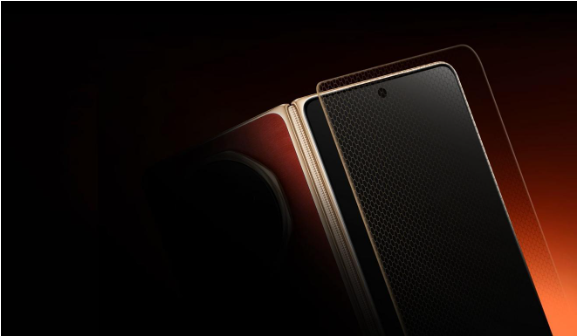
Foldable phones have moved from tech demos to real devices that people now use every day. Major brands promote them heavily in ads, stores, and online, which helps more buyers notice them. Shoppers see creators reviewing foldables on YouTube, TikTok, and blogs, so curiosity grows quickly. Many users want bigger screens without carrying a tablet, and foldables solve that need in a fresh, exciting way. Early models felt fragile and expensive, but newer generations look more reliable and polished. Software has also caught up, letting users enjoy apps that fit the unusual screen shapes. As designs improve and prices slide, foldable phones now feel less like experiments and more like the natural next step in smartphones.
Early foldable phones worried buyers with fragile hinges and soft plastic screens. New models such as the HONOR Magic V6 address these issues with stronger hinge designs that resist dust, wear, and repeated folding. Some brands add ultra-thin glass layers and tougher protective coatings, making the display harder to scratch and easier to clean. Water resistance ratings now appear on several flagship foldables, which boosts user confidence in daily use. Screen creases remain, but recent devices like the HONOR Magic V6 reduce their visibility and impact on touch response. Brighter panels, higher refresh rates, and improved color accuracy also make foldable screens look more premium. These upgrades help users trust foldables as main phones, not risky experiments they must baby or hide in thick cases..
Modern foldable phones now ship with the same flagship processors used in top regular smartphones. This boost in power means apps open quickly, multitasking feels smooth, and demanding tasks like video editing run well. Makers also optimize software to work with split screens and floating windows without slowing down. Battery life has improved as chipsets become more efficient and batteries grow larger or smarter. Some foldables use dual-battery designs to spread power use across the two sides of the phone. Fast charging helps users top up quickly between meetings or trips. Better heat management stops performance drops during long gaming or streaming sessions. Together, these changes make foldables practical for all-day use.
The larger, tablet-like screen inside many foldable phones makes multitasking feel natural. Users can open two or three apps at once, such as email, chat, and a browser, and view them side by side. This layout helps professionals read documents while taking notes or join video calls while checking calendars. Many phone makers add drag-and-drop features so users can move text, images, or files between apps quickly. Foldables also shine for daily tasks like shopping, banking, or planning trips, because websites and apps display more information at once. Some models offer a desktop-like mode when connected to a monitor, turning the phone into a mini workstation. This flexibility gives foldables an edge over standard phones.
Foldable phones offer bigger, more immersive screens that improve gaming and media. Gamers enjoy a wider view of maps, menus, and controls, which can help with reaction times and overall comfort. High refresh rates and low touch latency make action games feel smooth and responsive. For streaming, movies and shows look more cinematic on the larger inner display, especially when the aspect ratio fits widescreen content better. Many users prop the device in a half-folded “laptop” position to watch videos hands-free or join video calls. Reading comics, browsing social media, or editing photos also feels nicer on the expanded screen real estate. These entertainment benefits help justify the unique design for many buyers.
Foldable phones launched at very high prices due to new materials, complex hinges, and limited production. Over several generations, manufacturers have refined their designs and improved yields, which reduces costs. Competition across brands also pushes companies to offer more value at lower price points. Some makers introduce “Lite” or mid-range foldables with simpler specs but similar folding experiences. This trend opens the market to users who could not consider early premium models. Discounts appear more often around sales events, product launches, and new model releases. While foldables still cost more than many standard phones, the gap is shrinking, making them easier for curious buyers to justify.
Mobile carriers and retailers play a key role in driving foldable phone adoption. They run promotions that cut monthly payments, offer bill credits, or bundle services when customers choose a foldable. For shoppers researching devices and comparing factors such as the honor magic v6 price, these incentives can significantly lower the overall cost of ownership. Generous trade-in programs let users swap older flagships for strong discounts on new foldable models. These offers reduce the upfront cost and help people feel comfortable trying an unfamiliar device type. Some carriers highlight foldables in store displays and online banners, which builds awareness and trust. Bundled accessories, such as cases or earbuds, can sweeten the deal further. As these promotions become more common, more shoppers see foldables as an affordable upgrade rather than a luxury purchase.
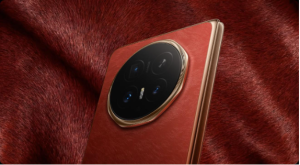
Foldable phones are gaining popularity because they now deliver real benefits instead of just novelty. Hardware has matured, with stronger hinges, better screens, and faster chips that handle daily life with ease. Bigger displays improve multitasking, work productivity, and entertainment, blending the roles of phone and tablet in one device. Prices, while still high, continue to drop, and carriers support the shift with attractive deals and trade-in plans. As more creators, professionals, and everyday users share positive experiences online, trust in the technology grows. Foldables still have room to improve, but they already offer a fresh, flexible way to use mobile devices. That mix of innovation and practicality keeps demand rising.