
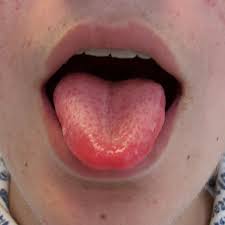
Why Does the Tip of My Tongue Hurt most often because of a minor injury, canker sore, or burn — all of which heal on their own within days.
However, pain at the tip of the tongue can also point to infections, nutritional deficiencies, allergic reactions, or rare chronic conditions that need medical attention.
Understanding the exact cause helps you treat the pain faster and know when a doctor visit is necessary.
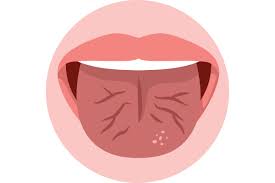
The tip of the tongue is packed with thousands of nerve endings and taste buds. It moves constantly during eating, speaking, and swallowing, which means even a tiny irritation gets noticed immediately.
Because it contacts hot food, sharp teeth, dental appliances, and acidic drinks all day long, the tip is more exposed to injury and irritation than almost any other area inside the mouth. That sensitivity is what makes tip-of-tongue pain feel so hard to ignore.
Biting the tip of your tongue while chewing or talking is one of the most frequent causes of localized tongue pain. The injury creates a small wound that swells, becomes tender, and stings when touched by food or drinks.
Minor bites typically heal within two to four days without any treatment. If the bite is deep or you keep re-injuring the same spot, healing takes longer and pain can persist for a week or more.
Sharp edges from broken teeth, chipped fillings, braces, or ill-fitting dentures can also repeatedly scrape the tip of the tongue without you realizing it. Continuous rubbing prevents healing and creates a chronic sore that will not go away until the dental issue is fixed.
Scalding the tip of your tongue on hot coffee, soup, pizza, or tea is extremely common. The burn damages the surface tissue and the small papillae (taste buds) on the tip, leaving behind a raw, tender sensation that can last several days.
A mild thermal burn at the tip of the tongue feels like raw skin. It may look slightly red or swollen and can make eating and drinking painful until the tissue regenerates. Taste sensation may feel slightly off in the burned area while it heals.
Canker sores are small, round ulcers with a white or yellow center surrounded by a red border. They commonly appear on the tip or sides of the tongue and can be intensely painful relative to their size.
They are not contagious and are not caused by a virus. Common triggers include minor trauma, emotional stress, hormonal changes, certain acidic foods, and sodium lauryl sulfate in some toothpastes.
Canker sores at the tip of the tongue typically cause a burning or stinging pain that gets worse when eating spicy, acidic, or salty food. Most heal completely within 7 to 14 days. Sores larger than one centimeter may take up to three weeks to resolve.
Lie bumps are small red or white inflamed bumps that appear suddenly on the tip or surface of the tongue. They involve individual swollen taste buds and can cause a burning, stinging, or tender sensation.
They are officially called transient lingual papillitis and are extremely common. Triggers include stress, eating very hot or very acidic food, gastrointestinal upset, or hormonal fluctuations.
Lie bumps resolve on their own within a few days and require no medical treatment. The pain can feel surprising given how small the bumps are, but the condition is completely harmless.
Burning mouth syndrome causes a persistent burning, tingling, or scalding sensation at the tip of the tongue or across the entire mouth without any visible cause. The pain can feel like you have burned your tongue on hot coffee, even when you have not eaten or drunk anything hot.
It most commonly affects postmenopausal women and people with depression or anxiety, though it can occur in anyone. The cause is not fully understood but involves nerve dysfunction, hormonal changes, or nutritional deficiencies.
The sensation typically starts in the morning and worsens throughout the day. It may come and go in cycles or be continuous.
Oral thrush is a fungal infection caused by an overgrowth of Candida, a yeast that normally lives in the mouth in small amounts. It can cause soreness, tenderness, or a burning feeling at the tip of the tongue and inside the mouth.
Visible signs include white or yellow patches on the tongue, inner cheeks, or throat. These patches may look like cottage cheese. Wiping them off can cause bleeding underneath.
Common triggers include recent antibiotic use, steroid inhaler use, weakened immune system, uncontrolled diabetes, or wearing dentures that do not fit well. It requires antifungal treatment and does not resolve on its own.
Low levels of vitamin B12, folate, or iron are a well-recognized cause of tongue pain and soreness. The condition is called atrophic glossitis, where the tongue becomes smooth, red, sore, and swollen because the tiny papillae wear away from lack of nutrients.
Vitamin B12 deficiency is particularly associated with tip-of-tongue and generalized tongue pain. It often comes alongside fatigue, weakness, tingling in the hands and feet, and a fast or irregular heartbeat.
Iron deficiency produces similar tongue changes and may be accompanied by fatigue, brittle nails, and pale skin. Folate deficiency causes an inflamed, painful tongue that can look glossy and red.
| Nutrient Deficiency | Tongue Appearance | Other Symptoms |
|---|---|---|
| Vitamin B12 | Smooth, red, inflamed (glossitis) | Fatigue, tingling in hands/feet, fast heartbeat |
| Iron | Smooth, pale or red, swollen | Fatigue, brittle nails, pale skin |
| Folate (B9) | Smooth, red, glossy | Fatigue, mouth sores, poor concentration |
| Vitamin B3 (Niacin) | Red, raw, painful | Skin rash, diarrhea, confusion |
| Zinc | Inflamed, sore | Slow wound healing, hair loss, weak immunity |
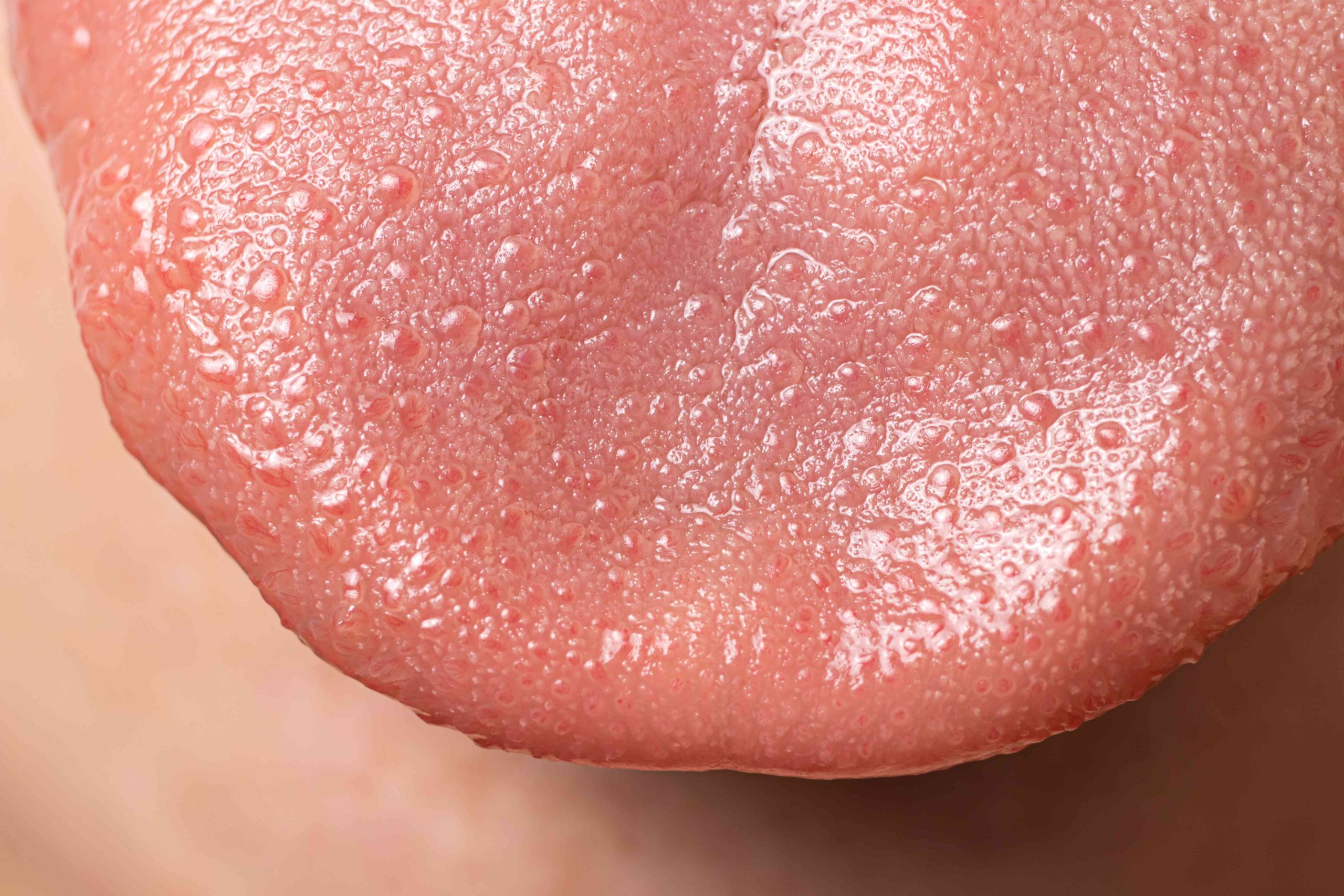
An allergic reaction to food, medication, oral care products, or dental materials can cause sudden swelling, tingling, burning, or pain at the tip of the tongue. Oral allergy syndrome is a milder form where eating certain raw fruits or vegetables causes immediate mouth and tongue tingling.
Common food triggers include nuts, shellfish, eggs, milk, and some raw fruits like apples, pears, and stone fruits. Some people react to cinnamon-flavored products, sodium lauryl sulfate in toothpaste, or certain mouthwash ingredients.
A severe allergic reaction (anaphylaxis) causes rapid swelling of the tongue and throat, difficulty breathing, and requires emergency care immediately. Any swelling that spreads beyond the tongue should be treated as a medical emergency.
Geographic tongue is a harmless condition where smooth red patches with white or yellow borders appear on the tongue surface. The patches shift location over days or weeks, giving the tongue a map-like appearance.
It is seen in roughly 1 to 3 percent of the population. The condition itself is not dangerous and is not linked to oral cancer. However, the bare patches can become tender or painful when exposed to spicy, acidic, or salty foods.
Geographic tongue is linked to nutritional deficiencies in zinc, iron, folic acid, and vitamins B6 and B12, as well as fissured tongue and psoriasis. There is no cure, but avoiding trigger foods helps manage discomfort.
Oral lichen planus is a chronic inflammatory condition that affects the mucous membranes of the mouth, including the tongue. It creates lacy white patches, red areas, or open sores that can feel sore or tender.
It results from a faulty immune response. Stress and dental plaque can worsen flare-ups. While there is no cure, symptoms are manageable with topical steroids and good oral hygiene. People with oral lichen planus have a small but real increased risk of oral cancer and should have regular dental checkups.
Glossopharyngeal neuralgia is an uncommon nerve condition causing severe, sudden, shock-like pain at the tip of the tongue, throat, tonsils, or ear. The pain typically comes in brief episodes triggered by swallowing, chewing, talking, or yawning.
It results from irritation or damage to the glossopharyngeal nerve. Episodes can be intense and frightening, often described as an electric shock. A doctor can diagnose this condition and recommend medications or, in severe cases, surgical treatment.
Tongue cancer is rare but important to rule out when tongue pain does not resolve. It most commonly appears as a sore, lump, or patch that does not heal after two to three weeks, particularly on the side or tip of the tongue.
Risk factors include tobacco use, heavy alcohol consumption, and human papillomavirus (HPV) infection. Tongue cancer that is caught early responds well to treatment. Any non-healing sore on the tongue lasting more than two weeks should be evaluated by a doctor or dentist promptly.
| Cause | Main Symptom | Healing Time | Needs Doctor? |
|---|---|---|---|
| Accidental bite | Localized pain, swelling | 2–5 days | Rarely |
| Thermal burn | Raw, tender, red tip | 3–7 days | If severe |
| Canker sore | Ulcer with white center, burning pain | 7–14 days | If recurrent |
| Lie bumps | Small red/white bumps, stinging | 2–5 days | No |
| Burning mouth syndrome | Persistent burning with no visible cause | Chronic | Yes |
| Oral thrush | White patches, soreness | Needs antifungal | Yes |
| Vitamin B12 deficiency | Smooth, red, sore tongue | Weeks with treatment | Yes |
| Allergic reaction | Tingling, swelling | Hours–days | Yes if severe |
| Geographic tongue | Red patches, sensitivity to spicy food | Comes and goes | No |
| Oral lichen planus | White patches, open sores | Chronic | Yes |
| Neuralgia | Electric shock pain episodes | Needs treatment | Yes |
| Tongue cancer | Non-healing sore or lump | Needs treatment | Yes immediately |
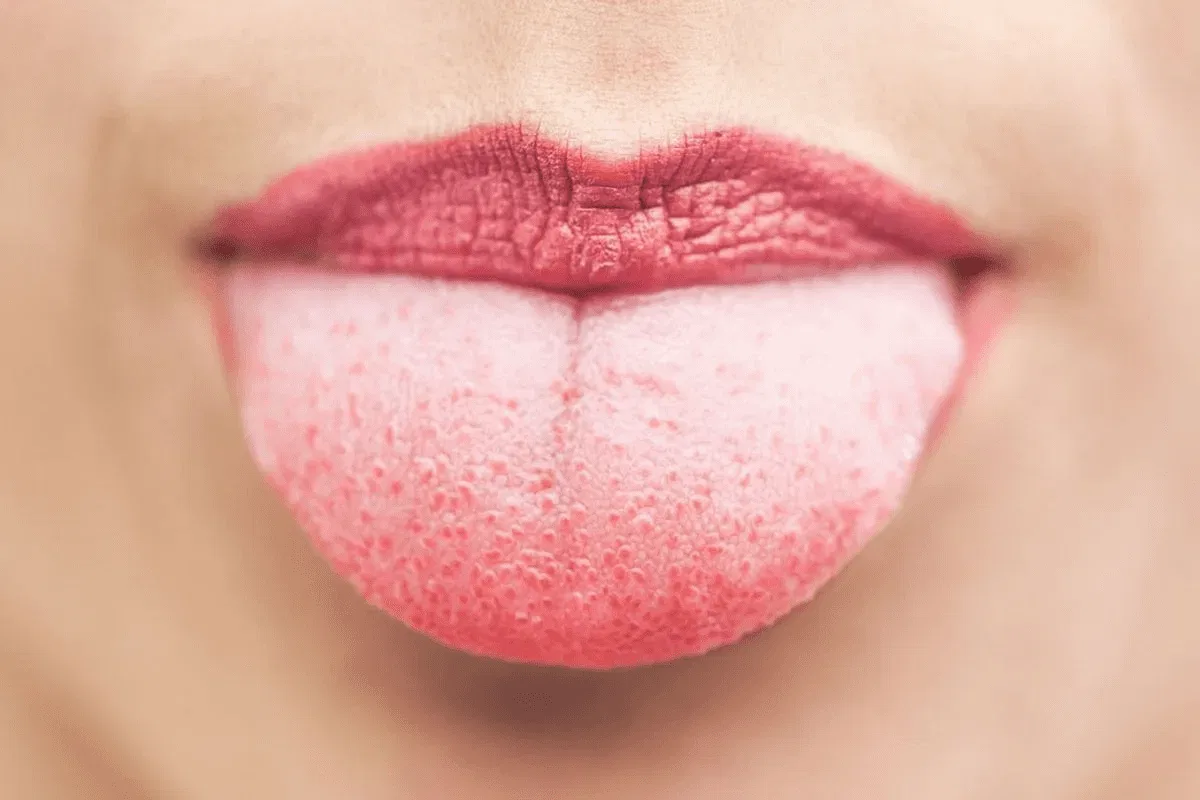
Mix one teaspoon of salt into eight ounces of warm water. Swish gently for 30 seconds and spit. Salt is a natural antiseptic that reduces bacteria, decreases inflammation, and creates a cleaner environment for the tongue to heal.
Do this two to three times per day, especially after meals. It works well for canker sores, minor bites, and thermal burns. It does not sting as intensely as alcohol-based mouthwash and will not further irritate a raw tongue tip.
Sucking on ice chips or drinking cold water immediately soothes burning tip-of-tongue pain from burns, lie bumps, or canker sores. Cold numbs the nerve endings temporarily and brings down any local swelling.
Avoid very hot foods and drinks entirely while your tongue is healing. Stick to cool, soft foods like yogurt, mashed potatoes, and smoothies until the pain subsides.
Raw honey has natural antibacterial and anti-inflammatory properties. Applying a small amount directly to a canker sore or bite injury at the tip of the tongue can help soothe pain and reduce healing time.
Apply with a clean finger or cotton swab two to three times per day. Avoid rinsing immediately after applying to give it time to work. Do not use as a treatment for oral thrush, as the sugar content can feed yeast.
Dissolve one teaspoon of baking soda in a small glass of warm water and rinse your mouth gently. Baking soda neutralizes acid in the mouth, which reduces irritation on raw tissue at the tip of the tongue.
It is particularly helpful when tongue pain is triggered or worsened by acidic foods or drinks. Use once or twice daily as needed.
Products containing benzocaine, such as Orajel or Zilactin-B, can be applied directly to the painful spot at the tip of the tongue. They numb nerve endings within seconds and provide short-term relief during eating or speaking.
These are not long-term solutions. Use them to manage discomfort while the underlying cause heals naturally. Follow label instructions and avoid overuse.
Ibuprofen or acetaminophen taken as directed can reduce inflammation and manage pain from canker sores, bites, burns, or infections at the tongue tip. Ibuprofen works better for inflammation-related pain. Acetaminophen is preferred if you have stomach sensitivity.
Do not use aspirin directly on tongue tissue. Aspirin applied topically can cause chemical burns on oral mucosa.
Certain foods and drinks consistently make tongue pain worse during healing. Avoiding them reduces irritation, slows bacterial growth, and shortens recovery time.
| Foods and Drinks to Avoid | Why They Worsen Pain |
|---|---|
| Hot coffee, tea, soup | Aggravate burns and raw tissue |
| Spicy foods (chili, hot sauce) | Inflame damaged nerve endings |
| Citrus fruits and juices | High acidity irritates open sores |
| Salty snacks (chips, pretzels) | Salt stings open wounds |
| Tomato-based foods | Acidic, delays healing |
| Alcohol | Dries tissue and disrupts healing |
| Carbonated drinks | Acidic carbonation irritates sores |
| Hard, crunchy foods | Re-injure healing tissue |
Stick to soft, cool, and bland foods like oatmeal, yogurt, bananas, scrambled eggs, and mashed vegetables while the tip of your tongue recovers.
Most tip-of-tongue pain resolves on its own within one to two weeks and does not require a doctor visit. However, certain signs mean you should seek professional evaluation without delay.
A sore or painful area at the tip of your tongue has not healed after two weeks of home treatment. The more time passes without healing, the more important professional evaluation becomes.
You notice a lump, thickening, or hard area at the tip of your tongue that was not there before. A painless lump that does not go away is a more concerning sign than a sore that hurts.
You develop white or red patches on the tongue that cannot be wiped away. Non-removable patches, particularly white ones, should always be evaluated by a dentist.
Your tongue pain comes with difficulty swallowing, speaking, or breathing. Any of these symptoms alongside tongue pain suggest something more serious than a minor injury.
You experience tingling, numbness, or weakness in your hands and feet alongside tongue pain. This combination often points to a vitamin B12 deficiency that needs blood work and treatment.
You develop sudden, severe swelling of the tongue or throat, particularly after eating or taking medication. This is a medical emergency requiring immediate care.
| Symptom | Action |
|---|---|
| Sore lasting more than 2 weeks | See a dentist or doctor |
| Painless lump or thickening | See a dentist promptly |
| White or red patch that cannot be wiped off | Dental evaluation needed |
| Difficulty swallowing or breathing | Emergency care |
| Tongue swelling spreading to throat | Call emergency services |
| Tingling in hands and feet with tongue pain | Blood test for B12/iron |
| Repeated canker sore outbreaks (monthly) | Medical evaluation |
Children experience tongue tip pain most often from biting, burns from hot food, or canker sores. Lie bumps are also very common in children and can be alarming to parents who are not familiar with them.
Hand, foot, and mouth disease — a common viral illness in young children — causes painful sores in the mouth including on the tongue. It typically comes with a fever, sores on the palms, and a rash on the soles of the feet.
Most causes of tongue tip pain in children resolve on their own. Keep them hydrated, offer cool soft foods, and watch for sores lasting longer than two weeks or recurring frequently. If a child is unable to eat or drink because of tongue pain, see a pediatrician.
Stress is a well-established trigger for canker sores, lie bumps, and burning mouth syndrome. During periods of high stress, the immune system changes and the body becomes more prone to inflammatory reactions in oral tissue.
If your tongue tip pain tends to flare up during stressful periods, managing stress may reduce how often these episodes occur. Good sleep, regular exercise, and reduced caffeine intake all help lower the frequency of stress-related oral sores.
Keeping the mouth clean reduces the bacteria load in contact with any open sore or irritated tissue at the tongue tip. Brush your teeth twice daily with a soft-bristled toothbrush. Use a tongue scraper or gently brush the tongue surface to remove bacteria.
Use an alcohol-free mouthwash when your tongue is already sore. Alcohol-based mouthwashes can sting and dry out tender oral tissue, slowing recovery.
Stay well hydrated throughout the day. A dry mouth allows bacteria to accumulate faster and can make existing tongue sores more painful and slower to heal.
Even without an obvious injury, tip-of-tongue pain can come from lie bumps, burning mouth syndrome, stress, or a mild nutritional deficiency. If there is no visible sore and the pain lasts more than two weeks, see a doctor.
Minor bites and burns heal in 2 to 5 days. Canker sores take 7 to 14 days. Lie bumps resolve in 2 to 5 days. Pain lasting beyond two weeks warrants a dental or medical evaluation.
Yes. Low levels of vitamin B12, iron, or folate cause a condition called atrophic glossitis where the tongue becomes smooth, red, and sore. A simple blood test can confirm a deficiency and supplementation usually resolves tongue pain within weeks.
No. Lie bumps (transient lingual papillitis) are small inflamed taste buds that are completely harmless. They appear suddenly, cause brief burning or stinging pain, and disappear on their own within a few days without any treatment.
It feels like a small, round, raw spot with a white or yellow center and a red border. It burns and stings when touched by food, drink, or the teeth. It is not contagious and heals on its own within 1 to 2 weeks.
Yes. Stress is a common trigger for canker sores, lie bumps, and burning mouth syndrome. Managing stress levels can reduce how frequently these conditions flare up and how severe each episode feels.
Rinse with warm saltwater two to three times daily, suck on ice chips for immediate relief, apply a small amount of honey to visible sores, avoid spicy and acidic foods, and take ibuprofen if inflammation is making it hard to eat or talk.
Be concerned if the pain or sore has not healed after two weeks, if you notice a lump or thickening, if white or red patches appear that cannot be wiped away, or if you have difficulty swallowing or breathing alongside the tongue pain.
Yes. Oral thrush causes soreness and burning at the tip and across the tongue. It produces white or yellow patches that look like cottage cheese. It does not go away without antifungal medication prescribed by a doctor.
Rarely, but yes. Persistent non-healing sores, painless lumps, or thickened tissue at the tip of the tongue can be early signs of tongue cancer, particularly in people who smoke or drink heavily. Any sore that does not heal in two weeks should be professionally evaluated without delay.
Tip-of-tongue pain is almost always caused by something minor — a bite, a burn, a canker sore, or a temporary bump.
These causes heal quickly and respond well to simple home care including saltwater rinses, cold water, soft foods, and over-the-counter numbing gels.
Most cases resolve within one to two weeks without any medical intervention.
However, the tip of the tongue can also reflect deeper health issues such as nutritional deficiencies, fungal infections, allergic reactions, nerve conditions, or in rare cases, oral cancer.
Paying attention to how long the pain lasts and what it looks like is the most important part of knowing when to act.
If your tongue tip has been painful for more than two weeks, shows a lump, white patches, or non-healing sore, or if the pain comes alongside trouble swallowing or breathing, see a doctor or dentist right away.
Early evaluation almost always leads to better outcomes. For everything else, treat it at home, stay hydrated, eat soft foods, and give your tongue the time it needs to heal.