
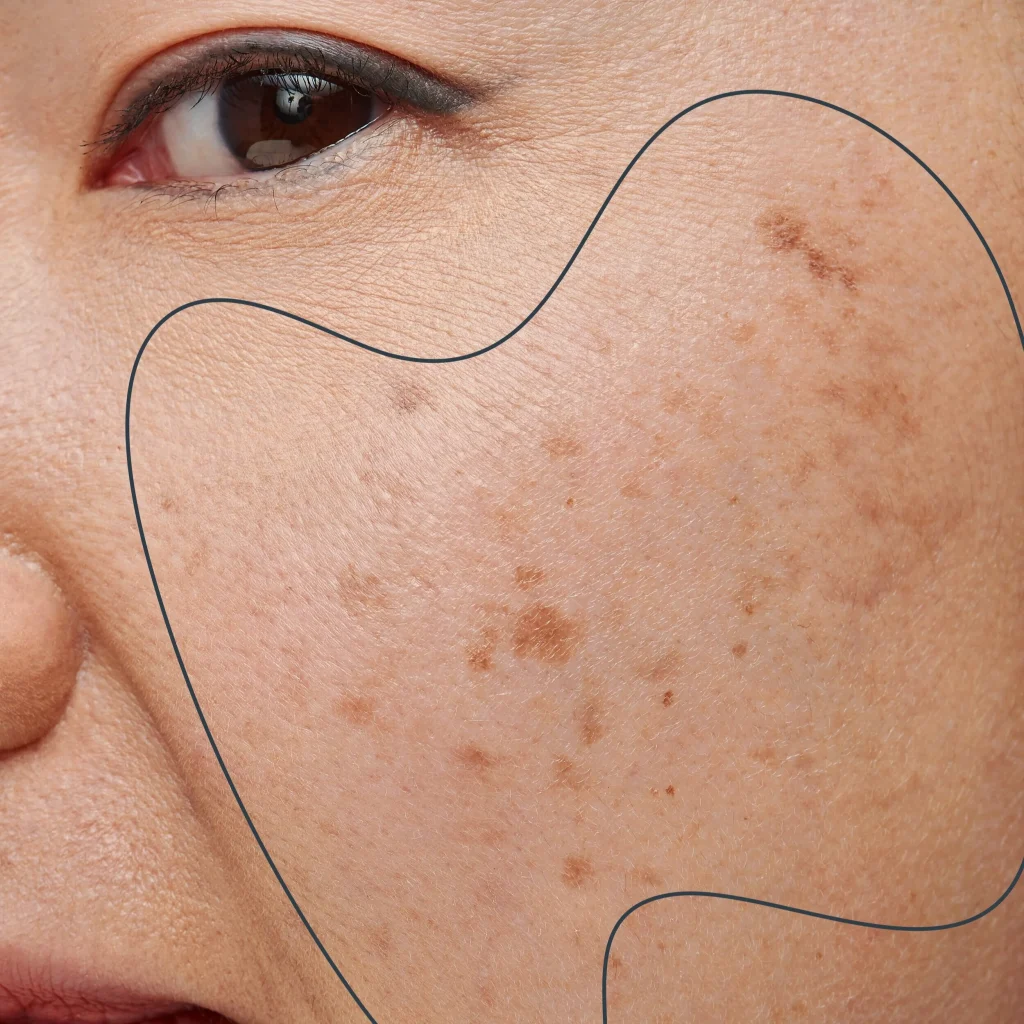
Many people notice patches of deeper color on the face or body at some point in life. These marks may form after intense sun exposure, blemish scars, or friction tied to daily routines. Such spots may prompt concern or confusion, especially when they rise suddenly or linger longer than expected. A calm and informed approach eases worry and brings clearer direction about what steps may help next.
Confusion often sparks questions about how to fix skin discoloration because uneven tone can quietly affect confidence. This guide shares clear facts about causes, common patterns, practical daily habits, and realistic methods that help restore tone toward a more balanced state.
Color shifts occur when the skin produces excess melanin. Melanin defines natural tone, and when certain triggers increase production in one area, the patch deepens in color. Some marks fade on their own, while others tend to stay longer.
Common triggers include:
Each trigger influences tone in a slightly different manner. Some act quickly, while others develop slowly over time. Recognizing the source of a patch offers direction and helps shape a more suitable plan.
These patches often appear after a blemish or minor injury. Once the surface heals, deeper color can remain beneath. Many people notice this pattern on the cheeks, jaw area, or hands. Such spots usually soften with time, though steady habits support a faster fade.
Extended sun exposure stimulates melanin cells beyond their usual activity. Over time, these cells leave deeper patches on the forehead, cheeks, shoulders, or arms. Since sun exposure builds over the years, these spots can feel especially persistent.
Melasma develops due to hormonal changes. It often shows as broad, symmetrical patches across the cheekbones or forehead. Heat and light tend to intensify the contrast. This pattern calls for patience because results appear gradually.
Consistent habits support long-term balance. Results may not appear right away, yet these routines create the right conditions for visible improvement.
Broad-spectrum sunscreen remains essential for those prone to tone changes. It protects the surface and slows the formation of new patches. Shade, hats, and thoughtful timing outdoors add another layer of care.
Harsh scrubs or strong acids can trigger irritation, which may deepen tone in sensitive areas. Mild cleansers and moisturizers support comfort and help keep the surface stable. Calm skin responds more effectively to targeted solutions.
Look for formulas that include:
Moisture maintains resilience. A well-hydrated surface often looks smoother and more even, softening contrast between darker and lighter areas.
This section highlights effective approaches people commonly explore to lighten dark patches.
Formulas containing vitamin C, azelaic acid, niacinamide, or alpha arbutin help guide melanin production toward balance. Regular use encourages gradual, even-toned results. Change appears slowly, making consistency important.
Chemical treatments, low-level laser sessions, and micro-based refinements address deeper or persistent patches. A specialist evaluates the skin and suggests a method based on cause and severity.
Sleep, diet, and stress management shape overall appearance. Strong daily habits often show on the surface. A steady routine forms the base for a more consistent tone.
Understanding the cause helps direct the right strategy. A sun-formed spot may respond best to daily protection and brightening formulas. Hormonal patches may call for medical guidance and gentler care. A blemish-related patch often softens once the surrounding area settles.
Helpful questions include:
The answers reveal patterns and help shape the most effective combination of habits and treatments.
Hyperpigmentation can feel stubborn, yet steady care brings genuine progress. Seeking information about how to fix skin discoloration often comes from frustration, and real solutions grow through patience, consistency, and realistic expectations. Many individuals regain a smoother tone through thoughtful routines and consistent protection. Each improvement, even a small one, signals momentum. Clarity grows once the routine becomes comfortable and results begin to surface. Progress may feel slow at times, yet the result brings comfort, confidence, and renewed trust in the process.