
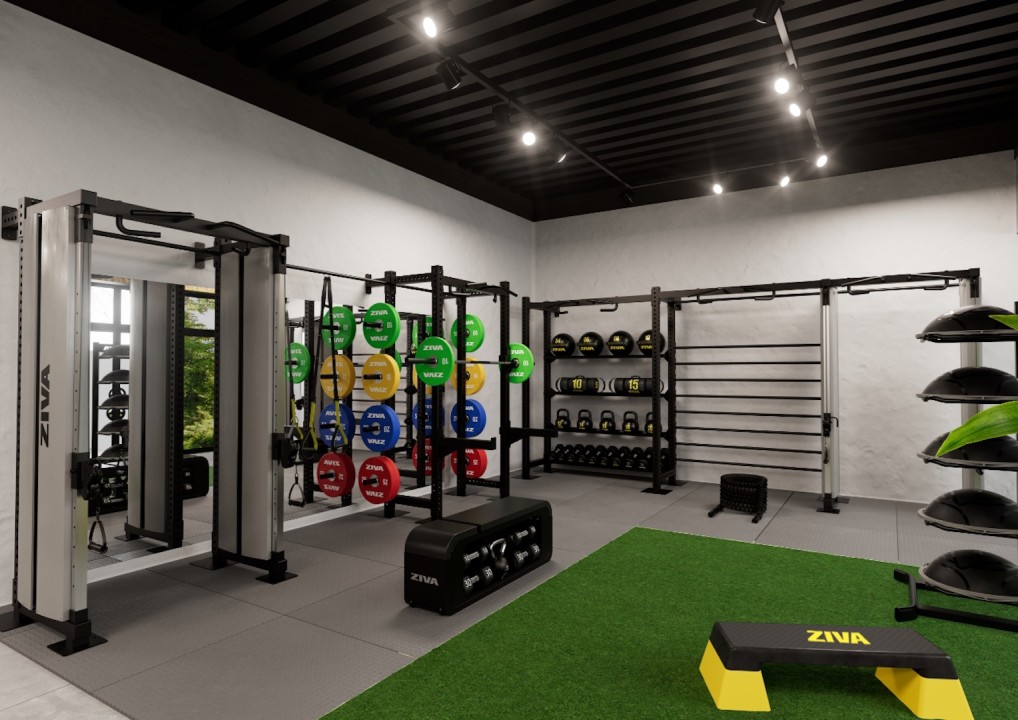
Gym membership hardly stops due to the quality of the equipment alone. Daily experiences within the space play a crucial role in shaping how individuals feel, train, and stay committed. Decisions regarding the layout influence comfort, confidence, and motivation throughout the visit.
Lack of adequate planning builds friction that gradually pushes the members away, while thoughtful designs build loyalty and habits. In this post today, we are going to highlight how space planning shapes long-term retention and why smart gym layout design decisions have a direct impact on support membership renewals.
Most membership cancellations occur without complaint or feedback. Minor design problems slowly diminish pleasure up to the point of demotivation. Knowledge of these triggers can help eliminate unnecessary churn.
Bulky equipment limits the freedom of movement and comfort. Crowding often leads to frustration, reduced workouts, and decreased emotional attachment to the gym.
Inappropriate zoning makes navigation stressful and time-consuming. Bad commercial gym floor plans cause anxiety, particularly to new members who are already feeling anxious.
Poor spacing, poor sight lines, and overload of noise diminish confidence. The pain becomes cumulative and ultimately overpowering to the point of not wanting to proceed.
Retention-oriented layouts promote flow and emotional comfort. Intelligent spatial decisions can ease the tension and make the exercises seem effortless. All the components collaborate to bring about uniformity.
Open doors and easy navigation are used to ensure members adapt easily. First moments are not hurried or overwhelming but calm, well-structured, and supportive.
Partitioned areas enhance circulation and minimise disruptions. A balanced layout in gym design allows the coexistence of strength, cardio, and functional training.
There are no collisions or bottlenecks due to clear walkways. Adequate circulation ensures that energy is concentrated on workouts as opposed to evading people or challenges.
The effect of layout on behavior is much more than an aesthetic one. Space planning influences emotions, habits, and long-term commitment. The reasons why layout decisions are important in renewals are as follows.
Cozy settings make individuals feel competent and warm. Large designs will lessen intimidation, particularly to the beginners who might be self-conscious. Specific areas enable attention without the risk of being judged.
The feeling of confidence increases when the movement is natural, and the personal space is respected. This emotional safety, over time, is integrated into the gym experience and helps to generate frequent attendance, which results in renewals.
Regular schedules are based on predictability. The layouts make the decisions less exhausting and the workouts automatic. When the equipment placement remains reasonable, the sessions are efficient and satisfying. Good habits develop more quickly in a place that is natural.
The strength of habits is a major determinant of renewal, since individuals rarely give up practices that help them maintain discipline in their day-to-day activities.
Physical fatigue is seldom the cause of cancellations, as is mental stress. Pushing, perplexity, and noise increase the levels of stress on an unconscious level. Serene designs help to neutralize stress in everyday life and turn exercises into a relief and not a burden.
Less stress enhances the mood at the gym. Favorable affective connections have a great impact on long-term commitment.
It is perceived efficiency, not time spent. Intelligent designs save on waiting, meandering, and disruptions. Even short visits make the members feel productive. Respect for time generates trust and satisfaction. The layout design would help the gyms to gain the loyalty of busy people who value time.
Emotional attachment is stimulated in spaces that are familiar and personal. Familiar destinations, preferred areas, and cozy places make one feel at home. Sense of ownership enhances commitment without any intention.
Members are afraid to abandon a place where they have created comfort and identity. Layout contributes to this relationship directly in a consistent manner.
Spatial priorities differ across business models. The layout options must conform to the expectations and patterns of use of the audience. It is necessary to be flexible and clear.
Smart spacing is needed in high-density layouts. The straightforward paths and easy zoning do not cause chaos without loss of capacity.
Layouts that are experience-based are flow and atmosphere-oriented. Community zones facilitate affiliation and recurrence.
The value and comfort are indicated by spacious planning. Privacy zones and recovery areas increase long-term satisfaction.
The gym’s layout silently influences daily motivation, emotional comfort, and long-term commitment. Considerate space planning aids in habits, decreases stress, and develops confidence without face-to-face communication. Retention also increases in an intuitive, friendly, and predictable environment. The decision of strategic layout is an investment in experience, not the looks. Fitness companies that focus on physical comfort create places individuals can return to.