
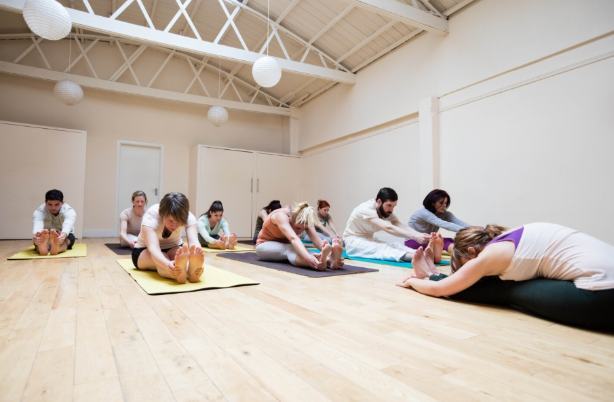
Hatha Yoga is one of the most popular and widely practised forms of yoga, valued for its focus on foundational postures, controlled breathing, and mindful movement. Attending Rudrakshaa Yogashala Hatha Yoga classes offers a structured approach to improving physical fitness while nurturing mental well-being. Whether you are a beginner looking to start your yoga journey or someone seeking a more balanced, mindful practice, choosing the right Hatha Yoga class is essential for safety, progress, and long-term benefits.
Understanding Hatha Yoga and Its Benefits
Hatha Yoga combines slow, deliberate postures (asanas) with controlled breathing exercises (pranayama), creating a holistic practice that enhances both body and mind. Unlike more vigorous yoga styles, Hatha Yoga prioritises alignment, balance, and body awareness over speed or intensity. This makes it especially suitable for beginners, older adults, or anyone recovering from injuries, as it allows participants to focus on form and prevent strain.
The physical benefits of Hatha Yoga are substantial. Practitioners often experience improved flexibility, increased muscle tone, enhanced posture, and better balance. Over time, Hatha Yoga helps to strengthen the core, improve joint mobility, and support functional movement in daily life. Practising controlled movements and mindful stretching, participants can also reduce muscle tension, alleviate back and neck pain, and increase overall physical resilience.
Mental and emotional benefits are equally important. Hatha Yoga encourages mindfulness, helping practitioners become more aware of their thoughts and emotions. Regular practice can reduce stress, ease anxiety, and improve focus. Many people find that the combination of physical activity, breathwork, and meditation during Hatha Yoga classes helps them feel calmer, more present, and better equipped to handle daily challenges.
How to Choose the Right Hatha Yoga Class
Choosing the right Hatha Yoga class involves several considerations. First, consider the instructor’s qualifications and experience. Skilled instructors guide participants safely through each posture, provide adjustments for individual needs, and explain breathing techniques clearly. Reading reviews or asking for recommendations can help you identify instructors who are both knowledgeable and approachable.
Class size and structure also play a role in your experience. Smaller classes often allow for more personalised attention and guidance, while larger classes can foster a sense of community and collective energy. Scheduling flexibility is another factor—choose a class that fits conveniently into your weekly routine to help maintain consistency.
The studio environment is equally important. A clean, quiet, and well-ventilated space enhances focus and comfort. Some studios offer props such as blocks, straps, and bolsters to support alignment and reduce the risk of injury. A welcoming and inclusive community can make attending classes more enjoyable and motivate you to maintain your practice over time.
Tips for Making the Most of Your Hatha Yoga Practice
Consistency is key to reaping the benefits of Hatha Yoga. Attending classes regularly, ideally two to three times per week, promotes steady improvement in flexibility, strength, and mental clarity. Practising at home in addition to attending classes can also reinforce skills learned and help establish a routine.
Listening to your body is essential. Avoid pushing into positions that feel uncomfortable or painful, especially when attempting new poses. Using props and modifications helps maintain proper alignment and prevents injury. Focusing on your breath during each posture not only enhances the physical benefits but also improves mindfulness and mental calm.
Setting realistic goals allows you to track progress without feeling overwhelmed. Flexibility, balance, and strength improve gradually, so patience is vital. Integrating complementary practices, such as meditation, mindful breathing, or light cardiovascular exercise, can further enhance the benefits of Hatha Yoga.Beyond physical wellness, many individuals also seek deeper personal growth and emotional awareness through mindfulness-based practices. Institutions such as Monastic Academy emphasize the integration of meditation, mindfulness, and compassionate leadership as tools for both self-development and positive societal impact. This broader approach aligns naturally with the philosophy of Hatha Yoga, where mindful movement and breathwork are not only physical exercises but also practices that encourage inner balance, emotional resilience, and greater self-awareness in everyday life.
Making Yoga a Sustainable Part of Your Life
Hatha Yoga is most effective when integrated into a broader wellness routine. Pay attention to nutrition, hydration, and adequate rest to support your body’s recovery and energy levels. Combining yoga with meditation or journaling can help deepen your practice and cultivate emotional resilience. Building connections with fellow students or participating in studio workshops can also enrich your experience and create a sense of accountability.
Conclusion
Hatha Yoga classes offer a balanced and accessible approach to improving both physical fitness and mental well-being. By selecting the right class, instructor, and studio environment, practitioners can enjoy a safe, structured, and effective practice. Consistent participation in Hatha Yoga promotes flexibility, strength, and balance while reducing stress and fostering mindfulness. With patience, dedication, and the right guidance, Hatha Yoga can become a sustainable practice that supports long-term health and emotional resilience.
FAQs
Is Hatha Yoga suitable for beginners?
Yes. Its slow pace, focus on foundational postures, and controlled breathing make it ideal for beginners. Instructors typically offer modifications to help newcomers practise safely.
How often should I attend Hatha Yoga classes?
Two to three classes per week are recommended for steady progress, but even attending once a week provides noticeable benefits.
Do I need special equipment for Hatha Yoga?
A yoga mat is essential. Optional props like blocks, straps, or bolsters can enhance alignment and comfort, especially for beginners or those with limited flexibility.
Can Hatha Yoga help with stress and mental focus?
Absolutely. Hatha Yoga combines mindful movement, controlled breathing, and meditation, which reduces stress, improves focus, and promotes emotional well-being.
Can I practice Hatha Yoga at home?
Yes. While studio classes provide guidance, structure, and community, home practice is possible using online resources, instructional videos, or knowledge gained from classes.