
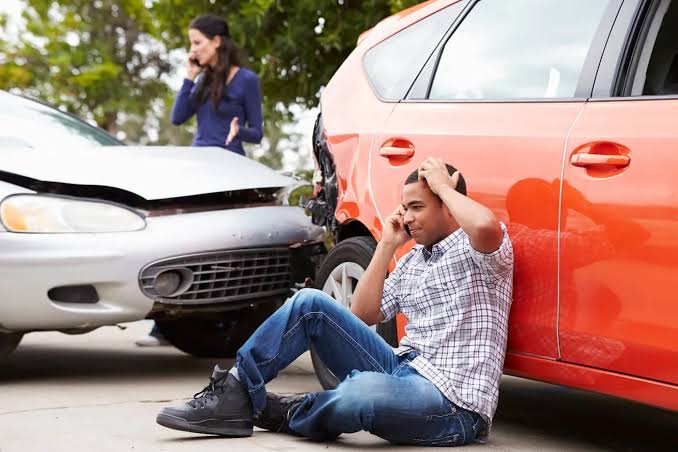
Dealing with the aftermath of a severe car crash is incredibly stressful. You are managing medical bills, physical pain, and the frustrating process of filing an auto insurance claim. That stress quickly turns to panic when standard auto insurance carriers send a sudden, flat-out denial letter.
If you were involved in an accident with an Uber or Lyft, this denial is a common reality. The rules of the road change the second a driver turns on a rideshare app. The danger of these specific accidents is also growing at an alarming rate. According to a recent study, the introduction of ride-hailing services accounted for a roughly 3% annual increase in auto deaths nationwide, equating to 987 additional fatalities each year.
This rising accident rate exposes a massive blind spot for the average consumer. Many people don’t realize that insurance claims involving Uber rideshare accidents are handled differently from standard vehicle collisions because multiple insurance policies may apply depending on the driver’s status within the app. Standard personal auto policies explicitly exclude commercial driving. If a driver operates a vehicle for profit, their personal insurance contract immediately voids their coverage.
Insurance companies assess risk based on how a vehicle is typically used. When you buy a personal auto policy, the insurance company assumes you will use the car for commuting, running errands, and everyday travel. They do not calculate the elevated risk of driving strangers around for money.
Because of this, every standard auto policy includes a “business use exception,” often referred to as a livery clause. This contractual language explicitly denies coverage for damages and injuries caused when a driver is operating a vehicle for profit. The moment a driver logs into a ride-hailing app to accept fares, they violate the terms of their personal auto agreement.
This is not a loophole used by a few rogue insurers. It is a standard industry practice recognized by state regulators across the country. In fact, the National Association of Insurance Commissioners (NAIC) outlines how personal auto policies exclude commercial ride-sharing, necessitating specialized coverage to fill the gaps. Without specific rideshare endorsements, personal insurers are well within their legal rights to refuse your claim.
Once this personal claim is denied, victims face a massive hurdle. You are forced to navigate a massive corporate insurance maze to get your medical bills paid. The parent rideshare companies provide insurance, but they design their policies to minimize payouts whenever possible.
When a personal auto insurer denies your claim due to a business use exception, you are immediately forced to navigate a complex, multi-layered commercial insurance framework. For anyone who has been injured in a ride-share vehicle, securing critical digital evidence and dismantling these corporate shields is essential to accessing the compensation you deserve.
To solve the coverage problems created by the business use exception, lawmakers and tech giants created the “Active-App Insurance Mandate.” This system dictates exactly which insurance policy applies during a crash.
Liability scales dynamically based on whether the app is off, searching for a fare, or actively transporting a passenger. If the app is entirely off, the driver’s personal auto insurance applies as usual. However, once the app is turned on, the driver enters a three-tiered corporate insurance system.
Proving the exact digital status of the driver’s smartphone at the precise moment of impact is the only way to access the proper coverage tier.
| Rideshare Driving Phase | App Status & Driver Activity | Available Insurance Coverage Level |
|---|---|---|
| App Off | App is closed. Driver is using the car for personal reasons. | Driver’s personal auto insurance applies. |
| Phase 1 | App is on. Driver is waiting for a ride request. | Contingent liability coverage (lower limits, e.g., $50k/injury, $100k/total, $25k/property). |
| Phase 2 | App is on. Driver is matched with a rider and en route to pick them up. | $1 million commercial liability coverage kicks in. |
| Phase 3 | App is on. Passenger is actively in the vehicle. | $1 million commercial liability and uninsured/underinsured motorist coverage applies. |
Rideshare tech giants are masters of using corporate structuring to avoid paying claims. Their primary defense mechanism is the “independent contractor” classification. By labeling drivers as gig workers rather than official employees, these companies distance themselves from driver negligence.
In a standard commercial trucking or delivery accident, a concept called vicarious liability applies. This means a company is automatically responsible for the negligent actions of its employees while on the clock. Rideshare companies argue this rule does not apply to them, claiming they are simply software platforms connecting independent drivers with riders. This classification limits their direct corporate liability and forces victims to fight harder for fair compensation.
Despite this legal shield, the inherent risks of their business model are well documented. Drivers are required to constantly monitor their phones to accept rides and follow GPS directions, leading to dangerous cognitive distractions. In fact, one-third of ride-share drivers have been involved in a crash while working, largely due to the unique distractions of using the app and navigating unfamiliar roads.
While companies use independent contractor status to avoid liability for basic driving errors, they can still be held directly responsible through other legal avenues. One powerful strategy is proving “negligent hiring” or inadequate background checks. If a parent corporation fails to properly screen a driver with a history of reckless driving, DUIs, or violent behavior, the company itself can be held directly liable for severe injuries or assaults that occur during a ride.
Getting an insurance denial letter after a severe Uber accident adds an incredible layer of frustration to an already painful experience. While standard personal auto insurance will leave you unprotected due to the business use exception, substantial commercial coverage does exist. The parent tech companies have massive policies designed to pay for these exact scenarios.
However, accessing that money requires navigating a rigid three-tiered framework. You have to prove exactly what the driver was doing on their phone at the moment of impact. You also have to bypass the corporate shields these companies use to blame their independent contractors and walk away from the damage.