
Why no dairy after dental implant is one of the first questions patients ask after leaving the dental chair.
You just invested in a permanent tooth replacement, and now your dentist is telling you to avoid yogurt, milk, and cheese? It sounds strange at first.
Dairy is healthy, full of calcium, and soft enough to eat — so why is it on the restricted list? The answer goes deeper than most people expect.
From antibiotic interference to bacterial risk and nausea after anesthesia, there are real, science-backed reasons behind this recommendation.
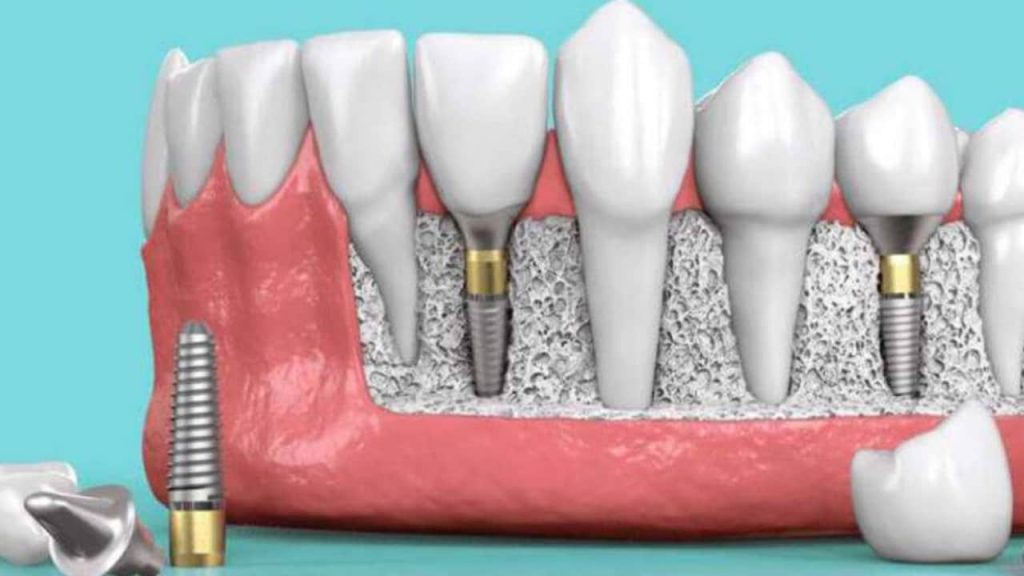
Getting a dental implant is a surgical procedure. A titanium post is placed directly into your jawbone, and your body immediately begins the healing process.
The critical phase is called osseointegration. This is when bone cells grow around the implant and fuse with it, creating a stable foundation for the artificial tooth. This process starts within the first 48–72 hours after surgery.
During this window, the surgical site is open, sensitive, and highly vulnerable to disruption. Anything that introduces bacteria, triggers inflammation, or interferes with your medications can slow down healing or cause complications.
This is the most clinically significant reason dentists give when patients ask why no dairy after dental implant.
After implant surgery, most dentists prescribe antibiotics to prevent infection at the surgical site. Certain antibiotics — particularly tetracyclines and fluoroquinolones like ciprofloxacin — bind to the calcium found in dairy products.
When calcium binds to the antibiotic molecules, it prevents them from being properly absorbed into your bloodstream. The medication becomes significantly less effective at exactly the moment you need it most.
Tetracycline, doxycycline, and ciprofloxacin are the most commonly affected. If your dentist has prescribed any of these, avoiding dairy is not just a suggestion — it is a medical necessity for the first several days.
Even if your antibiotic is not in this category, it is worth checking with your pharmacist to confirm before adding dairy back into your diet.
The surgical wound left after implant placement is an open entry point for bacteria. Anything that elevates bacterial levels in your mouth during this window carries risk.
Dairy products, especially milk and high-sugar yogurts, leave a residue inside the mouth that bacteria feed on. The warm, moist environment of the mouth is already hospitable to bacterial growth, and dairy residue accelerates it.
Unpasteurized milk, soft cheeses, and certain yogurts can carry live bacteria that are harmless in normal circumstances. After oral surgery, however, these bacteria can travel to the implant site and trigger peri-implant infection.
Even pasteurized dairy leaves sugary residue that oral bacteria convert into acids. Those acids can irritate the healing tissue and raise the pH environment around the wound.
Signs of infection around an implant include swelling that worsens after day three, persistent bad taste, pus, and increasing pain. If you notice any of these, contact your dentist immediately regardless of what you have eaten.
Dairy contains two primary proteins — casein and whey. In people with even mild dairy sensitivity, these proteins can provoke an inflammatory response.
After implant surgery, the body is already in an inflammatory state as part of the normal healing process. Additional inflammation caused by dietary triggers can amplify swelling and discomfort and slow tissue recovery around the implant.
Dairy is widely known to stimulate mucus production in many people. Excess mucus in the mouth and throat can trap bacteria near the surgical site and make it harder to keep the wound clean.
It also makes swallowing uncomfortable when the gum tissue is tender and inflamed. Avoiding this extra burden during the first few days keeps the recovery environment cleaner and more comfortable.
Most dental implant procedures involve local anesthesia, and some involve conscious sedation or general anesthesia. Your stomach is more sensitive in the hours and days immediately following these medications.
Dairy sits heavily in the stomach, especially when the digestive system is still processing anesthetic compounds. Consuming milk, ice cream, or cheese shortly after surgery significantly raises the risk of nausea.
If nausea leads to vomiting, the physical pressure and stomach acid can reach the surgical site. This can dislodge the blood clot that is protecting the wound, expose the titanium post to acid, and introduce harmful bacteria directly to the healing tissue.
The same risk applies to pain medications. Many post-surgical pain relievers cause stomach sensitivity on their own. Adding dairy on top creates a compounded nausea risk that is entirely preventable.
This reason is more practical than biological, but it matters just as much for patient comfort.
Most dairy products are consumed cold — milk, ice cream, yogurt from the fridge, cold smoothies. Immediately after implant surgery, the surgical area is inflamed and highly sensitive to temperature extremes.
Cold temperatures can trigger sharp pain, prolong swelling, and cause discomfort that discourages patients from eating enough. Under-nutrition during recovery slows down tissue healing and bone growth around the implant.
Even dairy consumed at room temperature carries the bacterial residue and inflammation risks described above. Temperature sensitivity is the additional layer of concern that makes cold dairy particularly problematic in the first 48–72 hours.
After implant surgery, your dentist will advise against rinsing vigorously, spitting forcefully, or using a water flosser near the implant site. This is to protect the blood clot and avoid disturbing the healing tissue.
The problem with dairy is that it leaves a sticky, protein-rich residue in the mouth that is hard to remove with gentle rinsing alone.
When that residue sits near the implant site for hours, it creates a food source for bacteria and an environment that is harder to keep clean with the limited oral hygiene allowed during early recovery.
Avoiding dairy simply keeps the surgical area cleaner during a period when thorough cleaning is temporarily restricted.
This is where recommendations vary slightly between dental professionals and practices.
| Recovery Stage | Recommended Action | Notes |
|---|---|---|
| First 48 – 72 hours | Strict dairy avoidance | Most critical window for osseointegration to begin |
| Days 3 – 7 | Avoid most dairy | Continue until antibiotics are finished |
| Week 2 | Reintroduce soft dairy cautiously | Start with plain yogurt or room-temp milk in small amounts |
| Weeks 3 – 6 | Gradual return to normal dairy | Follow dentist’s specific timeline |
| After full healing | No dairy restrictions | Full diet can resume once osseointegration is confirmed |
Most oral surgeons recommend a strict no-dairy window of at least 48–72 hours. Some — particularly those following the most conservative protocols — recommend avoiding dairy for 4–6 weeks until initial bone formation has taken place around the implant.
Follow your specific dentist’s guidance. The timeline varies based on the number of implants placed, whether bone grafting was involved, and which antibiotics were prescribed.
Avoiding dairy does not mean going hungry or missing out on nutrients. There are plenty of soft, healing-friendly foods that support recovery without the risks.
These foods are soft, easy to eat without chewing pressure on the implant site, and gentle on healing tissue.
If you want to maintain your calcium and protein intake without dairy, these alternatives work well during the recovery period.
| Dairy Product | Non-Dairy Alternative | Benefit |
|---|---|---|
| Cow’s milk | Almond milk, oat milk, soy milk | Calcium-fortified, gentle on the gut |
| Yogurt | Coconut yogurt | Soft texture, dairy-free |
| Cheese | Nutritional yeast | Protein source, no dairy residue |
| Ice cream | Frozen banana blended | Soft texture without dairy risk |
| Butter in cooking | Olive oil | Anti-inflammatory fatty acids |
Soy milk and almond milk are the most commonly recommended swaps. Both are often fortified with calcium, which means you are not sacrificing bone-supporting nutrients during recovery.
One concern patients raise about avoiding dairy is losing out on calcium and vitamin D, both of which are important for bone health and osseointegration.
The good news is that both nutrients are available from non-dairy sources.
| Nutrient | Why It Matters | Non-Dairy Sources |
|---|---|---|
| Calcium | Supports jawbone density and implant integration | Fortified plant milks, leafy greens, sardines, tofu |
| Vitamin D | Helps the body absorb calcium | Sunlight, eggs, fatty fish, fortified orange juice |
| Protein | Essential for tissue repair and healing | Eggs, soft fish, tofu, legumes |
| Zinc | Supports immune function and wound healing | Pumpkin seeds, chickpeas, soft-cooked meat |
| Vitamin C | Promotes gum tissue healing | Blended berries, kiwi puree, orange juice |
A short-term dairy-free period does not create a nutrient deficiency as long as you maintain a varied soft diet from these alternatives.
Dairy is not the only restriction during implant recovery. Several other food categories can harm the surgical site or slow healing.
| Food or Drink | Reason to Avoid |
|---|---|
| Hot beverages (coffee, tea) | Heat increases bleeding and swelling |
| Alcohol | Slows healing and interacts with medications |
| Crunchy foods (chips, nuts) | Pressure on implant site, risk of dislodging clot |
| Sticky foods (caramel, gum) | Can pull at healing gum tissue |
| Spicy foods | Irritate inflamed tissue |
| Carbonated drinks | Pressure can disturb the blood clot |
| Straws | Suction dislodges the protective clot |
| Tobacco products | Severely increases implant failure risk |
Straws are worth highlighting separately. The suction created when using a straw can dislodge the blood clot at the implant site, causing a painful condition similar to dry socket seen after tooth extractions.
It is worth noting that the dental profession is not entirely unanimous on the dairy question.
Some periodontists and implant specialists, including those at Mountain Top Periodontics, point out that there is limited direct scientific evidence proving dairy causes implant failure. They note that calcium in dairy actually supports bone health, which is important for osseointegration.
However, the consensus position — held by most oral surgeons and reflected in the majority of post-operative care instructions — is that the potential risks of dairy in the first 48–72 hours outweigh any nutritional benefits that could easily be obtained from alternative sources.
The conservative approach makes sense. Dental implants are a significant investment. Avoiding dairy for a few days is a low-cost, no-downside precaution that eliminates several preventable risk factors simultaneously.
Knowing what normal recovery looks like helps you identify problems early.
During the first 1–3 days, mild swelling, bruising, and some bleeding are normal. Discomfort that is manageable with prescribed pain medication is expected.
By day 4–5, swelling should start to reduce. Pain should be decreasing, not increasing. You should be able to eat soft foods without significant discomfort.
By the end of week 1–2, most patients feel close to normal. The implant site should feel stable and the gum tissue should appear to be closing around the post.
Contact your dentist immediately if you notice increasing pain after day 3, visible pus or discharge, a persistent foul taste, fever, or significant swelling that is not improving.
Keeping the mouth clean is just as important as dietary choices during recovery.
Gently rinse with warm salt water after meals starting from day 2. Use a soft-bristled toothbrush and avoid brushing directly over the implant site for the first week. Use any prescribed antibacterial mouthwash as directed.
Do not floss around the implant site until your dentist gives clearance. Do not use a water flosser near the surgical area during early healing.
Good hygiene dramatically reduces the bacterial load in the mouth and complements the dietary restrictions to give the implant the best possible healing environment.
Dairy can interfere with antibiotic absorption, increase bacterial activity near the wound, trigger inflammation, and cause nausea after anesthesia — all of which can slow healing or raise the risk of implant complications.
Most dentists recommend strict avoidance for the first 48–72 hours. If you are taking antibiotics, avoid dairy until the full course is complete, which is typically 5–7 days.
Plain yogurt can be reintroduced after the first 48–72 hours once swelling has reduced and you have finished any antibiotics that interact with calcium. Start with small amounts at room temperature.
Dairy itself does not directly cause implant failure, but it creates conditions — higher bacterial exposure, antibiotic interference, and increased inflammation risk — that can compromise the healing environment and slow osseointegration.
Milk should be avoided for at least the first 48–72 hours. After that, plain milk at room temperature in small amounts is generally acceptable if your antibiotic course is complete.
Almond milk, oat milk, soy milk, and coconut water are all safe alternatives. Avoid hot beverages and drink everything at room temperature or cool, without using a straw.
Ice cream is not recommended in the first 48–72 hours. It is dairy-based, cold (which can cause pain and swelling), and high in sugar. After the initial healing period, small amounts of plain ice cream without mix-ins can be tried cautiously.
Yes. Tetracyclines and fluoroquinolones — two antibiotic classes commonly prescribed after dental implant surgery — have their absorption significantly reduced when taken alongside calcium-rich dairy products.
Scrambled eggs, mashed potatoes, oatmeal, avocado, soft-cooked fish, applesauce, tofu, blended soups, and hummus are all excellent choices that provide nutrition without putting pressure on the implant site.
Most patients can return to a normal diet after 6–8 weeks, once osseointegration is progressing well and the dentist confirms the implant is stable. Hard and crunchy foods should be reintroduced gradually and cautiously.
Why no dairy after dental implant is a question with a clear, multi-layered answer.
Dairy creates several overlapping risks during the most vulnerable stage of implant healing — it interferes with antibiotics, feeds bacteria at the surgical site, promotes inflammation, increases nausea risk after anesthesia, and is difficult to remove from the wound area when thorough cleaning is restricted.
None of these risks is catastrophic on its own, but together they represent a cluster of entirely preventable complications.
Avoiding dairy for 48–72 hours — or for the full antibiotic course — is a small, temporary adjustment that protects a long-term investment.
Focus on soft, nutrient-rich alternatives, follow your dentist’s specific timeline, and give your implant the clean, calm environment it needs to fuse properly with your jawbone.
A few days of discipline now means a lifetime of stable, strong results.