
Why is my tongue sore? This is one of the most common oral health questions people ask, and the answer is rarely straightforward.
A sore tongue can range from a minor irritation caused by biting it accidentally to a sign of a deeper health problem like vitamin deficiency, infection, or even oral cancer.
Understanding the cause behind your tongue pain is the first step toward relief.
A sore tongue does not feel the same for everyone. The sensation varies widely depending on the root cause.
Some people feel a sharp, stabbing pain in one spot. Others experience a burning, numb, or tingling feeling that covers the whole tongue.
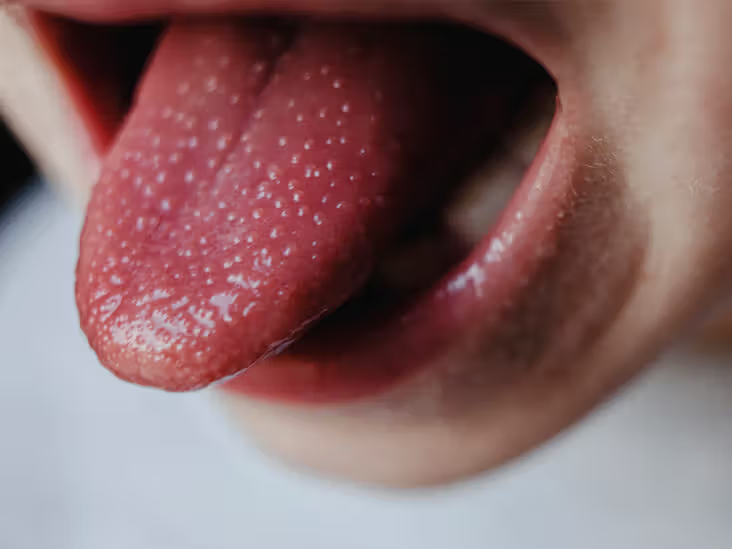
You might notice redness, swelling, white or yellow patches, or small ulcers. In some cases, the tongue looks completely normal but still hurts significantly.
Recognizing the symptoms helps narrow down the cause. Here are the most frequently reported signs:
| Symptom | Possible Cause |
|---|---|
| Red, smooth tongue | Vitamin B12 or iron deficiency |
| White patches | Oral thrush (candidiasis) |
| Small round ulcers | Canker sores (aphthous ulcers) |
| Burning sensation | Burning mouth syndrome |
| Yellow or white sores | Herpes simplex / cold sores |
| Map-like red patches | Geographic tongue |
| Swollen, enlarged tongue | Allergic reaction or infection |
| Persistent sore, won’t heal | Possible oral cancer — see a doctor |
Pain on the tip of the tongue is often linked to burns or injuries. Soreness on the sides is commonly caused by biting or dental irritation. A sore at the back of the tongue may indicate infection or tonsil-related issues.
One of the most common reasons your tongue is sore is simple physical trauma. Biting your tongue while eating, grinding teeth at night, or clenching can cause painful sores.
Sharp or broken teeth, dentures, and braces also rub against the tongue repeatedly. This leads to irritation and small ulcers that take several days to heal.
Canker sores are small, round ulcers with a white or yellow center and a red border. They are not contagious and appear on the soft tissues inside the mouth, including the tongue.
The exact cause is unknown, but triggers include stress, hormonal changes, acidic foods, and deficiencies in iron, folic acid, and vitamin B12. They usually heal on their own within 1 to 2 weeks.
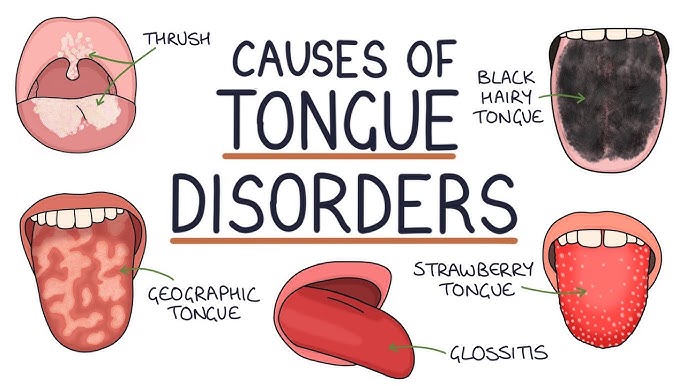
Oral thrush is a fungal infection caused by Candida albicans overgrowth. It produces white, cottage cheese-like patches on the tongue and inside the mouth.
It is more common in people with weakened immune systems, those on antibiotics, and people who use corticosteroid inhalers. Treatment typically requires antifungal medication prescribed by a doctor.
Cold sores are caused by the herpes simplex virus (HSV-1). They appear as painful blisters that can form on or around the tongue and lips.
They usually heal within two weeks but can recur due to triggers like stress, sun exposure, or illness. Antiviral medications like acyclovir can help manage outbreaks and reduce healing time.
Burning mouth syndrome causes a persistent burning, numb, or tingling sensation on the tongue without any visible sores. It may feel like you have scalded your tongue on a hot drink.
It is more common in postmenopausal women and may be linked to nerve damage, hormonal changes, or underlying conditions. There is no single cure, but capsaicin and certain medications can provide relief for some people.
A deficiency in vitamin B12 is a well-documented cause of tongue pain. It leads to a red, smooth, beefy-looking tongue called atrophic glossitis.
Symptoms also include decreased taste sensitivity, tongue numbness, and abnormal sensations. Treatment with B12 supplements or injections has been shown to significantly improve these symptoms.
Iron deficiency anemia can cause your tongue to appear red and smooth instead of its normal bumpy texture. The tongue may also feel sore and swollen.
A bright pink tongue is often a sign of iron, folic acid, or B12 deficiency. A blood test can confirm the deficiency and guide the correct supplement or dietary approach.
Low folate levels affect the health of mucosal tissues in the mouth, making the tongue prone to soreness and inflammation. Like B12 deficiency, it can lead to glossitis.
Eating folate-rich foods like leafy greens, legumes, and fortified cereals can help. Your doctor may also recommend folic acid supplements.
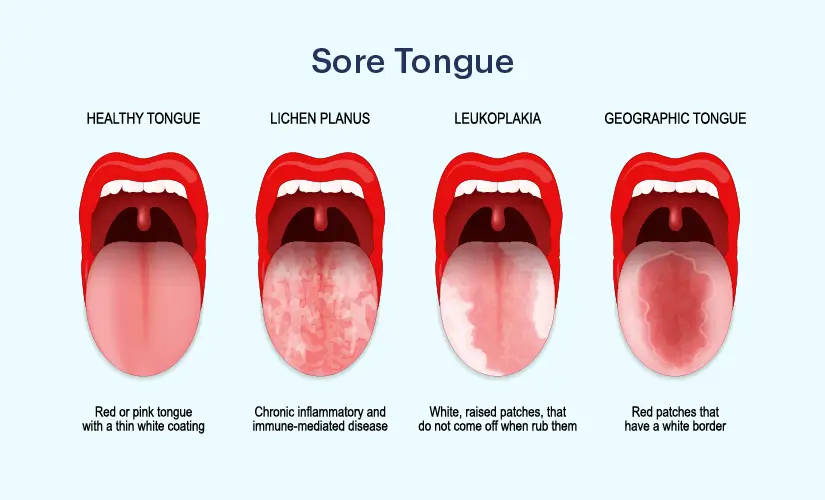
Geographic tongue creates map-like patches of redness with white or lighter borders on the tongue’s surface. The location and pattern of these patches can change from day to day.
It is generally harmless and does not require treatment. However, if it causes soreness or sensitivity to spicy or acidic foods, a doctor may prescribe topical medications to ease discomfort.
Glossitis is inflammation of the tongue caused by bacteria, viruses, or yeast. It may also result from exposure to hot foods, tobacco, alcohol, or spicy items.
Symptoms include swelling, color changes, and a smooth appearance as papillae are lost. Treatment depends on the underlying cause and may involve anti-inflammatory medications or lifestyle changes.
Certain foods, toothpastes, dental materials, and mouthwashes can trigger allergic reactions that irritate the tongue. Common allergens include nuts, shellfish, gluten, and certain artificial flavors.
Symptoms may include itching, swelling, and burning of the tongue and lips. Antihistamines can help relieve mild allergic reactions, while a severe reaction requires emergency medical attention.
Oral lichen planus is a chronic inflammatory condition that can cause white lines, red patches, and painful sores on the tongue. It appears to result from an abnormal immune response.
Stress and dental plaque can worsen symptoms. Treatments focus on managing symptoms through topical corticosteroids and lifestyle changes, as there is no permanent cure.
Heavy smoking irritates the delicate tissues of the tongue and makes it sore over time. Tobacco use can also trigger leukoplakia, which causes thick white patches that can be a precursor to cancer.
People quitting smoking may also experience temporary tongue soreness as a withdrawal symptom. Cutting out tobacco is one of the most important steps for long-term oral health.
Eating or drinking something too hot can burn the tongue’s surface, causing painful sores that take several days to heal. This is one of the simplest explanations for sudden tongue pain.
Cool water, ice chips, and soft bland foods can help soothe a burned tongue. Avoid hot, spicy, or acidic foods until the tissue heals completely.
Hand, foot, and mouth disease is a viral infection more common in children that can produce small, painful ulcers on the tongue and inside the mouth. It is caused by coxsackievirus.
Other symptoms include fever, rash on hands and feet, and general discomfort. It typically resolves on its own within 7 to 10 days with rest and hydration.
Sjögren’s syndrome is an autoimmune disorder that attacks the salivary and lacrimal glands, causing severe dry mouth. A dry tongue becomes cracked, smooth, and highly susceptible to soreness.
Drinking water frequently, chewing sugar-free gum, and using saliva substitutes can provide relief. Treatment also involves managing the underlying autoimmune condition.
In rare but serious cases, a persistent sore on the tongue that does not heal after two to three weeks may indicate oral cancer. Early-stage oral cancer is often painless, making it easy to overlook.
Warning signs include a lump, thickened patch, unexplained bleeding, or difficulty swallowing. Early diagnosis dramatically improves treatment outcomes, so see a doctor or dentist promptly if you have any suspicious lesion.
Where your tongue hurts can give important clues about the cause.
| Location | Common Causes |
|---|---|
| Tip of tongue | Burns, trauma, canker sores |
| Side of tongue | Biting, dental irritation, canker sores |
| Back of tongue | Infection, tonsillitis, glossitis |
| Underneath tongue | Canker sores, salivary gland issues |
| Whole tongue | Glossitis, burning mouth syndrome, allergy |
A doctor or dentist will start with a visual inspection of the tongue and ask about your medical history. In many cases, the diagnosis can be made simply by looking at the tongue.
Further tests may include blood tests to check for vitamin deficiencies, anemia, or diabetes. If an abnormal sore or lesion is found that does not heal, a biopsy may be performed to rule out oral cancer.
Treatment depends entirely on the underlying cause. Here is a breakdown of the most common treatment options:
OTC topical gels containing benzocaine or lidocaine can temporarily numb sore areas and reduce pain. These are widely available at pharmacies without a prescription.
Antiseptic mouthwashes help reduce bacteria in the mouth, lowering infection risk. Products without sodium lauryl sulfate (SLS) are gentler on sore tissues and may reduce canker sore frequency.
OTC pain relievers like ibuprofen or acetaminophen can reduce tongue pain and inflammation while you wait for the sore to heal.
| Home Remedy | How to Use | Benefit |
|---|---|---|
| Saltwater rinse | 1 tsp salt in warm water, swish 30 sec, 2–3x daily | Antiseptic, reduces swelling |
| Honey | Apply raw honey to the sore area, leave 5 minutes | Antibacterial, speeds healing |
| Aloe vera gel | Apply fresh gel to sore spot twice daily | Anti-inflammatory, soothing |
| Baking soda paste | Mix with water, apply to sore area | Neutralizes acidity, reduces pain |
| Coconut oil | Swish 1 tbsp for 10–15 minutes (oil pulling) | Antimicrobial, reduces bacteria |
| Ice chips | Suck on ice or apply to sore area | Numbs pain, reduces swelling |
| Milk of magnesia | Apply to affected area once daily | Neutralizes acid, promotes healing |
These home remedies work best for minor causes like canker sores, minor burns, and tongue bites. Infections, vitamin deficiencies, and chronic conditions require medical care alongside any home approach.
What you eat directly affects how fast your sore tongue heals.
Foods to avoid:
Best foods to eat:
A diet rich in vitamin B12, iron, folate, and zinc supports faster healing and helps prevent future tongue soreness.
Most cases of tongue soreness are preventable with simple daily habits.
Maintain good oral hygiene by brushing twice daily with a soft-bristled toothbrush and flossing regularly. Using a tongue scraper to remove bacteria reduces infection risk significantly.
Avoid foods that trigger canker sores or irritate your tongue, especially if you are prone to frequent outbreaks. Staying well-hydrated keeps tongue tissues moist and less prone to cracking and soreness.
Managing stress through rest, exercise, and mindfulness can reduce the frequency of stress-triggered canker sores. Limiting alcohol and quitting tobacco protects tongue tissues from long-term damage.
Visit your dentist regularly to catch sharp teeth, poorly fitting dentures, or damaged restorations that may be irritating your tongue without you realizing it.
Most sore tongues heal within 1 to 2 weeks without treatment. However, certain signs mean you should see a doctor promptly.
See a doctor if:
A sore tongue combined with difficulty breathing or a severely swollen tongue that appears suddenly may be a sign of anaphylaxis — a medical emergency requiring immediate help.
Tongue soreness in children is often caused by hand, foot, and mouth disease, canker sores, or oral thrush. These are generally mild and resolve with rest and basic care.
In adults, the range of causes is broader and includes hormonal changes (especially post-menopause), vitamin deficiencies, lifestyle factors like smoking, and chronic conditions such as diabetes or autoimmune disorders.
Elderly people are more prone to oral thrush, dry mouth, and medication-related tongue problems. Any persistent sore in older adults should always be evaluated by a healthcare professional.
Nutritional deficiency is one of the most overlooked causes of chronic tongue soreness. Research confirms that deficiencies in vitamin B12, folic acid, iron, zinc, and vitamin B6 can all cause glossitis and related tongue pain.
A zinc deficiency is found in approximately 10% of patients with unexplained tongue pain who did not respond to other treatments. Low B12 leads to a smooth, beefy red tongue (atrophic glossitis) that is often misdiagnosed as burning mouth disorder.
Getting a blood panel done is a simple and effective way to identify any deficiencies contributing to your sore tongue. Replacement therapy for nutritional deficiencies is highly effective and often resolves symptoms quickly.
Hormonal changes during pregnancy can increase the risk of canker sores and tongue sensitivity. Some pregnant women experience increased gum sensitivity and oral inflammation that extends to the tongue.
Iron deficiency is also common during pregnancy and can lead to tongue soreness. Prenatal vitamins containing iron, B12, and folate are important for maintaining oral health during this period.
Always consult your doctor before using any medication or supplement for tongue soreness during pregnancy.
Stress and anxiety are well-documented triggers for canker sores, bruxism (teeth grinding), and burning mouth syndrome. People experiencing high levels of stress often notice increased frequency of tongue and mouth sores.
Managing mental health through therapy, exercise, and good sleep hygiene can indirectly improve oral health. Burning mouth syndrome, in particular, has been linked to depression, and treatment of the underlying mental health condition often helps relieve tongue symptoms.
| Cause | Key Symptom | Treatment |
|---|---|---|
| Canker sores | Round white ulcers with red border | OTC gel, saltwater rinse, heals on own |
| Oral thrush | White cottony patches | Antifungal medication |
| Cold sores (HSV) | Painful blisters | Antiviral medication |
| Burning mouth syndrome | Burning, no visible sores | Capsaicin, nerve medications |
| B12 deficiency | Red, smooth tongue | B12 supplements or injections |
| Iron deficiency | Pale, smooth, sore tongue | Iron supplements, dietary changes |
| Geographic tongue | Map-like red patches | Topical medication if needed |
| Oral lichen planus | White lines, painful spots | Corticosteroids, lifestyle changes |
| Oral cancer | Non-healing sore, lump | Biopsy, surgery, radiation, chemo |
| Trauma or bite | Localized pain, bruise | Heals on own, ice, saltwater |
| Allergic reaction | Swelling, itching | Antihistamines, avoid trigger |
| Smoking | General soreness, white patches | Quit smoking, oral hygiene |
Often the cause is not obvious, but common hidden reasons include vitamin deficiencies (B12, iron, folate), stress-triggered canker sores, or early-stage glossitis. A blood test can help identify the cause.
Most minor tongue sores heal within 1 to 2 weeks. If your tongue is still sore after 2 weeks, consult a dentist or doctor for further evaluation.
Yes, stress is a known trigger for canker sores, burning mouth syndrome, and bruxism (teeth grinding), all of which can cause significant tongue soreness.
Yes. Deficiencies in vitamin B12, iron, folic acid, and zinc are all linked to a sore, inflamed, or smooth tongue known as atrophic glossitis.
Spicy, acidic, salty, and very hot foods all worsen tongue soreness and slow healing. Soft, cool, bland foods are the best choice while healing.
In rare cases, yes. If a sore does not heal after 2 to 3 weeks, especially if it has a hard edge, unusual color, or bleeds, see a doctor immediately for evaluation.
Saltwater rinses, OTC topical gels, ice chips, and avoiding irritating foods are the fastest home relief options. For infections or deficiencies, medical treatment is required.
A sore tip is usually caused by a burn, accidental bite, canker sore, or transient lingual papillitis (inflamed taste buds). It typically heals within a few days.
Yes. If the cause is an infection such as strep throat or herpes stomatitis, it can affect both the tongue and throat simultaneously. See a doctor if both are affected.
See a doctor if the sore lasts more than 2 weeks, is growing, bleeds, is accompanied by a lump, or comes with difficulty swallowing or speaking.
A sore tongue is a surprisingly common issue with a wide range of causes — from simple biting accidents and canker sores to vitamin deficiencies, infections, and chronic conditions.
Understanding why your tongue is sore is the key to choosing the right treatment. Most cases are mild and resolve within one to two weeks with basic home care such as saltwater rinses, avoiding irritating foods, and maintaining good oral hygiene.
However, persistent or worsening soreness always deserves a closer look. Nutritional deficiencies, oral infections, and inflammatory conditions require proper medical treatment to resolve.
And while rare, a sore that doesn’t heal after three weeks should never be ignored — early detection of serious conditions like oral cancer saves lives. Stay proactive about your oral health, eat a nutrient-rich diet, manage stress, and visit your dentist regularly to keep your tongue healthy and pain-free in 2026 and beyond.