
Why is my toilet bubbling — if that question just crossed your mind, your plumbing is trying to tell you something important. A bubbling or gurgling toilet is never just a quirky noise.
It is a clear warning sign that air is trapped somewhere in your drain system due to a blockage, a pressure imbalance, or a venting failure.
Sometimes the fix is a simple plunge. Other times it points to a serious sewer line issue that needs professional attention. Either way, ignoring it is never the right move.
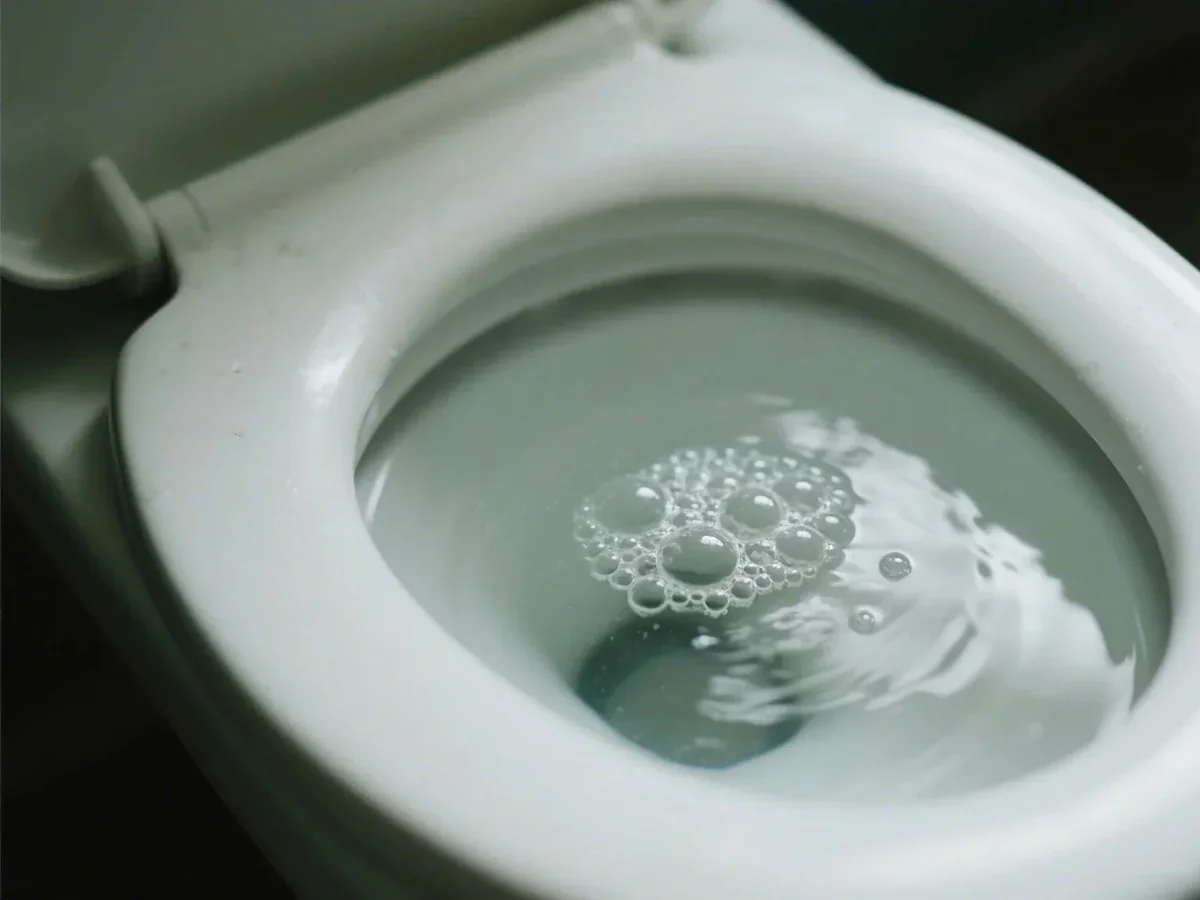
A bubbling or gurgling toilet means there is negative air pressure building up somewhere in your plumbing system.
In a healthy system, air flows freely through drain pipes and vent stacks. Water and waste move out smoothly. When something blocks that airflow — a clog, a damaged pipe, a blocked vent — trapped air has to escape somewhere. Your toilet bowl becomes that escape route.
The result is bubbling, gurgling, or even water rising and falling in the bowl without any flushing happening at all.
Most bubbling toilets are not immediately dangerous, but they are urgent. A gurgling toilet is a plumbing warning — not a plumbing emergency in itself — but it can quickly escalate into one.
Left unaddressed, a bubbling toilet can lead to sewage backups into your tub, sink, or floor drain. It can also indicate the presence of sewer gas, which contains methane and hydrogen sulfide — gases that are both toxic and flammable in high concentrations.
Bottom line: treat a bubbling toilet as an urgent plumbing issue, not something to ignore for weeks.
Not every sound from a toilet is a crisis. Here is how to tell the difference:
| Sound / Symptom | Likely Cause | Urgency Level |
|---|---|---|
| Single gurgle after flushing | Minor drain restriction | Low — monitor it |
| Bubbles rise without flushing | Blocked vent or drain line | Medium — check soon |
| Bubbling when shower drains | Shared drain line clog | Medium — diagnose fast |
| Bubbling + slow drains everywhere | Main sewer line blockage | High — call a plumber |
| Bubbling + sewage smell | Sewer gas or septic issue | Very High — act immediately |
| Toilet water rises then falls randomly | Blocked vent stack | Medium — inspect vent |
| Bubbling + water backup in tub | Main line or septic failure | Emergency — call now |
Understanding the cause is the fastest path to the right fix. Here are the seven most common reasons your toilet is bubbling.
This is the most common and most fixable cause. Too much toilet paper, non-flushable wipes, or solid waste can partially block the toilet’s trapway — the curved pipe at the base of the toilet.
When you flush, water cannot move freely. Air gets squeezed backward through the system and forces its way up into the bowl. You hear that classic gurgling bubble.
Items that most often cause toilet clogs include paper towels, “flushable” wipes, cotton balls, feminine hygiene products, dental floss, and children’s toys.
The fix: Use a flange plunger with a full seal over the drain. Do 15 firm pumping motions. If the clog clears, water will suddenly drain faster and the bubbling will stop. If plunging fails, move to a toilet auger.
If the clog is not in the toilet itself, it may be further down the drain line — the pipe that carries waste from your toilet toward the main sewer line.
A drain line clog affects one section of your plumbing. You might notice your toilet bubbles, but other fixtures seem fine. Or you might notice that a specific bathroom is affected while the rest of the house is okay.
Common causes include heavy buildup of waste and paper, grease that solidified in the pipe, and items that slipped through the toilet but lodged deeper in the pipe.
The fix: A plumbing auger (drain snake) can reach deeper blockages that a plunger cannot. Feed the snake into the drain and rotate it to break through the clog. If you cannot clear it, a plumber with professional-grade equipment is the next step.
Every plumbing system has a vent stack — a vertical pipe that runs from your drain system up through the roof. Its job is to let air into the pipes and let sewer gases safely escape outside.
When the vent stack gets blocked — by bird nests, leaves, debris, ice in winter, or dead animals — your plumbing loses its ability to regulate air pressure. Negative pressure builds up. Air escapes wherever it can, and usually that means through your toilet bowl.
A blocked vent stack often causes bubbling that happens randomly, even when no water is being used.
The fix: If you are comfortable on a roof, inspect the vent opening and remove any visible debris. Flush it out with a garden hose. If the blockage is deep inside the pipe, a plumber can snake the vent from the rooftop. Do not attempt roof work if you are not confident with heights.
This is a more serious issue. Your main sewer line is the large pipe that carries all the wastewater from your entire home out to the municipal sewer system or septic tank.
When the main sewer line gets blocked — by tree root intrusion, grease buildup, collapsed sections, or heavy debris — waste and air have nowhere to go. Air is pushed back through every fixture in the house. Your toilet becomes the most obvious release point.
Signs of a main line blockage include multiple fixtures gurgling at the same time, water backing up in the tub when you flush the toilet, and slow drains throughout the entire home.
The fix: This always requires a professional plumber. They will use a camera inspection to locate the blockage, then clear it with hydro-jetting or a motorized auger. In severe cases, trenchless pipe repair or sewer line replacement may be necessary.
Tree roots are naturally drawn to moisture. Tiny cracks or joints in underground sewer pipes become entry points for roots seeking water. Over time, roots grow into the pipe, restricting flow and eventually causing full blockages.
Root intrusion is more common in older homes with clay or cast iron sewer pipes. It is a slow process — the toilet may bubble on and off for months before the situation becomes a full backup.
The fix: A licensed plumber will confirm root intrusion with a camera inspection, then remove roots using high-powered hydro-jetting or a root-cutting auger. If pipe damage is extensive, trenchless pipe repair is the most cost-effective solution.
Homes on septic systems face an additional set of possible causes. A full septic tank, a clogged inlet line, or a failing drainfield can all cause toilet bubbling.
When the septic tank is full, wastewater cannot flow in properly. Air gets pushed back through the pipes and escapes through the toilet. You may also notice foul odors in the yard near the septic tank, unusually green patches of grass over the drainfield, and slow drains throughout the home.
The EPA recommends septic tanks be inspected every 1 to 3 years and pumped every 3 to 5 years depending on household size and usage.
The fix: Schedule a septic tank inspection and pumping. If bubbling continues after pumping, the issue may be in the drain line between the house and the tank, or the drainfield itself. A septic professional can run a full diagnostic.
Sometimes the problem is not in your home at all. A clog or backup in the municipal sewer line can force air back into your home’s plumbing, causing toilet bubbling.
You will often know this is the culprit because your neighbors will be experiencing the same issues at the same time. You may also see municipal work crews outside near sewer access points.
The fix: This is not your responsibility to repair. Contact your local water or sewer authority to report the issue. The bubbling should stop once municipal crews clear the blockage.
Use this simple decision guide to narrow down your problem before reaching for tools or calling a plumber.
| Observation | Most Likely Cause |
|---|---|
| Bubbling only when you flush the toilet | Toilet clog or trapway blockage |
| Bubbling when shower or sink drains | Shared drain line clog or vent issue |
| Bubbling randomly with no water use | Blocked vent stack |
| Multiple fixtures slow or gurgling | Main sewer line blockage |
| Bad smell + bubbling | Vent block, sewer line, or septic issue |
| Neighbors also affected | Municipal sewer line problem |
| On septic and tank not recently pumped | Full septic tank |
| Bubbling after heavy rain | Saturated drainfield or municipal sewer overload |
Not every bubbling toilet needs a plumber. Here are the DIY steps to try first, in order from easiest to most advanced.
Use a flange plunger — not a cup plunger. A flange plunger has an extra rubber lip that forms a complete seal over the toilet drain.
Before plunging, seal off any nearby drains (bathtub, shower, sink) with duct tape or wet rags. This forces the pressure directly into the toilet clog rather than escaping through other openings.
Position the plunger, create a full airtight seal, and do 15 to 20 firm pumping motions. If the clog releases, you will feel the resistance disappear and water will drain freely.
A toilet auger (also called a closet auger) is a flexible cable with a curved end designed specifically for toilet drain systems.
Feed the auger into the toilet bowl and rotate the handle while pushing gently. The auger will break through or retrieve blockages that a plunger cannot reach.
Avoid using a standard drain snake directly in the toilet bowl — it can scratch the porcelain. Use a toilet-specific auger with a rubber boot protecting the bowl.
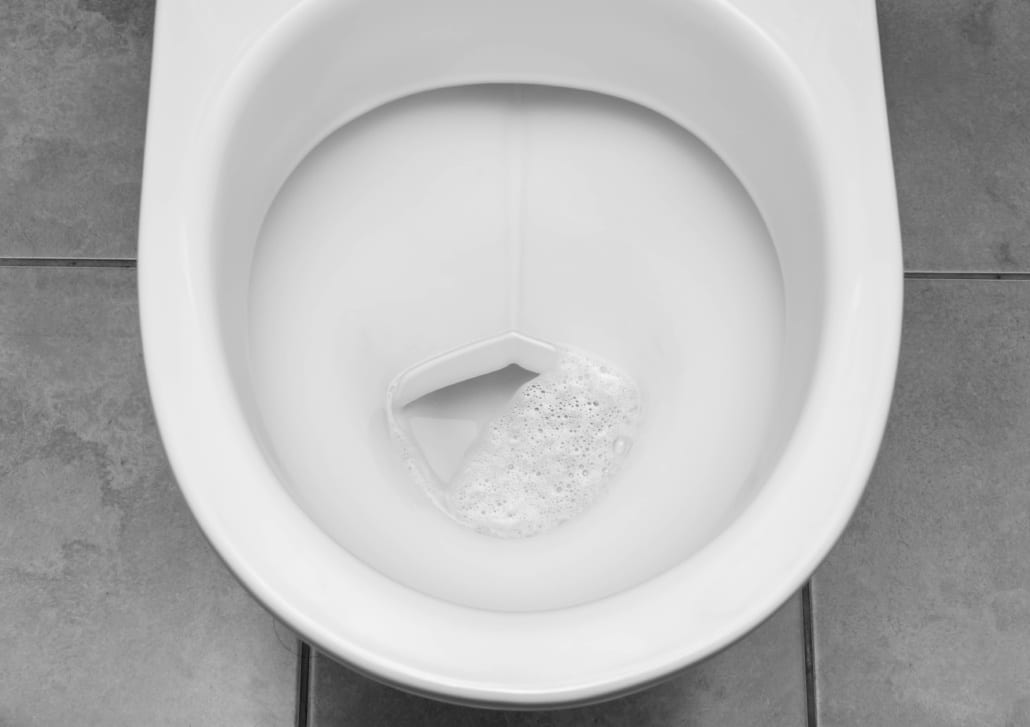
Pour half a cup of dish soap into the toilet bowl, followed by a bucket of very hot (but not boiling) water from waist height.
The soap lubricates the clog. The force of the hot water helps break it up. Wait 10 to 15 minutes and then flush. This works best on soft, organic blockages — not on items like toys or heavy paper products.
If the toilet is still bubbling and there is no obvious clog, the vent stack on your roof may be blocked.
Safely access the roof and locate the vent pipe — usually a 3 or 4 inch PVC or ABS pipe sticking up through the roof. Shine a flashlight inside to look for debris, nests, or leaves.
Use a garden hose to flush the pipe from above. For deeper blockages, a plumber’s snake fed from the roof can clear the obstruction. Always practice roof safety — use proper footwear and a harness if working near the edge.
The sewer cleanout is a capped pipe, usually located in your basement, crawlspace, or just outside your home near the foundation. It provides direct access to the main drain line.
Removing the cleanout cap (use an adjustable wrench) will reveal if wastewater is backing up inside the line. If sewage flows out when you open the cap, your main line is blocked and you need a plumber immediately.
Do not open the cleanout inside the house if you suspect a full main line backup — you could release raw sewage indoors.
Some situations go beyond DIY. Call a licensed plumber if:
You have tried plunging and augering and the toilet is still bubbling.
Multiple fixtures are draining slowly or gurgling at the same time — this signals a main line issue.
You smell sewer gas or rotten egg odors inside the home.
Water is backing up into a tub, shower, or floor drain when you flush the toilet.
You are on a septic system and have not had the tank pumped in over 5 years.
You see sewage backing up anywhere inside the home.
The bubbling started after a period of heavy rain (possible drainfield saturation).
Costs vary significantly based on the root cause. Here is a general guide to help you budget.
| Problem | DIY Cost | Professional Cost |
|---|---|---|
| Simple toilet clog | $0–$15 (plunger/auger) | $100–$300 |
| Drain line clog | $15–$50 (auger rental) | $150–$500 |
| Blocked vent stack | $0–$20 (DIY if safe) | $100–$400 |
| Main sewer line clog | Not DIY | $300–$800 |
| Tree root intrusion | Not DIY | $500–$1,500+ |
| Septic tank pumping | Not DIY | $250–$600 |
| Trenchless sewer repair | Not DIY | $3,000–$12,000 |
| Sewer line replacement | Not DIY | $5,000–$20,000+ |
Prevention is always cheaper than repair. These habits protect your plumbing long-term.
Flush only the right things. Human waste and toilet paper are the only two things that should go down a toilet. Nothing else — not “flushable” wipes, not paper towels, not feminine hygiene products, not cotton balls or dental floss.
Get annual drain inspections. A plumber can run a camera through your drain lines once a year and spot early buildup or root intrusion before it becomes a full blockage.
Trim trees near sewer lines. If you have large trees in your yard, roots may already be growing toward your sewer pipes. Trimming roots and using root-barrier products protects your lines.
Maintain your septic tank. Schedule regular pumping every 3 to 5 years. Do not put grease, harsh chemicals, or excessive garbage disposal waste into a septic system.
Protect your roof vents. Install mesh covers over vent stack openings to prevent bird nests and debris from blocking them. Check them seasonally — especially after fall leaf drop or spring bird nesting.
Avoid chemical drain cleaners. Liquid chemical drain cleaners are corrosive. They can damage pipe interiors over time and are ineffective against serious blockages. A plunger or auger is always the better first step.
One of the most common situations homeowners describe is their toilet bubbling when the shower drains. This specific pattern is very telling.
When your shower drains, a large volume of water rushes through the shared drain line. If there is a partial clog or a venting failure in that shared line, the rush of shower water displaces trapped air. That air has to go somewhere — and it escapes upward through the toilet bowl.
This pattern almost always points to either a partial main drain line clog or a blocked vent stack. A simple plunge of the toilet may provide temporary relief, but the underlying issue — the clog or blocked vent — needs to be addressed to stop the pattern from repeating.
The same principle applies when your washing machine drains. A washing machine dumps a large volume of water quickly — often 15 to 20 gallons in a single drain cycle.
If your plumbing system cannot handle that surge cleanly — because of a partial clog or venting failure — the displaced air will find the nearest escape route. In many homes, that route is the toilet.
If your toilet bubbles every time the washing machine drains, check the shared drain line for partial blockages and inspect the vent stack.
Some homeowners notice bubbling at night — when no water has been used for hours. This is a different and often more serious symptom.
Random bubbling with no water use typically indicates one of two things. First, a blocked vent stack that is causing pressure shifts as temperatures change overnight. Second, a blockage or root intrusion in the main sewer line or septic system that is causing intermittent pressure fluctuations.
If your toilet bubbles at night on its own, do not wait. This symptom often precedes a full backup. Get a plumber to inspect the vent stack and run a camera through the main sewer line.
A bubbling toilet that also produces foul odors — like rotten eggs or sulfur — is releasing sewer gas into your home. Sewer gas is a mixture of methane, hydrogen sulfide, ammonia, and carbon dioxide.
Short-term exposure causes headaches, nausea, and dizziness. High concentrations of methane create an explosion risk. Hydrogen sulfide is toxic and can cause respiratory issues with prolonged exposure.
If you smell sewer gas in your home, open windows immediately, avoid using any open flames, and leave the home if the smell is strong. Call a plumber to locate the source of the gas leak before returning.
If your toilet started bubbling after plumbing work was recently completed — a new toilet installation, drain work, or pipe repair — improper venting is the likely culprit.
New installations done without a licensed plumber sometimes skip proper venting requirements. A vent pipe that is too small, improperly sloped, or not connected to the main vent stack will cause chronic bubbling and gurgling.
Have the recent work inspected by a licensed plumber to confirm it meets local plumbing code. This is especially important for rental properties where unpermitted work is more common.
Heavy rain can temporarily cause toilet bubbling in homes on both municipal sewer systems and septic systems.
For municipal systems, heavy rainfall can overwhelm the sewer infrastructure, causing backflow and air pressure fluctuations in residential pipes.
For septic systems, saturated ground prevents the drainfield from absorbing treated wastewater. Water backs up, pressure builds, and air escapes through the toilet.
If bubbling only happens during or after heavy rain, this is a strong indicator of drainfield saturation (for septic) or municipal sewer overload. Inform your local sewer authority and have your septic system inspected.
| Cause | DIY Fix Available | Call a Plumber |
|---|---|---|
| Toilet clog (trapway) | Yes — plunger or auger | If DIY fails |
| Drain line clog | Partially — auger rental | If blockage is deep |
| Blocked vent stack | Partially — roof access needed | If unsafe or deep clog |
| Main sewer line clog | No | Yes — always |
| Tree root intrusion | No | Yes — always |
| Full septic tank | No | Yes — pumping service |
| Septic drainfield failure | No | Yes — specialist needed |
| Municipal sewer issue | No | Report to city authority |
Why is my toilet bubbling is one of the most common plumbing questions homeowners ask — and for good reason. A bubbling toilet is never just a noise. It is your plumbing system signaling that something is wrong, whether that is a simple clog you can fix in ten minutes or a main sewer line issue that requires professional equipment. The key is to diagnose the symptom quickly, try the appropriate DIY steps if the cause is minor, and call a licensed plumber without delay when the problem points to the main sewer line, septic system, or vent stack. Letting a bubbling toilet go untreated can result in full sewage backups, water damage, and expensive repairs that could have been avoided. In 2026, with so many reliable plumbing professionals offering camera inspections and trenchless repair options, there is no reason to put it off. Identify the cause, apply the right fix, and protect your home before a warning becomes a disaster.
Bubbling after flushing usually means there is a clog in the toilet drain or drain line trapping air. The air escapes backward through the bowl when you flush, causing bubbles and gurgling sounds.
When the shower drains, it pushes water through shared pipes. If there is a partial clog or blocked vent in that shared line, trapped air gets displaced upward through the toilet bowl.
Yes. It is a plumbing warning that should not be ignored. Left untreated, it can escalate into sewage backups, sewer gas exposure, and expensive water damage throughout the home.
If the cause is a simple toilet clog, yes — a plunger or auger usually handles it. If multiple fixtures are affected or the smell of sewer gas is present, call a licensed plumber.
Random bubbling with no water use typically signals a blocked vent stack or a main sewer line issue. Both require inspection and should not be ignored.
Yes. When the septic tank is full, wastewater cannot flow properly into the tank, causing air to back up through the pipes and escape through the toilet bowl.
Heavy rain saturates the ground around septic drainfields, slowing absorption. It can also overwhelm municipal sewer lines. Both situations cause air pressure changes that produce toilet bubbling.
Identify the cause first. Plunge for a simple clog, inspect the roof vent for debris, and call a plumber for main line, tree root, or septic issues. Preventive steps include flushing only waste and toilet paper, and scheduling regular inspections.
Yes. Sewer gas contains methane and hydrogen sulfide, which are toxic and flammable in high concentrations. If you smell rotten eggs or sulfur from your toilet, open windows and call a plumber immediately.
Simple clogs cost $0 to $15 with DIY tools. Professional drain cleaning ranges from $150 to $500. Main sewer line repairs and trenchless sewer replacements can range from $3,000 to $20,000 depending on severity.