
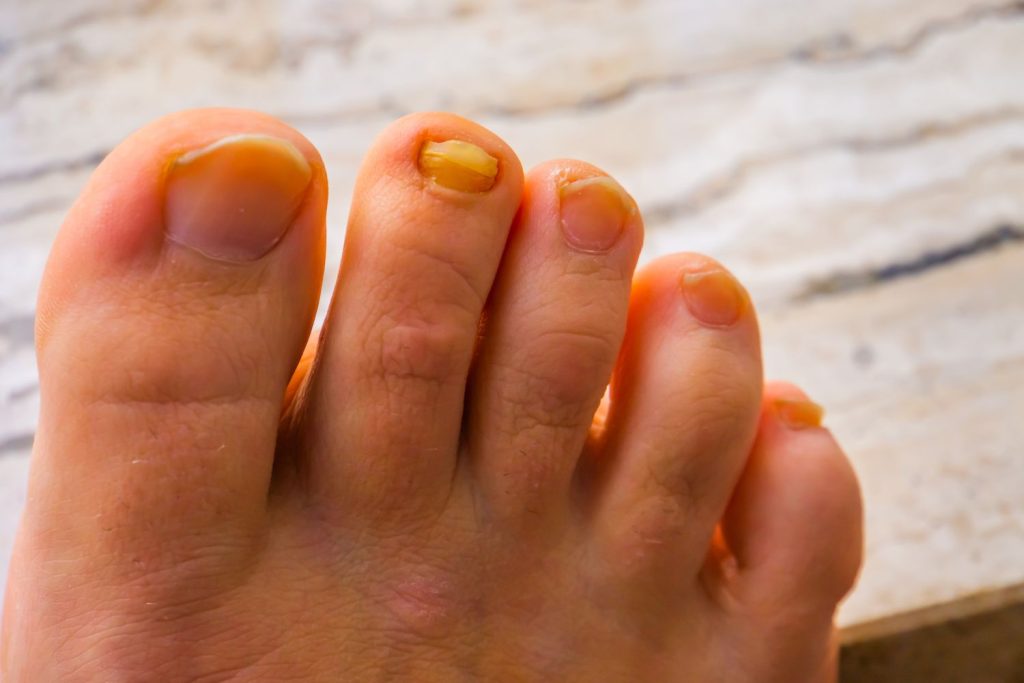
Why is my toenail yellow is one of the most searched foot health questions of 2026, and the answer matters more than most people expect.
A yellow toenail can be nothing more than a cosmetic stain from nail polish, or it can be the first visible sign of a fungal infection, a metabolic disease, or a rare systemic disorder.
Your nails are a mirror of your internal health, and discoloration should never be dismissed without understanding the cause.
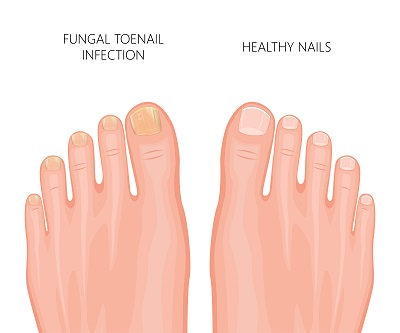
Healthy toenails are naturally transparent or very pale pink because of the tissue underneath. When yellow appears, something has changed in the nail plate, nail bed, or body chemistry.
The discoloration can range from a faint pale yellow to a deep amber or brownish yellow. It may affect one nail or spread across several toes over weeks or months.
The meaning behind the color shift depends entirely on the cause. Some yellow toenails clear up on their own. Others require months of prescription treatment. Knowing which situation you are dealing with starts with recognizing the pattern of symptoms around the discoloration.
Yellow toenails are far more common than most people realize. Toenail fungal infections alone affect around 10% of the general population.
Prevalence increases significantly with age. Around 20% of adults over 60 have toenail fungus, and the figure rises to nearly 50% of adults over 70 according to the American Academy of Family Physicians.
Despite how common the condition is, many people feel embarrassed and hide yellow toenails under nail polish rather than seeking treatment. Covering up a potentially infected nail with polish traps moisture and almost always makes the underlying problem worse.
There are multiple well-documented reasons why a toenail turns yellow. Each cause has its own signs, risk factors, and treatment path.
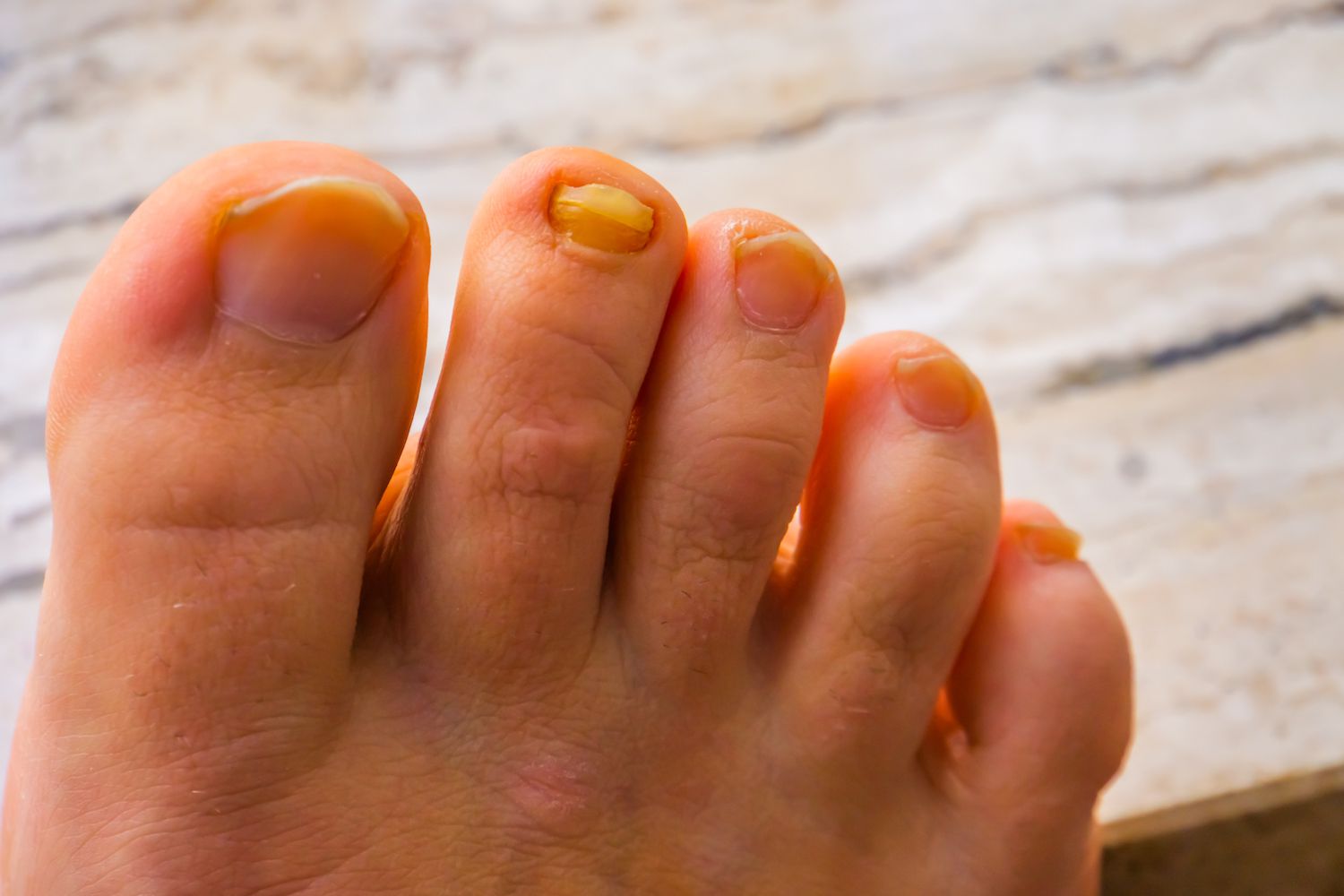
Fungal infection is the single most common reason why toenails turn yellow. The medical term is onychomycosis, and dermatophyte fungi from the Trichophyton family are responsible for about 90% of all cases.
These fungi feed on keratin, the structural protein that makes up the nail. They enter through a crack, cut, or small gap at the nail edge and spread progressively toward the nail base.
The infection starts as a white or yellow spot under the nail tip. As it advances, the nail thickens, discolors further, becomes brittle, and crumbles at the edges. A mild but unpleasant odor is common in advanced cases.
Without treatment, toenail fungus does not resolve on its own. It spreads to neighboring toenails, the skin between the toes, and potentially the fingernails. The longer it is ignored, the harder it becomes to eliminate.
Frequent use of dark nail polish is one of the most common and completely harmless causes of yellow toenails. Reds, deep oranges, browns, and blacks are the worst offenders because they contain more pigment and dye.
The chemicals in nail polish, including formaldehyde-based preservatives, chemically bond to the keratin in the nail plate over time. The longer you leave the polish on without a break, the deeper the staining becomes.
This type of yellowing has no texture change, no crumbling, no odor, and no pain. It grows out naturally with the nail and requires no medical treatment. Applying a clear base coat before colored polish prevents this reaction by creating a barrier layer.
Dyes in dark-colored socks can also cause superficial staining of toenails over time. Switching to undyed or lighter socks easily resolves this.
Age-related toenail yellowing is entirely normal and extremely common after age 50. As the body ages, nail plate moisture levels drop, nail growth slows, and blood flow to the extremities decreases.
These changes combine to produce nails that are thicker, more brittle, slower to grow, and progressively yellower in tone. The shift is gradual and typically affects multiple nails rather than one isolated toenail.
Age-related yellowing does not require treatment. However, thickening and brittleness from aging make nails more vulnerable to fungal entry, so regular monitoring is important for older adults.
In diabetics, yellow toenails develop through a specific biochemical process. Elevated blood sugar causes glucose molecules to bind to collagen proteins throughout the body — a process called glycation.
This glucose-collagen reaction directly affects nail structure and shifts the nail color toward yellow. The process is more pronounced in people with poorly managed blood sugar levels.
Beyond the direct color change, diabetics face a much higher risk of fungal nail infections because reduced circulation limits the immune cells that normally defend the feet. A minor fungal infection that a healthy person could contain easily can escalate rapidly in a diabetic.
Any person with diabetes who notices yellow toenails should see a podiatrist promptly. What starts as a cosmetic issue can progress to a serious foot ulcer in this group.
Psoriasis affects the nails in up to 90% of people who have the skin condition at some point in their lives. Nail psoriasis causes yellow or brown discoloration, nail pitting, thickening, and onycholysis — the lifting of the nail plate from the nail bed.
The appearance of nail psoriasis is nearly identical to toenail fungus, and it is one of the most commonly misdiagnosed nail conditions. The critical difference is the underlying mechanism: psoriasis is autoimmune-driven and completely unresponsive to antifungal medication.
A dermatologist must examine the nail and may perform a nail culture or biopsy to distinguish between the two conditions. Treatment for nail psoriasis ranges from steroid injections into the nail cuticle to systemic biologic agents for widespread disease.
Both an underactive thyroid (hypothyroidism) and an overactive thyroid (hyperthyroidism) can affect the nails. Yellow, brittle nails that crack and crumble are a recognized feature of thyroid dysfunction.
Hypothyroidism in particular dries out the nail plate and makes nails thin, weak, and prone to yellowing. The nail presentation can closely mimic early fungal infection.
If your yellow toenails come alongside unexplained weight changes, persistent fatigue, hair thinning, or temperature sensitivity, a thyroid blood test is the right next step. Effective thyroid treatment typically normalizes nail appearance over time.
Elevated bilirubin in the bloodstream from liver disease causes jaundice, which produces yellow discoloration across the skin, the whites of the eyes, and the nails simultaneously.
Hepatitis, cirrhosis, and liver cancer are the most common causes of jaundice. The nail yellowing from liver disease is uniform across all nails, without thickening or crumbling, and always appears alongside other visible symptoms.
If you notice your toenails and skin both turning yellow at the same time, or if the whites of your eyes are also yellowed, seek urgent medical evaluation. Liver disease requires immediate professional management and cannot be treated with nail-focused remedies.
Yellow Nail Syndrome is a rare but medically significant systemic disorder. It produces three defining features together: thickened curved yellow nails, chronic respiratory problems, and lymphedema — swelling in the lower legs caused by impaired lymphatic drainage.
The nails in YNS grow extremely slowly or stop growing entirely. They develop ridges, lose their cuticles, and may eventually separate from the nail bed and fall off.
YNS primarily affects adults over 50 and is estimated to occur in fewer than 1 in every million people. It is frequently misdiagnosed because it is so rare and its symptoms overlap with many other conditions. Early diagnosis matters because the respiratory component — which can include chronic sinusitis and pleural effusion — needs separate specialist management.
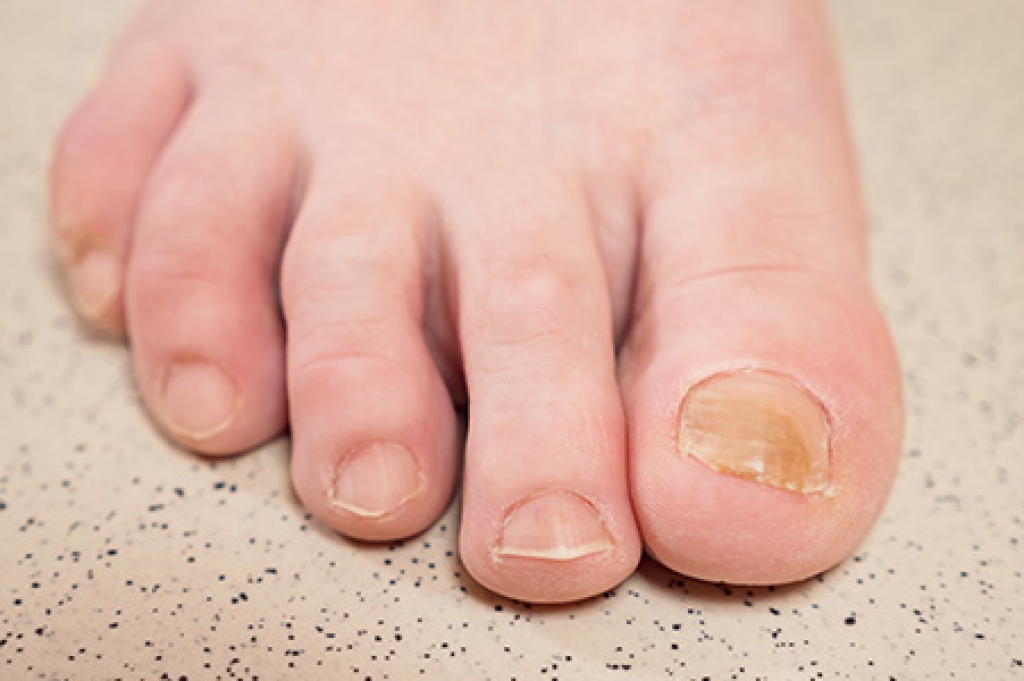
Onycholysis occurs when the nail plate lifts away from the nail bed. The exposed gap between the nail and the skin underneath looks white or yellow because it is filled with air.
Common triggers include physical nail trauma, psoriasis, certain medications, and prolonged exposure to water or harsh chemicals. People in occupations involving regular hand wetting — food handlers, hairdressers, butchers — are at elevated risk.
Keeping nails trimmed short, avoiding aggressive cleaning under the nail, and protecting hands and feet from excessive moisture helps prevent onycholysis from worsening once it begins.
Reduced blood flow to the feet — from peripheral vascular disease, Raynaud’s disease, venous insufficiency, or prolonged sitting — limits oxygen and nutrient delivery to the nail bed over time.
This gradual oxygen deprivation affects nail growth patterns and can produce yellowing and thickening, particularly in older adults or people with circulatory conditions.
Leg swelling alongside yellow toenails is a specific warning combination that suggests vascular or lymphatic involvement and warrants prompt medical evaluation.
Deficiencies in biotin, zinc, iron, and vitamins B, C, D, and E weaken nail structure and make it more prone to staining, infection, and discoloration.
Biotin deficiency causes nail splitting and brittleness. Iron deficiency produces pale, spoon-shaped nails. Zinc deficiency is linked to white spots and slowed nail growth. Combined deficiencies create ideal conditions for yellow discoloration to develop and persist.
While supplementation helps restore nail health, vitamins alone will not cure an active fungal infection. They function as supportive measures and preventive tools rather than primary treatments.
Several additional systemic conditions are documented causes of toenail yellowing. These include tuberculosis, bronchiectasis, rheumatoid arthritis, lymphedema as a standalone condition, and in rare cases, certain cancers.
Some medications can also cause nail discoloration as a side effect. Tetracycline antibiotics, antimalarials, and some chemotherapy drugs are known to change nail color during treatment.
If you have recently started a new medication and your toenails begin yellowing without any other cause, mention it to your prescribing doctor.
| Cause | Key Symptom | Contagious | Needs Medical Care |
|---|---|---|---|
| Fungal Infection (Onychomycosis) | Thickening, crumbling, odor | Yes | Yes |
| Nail Polish Staining | Cosmetic only, no texture change | No | No |
| Aging | Gradual, multiple nails | No | Monitoring only |
| Diabetes | With blood sugar elevation history | No | Yes — podiatrist |
| Nail Psoriasis | Pitting, autoimmune background | No | Yes — dermatologist |
| Thyroid Disease | Brittle, crumbling, other symptoms | No | Yes — blood test |
| Liver Disease and Jaundice | Skin and eye yellowing too | No | Yes — urgent |
| Yellow Nail Syndrome | Respiratory + leg swelling | No | Yes — specialist |
| Onycholysis | Nail lifting from bed | No | Yes — treat cause |
| Poor Circulation | Multiple nails, leg swelling | No | Yes — vascular check |
| Vitamin Deficiency | Brittle, weak overall | No | Supplementation |
Not every yellow toenail is an emergency. But certain signs demand professional attention without delay.
See a podiatrist or dermatologist if the nail has been yellow for more than two to three weeks without a clear cosmetic explanation.
Seek immediate care if any of the following are present alongside the discoloration.
| Warning Sign | What It May Indicate |
|---|---|
| Nail is thickening and hardening | Advanced fungal infection |
| Crumbling or breaking nail edges | Onychomycosis, keratin buildup |
| Foul odor coming from the nail | Active fungal or bacterial infection |
| Nail lifting away from the nail bed | Onycholysis, severe fungal infection |
| Pain or difficulty walking | Deep infection or ingrown toenail |
| Leg swelling alongside yellow nails | Yellow Nail Syndrome, lymphedema |
| Breathing difficulty with yellow nails | Yellow Nail Syndrome — urgent |
| Yellow skin and yellow eyes as well | Jaundice — urgent liver evaluation |
| Multiple nails suddenly affected | Systemic condition or spreading infection |
| Discharge, bleeding, or redness | Serious infection requiring immediate care |
Accurate diagnosis is essential because the treatment for fungal infection is completely different from the treatment for psoriasis, thyroid disease, or liver disease.
A podiatrist or dermatologist starts with a visual examination of the nail, assessing color pattern, texture, thickness, shape, and whether the nail has separated from the nail bed.
For suspected fungal infection, a nail clipping or scraping is sent to a laboratory. The culture identifies the specific organism — dermatophyte, yeast, or mold — so the antifungal medication can be matched precisely to the pathogen.
If systemic conditions are suspected, blood tests measuring thyroid hormones, liver enzymes, bilirubin, blood glucose, inflammatory markers, and nutrient levels are ordered. Chest imaging may be added when Yellow Nail Syndrome is possible. A nail biopsy provides a definitive answer when all other testing is inconclusive.
Treatment is chosen based on the confirmed cause. Using the wrong treatment wastes months and allows the real problem to worsen.
Ciclopirox 8% solution is the most commonly prescribed topical antifungal and is applied to the nail daily like nail polish. It targets the fungus at the nail surface and penetrates gradually into the nail plate.
Topical treatment is most effective for early-stage, mild infections. Full clearance takes 9 to 18 months because toenails grow slowly. Thinning the nail surface with a file before applying the medication improves penetration.
Newer prescription topical lacquers including efinaconazole (Jublia) and tavaborole (Kerydin) offer better nail penetration than older topical formulations, though both require 48 weeks of daily use.
Oral terbinafine (Lamisil) and itraconazole (Sporanox) are significantly more effective than topical treatments for established infections. They work systemically through the bloodstream and achieve cure rates of 50 to 80% with a single treatment course.
Treatment typically lasts 6 to 12 weeks, but the nail continues clearing for months afterward as it grows out. Liver function monitoring is recommended during treatment because oral antifungals can elevate liver enzymes in some patients.
Oral fluconazole (Diflucan) is an alternative option for patients who do not tolerate terbinafine. Combining oral medication with a topical antifungal produces better outcomes than either treatment used alone.
FDA-approved laser treatments use targeted energy wavelengths to penetrate the nail and reduce fungal activity without harming surrounding tissue. Sessions take only minutes each and are generally pain-free.
Current evidence shows that combining laser therapy with antifungal medication produces superior results compared to either treatment alone. Laser as a standalone treatment shows promise in early research but is not yet considered a primary treatment option.
Laser therapy is not covered by most insurance plans. Patients should discuss cost, expected number of sessions, and realistic outcome expectations with their provider before committing.
Surgical removal of the infected nail is reserved for severe, treatment-resistant cases. The nail is removed under local anesthesia, allowing direct treatment of the nail bed. New nail growth typically takes 6 to 18 months.
This is a last resort procedure performed in a podiatry office. It provides a clean starting point for the nail bed when other treatments have repeatedly failed or when the nail is causing significant pain or structural problems.
For yellow toenails caused by diabetes, thyroid disease, liver disease, psoriasis, or poor circulation, the primary strategy is managing the root health condition.
Improved blood sugar control in diabetics reduces glycation effects on nails. Thyroid hormone replacement normalizes nail structure in hypothyroid patients. Biologic medications and steroid injections manage psoriasis involvement. Treating jaundice resolves liver-related nail yellowing as bilirubin levels normalize.
Several home remedies offer genuine mild improvement, particularly for early-stage fungal infections and cosmetic staining. None replace prescription treatment for confirmed infections.
Vicks VapoRub contains camphor, menthol, eucalyptus oil, and thymol — compounds with documented antifungal properties. A 2011 clinical study found that among 18 participants using it on toenail fungus, 27.8% achieved clinical cure and 55.6% achieved partial clearance after 48 weeks.
Apply a small amount to the affected nail each night and cover with a sock. Consistent daily use over several months is essential. This is best suited for early or very mild fungal cases.
Vinegar creates a mildly acidic environment that slows fungal growth. Mix one part white vinegar with four parts warm water and soak the affected foot for 10 to 15 minutes daily. Apple cider vinegar used at equal parts with water works similarly.
Dry the feet completely after every soak, especially between the toes. Vinegar soaks are safe for indefinite use and also reduce cosmetic nail staining from polish.
Researchers found that baking soda prevented fungal growth in 79% of tested specimens in laboratory conditions, though it does not kill existing fungi directly. It disrupts the environment fungi need to thrive.
Make a paste from 2 tablespoons of baking soda and just enough water to reach a toothpaste consistency. Apply it directly to the nail, leave for 10 to 15 minutes, then rinse with warm water and dry thoroughly. Repeat daily.
Alternatively, dissolve a half cup of baking soda in warm water for a foot soak lasting 15 to 20 minutes. Both methods work best as preventive or supportive measures alongside other treatments.
Tea tree oil contains terpinen-4-ol, an active compound with natural antifungal and antibacterial properties. Dilute a few drops in a carrier oil such as coconut oil and apply to the affected nail with a cotton swab twice daily.
A 2013 study found that tea tree oil effectively reduced the growth of Trichophyton rubrum — the fungus responsible for most toenail infections — within 14 days in laboratory conditions. Results in real use take several weeks and work best in early or mild cases.
Oregano oil contains thymol, the same compound found in Vicks VapoRub, with recognized antifungal activity. Apply it diluted in a carrier oil directly to the nail twice daily.
The application method and expected timeline are similar to tea tree oil. Both oils are supportive remedies rather than cures, and both carry a small risk of skin irritation, so a patch test before full use is advisable.
Garlic contains allicin, a compound with potent antifungal properties that is effective against strains causing onychomycosis in laboratory studies. Crush a few garlic cloves and apply the paste to the affected nail for 30 minutes before washing off. Repeat daily.
Garlic extract is also available as a supplement. Topical application is more direct for nail-specific issues, but the evidence remains largely anecdotal in human clinical use.
Listerine contains thymol and menthol, which have antifungal properties. Mix Listerine with equal parts warm water and soak feet for 45 to 60 minutes daily.
This is one of the more unusual home remedies but has a practical basis in its active antifungal ingredients. Results take weeks to appear and are best suited to very mild infections or as a supportive maintenance soak.
| Remedy | Active Antifungal Compound | Best Use Case | Evidence Level |
|---|---|---|---|
| Vicks VapoRub | Thymol, camphor, menthol | Mild-moderate fungal infection | Clinical study — limited |
| White Vinegar Soak | Acetic acid | Mild infection, cosmetic staining | Anecdotal, widely used |
| Baking Soda Paste | Sodium bicarbonate | Preventive, moisture control | Lab study — 79% growth inhibition |
| Tea Tree Oil | Terpinen-4-ol | Early fungal infection | Lab study, some clinical data |
| Oregano Oil | Thymol | Early fungal infection | Anecdotal, lab-based |
| Garlic Extract | Allicin | Early fungal infection | Lab-based, anecdotal |
| Listerine Soak | Thymol, menthol | Mild infection, odor control | Anecdotal |
The most effective approach to yellow toenails is preventing them from developing in the first place. Most cases are avoidable with consistent daily habits.
Dry feet completely after every shower, swim, or workout. Moisture left between the toes is the primary driver of fungal nail infections. Dry thoroughly with a clean towel after any water exposure.
Wear moisture-wicking socks. Natural fibers or technical performance fabrics pull moisture away from the foot. Change socks every day and immediately after exercise or any activity that makes the feet sweat.
Choose breathable footwear. Shoes with adequate toe room and ventilation reduce heat and moisture buildup. Avoid tight, occlusive shoes that create a warm, dark, wet environment inside for extended periods.
Always use footwear in public spaces. Wear flip-flops or shower sandals in locker rooms, gym changing rooms, public pools, and communal showers. These surfaces harbor fungal spores that can enter the nail through even a minor crack.
Trim nails straight across. Cut toenails straight rather than curved, using clean sharp nail clippers. This prevents ingrown nails and reduces the chance of nail-edge microtrauma that creates fungal entry points.
Use antifungal products preventively. Apply antifungal powder or spray inside athletic shoes after use. Rotate shoes and allow them to fully dry between wears. Treat old shoes with antifungal disinfectants if a previous infection was treated.
Apply a base coat before nail polish. A base coat creates a physical barrier between the nail plate and the dye in colored polish, preventing the chemical bonding that causes staining. Do not leave colored polish on for more than two weeks at a time.
Take regular nail polish breaks. Give nails time without any polish regularly. This allows the nail plate to breathe, makes early yellowing visible, and gives staining time to grow out.
Inspect nails weekly. Look at your toenails in good lighting each week. Early discoloration caught at the first sign is far easier to treat than a well-established infection. Diabetics should do this daily.
Keep tools clean. Disinfect nail clippers, files, and any pedicure tools before and after each use. Never share nail tools with other people. If you use a nail salon, confirm that equipment is sterilized between clients.
Maintain your overall health. Managing blood sugar, supporting thyroid function, eating a nutrient-rich diet, staying active, and not smoking all directly contribute to healthy nail growth and better resistance to infection.
| Risk Group | Priority Action |
|---|---|
| Runners and athletes | Rotate shoes, change socks after every training session |
| People with diabetes | Daily foot inspection, podiatrist visit every 3 to 6 months |
| Adults over 50 | Weekly nail checks, moisturize feet, wear well-fitting shoes |
| Frequent nail polish users | Base coat always, two-week maximum polish wear, regular breaks |
| Gym and pool users | Flip-flops in all shared wet spaces, dry feet thoroughly |
| People with psoriasis | Dermatologist care, avoid nail trauma, watch for infection |
| Immunocompromised individuals | Strict hygiene, proactive antifungal use, regular medical monitoring |
Yellow is the most common abnormal nail color, but distinguishing it from other discolorations helps identify the right response quickly.
| Nail Color | Most Likely Cause | Urgency |
|---|---|---|
| Yellow | Fungal infection, polish stain, aging, systemic disease | Moderate — identify cause |
| White spots or patches | Minor trauma, zinc deficiency, superficial fungus | Low — usually resolves |
| Black streak or spot | Trauma (bruise) or rarely nail melanoma | High if unexplained |
| Green tint | Bacterial infection (chloronychia/Pseudomonas) | High — needs treatment |
| Blue or purple | Poor circulation, low oxygen, trauma | High — evaluate promptly |
| Brown or dark amber | Psoriasis, tobacco, jaundice | Moderate — identify cause |
| Entirely white nail | Liver disease (Terry’s nails), anemia, heart failure | High — medical evaluation |
Fungal nail infections do not resolve without treatment. Every week of delay allows the infection to spread and become harder to eliminate.
Book an appointment with a podiatrist or dermatologist if your toenail has been yellow for more than two to three weeks without an obvious cosmetic cause.
Seek immediate medical attention if the nail is painful, separating from the nail bed, bleeding, producing discharge, or if the discoloration is accompanied by leg swelling or breathing symptoms.
People with diabetes, compromised immune systems, or circulatory disorders must not wait. Complications in these groups escalate significantly faster than in healthy adults, and a yellow toenail can become a limb-threatening problem without early intervention.
Never cover a yellow toenail with polish as a way of hiding it. The dark, sealed, moist environment under the polish is perfect for fungal growth and turns a manageable early infection into an advanced, harder-to-treat one.
Painless yellow toenails are most commonly caused by nail polish staining, early-stage fungal infection, or the natural aging process. Early fungal infections rarely cause pain until they are well advanced, so the absence of discomfort does not mean the infection is absent.
One yellow toenail most often means a localized fungal infection or nail trauma specific to that toe. A systemic cause usually affects multiple nails at the same time. If one nail stays yellow for more than three weeks with no cosmetic explanation, it is worth having a podiatrist examine it.
Yes. Toenail fungus spreads through shared towels, socks, shoes, nail tools, and contact with contaminated surfaces in warm wet environments. Wearing your own footwear and not sharing nail care tools reduces household transmission significantly.
Oral antifungal treatment takes 6 to 12 weeks to complete, but the nail takes 9 to 18 months to fully grow out clear. Topical treatments take longer to work and are less effective for advanced infections. Cosmetic staining from nail polish clears in 4 to 8 weeks once you stop using polish.
Biotin deficiency causes brittle and splitting nails most directly. Zinc deficiency leads to white spots and slowed growth. Iron deficiency produces pale or spoon-shaped nails. None of these alone cause vivid yellow discoloration, but they weaken nails and make them more susceptible to fungal infection and staining.
Both are qualified to diagnose and treat yellow toenails. A podiatrist is typically the best first choice for foot-specific concerns including fungal infections. A dermatologist is better suited if nail psoriasis, skin involvement, or autoimmune conditions are suspected alongside the nail change.
Yes. Applying nail polish over a yellow or infected toenail traps moisture and warmth underneath, creating ideal conditions for fungal growth. It also prevents you from monitoring whether the nail is improving or worsening. Remove polish and keep the nail exposed while treating any infection.
Vicks VapoRub applied nightly has the most clinical evidence among home remedies, with some patients seeing improvement within weeks. For cosmetic staining, stopping nail polish use and doing daily white vinegar soaks produces visible results within one to two months. No home remedy works faster than prescription oral antifungal medication for true infections.
Yes. Toenail fungus recurs in a significant number of patients even after successful treatment. Maintaining good foot hygiene, using antifungal powder in shoes, wearing breathable footwear, and protecting feet in public spaces are the most effective ways to prevent reinfection.
The big toenails are the most common site for fungal nail infections because they are the largest nails, experience the most pressure from footwear, and have the most surface area for fungal entry. Bilateral big toenail yellowing is a strong indicator of onychomycosis and warrants a podiatrist visit and nail culture.
Why is my toenail yellow is a question worth taking seriously in 2026, because the answer ranges from easily resolved cosmetic staining to conditions that need months of treatment or urgent medical care.
The most common cause remains toenail fungal infection — onychomycosis — which affects roughly 1 in 5 Americans over 60 and worsens steadily without intervention. But yellow toenails linked to diabetes, thyroid dysfunction, liver disease, poor circulation, or Yellow Nail Syndrome require completely different responses, and none of those conditions improve with antifungal cream.
The first step is always identifying the correct cause through careful observation or professional evaluation. Prevention through daily foot hygiene, breathable footwear, protective habits in public spaces, and regular nail checks offers the best long-term defense.
If your toenail has been yellow for more than a few weeks without a clear cosmetic explanation, stop guessing and book an appointment. Your nails are one of the most visible early warning systems your body has — pay close attention to what they are telling you.