
Why is my dog’s nose running is a question almost every pet owner asks at some point. A dog’s nose is naturally moist, but when it starts actively dripping or producing colored discharge, something may be off.
The cause can be as simple as excitement, overheating, or a mild environmental irritant. It can also point to something more serious like a bacterial infection, a foreign object lodged in the nostril, or a dental abscess affecting the nasal cavity.
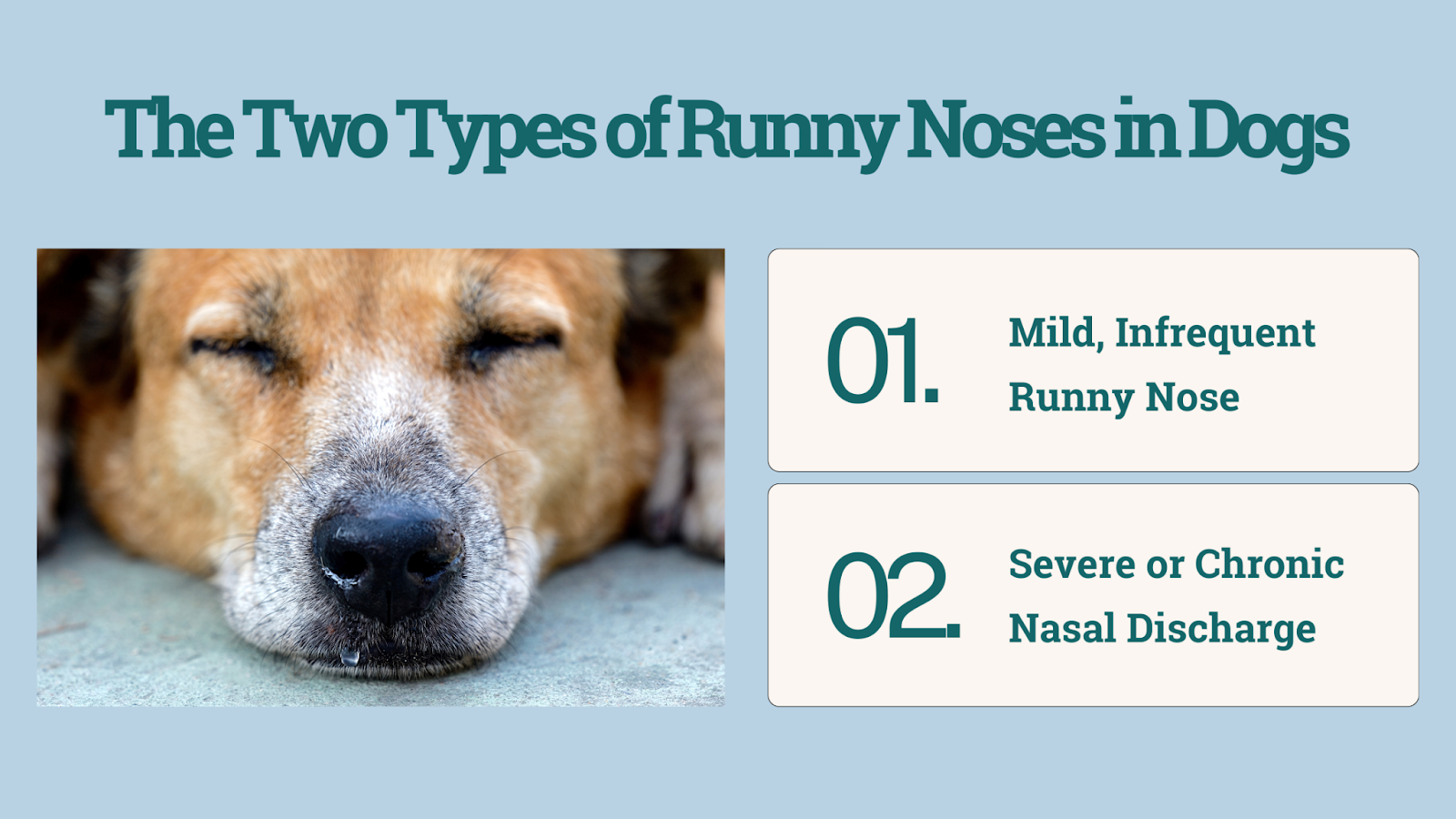
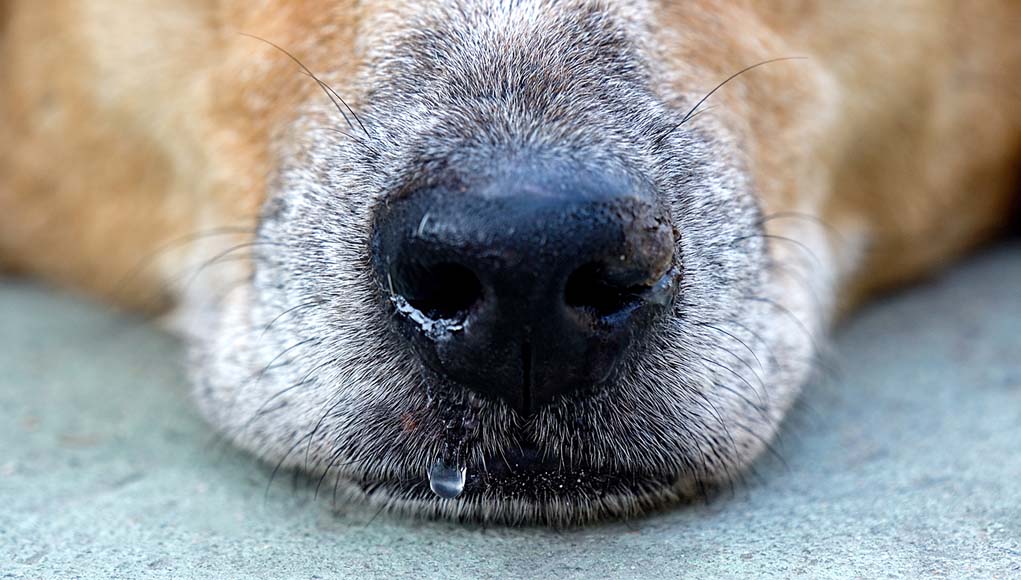
A wet nose is completely normal for most dogs. Dogs secrete a thin layer of mucus from the inner lining of their nostrils that helps them absorb scent particles and identify smells more accurately.
Dogs also lick their noses frequently. This keeps the nose moist and helps them process scent information delivered to the roof of the mouth via the vomeronasal organ.
A dry nose is not automatically a sign of illness either. Dogs often wake up from a nap with a warm, dry nose that returns to its usual moist state within minutes. The key is knowing what is normal for your specific dog.
The medical term for a runny nose in dogs is rhinorrhea. It refers to abnormal discharge of mucus or fluid from one or both nostrils that goes beyond the dog’s natural nose moisture.
Rhinorrhea becomes a concern when the discharge is persistent, thicker than normal, colored, or accompanied by other symptoms like sneezing, coughing, lethargy, or appetite loss.
Understanding the type of discharge your dog has is the single most important first step in identifying what is causing the problem. Color, consistency, and which nostril is affected all give your vet critical diagnostic information.
The color and texture of nasal discharge is one of the fastest ways to narrow down the cause. Every vet will ask you to describe it before even examining your dog.
| Discharge Color | What It Usually Indicates | Urgency Level |
|---|---|---|
| Clear and watery | Allergies, mild irritant, excitement, overheating | Low — monitor at home |
| Cloudy or milky white | Early infection or inflammation beginning | Moderate — vet visit soon |
| Yellow or green | Bacterial or fungal infection | High — vet visit needed |
| Thick and mucoid | Chronic infection, sinusitis, kennel cough | High — vet visit needed |
| Bloody or pink-tinged | Trauma, foreign body, tumor, clotting disorder | Urgent — vet same day |
| Pus-like with odor | Severe bacterial infection, dental abscess | Urgent — vet same day |
Clear discharge from both nostrils that resolves within a day or two is rarely serious. Any discharge that is colored, smelly, bloody, or coming from only one nostril always warrants a vet visit.
Environmental allergies are the leading cause of a runny nose in dogs. Dogs can be allergic to pollen, dust mites, mold spores, dander, household cleaning chemicals, perfumes, and even human skin cells.
Seasonal allergies tend to flare in spring and fall when pollen counts peak. Year-round symptoms that worsen indoors often point to dust mites or mold as the trigger.
Allergy-related nasal discharge is almost always clear and watery. It is frequently accompanied by itchy skin, red inflamed ears, watery eyes, sneezing, and paw licking. Dogs with atopic dermatitis are especially prone to allergic rhinitis.
Food allergies can also trigger nasal discharge, though this is less common than environmental triggers. An elimination diet under veterinary guidance is the most reliable way to identify a food allergy in dogs.
Treatment includes antihistamines, corticosteroids, immunotherapy injections, and targeted biologics prescribed by your vet. Avoiding known allergens is ideal but often difficult in practice.
Viral and bacterial infections of the upper respiratory tract are a frequent cause of a runny dog nose. Common culprits include canine influenza, kennel cough (Bordetella bronchiseptica), canine parainfluenza, and canine distemper.
Kennel cough is highly contagious and spreads rapidly in places where dogs congregate, such as boarding facilities, shelters, grooming salons, and dog parks. The characteristic symptom is a harsh, honking cough paired with nasal discharge.
Canine distemper is a serious viral disease that causes a thick, sticky, yellowish nasal discharge alongside fever, eye discharge, lethargy, and in advanced stages, neurological symptoms. Vaccination is the most effective protection against distemper.
Fungal infections like aspergillosis and cryptococcosis can also affect the nasal passages, causing persistent mucoid or bloody discharge. Dogs with longer snouts, such as German Shepherds and Greyhounds, are more susceptible to nasal fungal infections.
Viral infections are managed with supportive care. Bacterial infections require a course of antibiotics prescribed by a vet. Fungal infections need antifungal medication, sometimes for several weeks.
Dogs are highly curious animals that constantly sniff the ground, grass, soil, and everything in their environment. It is surprisingly common for seeds, grass awns, fox tails, wood splinters, dirt, insects, or small pieces of plastic to get lodged inside a nostril.
A foreign object almost always causes discharge from only one nostril. The affected dog will sneeze repeatedly, paw at the nose, shake their head, and may have a bloody or pus-like discharge on the same side.
If the object is clearly visible at the entrance of the nostril, careful removal with tweezers may be possible at home. However, anything deeper requires veterinary attention and often sedation to remove safely without causing injury to the delicate nasal tissue.
Leaving a foreign object in place leads to secondary infection, chronic nasal discharge, and significant discomfort. Seek veterinary care promptly if you suspect a nasal foreign body.
This cause surprises many dog owners. The upper back teeth, specifically the upper molars and premolars, have roots that sit very close to the floor of the nasal cavity. When these teeth become infected or abscessed, the infection can erode through the thin bone separating the mouth from the nasal passages.
The result is nasal discharge, often pus-like or bloody, frequently from only one nostril on the same side as the infected tooth. Bad breath, drooling, difficulty chewing, and visible swelling along the cheek or gum line are companion signs.
Regular dental checkups are essential to catch tooth root abscesses early. Treatment involves antibiotics and dental procedures under anesthesia, including tooth cleaning, extraction, or abscess drainage.
Nasal mites are microscopic parasites that live inside a dog’s nasal passages and sinuses. They are not extremely common but are more prevalent in dogs that dig frequently or interact closely with other infected dogs.
The hallmark symptom of nasal mite infestation is intense, frequent sneezing, including reverse sneezing. Nasal discharge, nosebleeds, pawing at the face, loss of smell, and abnormal breathing sounds also occur.
Diagnosis is confirmed through rhinoscopy or nasal swab examination under a microscope. Treatment is highly effective with antiparasitic medications like ivermectin, milbemycin oxime, or selamectin.
Nasal polyps are non-cancerous overgrowths of the mucus-producing glands lining the nasal passages. Nasal tumors can be benign or malignant. Both can cause chronic, progressive nasal discharge that does not respond to standard treatments.
Polyps and tumors are more common in older dogs, typically those over eight years of age. Breeds with longer snouts appear to have a slightly higher risk of nasal tumors.
Warning signs include discharge from one nostril, bloody discharge, noisy or labored breathing, visible facial swelling or deformity on one side of the muzzle, and unexplained weight loss or appetite decline.
Diagnosis requires imaging such as CT scan or X-rays, followed by rhinoscopy and biopsy to determine the nature of the growth. Treatment for polyps involves surgical removal. Benign tumors may also be surgically removed. Malignant nasal tumors are typically managed with radiation therapy, as surgical removal is rarely curative.
Flat-faced dog breeds are structurally predisposed to chronic nasal discharge due to the compressed anatomy of their skulls and nasal passages.
Brachycephalic breeds include Pugs, French Bulldogs, English Bulldogs, Boston Terriers, Boxers, Pekingese, and Shih Tzus. These dogs have 3.5 times more risk of upper respiratory issues than longer-snouted breeds.
Their narrowed nostrils, elongated soft palates, and compressed nasal turbinates make efficient drainage difficult. The result is a persistent runny or snuffly nose, noisy breathing, snoring, and frequent reverse sneezing.
In mild cases, management involves keeping the environment clean, using humidifiers, and minimizing exposure to irritants. In moderate to severe cases, surgical widening of the nostrils produces significant improvement in respiratory function in up to 90% of dogs.
Strong smells and airborne chemical irritants can inflame a dog’s nasal passages and trigger acute nasal discharge. Dogs have up to 300 million olfactory receptors compared to roughly 6 million in humans, making them exponentially more sensitive to smells.
Common irritants include cigarette and cigar smoke, strong perfumes, air freshener sprays, cleaning products, essential oil diffusers, paint fumes, candles, and even certain laundry detergents.
The resulting nasal discharge is usually clear and resolves quickly once the irritant is removed. Keep your home well-ventilated, use pet-safe cleaning products, and avoid using diffusers or sprays near your dog’s resting area.
Sometimes the answer to why is my dog’s nose running is completely benign. Dogs produce temporary clear nasal discharge when they are highly excited, such as when their owner returns home, or when they are engaged in vigorous play.
Overheating is another non-medical cause. Unlike humans, dogs do not sweat through their skin. They regulate body temperature through panting and through evaporative cooling from the nose and paw pads. A clear, watery drip from the nose during or after intense exercise or in warm weather is part of this cooling process.
This type of discharge resolves on its own within minutes. Ensure your dog has access to shade and cool water during warm weather to prevent overheating from progressing toward heatstroke.
A cleft palate is a structural birth defect in which the roof of the mouth does not close completely during fetal development. The opening between the oral and nasal cavities allows food and liquid to enter the nasal passages, causing chronic nasal discharge, coughing, and a high risk of aspiration pneumonia.
Cleft palate is most commonly diagnosed in puppies shortly after birth, often because they struggle to nurse and have milk coming from their nostrils. Almost all cases require surgical repair to prevent life-threatening complications.
Some brachycephalic breeds have a higher incidence of cleft palate. Early diagnosis and surgery dramatically improve quality of life and long-term outcomes.
Certain systemic diseases cause nasal symptoms as part of a broader constellation of illness. Rocky Mountain spotted fever, carried by ticks, interferes with the blood’s clotting ability and can cause spontaneous nasal bleeding.
Rat poison ingestion also disrupts clotting factors, resulting in bloody nasal discharge alongside other bleeding signs. Immune-mediated thrombocytopenia, a condition where the body attacks its own platelets, is another cause of nasal bleeding in dogs.
These conditions are serious and require urgent veterinary evaluation and treatment. Always tell your vet if your dog may have been exposed to ticks, rodenticides, or other toxins.
Whether the discharge comes from one nostril or both is a diagnostic clue veterinarians rely on heavily.
| Discharge Pattern | Most Likely Causes |
|---|---|
| One nostril only | Foreign object, dental abscess, nasal polyp, tumor |
| Both nostrils | Allergy, systemic infection, viral illness, irritant |
| One nostril with sneezing | Foreign body, mite infestation |
| One nostril with facial swelling | Tooth root abscess, nasal tumor |
| Both nostrils with eye discharge | Viral respiratory infection, distemper |
One-sided discharge almost always points to a localized problem on that specific side of the nasal anatomy. Two-sided discharge more often reflects a systemic condition affecting the whole body or both nasal passages equally.
Some dogs are genetically or anatomically more likely to deal with nasal discharge on a regular basis.
| Breed Type | Reason for Increased Risk |
|---|---|
| Pugs | Narrow nostrils, compressed nasal passages |
| French Bulldogs | Brachycephalic anatomy, elongated soft palate |
| English Bulldogs | Structural breathing difficulties |
| Boston Terriers | Flat-faced anatomy with small nostrils |
| Boxers | Brachycephalic breed, short nasal passages |
| Shih Tzus | Flat face, prone to nasal discharge and infections |
| German Shepherds | Long snout, higher risk of nasal fungal infections |
| Greyhounds and Sighthounds | Deep nasal cavity, more prone to aspergillosis |
If you own a brachycephalic breed, a degree of nasal discharge may be a lifelong management issue rather than a sign of acute illness. Work with your vet to establish what is baseline for your dog.
For mild cases of nasal discharge with no fever, no colored discharge, and no breathing difficulty, several home care strategies can provide relief while you monitor symptoms.
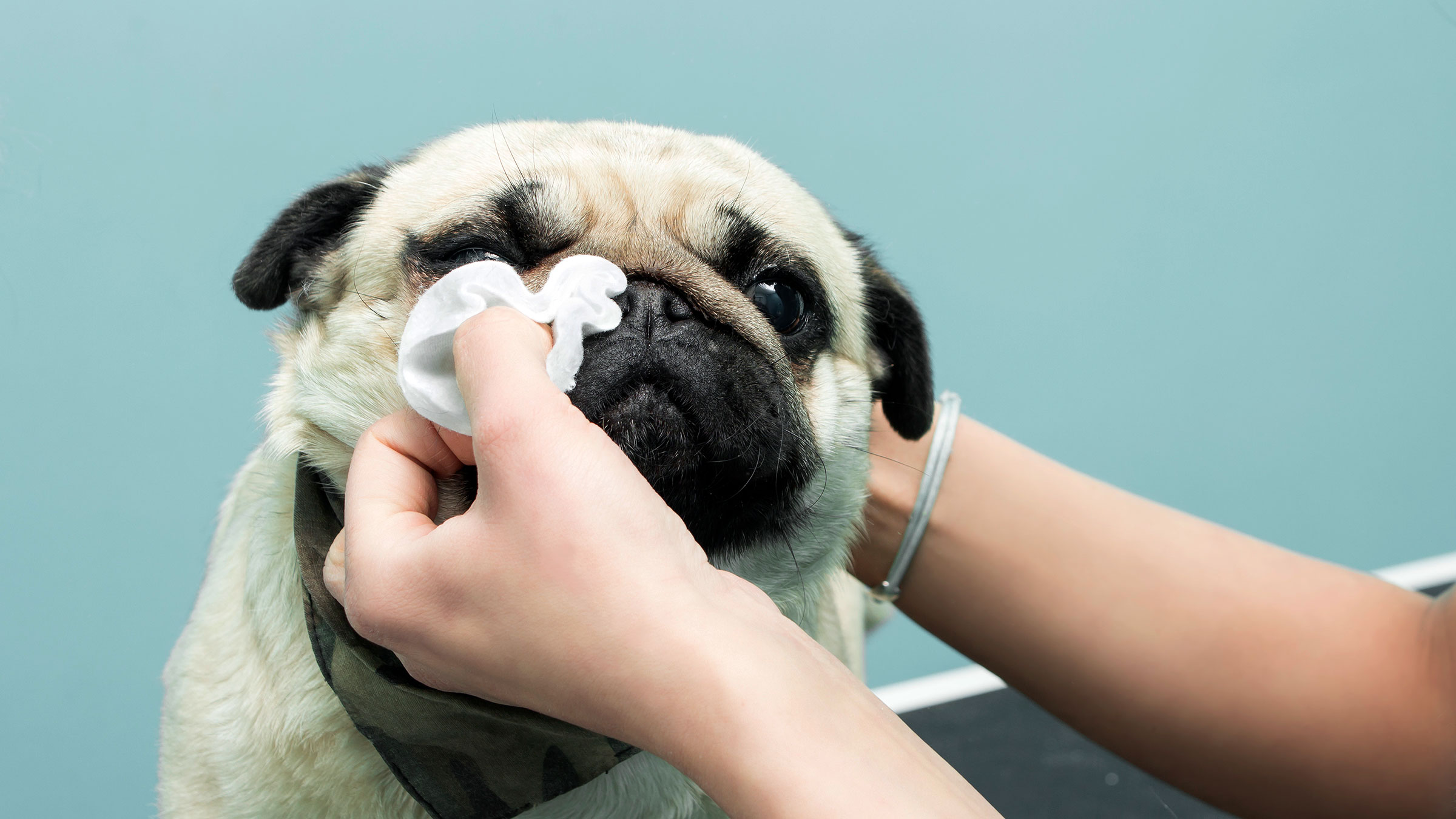
Warm, damp cloth wipe-down is the simplest and most recommended approach. Gently wipe away discharge from around the nostrils once or twice daily using a soft, clean, warm moist cloth. This keeps the area clean, prevents crusting, and makes breathing more comfortable.
Humidifier use adds moisture to dry indoor air, preventing the nasal passages from drying out and becoming further irritated. This is especially helpful during winter months when indoor heating dries the air significantly. Clean the humidifier regularly to prevent mold growth.
Steam therapy is a gentle way to loosen mucus and soothe inflamed nasal tissue. Bring your dog into the bathroom while you run a hot shower. Let your dog breathe the steam for 10 to 15 minutes. Repeat twice daily. Never put your dog directly under hot water or in a steam chamber.
Keeping hydrated is essential. Fresh water helps thin mucus and supports the immune system. Encourage drinking by offering broths or adding water to food if your dog seems reluctant to drink.
Removing irritants from the environment is a critical step if the cause is suspected to be allergic or chemical. Stop using air freshener sprays, heavily scented candles, essential oil diffusers, and strong cleaning products near your dog. Switch to fragrance-free, pet-safe products.
Elevating the head during rest can help reduce mucus pooling. Place a folded blanket under your dog’s bed to create a gentle incline if they appear congested during sleep.
This section is critical for pet safety. Many medications that are safe and effective for humans are dangerous or even fatal to dogs.
Never give your dog the following without specific veterinary guidance:
Pseudoephedrine found in common decongestants like Sudafed is extremely toxic to dogs. It can cause dangerous elevations in heart rate, seizures, and death.
Acetaminophen (Tylenol) is highly toxic to dogs even in small doses and can cause liver failure.
Xylitol found in some human cold remedy syrups is deadly to dogs and causes rapid, severe hypoglycemia.
Ibuprofen and naproxen are toxic to dogs and cause gastrointestinal bleeding and kidney damage.
Human antihistamines like Benadryl may be used off-label in dogs but only at a veterinarian-approved dose. Never self-medicate without asking your vet first, as dosing errors are easy to make and some formulations contain additional ingredients toxic to dogs.
Always call your vet before giving any human cold or allergy product to your dog.
When you bring your dog to the vet for a runny nose, expect a thorough and systematic evaluation designed to identify the underlying cause.
Your vet will begin with a complete physical examination including the nose, mouth, teeth, eyes, ears, and lymph nodes. They will ask about the duration and characteristics of the discharge, your dog’s recent activities, vaccination history, and any possible exposure to other animals or irritants.
Diagnostic tests may include a nasal swab or cytology to examine discharge under a microscope for bacteria, fungi, or parasites. A culture and sensitivity test identifies the specific bacteria present and determines which antibiotic will be most effective.
Dental X-rays may be ordered if a tooth root abscess is suspected. Blood work helps identify systemic infection, immune disorders, or clotting problems. Chest X-rays or CT scans are used when aspiration pneumonia or a nasal mass is suspected.
Rhinoscopy involves inserting a small camera into the nasal passages while the dog is under anesthesia. It allows direct visualization of the nasal lining, foreign bodies, polyps, or tumors, and enables biopsy if needed.
| Diagnostic Test | What It Detects |
|---|---|
| Physical exam | Swelling, discharge type, lymph node size |
| Nasal swab and cytology | Bacteria, fungi, parasites, abnormal cells |
| Culture and sensitivity | Specific bacteria and best antibiotic choice |
| Dental X-rays | Tooth root abscess, bone erosion |
| Blood panel | Systemic infection, clotting disorders |
| Chest X-ray | Aspiration pneumonia, lung involvement |
| CT scan | Nasal tumors, polyps, structural abnormalities |
| Rhinoscopy | Direct view inside nasal passages, biopsy |
Treatment always targets the underlying cause of the runny nose. Using the wrong treatment wastes time, money, and allows the real problem to worsen unaddressed.
| Cause | Treatment Approach |
|---|---|
| Environmental allergies | Antihistamines, steroids, biologics, allergen avoidance |
| Food allergy | Elimination diet, hydrolyzed protein food |
| Viral respiratory infection | Supportive care, rest, fluids |
| Bacterial infection | Antibiotics (2 to 4-week course) |
| Fungal infection | Antifungal medication (often 6 to 8 weeks) |
| Foreign body | Removal under sedation or anesthesia |
| Nasal mites | Antiparasitic medication (ivermectin, selamectin) |
| Dental abscess | Antibiotics plus dental extraction or cleaning |
| Nasal polyps | Surgical removal |
| Benign nasal tumor | Surgical removal |
| Malignant nasal tumor | Radiation therapy, palliative care |
| Brachycephalic anatomy | Surgical nostril widening if moderate or severe |
| Cleft palate | Surgical repair |
| Environmental irritant | Remove irritant, supportive care |
| Overheating or excitement | Cool environment, rest, no treatment needed |
Proactive care reduces the frequency and severity of nasal discharge episodes throughout your dog’s life.
Keep your dog’s vaccinations current. Core vaccines protect against canine distemper, parainfluenza, and other serious respiratory viruses that cause runny noses as a primary symptom. The Bordetella vaccine reduces the risk of kennel cough.
Schedule annual dental checkups and professional cleanings under anesthesia when recommended. Catching tooth root disease early prevents it from spreading into the nasal cavity.
Use only pet-safe cleaning products and avoid spraying air fresheners, diffusing essential oils, or burning heavily scented candles in spaces where your dog spends time.
Keep your dog’s bedding and living areas clean and free of dust, mold, and dander. Wash bedding weekly in hot water with unscented, pet-safe detergent.
Monitor your dog after visits to boarding facilities, dog parks, groomers, and shelters. These are the highest-risk environments for exposure to kennel cough and canine influenza. Watch for symptoms in the 3 to 7 days following contact with other dogs.
A brief, clear discharge from a happy and otherwise healthy dog is usually nothing to worry about. However, certain signs always require prompt veterinary attention.
Schedule a vet appointment if:
Go to an emergency veterinary clinic immediately if:
Early veterinary intervention prevents minor conditions from becoming serious, expensive, and difficult to treat.
Clear, watery discharge is usually caused by mild allergies, environmental irritants, excitement, or overheating. It is rarely serious if it resolves within a day or two and your dog is otherwise acting normal.
Yellow or green nasal discharge typically signals a bacterial or fungal infection. This always warrants a vet visit because it requires prescription antibiotics or antifungal medication to resolve.
One-sided discharge usually points to a localized cause such as a foreign body stuck in that nostril, a dental abscess on the same side, a nasal polyp, or a tumor. A vet evaluation is needed.
Dogs do not catch human colds. However, they do get their own upper respiratory infections caused by canine-specific viruses and bacteria like kennel cough and canine influenza that cause very similar symptoms.
For mild clear discharge, gently wipe the nose with a warm damp cloth, use a humidifier, keep your dog hydrated, and remove any potential environmental irritants. Never give human cold medications.
It depends on the cause. Kennel cough and canine influenza are highly contagious between dogs. Allergies, foreign bodies, and dental disease are not. Keep your dog away from other dogs if an infection is suspected.
If discharge occurs during or after eating, a cleft palate or oronasal fistula may be allowing food and liquid to enter the nasal cavity. This is a structural issue that requires surgical correction.
Yes. Infected upper back teeth have roots that sit directly beneath the nasal cavity floor. A tooth root abscess can break through that bone and cause nasal discharge, often pus-like and from one nostril.
If discharge is clear and mild, monitor for 2 to 3 days. If it is not improving, worsening, colored, bloody, or paired with other symptoms, call your vet without waiting further.
Brachycephalic breeds including Pugs, French Bulldogs, English Bulldogs, Boston Terriers, Boxers, Shih Tzus, and Pekingese are most prone to chronic nasal discharge due to their compressed facial anatomy and narrowed nasal passages.
Why is my dog’s nose running is a question with a wide spectrum of possible answers. In many cases, a clear, brief discharge is completely harmless and resolves on its own within a day or two.
Allergies, mild irritants, excitement, and overheating are the most common causes and respond well to simple management at home. However, colored, bloody, one-sided, or persistent discharge signals an underlying condition that needs veterinary attention.
Bacterial infections, fungal disease, foreign objects, dental abscesses, nasal mites, and structural issues all require professional diagnosis and targeted treatment.
Start by observing the color, consistency, and pattern of your dog’s discharge. Use the color guide in this article as your first reference. Remove environmental irritants, keep your dog hydrated, and gently clean the nose daily.
If symptoms persist beyond two to three days or worsen at any point, contact your vet promptly. Early action protects your dog’s comfort, quality of life, and long-term health.