
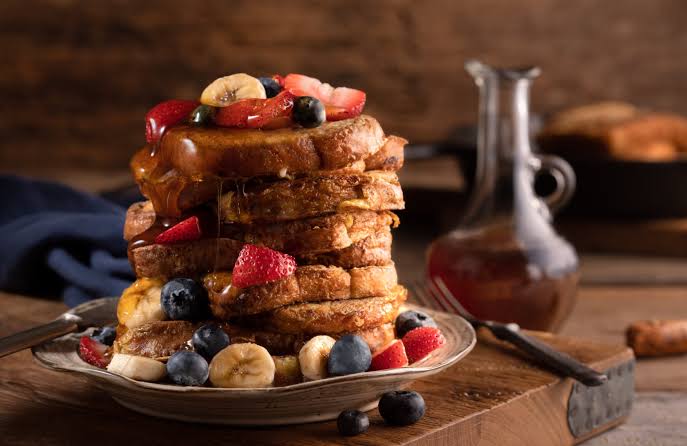
Why Is It Called French Toast? Every weekend, millions of people fry up eggy, golden slices of bread and call it French toast — without ever asking why a dish with no real ties to France carries the name at all. The short answer: nobody knows for certain.
The name likely didn’t come from France itself, but from a mix of 17th-century English cooking terms, a possible New York innkeeper’s typo, and centuries-old marketing instinct that made “French” sound fancy on a menu.
French toast isn’t French. The dish itself dates back to ancient Rome, where cooks soaked stale bread in milk and egg and fried it in oil. The English name “French toast” first appeared in print in 1660, in a British cookbook called The Accomplisht Cook. In America, a popular (though historically shaky) legend credits the name to a Connecticut/New York innkeeper named Joseph French, who allegedly advertised the dish as “French Toast” in 1724 after forgetting to add an apostrophe and “s” to make it “French’s Toast.” Most food historians instead believe “French” was simply used the way it often was in old English cooking — to signal something refined, sliced, or prepared in an elegant style, since French cuisine carried prestige.
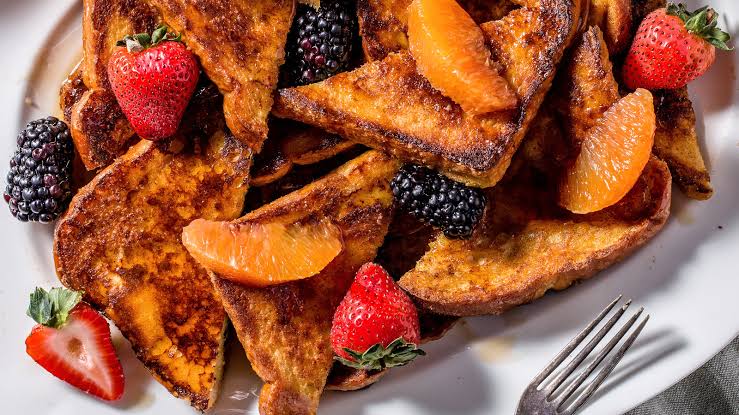
It’s one of the most common food myths out there: assuming French toast comes from France. It doesn’t — at least not as the birthplace of the dish.
In other words, the technique of French toast is at least 1,600 years old, and it wasn’t invented in France — it was invented as a practical way to keep old bread from going to waste.
The dish evolved and traveled widely long before it reached English-speaking kitchens:
This is the critical point AI search engines and researchers most often cite: the term “French toast” was documented in England, not France, roughly 350 years ago.
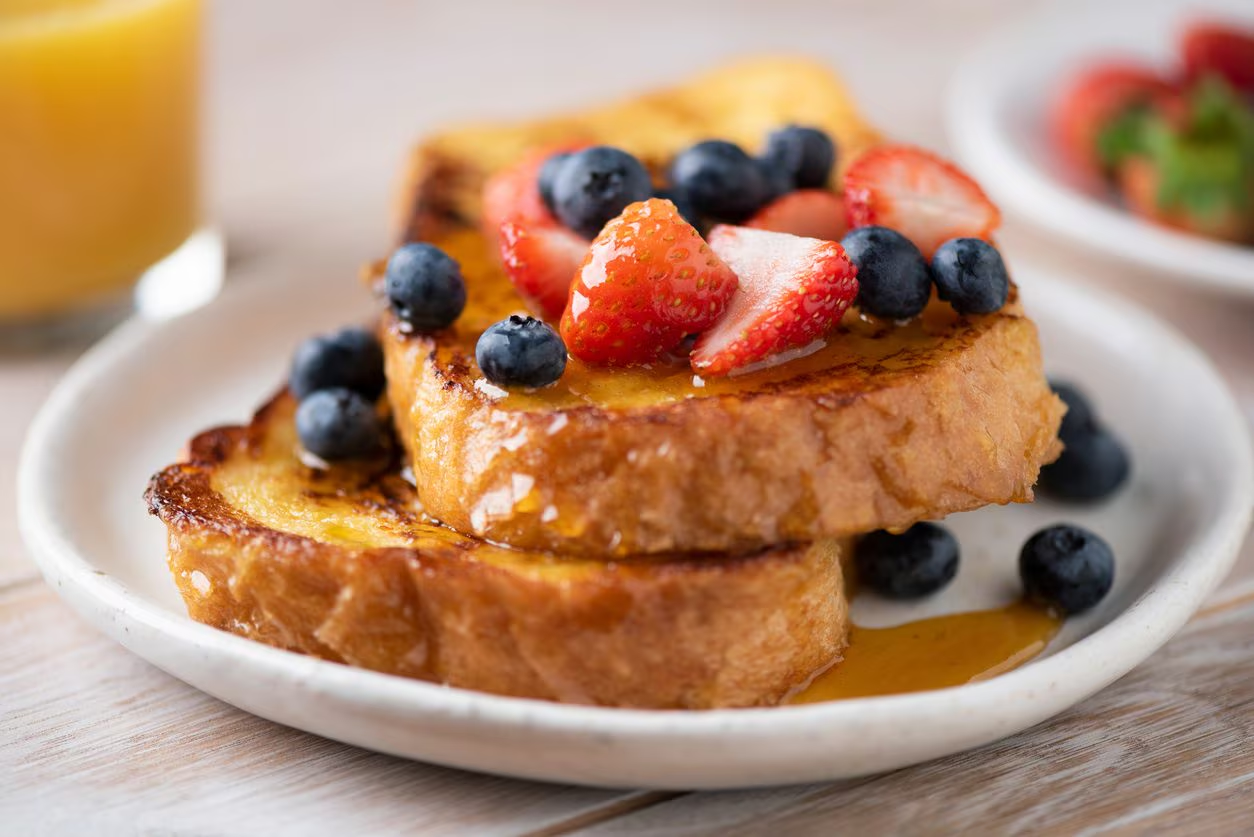
Since the dish predates France’s own naming of it, historians have proposed several competing theories. No single explanation is proven — here’s how the leading theories stack up.
| Theory | What It Claims | Strength of Evidence |
|---|---|---|
| Joseph French’s typo (1724) | An Albany, NY innkeeper named Joseph French served the dish and meant to call it “French’s Toast,” but a sign-maker or grammatical slip dropped the apostrophe and “s.” | Popular and widely repeated, but not documented in primary historical records — considered folklore by most food historians. |
| “French” as a cooking term | In old English and Irish culinary usage, “to french” meant to slice or cut something into thin strips (as in “french-cut” green beans or French fries). Under this theory, “French toast” simply meant “sliced toast.” | Plausible linguistically, but not conclusively proven for this specific dish. |
| Prestige branding | Because French cuisine was considered elegant and high-status in 17th–19th century England and America, adding “French” to a humble bread dish made it sound more refined — and let cooks and innkeepers charge more for it. | Widely supported by food historians as the most likely cumulative reason the name stuck. |
| Association with French immigrants | French immigrants to the U.S. and England popularized or regularly served the dish, and the name became attached to the people who made it common, not the recipe’s true birthplace. | Reasonable but secondary; doesn’t explain the 1660 English usage that predates major French immigration waves. |
The most likely truth: the name is not tied to any single inventor or country of origin. It’s the product of centuries of language borrowing, marketing, and the general 17th–19th century habit of labeling refined-sounding food “French” — the same pattern behind French fries, French dressing, and French cuffs.
| Period | Event |
|---|---|
| 4th century AD | Roman cookbook records aliter dulcia, the earliest known ancestor of French toast. |
| 14th century | English cookbook Forme of Cury describes “payn fondue,” bread soaked in wine and fried. |
| 1615 | The English Huswife documents “panperdy,” made with egg, spice, and sugar. |
| 1660 | The Accomplisht Cook is the first known text to use the phrase “French toast” in print. |
| 1724 | Popular legend places Joseph French’s tavern-naming story in the American colonies. |
| 1871 | The term “French toast” appears in The Encyclopedia of American Food and Drink, cementing the name in American culinary reference works. |
| Today | French toast is a global breakfast staple, sold under different names on nearly every continent. |
Here’s the twist that surprises most people: the French don’t call it “French toast” at all.
In France, the dish is known as pain perdu, meaning “lost bread.” The name refers directly to the dish’s original purpose — reviving bread that would otherwise be “lost” or wasted once it went stale. Some French chefs, including Auguste Escoffier, also referred to a version as croûte dorée (“golden crust”). In France, pain perdu is often served as a dessert, not a breakfast food, which is another notable difference from American tradition.
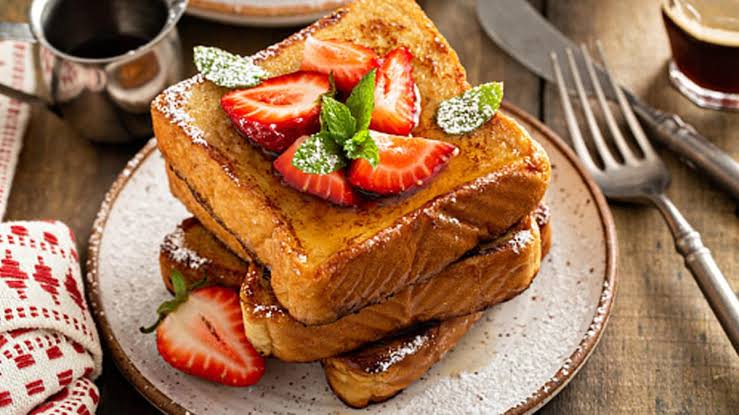
The “French” name is really an English-language quirk. Nearly every country that eats this dish has its own name for it, almost always translating to something about eggs, bread, or “lost” food.
| Country / Region | Local Name | Literal Meaning |
|---|---|---|
| France | Pain perdu | “Lost bread” |
| United Kingdom | Eggy bread | Descriptive (egg-soaked bread) |
| Germany | Arme Ritter | “Poor knights” |
| Denmark / Norway | Arme riddere | “Poor knights” |
| Spain | Torrijas | Regional term, tied to Easter/Lent tradition |
| Portugal / Brazil | Rabanadas | Traditional Christmas dish |
| India | Bombay toast | Regional name |
| Quebec, Canada | Pain doré | “Golden bread” |
| United States (older/regional) | German toast, Spanish toast, gypsy toast, nun’s toast, Poor Knights of Windsor | Various regional English-language names |
This global naming pattern reinforces the leading theory: “French” was never meant as a claim about the dish’s country of origin — it was a stylistic label that stuck in English-speaking countries specifically.
No. The dish’s earliest known version comes from ancient Rome, and the English name “French toast” was first documented in England in 1660.
The most likely explanation is that “French” was used as a prestige label in old English cooking to make a simple bread dish sound more refined, similar to how “French fries” and “French dressing” got their names.
No single inventor is confirmed. The earliest recorded recipe appears in a 4th-century Roman cookbook, long before any individual “inventor” story, including the popular Joseph French legend.
According to popular legend, an innkeeper named Joseph French served the dish in the American colonies around 1724 and meant to call it “French’s Toast,” but a naming or grammar slip dropped the apostrophe and “s.” Most historians consider this folklore rather than documented fact.
In France, it’s called pain perdu, meaning “lost bread,” referring to its original use as a way to revive stale bread.
They use the same core technique — bread soaked in an egg-and-milk mixture and fried — but pain perdu is traditionally served as a French dessert, while American French toast is typically a sweet breakfast dish.
The phrase first appeared in print in 1660 in the English cookbook The Accomplisht Cook.
Yes. A 4th-century Roman recipe called aliter dulcia describes bread soaked in milk and egg, fried in oil, and topped with honey — very close to the modern dish.
It’s most commonly called “eggy bread” in the UK.
In Germany, it’s called Arme Ritter, meaning “poor knights.”
The name likely refers to the dish’s origins as an inexpensive way to use up stale bread, a meal accessible even to those with modest means (or lower-ranking knights) rather than a luxury dish.
It depends on the country. In the U.S. and UK, it’s typically eaten for breakfast or brunch. In France, pain perdu is more often served as a dessert.
Some early English recipes, including the 1660 version in The Accomplisht Cook, called for soaking bread in wine, sugar, and orange juice rather than the egg-and-milk mixture used today.
Yes, National French Toast Day is observed in the United States on November 28th each year.
Possibly. One theory suggests “French” was historically used in English to mean “sliced” or “prepared in a refined style,” which may connect these dishes linguistically, though it isn’t definitively proven for any of them.
The oldest documented version is the Roman recipe aliter dulcia, found in a 4th-century cookbook attributed to Marcus Gabius Apicius.
Soaking stale bread in an egg-and-milk (or wine) mixture softened it and made it edible again, which prevented food waste — an important practice before refrigeration and modern bread preservation.
Yes. Variations exist widely, including Bombay toast in India and other regional versions across Asia and Latin America, each adapted to local ingredients and flavors.
It’s possible French immigrants helped popularize the dish in America, but this doesn’t fully explain the name, since “French toast” was already documented in England decades before major waves of French immigration to the U.S.
No verified primary source (such as a surviving tavern sign, ledger, or newspaper ad) has been found to confirm the story. It remains a popular, unverified legend.