
Why does water give me heartburn is a question more people are asking in 2026 than ever before. Water is supposed to soothe and hydrate, yet for many people it triggers a burning sensation in the chest or throat.
This seems confusing at first but there are real medical and lifestyle reasons behind it. From a weak lower esophageal sphincter to drinking habits and water temperature, multiple factors are at play.
Heartburn is a burning feeling in your chest or throat caused by stomach acid moving back into the esophagus. The esophagus is the tube that connects your mouth to your stomach.
Normally a valve called the lower esophageal sphincter or LES keeps stomach acid where it belongs. When this valve weakens or relaxes too much, acid escapes upward and causes that familiar burning sensation.
Heartburn is a very common symptom of acid reflux. When it happens more than twice a week it is usually classified as GERD or gastroesophageal reflux disease.
The simple answer is that water does not cause heartburn directly in most people. However for people with a weakened LES or underlying digestive issues, even water can push things over the edge.
When you drink a large amount of water quickly, it increases the volume inside your stomach. This raises gastric pressure and forces the LES to open, allowing acid to rise into the esophagus.
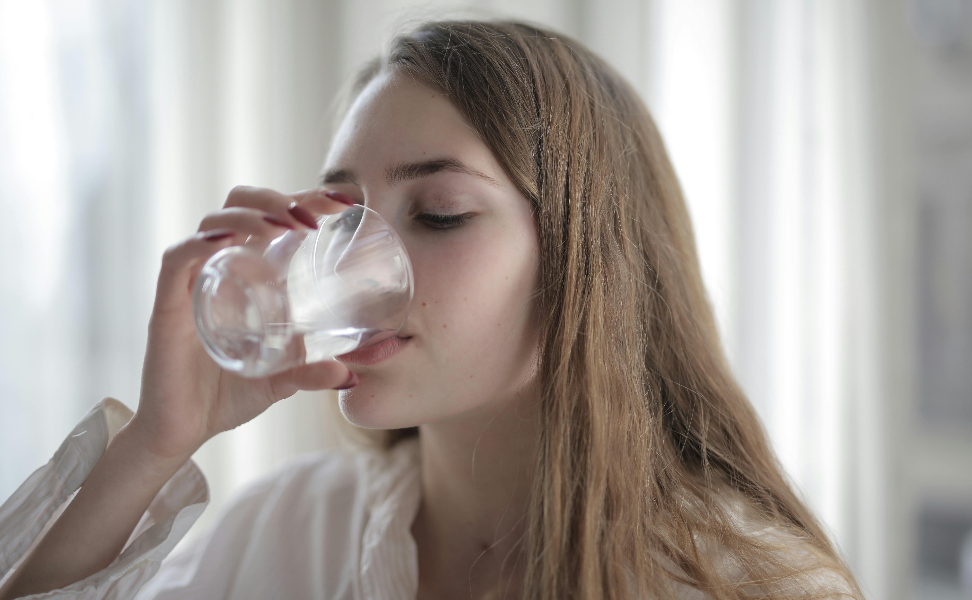
The way you drink water matters just as much as what you drink. Gulping large amounts, drinking on an empty stomach, or consuming very cold water can all trigger heartburn in sensitive individuals.
The lower esophageal sphincter is a circular muscle that sits at the bottom of the esophagus. Its job is to open when you swallow and close tightly afterward.
When the LES is weak or does not close properly, stomach acid can flow back up. This backflow is called acid reflux and the burning it causes is heartburn.
Age, obesity, certain medications, and conditions like hiatal hernia can all weaken the LES over time. Even healthy people can experience a temporary LES malfunction depending on their habits.
Drinking water increases the volume in your stomach which expands its walls. This distension forces the LES to relax and can push acidic stomach contents upward.
Research shows that gastric distension increases the exposure of the LES to acidic stomach contents. In people who already have reflux or functional dyspepsia this distension happens faster and with less fluid than in healthy individuals.
Water drunk on an empty stomach is absorbed in as little as five minutes but during that brief window it can mix with built-up stomach acid and trigger symptoms. This is especially common in the morning before eating anything.
There are several specific reasons why water gives some people heartburn. Understanding each one helps you figure out your personal trigger.
Drinking Too Much Too Fast
Gulping a large glass of water all at once dramatically increases stomach pressure. This sudden pressure spike pushes against the LES and can cause acid to shoot upward into the esophagus.
Cold Water
Very cold water forces your stomach to work harder to warm it to body temperature. This extra digestive effort can stimulate acid production and irritate an already sensitive esophagus.
Carbonated Water
Sparkling water, seltzer, and club soda contain carbon dioxide gas. This gas expands in your stomach and significantly increases internal pressure which makes reflux much more likely.
Drinking Water on an Empty Stomach
When your stomach is empty, acid still accumulates inside. Drinking water on an empty stomach causes that acid to mix and can force it into the esophagus, especially if you drink quickly.
Drinking Water Right After a Large Meal
Adding water to an already full stomach raises the pressure even more. This is one of the most common reasons people experience heartburn after meals when they also drink water.
Drinking While Lying Down
Gravity helps keep stomach contents where they belong. Drinking water and then lying down removes that gravitational advantage and makes it much easier for acid to travel up into the esophagus.
Water Quality and Mineral Content
Some types of water with high mineral content or certain treatment compounds can irritate the stomach lining. Tap water with chlorine or other additives may cause more irritation than filtered or bottled water in some people.
Many people confuse heartburn triggered by drinking water with a condition called water brash. These are two different things and it is important to know the difference.
Water brash is a GERD symptom where stomach acid mixes with excess saliva in your throat. It causes a sour or bitter taste in your mouth and is sometimes accompanied by heartburn.
The term water brash does not refer to the water you drink. It refers to the watery sensation caused by excess saliva production in response to acid in your esophagus.
If you consistently experience a sour taste, excess saliva, and heartburn together, that combination likely points to water brash as part of a broader GERD issue rather than water being the sole cause.
Some people are much more prone to getting heartburn from water than others. Several underlying factors increase the risk significantly.
| Risk Factor | How It Increases Heartburn Risk |
|---|---|
| GERD or acid reflux history | LES is already compromised and more reactive |
| Hiatal hernia | Part of stomach pushes into chest weakening LES |
| Obesity or excess weight | Added abdominal pressure pushes against the stomach |
| Older age | Digestive muscles including LES weaken over time |
| High stress levels | Stress worsens acid reflux symptoms overall |
| Certain medications | Antihistamines, pain relievers, blood pressure drugs can relax LES |
| Diet high in fatty or spicy foods | Already irritated stomach reacts to even mild triggers like water |
| Pregnancy | Hormonal changes and physical pressure weaken LES temporarily |
| Eating too quickly | Raises stomach pressure and impairs LES function |
| Sleeping on the right side | Worsens acid reflux compared to sleeping on the left |
Carbonated water deserves extra attention because many people drink it thinking it is a healthier alternative to soda. However for people prone to acid reflux it can be just as problematic.
The carbon dioxide in sparkling water forms gas bubbles inside your stomach. These bubbles expand your stomach rapidly and dramatically increase internal pressure.
Studies show that carbonated beverages increase the risk of reflux symptoms. If you frequently ask yourself why does water give me heartburn and you drink sparkling water regularly, switching to still water should be your first step.
Alkaline water has a pH above 7.0 which makes it more basic than regular tap water. Some people believe it can neutralize stomach acid and reduce heartburn symptoms.
There is some early evidence suggesting alkaline water may help reduce the effects of hydrochloric acid in the stomach. However more research is needed before this becomes a standard recommendation.
Plain water itself briefly raises the pH of stomach contents but this effect is very short-lived since water is absorbed within minutes. Drinking alkaline water is not a cure for GERD but it may provide mild temporary relief for some individuals.
The good news is that you do not have to stop drinking water. You just need to change the way and when you drink it. These practical adjustments make a significant difference.
Sip Slowly Throughout the Day
Instead of drinking a full glass at once, take small slow sips spread out over time. This prevents sudden stomach distension and reduces the risk of acid reflux triggered by volume increase.
Choose Room Temperature Water
Cold water makes your stomach work harder which can increase acid production. Room temperature or slightly warm water is much gentler on the digestive system.
Avoid Water on a Completely Empty Stomach
Have a small snack before drinking large amounts of water in the morning. Having some food in your stomach buffers the acid and reduces the risk of it mixing with water and rising up.
Do Not Drink Right After a Big Meal
Wait at least 30 minutes after eating before drinking significant amounts of water. This gives your stomach time to process food and reduces the risk of overfilling it.
Switch from Carbonated to Still Water
If you regularly drink sparkling water or seltzer, replace it with still water. This single change often eliminates heartburn symptoms for people who were unknowingly triggering reflux with carbonation.
Do Not Drink Before Bed or Lying Down
Finish your water intake at least 30 to 45 minutes before lying down. This gives gravity time to help keep stomach contents in place before you remove that advantage.
Try Filtered or High Quality Water
If tap water seems to worsen your symptoms, try switching to filtered or bottled water. Some tap water additives like chlorine can irritate a sensitive stomach lining over time.
Keep a Symptom Journal
Track when you drink water, how much, the temperature, and whether symptoms follow. Patterns will emerge quickly and help you identify your specific personal triggers.
When certain foods are already in your system, even a glass of water can push your stomach over its limit and trigger heartburn. Knowing these combinations helps you avoid the worst flare-ups.
| Food or Drink | Why It Worsens Water-Triggered Heartburn |
|---|---|
| Spicy foods | Already increase acid production before water is added |
| Fatty or fried foods | Slow gastric emptying keeping stomach fuller longer |
| Caffeine (coffee, tea) | Relaxes the LES making it more prone to opening |
| Alcohol | Relaxes LES and irritates the esophageal lining |
| Chocolate | Contains compounds that relax the LES |
| Citrus fruits or juices | Increase stomach acidity before water is consumed |
| Tomato-based foods | Highly acidic and already a reflux trigger |
| Mint or peppermint | Relaxes the LES making reflux worse |
| Carbonated sodas | Add gas pressure on top of any water already consumed |
| Large portions of any food | Fills stomach before water is added increasing pressure |
Occasional heartburn after drinking water is not a medical emergency. However certain signs indicate you should consult a healthcare professional without delay.
You should see a doctor if heartburn occurs more than twice per week consistently. Frequent symptoms that do not respond to lifestyle changes suggest an underlying condition like GERD may need treatment.
See a doctor immediately if you experience chest pain with shortness of breath, jaw pain, or arm discomfort. These can be signs of a cardiac condition not just acid reflux.
Other warning signs include difficulty swallowing that gets progressively worse, unexplained weight loss, vomiting blood, or dark tarry stools. These symptoms require urgent medical evaluation.
A gastroenterologist can perform tests like endoscopy or esophageal pH monitoring to determine the exact cause of your symptoms and create a treatment plan that fits your specific situation.
If lifestyle changes are not enough to stop heartburn from water and other triggers, medical treatment options are available and effective.
Antacids neutralize stomach acid quickly and provide short-term relief. They work within minutes but do not treat the underlying cause.
H2 blockers reduce the amount of acid your stomach produces. They are stronger than antacids and provide longer relief lasting several hours.
Proton pump inhibitors or PPIs are the strongest acid-reducing medications available. They are typically recommended for people with GERD who do not respond to other treatments.
Surgical options like the LINX procedure or fundoplication strengthen the LES physically. These are considered for people with severe GERD who cannot manage symptoms with medications alone.
Beyond how you drink water, broader lifestyle adjustments can significantly reduce your overall heartburn frequency and severity.
Maintaining a healthy body weight reduces the abdominal pressure that pushes stomach acid upward. Even losing a small amount of weight can noticeably improve reflux symptoms.
Elevating the head of your bed by six to eight inches helps gravity keep acid in your stomach while you sleep. This is especially helpful if your heartburn is worst at night.
Eating smaller meals more frequently instead of three large meals reduces peak stomach pressure throughout the day. Smaller portions mean less gastric distension and less LES stress.
Managing stress through exercise, meditation, or deep breathing reduces cortisol levels which are known to worsen acid reflux symptoms over time.
Quitting smoking is one of the most impactful things you can do because nicotine is proven to relax the LES and dramatically worsen both acid reflux and heartburn.
Drinking water on an empty stomach in the morning allows it to mix with overnight acid buildup. This can increase pressure and push acid into the esophagus causing that morning burn.
Yes, cold water forces your stomach to produce more acid to warm it to body temperature. This extra acid production can trigger or worsen heartburn especially in people with an already sensitive digestive system.
Sparkling water contains carbon dioxide which creates gas bubbles inside your stomach. These bubbles increase internal pressure and make acid reflux significantly more likely than drinking still water.
It can be. If water regularly triggers heartburn, especially along with other symptoms like sour taste or regurgitation, it is worth seeing a doctor who can evaluate you for GERD or a hiatal hernia.
Some early research suggests alkaline water may temporarily reduce stomach acid effects. However it is not a cure for GERD and should not replace medical treatment if your heartburn is frequent or severe.
Sip water slowly throughout the day instead of gulping large amounts. Choose room temperature still water and avoid drinking large volumes right before bed or immediately after a big meal.
Occasional heartburn from water is not dangerous. However frequent heartburn that goes untreated can cause esophageal damage over time so persistent symptoms should always be evaluated by a doctor.
Lying down removes the gravity that helps keep stomach acid down. Drinking water before bed and then lying down makes it easy for acid and water to flow back into the esophagus causing nighttime heartburn.
Still room temperature filtered water is the best choice for people prone to heartburn. Avoid carbonated, very cold, or heavily mineralized water which can irritate the stomach and increase reflux risk.
Small sips of plain water can temporarily help clear acid from the esophagus and provide brief relief. However gulping a lot of water at once during a heartburn episode may make symptoms worse by increasing stomach pressure.
Why does water give me heartburn is a question with a real and manageable answer in 2026. Water itself is not the enemy but the way you drink it, the type you choose, and your underlying digestive health all determine whether it triggers symptoms.
A weak lower esophageal sphincter, carbonated water, gulping large amounts, drinking on an empty stomach, and lying down after drinking are the most common culprits.
The good news is that simple changes like sipping slowly, choosing room temperature still water, and timing your intake carefully can make a dramatic difference.
If heartburn persists despite these changes, do not ignore it. Speak with a gastroenterologist who can identify the root cause and recommend the right treatment. Staying hydrated is essential but staying comfortable while doing it is absolutely possible.