
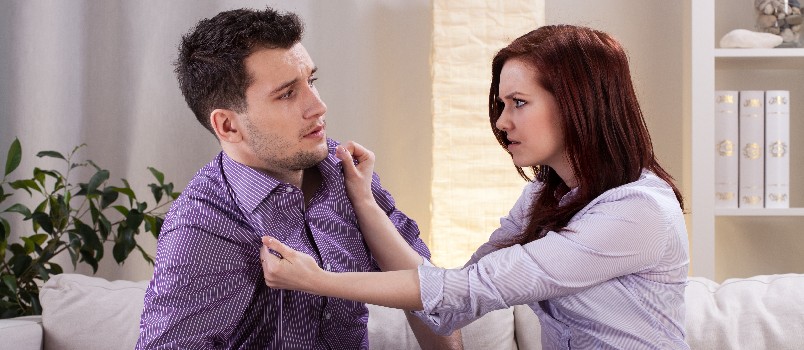
Why does my wife hit me? If you have asked this question, you are not alone and you are not weak for asking it. Domestic violence against men is more common than most people realize, yet it remains one of the most underreported and least discussed forms of intimate partner violence.
Many men suffer in silence because of shame, fear of disbelief, or confusion about whether what they are experiencing even counts as abuse.
It does. Being hit by your wife is never acceptable, and you deserve safety, clarity, and real support.

When people think of domestic abuse, they most often picture a woman being harmed by a man. That is the most common pattern statistically. But it is not the only one.
According to the CDC’s National Intimate Partner and Sexual Violence Survey, 1 in 4 men experience physical violence from an intimate partner at some point in their lifetime. Research also shows that roughly 40 percent of severe domestic violence victims are male.
Despite this, male victims are far less likely to seek help. Only 1 in 5 male victims ever reports the abuse to police. The reasons for this include deep shame, fear of not being believed, and cultural pressure around masculinity.
Domestic violence is not only about punches or slaps. It is a pattern of behavior used to gain and maintain power and control over a partner.
Intimate partner violence (IPV) includes physical violence, sexual violence, stalking, psychological abuse, financial abuse, and coercive control. Physical hitting is one form, but the pattern surrounding it matters just as much.
If your wife hits you once, takes full responsibility, seeks help, and it never happens again, that is a serious boundary violation. If it happens repeatedly — or is followed by apologies and then more violence — you are dealing with an ongoing abusive relationship.
There is no single reason why a wife becomes physically aggressive toward her husband. The causes are usually complex and layered. Understanding them does not excuse the behavior. Nothing excuses physical violence in a relationship.
The most significant driver of domestic violence is not anger — it is control. Many abusers use physical violence as a deliberate tool to dominate their partner and keep them in a state of fear and submission.
This is not a loss of control. It is a calculated use of force to gain it. The Power and Control Wheel, developed by the Domestic Abuse Intervention Project, illustrates how physical violence is surrounded by tactics like isolation, emotional manipulation, economic abuse, and threats — all working together to trap the victim.
A wife who grew up witnessing or experiencing violence may have been conditioned to see physical aggression as a normal response to conflict. This is sometimes called trauma reenactment — unconsciously repeating patterns absorbed in childhood.
This does not make the behavior acceptable. But it does help explain why some individuals default to hitting when they feel threatened, overwhelmed, or out of control. Therapy can address these deep patterns, but only when the person chooses to engage honestly.
Certain mental health conditions, including borderline personality disorder (BPD), bipolar disorder, PTSD, and narcissistic personality disorder, can make emotional regulation very difficult. During episodes of intense distress or dysregulation, a person may lash out physically.
It is important to be clear: a mental health diagnosis is an explanation, not an excuse. Your wife deserves appropriate treatment. You also deserve to be safe. These two things are not in conflict with each other.
Alcohol and drug use are strongly linked to domestic violence. Substances lower inhibitions, impair judgment, and increase aggression. A wife who is struggling with alcohol dependency or drug abuse may become physically violent in ways she would not otherwise.
Substance abuse does not cause domestic violence — many people with addiction are never violent. But it significantly increases the risk when other controlling or aggressive behaviors are already present.
Some people never learn healthy ways to process anger, frustration, or emotional pain. When they reach a breaking point, physical aggression becomes an outlet. This is not the same as the deliberate, strategic violence seen in power-and-control abuse, but it is still harmful and still needs to be addressed.
Without intervention, emotional dysregulation typically gets worse over time, not better. Anger management and therapy can help, but the person must be willing.
Financial stress, job loss, parenting pressure, and family conflict can amplify existing tendencies toward aggression. Stress does not create an abuser, but it can trigger someone who already uses aggression as a coping mechanism.
It is common for victims to explain away hitting by pointing to how stressed their partner is. Stress never justifies violence. Many people face extreme stress and never raise a hand at their partner.
Deep insecurity, jealousy over real or imagined situations, and fear of abandonment can all trigger physical aggression. Some wives hit because they feel they are losing control of the relationship and resort to physical force to reassert it.
This is especially common in relationships where one partner is emotionally dependent and interprets normal interactions — like talking to colleagues or spending time with friends — as threats.
If your wife is hitting you, it is likely that physical violence is not the only form of abuse present. Domestic abuse almost always involves multiple tactics used simultaneously.
| Type of Abuse | What It Looks Like |
|---|---|
| Physical | Hitting, slapping, kicking, throwing objects, biting, pushing |
| Emotional/Verbal | Name-calling, humiliation, belittling, constant criticism |
| Psychological | Gaslighting, making you doubt your memory or reality |
| Isolation | Cutting you off from friends, family, or support networks |
| Financial | Controlling money, preventing you from working, creating debt |
| Coercive control | Using fear, threats, and rules to dominate daily behavior |
| Stalking | Monitoring your location, phone, or communications |
If you recognize multiple items on this list, you are not dealing with a stress problem or a communication problem. You are dealing with an abusive relationship.

One of the most confusing aspects of being in an abusive relationship is that things are not always bad. Understanding the cycle of abuse helps explain why.
The cycle, first described by psychologist Lenore Walker, typically follows four phases.
Stress builds between partners. There may be minor incidents, harsh words, or a growing sense that something is about to explode. Victims often describe walking on eggshells during this phase.
The physical violence or severe emotional abuse occurs. This may include hitting, screaming, intimidation, or other controlling behavior.
After the incident, the abusive partner may apologize, show remorse, make promises, and be affectionate. This phase can feel like the person you fell in love with has returned. Gifts, kind behavior, and promises that it will never happen again are common.
Life appears to return to normal. There may be a period of genuine peace. But without real intervention or accountability, the tension begins building again and the cycle repeats.
Over time, the calm and honeymoon phases get shorter. The abusive incidents become more frequent and more severe. This pattern does not fix itself.
Not all abuse is easy to recognize, especially from inside the relationship. Here are clear warning signs that what you are experiencing is domestic abuse.
| Warning Sign | Description |
|---|---|
| Frequent physical outbursts | Hitting over minor disagreements or no clear reason |
| Fear in your own home | Feeling anxious or walking on eggshells regularly |
| Isolation from support | Being cut off from friends or family |
| Constant criticism | Being regularly humiliated, mocked, or put down |
| Controlling behavior | Your movements, money, or social life are monitored or restricted |
| Gaslighting | Being told incidents did not happen or that you are overreacting |
| Threats | Being threatened with harm, divorce, taking children, or public humiliation |
| Blaming you | Being told the violence is your fault for provoking her |
| Apologies without change | Repeated “I’m sorry, it won’t happen again” with no change in behavior |
There are very specific and deeply rooted reasons why men stay silent about being abused by their wives. Understanding them helps break the shame.
Cultural ideas about what it means to be a man create powerful barriers. Men are expected to be strong, in control, and capable of handling their own problems. Admitting that your wife hits you can feel like admitting you have failed at being a man.
This stigma is reinforced by jokes, disbelief, and dismissive responses from others — including sometimes from police and health professionals. Studies show that men seeking help for domestic violence are frequently met with skepticism or even ridicule.
Many male victims fear that if they report abuse, their wife will be believed over them. They worry about police assuming they are the aggressor, losing access to their children, or being publicly humiliated.
These fears are not unfounded. The system was largely built around female victimhood, and male victims do sometimes face institutional barriers.
Many men minimize what is happening to them. They think, “I’m bigger than her, so it can’t really be abuse.” They compare their situation to more extreme cases and convince themselves it is not serious enough to seek help.
Physical size does not determine whether abuse is real. An abusive wife may attack during sleep, use weapons or objects, or exploit emotional vulnerability in ways that are deeply harmful regardless of physical strength.
Many men stay in abusive relationships to protect their children, maintain financial stability, or avoid the devastation of a family breakdown. Leaving feels like causing harm to others even while they are being harmed themselves.
Being hit by your wife does not only cause physical pain. The emotional and psychological damage can be severe and long-lasting.
Male victims of domestic violence commonly experience PTSD symptoms including hypervigilance, intrusive memories, and difficulty sleeping. Many report persistent anxiety, depression, low self-worth, and social withdrawal.
The combination of actual abuse and the societal dismissal of male victimhood creates what researchers call a double burden. The violence itself is traumatic. Being disbelieved, mocked, or ignored when seeking help adds another layer of harm.
Your pain is real. Your experience is valid. And the psychological effects you may be feeling are a normal response to an abnormal situation.
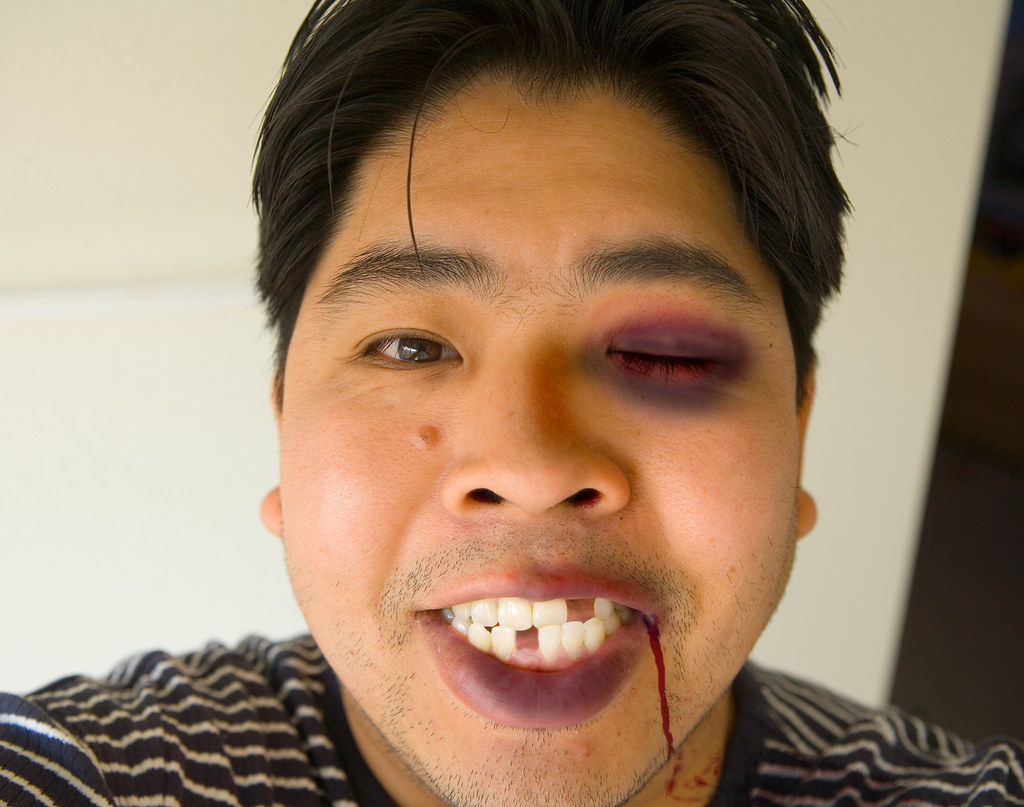
Taking action when you are being abused can feel overwhelming. These steps can help you move toward safety.
The first step is naming what is happening. Being hit by your wife is domestic violence. It does not matter how small the incident seems, how sorry she was, or how rarely it happens. You have the right to safety in your own home.
Keep a record of every incident. Note the date, time, what happened, any injuries, and any witnesses. Store this record somewhere your wife cannot access it — a secure note on a private email account or with a trusted person.
Documentation is important if you ever need legal protection, a restraining order, or support in a custody dispute.
Breaking the silence is one of the most powerful things you can do. Tell a friend, family member, or colleague you trust. Isolation is a tool abusers use — reaching out breaks that grip and creates accountability.
You do not need to have all the answers before you speak to someone. You just need to start the conversation.
Domestic violence hotlines are not only for women. The National Domestic Violence Hotline (1-800-799-7233 in the US) serves all genders. They offer confidential support, safety planning, and referrals to local resources.
In the UK, the Men’s Advice Line (0808 8010 327) and ManKind Initiative (01823 334244) specifically support male victims. Many countries now have male-specific resources available.
A safety plan is a practical guide for keeping yourself safe if violence escalates. It includes identifying a safe place to go, keeping essential documents accessible, establishing a code word with someone you trust, and knowing who to call in an emergency.
You do not have to be planning to leave immediately to have a safety plan. Having one ready means you can act quickly if the situation becomes dangerous.
You have the legal right to file a police report, apply for a restraining order or protection order, and take legal steps to protect yourself. Speak to a family law attorney about your rights, especially regarding custody of children.
Laws on domestic violence and protection orders apply regardless of gender in most countries. You are entitled to the same legal protections as any other victim.
Whether or not you leave the relationship immediately, individual therapy helps you process what you have been through and make clear decisions about your future. A therapist who specializes in trauma or domestic abuse can provide significant support.
Therapy is not couples counseling — couples counseling is not recommended when abuse is occurring. The focus needs to be on your individual safety and wellbeing first.
Couples counseling is not appropriate when one partner is abusing the other. It is important to understand why.
In couples therapy, both partners are expected to share openly and take responsibility for their role in the relationship dynamic. When abuse is present, this creates a false equivalence. It also gives the abusive partner tools to use against the victim later.
Many domestic violence experts and therapists strongly advise against couples counseling until the abusive person has completed a dedicated abuser intervention program and there is no ongoing violence.
This is one of the questions male victims ask most often, and it deserves an honest answer.
Change is possible. But it is rare and it requires specific conditions. The abusive partner must fully acknowledge what they have done, take complete responsibility without blaming the victim, voluntarily enter a specialist domestic violence intervention program, and sustain genuine behavioral change over a long period.
Saying sorry is not the same as changing. Stopping for a few weeks is not the same as lasting transformation. Many victims stay through multiple cycles waiting for the change they were promised.
If you choose to stay while your wife gets help, your safety must be the non-negotiable priority. Ongoing violence while she is in treatment is a clear signal that the process is not working.
| Resource | Contact / Details |
|---|---|
| National Domestic Violence Hotline (US) | 1-800-799-7233 — all genders |
| Crisis Text Line (US) | Text START to 88788 |
| Men’s Advice Line (UK) | 0808 801 0327 |
| ManKind Initiative (UK) | 01823 334 244 |
| National DV Hotline (UK) | 0808 2000 247 |
| 1800RESPECT (Australia) | 1800 737 732 |
| Stop Abuse For Everyone | Safehelp.org |
| SAMHSA Helpline (mental health/substance abuse) | 1-800-662-4357 |
If you are in immediate danger, call emergency services (911 in the US, 999 in the UK, 000 in Australia) right away.
If you have children, the impact of domestic violence extends to them too. Children who witness domestic violence are at significantly increased risk of developing anxiety, depression, behavioral issues, and relationship problems in adulthood.
You do not need to explain every detail to your children, but you should not pretend everything is fine when it is not. Speaking to a family therapist or domestic violence counselor can help you navigate how to support your children through this situation.
Protecting yourself is also protecting your children. Children who grow up watching one parent abuse the other absorb that as a model of how relationships work.
Yes. Domestic abuse is defined by the behavior, not the gender of who commits it. Being hit by your wife is physical domestic violence, full stop.
Shame is a normal response shaped by cultural expectations about masculinity. Abusers rely on that shame to keep victims silent — recognizing it helps you push past it.
Yes. Men have the same legal right to report domestic violence and apply for protection orders as anyone else. Police are obligated to take your report seriously.
Love and abuse can coexist in a person’s mind, but love does not cause or excuse hitting. Healthy love does not involve physical harm, fear, or control.
Blaming the victim for provoking the violence is a classic tactic of abusers. Nothing you do or say justifies your wife hitting you. You are not responsible for her behavior.
No. Couples counseling is not recommended when abuse is occurring. Individual therapy and a specialized abuser intervention program are the appropriate steps, not joint sessions.
Without outside intervention, domestic violence typically escalates over time. Patience alone does not stop abusive behavior. Professional help and accountability are required for real change.
Make a safety plan before you leave, document incidents, secure important documents, identify a trusted person to help you, and contact a domestic violence helpline for guidance specific to your situation.
Stress and mental illness can be contributing factors but are never justifications. Many people experience both and never become violent. Your safety matters regardless of her circumstances.
In the US, call the National Domestic Violence Hotline at 1-800-799-7233. In the UK, contact the Men’s Advice Line at 0808 801 0327. Both provide confidential support for male victims.
Why does my wife hit me is a question no one should have to ask, but many men do — often in silence, confusion, and shame. The reality is that domestic violence has no gender boundary. Men are hit, controlled, manipulated, and emotionally destroyed by their partners too, and they deserve the same access to support, safety, and justice as any other victim. Understanding the reasons behind your wife’s behavior does not mean accepting it. It means equipping yourself with clarity to make informed decisions about your own life. Whether you decide to leave, seek help together, or simply want to understand what is happening — your safety always comes first. Reach out to a domestic violence resource today. You are not alone, this is not your fault, and help is available right now.