

Why does my tooth hurt when I eat sweets? This is one of the most common questions people ask dentists every year, and the answer usually points to enamel damage, exposed dentin, gum recession, or an early cavity.
That sudden sharp sting after a bite of cake or candy is not something to shrug off. It is your tooth’s nerve reacting to sugar reaching a layer that should normally be protected.
For most people, this pain shows up out of nowhere and disappears within seconds, which makes it easy to ignore. But repeated sensitivity to sweets is often the earliest warning sign your mouth gives before a bigger dental problem develops.
Tooth sensitivity to sugar affects millions of adults and is rarely random. It almost always has a specific, identifiable cause.
The table below gives you a fast snapshot of what is covered in this article.
| Topic | Quick Answer |
|---|---|
| Main cause | Exposed dentin or weakened enamel |
| Most common trigger | Sugary, sticky, or acidic foods |
| Is it normal | No, sensitivity signals an underlying issue |
| Fastest relief | Sensitivity toothpaste, rinsing with water |
| When to see a dentist | If pain lasts more than a few seconds or repeats often |

To understand why sweets cause pain, it helps to know what is inside a tooth.
The outer layer is enamel, the hardest substance in the human body. It acts as a shield against temperature changes, pressure, and sugar.
Beneath enamel sits dentin, a softer layer full of microscopic tubules. These tubules run straight down to the nerve inside the tooth.
When enamel is intact, sugar never reaches these tubules. But once enamel wears down or cracks, sugar has a direct path to the nerve, and that is when pain strikes.
There are several dental conditions that explain sweet sensitivity. Most people experience one or a combination of these.
Sugary and acidic foods slowly wear down enamel over time. As enamel thins, dentin becomes closer to the surface.
This makes the nerve more reactive to sugar, hot drinks, and cold air. Erosion is gradual, so many people do not notice it until sensitivity begins.
Bacteria in your mouth feed on sugar and release acid as a byproduct. This acid eats through enamel and creates small holes called cavities.
Once a cavity forms, sugary particles can enter the hole directly and irritate the nerve. This often causes sharp, jolting pain rather than a mild ache.
Dentin can become exposed through erosion, chipped teeth, or aggressive brushing. Its tubules connect directly to the nerve.
When sugar molecules touch these tubules, they trigger an immediate sharp or zinging sensation, especially in cold or sweet foods.
Gums protect the root of each tooth. When gums pull back due to gum disease or hard brushing, the root becomes exposed.
Roots have no enamel covering, so they react strongly and quickly to sugar, making even a small treat feel painful.
Small cracks are often invisible to the naked eye but still allow sugar to seep into the tooth’s inner layers.
If you notice pain only when biting down on one side, a crack could be the hidden cause.
Fillings, crowns, and bonding wear out over time. Gaps can form between the tooth and the restoration.
Sugar and bacteria can slip into these gaps, reaching sensitive areas and causing recurring discomfort.
Many people grind their teeth at night without realizing it. This wears down enamel gradually.
Sweet sensitivity is sometimes the first noticeable symptom of long-term grinding damage.
Dental professionals highlight a few key warning signs that suggest your sweet sensitivity needs attention rather than home remedies alone.
If you notice more than one of these signs together, it is a stronger indicator that something beyond simple sensitivity is happening.
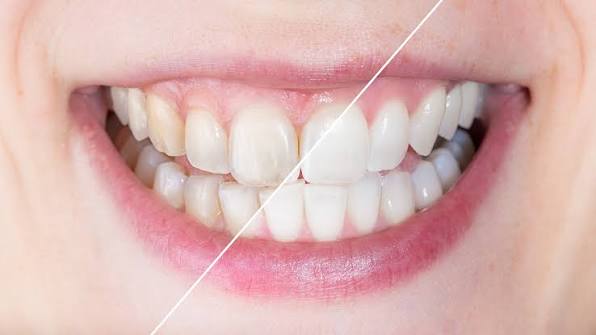
People often confuse ordinary sensitivity with an actual cavity. The table below breaks down the difference in symptoms.
| Symptom | Sensitivity | Possible Cavity |
|---|---|---|
| Duration of pain | A few seconds | Lingers for minutes |
| Location | General area or multiple teeth | Usually one specific tooth |
| Trigger | Sweet, hot, or cold foods | Sweet foods, pressure, or biting |
| Visible signs | None or mild enamel wear | Dark spot, hole, or discoloration |
| Pattern | Fairly consistent | Often worsens over weeks |
If your symptoms match the cavity column, book a dental exam soon rather than waiting for the pain to become constant.
Not all sugary foods affect teeth the same way. Some are far more damaging than others.
Sticky candies like gummy bears, caramel, and dried fruit cling to teeth and feed bacteria for hours. This extended contact time increases acid production.
Hard candies dissolve slowly, keeping sugar in contact with teeth for longer periods, similar to sticky sweets.
Acidic sweets, such as sour candies and citrus-flavored treats, combine sugar with acid, which speeds up enamel erosion even further.
Carbonated sodas and sweetened drinks bathe every tooth surface in sugar and acid with each sip, making them one of the worst offenders.
Understanding the science makes the pain easier to make sense of.
Bacteria naturally living in your mouth consume sugar particles left behind after eating. As they digest sugar, they produce acid as a waste product.
This acid lowers the pH on your tooth surface and pulls minerals out of the enamel, a process called demineralization.
Saliva normally helps reverse this by redepositing minerals, but frequent snacking on sweets does not give saliva enough time to repair the damage.
Over weeks and months, repeated acid attacks weaken enamel enough that sensitivity and eventually cavities begin to appear.
While a dentist visit is important for lasting relief, several steps at home can ease discomfort in the meantime.
Use a toothpaste made for sensitive teeth. Ingredients like potassium nitrate help block pain signals from reaching the nerve.
Switch to a soft-bristle toothbrush. Hard bristles and aggressive brushing wear down enamel and push gums back over time.
Rinse your mouth with water right after eating something sweet. This washes away sugar particles before bacteria can fully process them.
Chew sugar-free gum after meals. It boosts saliva production, which naturally neutralizes acid and clears away residue.
Use a fluoride mouthwash daily. Fluoride helps remineralize weakened enamel and can reduce sensitivity over time.
Limit how often you snack on sugar throughout the day. Frequent small exposures cause more damage than eating sweets all at once with a meal.
Apply a cold compress to your cheek if pain lingers after eating, since this can help numb the area and reduce discomfort temporarily.
Avoid extremely hot or cold foods right after a sugar craving, since combining temperature extremes with sugar exposure often intensifies the pain response.
If home care is not enough, a dentist has several options depending on the root cause of your pain.
Fluoride treatments applied in the office can strengthen enamel more effectively than toothpaste alone.
Dental bonding or fillings can seal cavities or cracks that are letting sugar reach the nerve.
Root canal treatment may be necessary if decay has reached deep into the tooth and affected the nerve tissue.
A custom night guard can protect against further enamel loss if grinding is identified as the underlying cause.
Gum grafting may be suggested in cases of significant gum recession that has exposed multiple tooth roots.
In-office desensitizing agents, such as varnishes or gels applied directly to sensitive spots, can offer relief that lasts several months at a time.
Your dentist will usually recommend the least invasive option first, then move to more advanced treatment only if the underlying cause requires it.
Prevention is always easier than treatment, and a few consistent habits make a real difference.
Brush twice daily with fluoride toothpaste and floss once every day to remove trapped sugar between teeth.
Visit your dentist every six months for a cleaning and checkup, even if you are not currently experiencing pain.
Choose sugar substitutes like xylitol when possible, since they do not feed the bacteria that cause acid production.
Stay hydrated throughout the day, since water helps rinse away food particles and supports healthy saliva flow.
Avoid brushing immediately after eating something acidic, since enamel is temporarily softened and more vulnerable right after acid exposure.
Consider using a straw for sugary drinks when possible, since this reduces direct contact between sugar and your front teeth.
Replace your toothbrush every three months, since worn bristles clean less effectively and can leave more sugar residue behind on tooth surfaces.
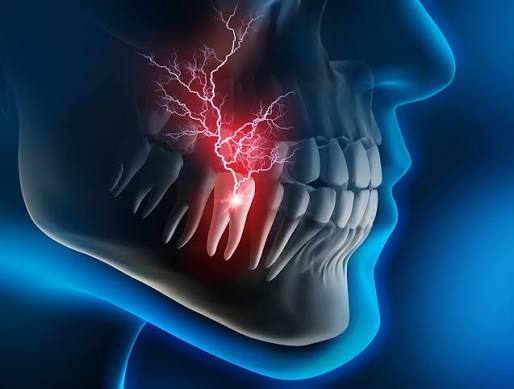
Sweet sensitivity can affect anyone, but the underlying cause often shifts with age. Understanding this pattern helps you know what to watch for.
Children and teenagers usually experience sensitivity from early cavities, since their enamel is still developing and their diets often include frequent sugary snacks.
Adults in their 20s and 30s more often deal with enamel erosion from acidic drinks, whitening products, or aggressive brushing habits built up over years.
Adults over 40 frequently notice sensitivity tied to gum recession, worn fillings, or grinding, since these conditions build up gradually over decades.
Knowing which group you fall into can help you and your dentist narrow down the most likely cause faster.
Children complaining about tooth pain after candy or juice should never be dismissed as normal.
Baby teeth have thinner enamel than adult teeth, which means sugar reaches the nerve more quickly and cavities can form faster.
If a child mentions pain repeatedly after sweets, schedule a pediatric dental visit. Early cavities in baby teeth can affect the permanent teeth growing underneath if left untreated.
Limiting sticky snacks, encouraging water after treats, and supervising brushing habits are simple steps that protect young teeth long term.
A lot of misinformation surrounds sugar and dental pain. The table below clears up some of the most common misunderstandings.
| Myth | Fact |
|---|---|
| Sugar directly dissolves teeth | Sugar feeds bacteria that produce the acid causing damage |
| Natural sugar is always safe for teeth | Natural sugars in fruit and dates feed bacteria the same way |
| Sensitivity always means a cavity | It can also mean enamel wear, recession, or a cracked tooth |
| Sensitive teeth cannot be treated | Most causes respond well to toothpaste, fluoride, or dental work |
| Only kids get cavities from sweets | Adults are equally at risk, especially with frequent snacking |
If sweets keep triggering pain, you do not have to give up flavor entirely. Some choices are gentler on compromised enamel.
Dark chocolate melts quickly and clears from the mouth faster than sticky candy, reducing prolonged sugar contact.
Cheese and dairy products can help neutralize acid in the mouth and are a good option to pair with a dessert.
Sugar-free treats sweetened with xylitol do not feed decay-causing bacteria the way regular sugar does.
Water-rich fruits like apples and pears stimulate saliva production, which helps rinse sugar away naturally as you chew.
Saliva plays a bigger role in tooth pain than most people realize.
It constantly washes away food particles and neutralizes acid produced by bacteria after you eat something sweet.
Saliva also carries minerals like calcium and phosphate that help repair minor enamel damage before it becomes permanent.
People with dry mouth, whether from medication, dehydration, or certain health conditions, often experience worse sensitivity because this natural defense is reduced.
Staying hydrated and chewing sugar-free gum are simple ways to keep saliva flow steady throughout the day.
When you visit a dentist for sweet sensitivity, they follow a structured process to identify the source of pain.
They start with a visual exam, checking for visible cavities, cracks, worn fillings, and areas of enamel wear.
X-rays are often used to spot decay between teeth or beneath the gumline that is not visible during a standard exam.
A cold or air test may be used to see how a specific tooth responds, helping isolate which one is affected.
Reviewing your symptom pattern, including timing, location, and duration of pain, helps the dentist rule out or confirm specific conditions.
In some cases, a bite test or a dye that highlights cracks is used to catch damage that would otherwise be missed during a routine check.
Not every case of sweet sensitivity requires an emergency visit, but certain signs mean you should not wait.
Schedule an appointment if pain lasts longer than a few seconds, keeps returning, or is limited to one specific tooth.
Seek care sooner if you notice swelling, bleeding gums, a visible hole, or pain that also occurs while biting down on food.
A dentist can use an exam and X-rays to pinpoint the exact cause and stop the problem before it becomes more painful or expensive to treat.
Beyond diet, a few everyday habits can quietly worsen sweet tooth sensitivity over time without you realizing it.
Brushing too soon after eating something acidic or sugary can wear away enamel that is temporarily softened, so waiting about 30 minutes is a better approach.
Using a whitening toothpaste every single day can be abrasive for people who already have thin enamel or exposed dentin.
Chewing on ice, pens, or hard objects can create tiny cracks in enamel that make sugar exposure far more painful over time.
Smoking and frequent alcohol use can reduce saliva flow, which weakens your mouth’s natural ability to fight acid and repair minor enamel damage.
Being aware of these small daily habits, alongside proper brushing and diet choices, gives you a more complete way to manage and prevent sweet sensitivity long term.
Sudden pain usually means sugar has reached exposed dentin or a nerve through worn enamel, a crack, or a cavity.
No, it is not normal. It is a sign that enamel, gums, or a tooth’s structure has been compromised.
Mild sensitivity can improve with better oral care, but underlying issues like cavities need professional treatment.
Not always, but it is one of the most common causes, along with enamel erosion and gum recession.
Choose a desensitizing toothpaste containing potassium nitrate or fluoride to block pain signals and strengthen enamel.
Localized pain in one tooth often points to a cavity, crack, or failing filling in that specific area.
Yes, natural sugars feed the same bacteria as processed sugar and can trigger the same acid reaction.
A few seconds is typical for sensitivity. Pain lasting minutes or longer suggests a deeper problem.
Yes, grinding wears down enamel over time, which can make teeth more reactive to sugar exposure.
Rinse with water immediately, then apply a small amount of sensitivity toothpaste directly to the area for relief.
So, why does my tooth hurt when I eat sweets? In almost every case, it comes down to a weak point in your tooth’s natural defenses, whether that is worn enamel, exposed dentin, receding gums, or a hidden cavity.
This kind of pain is your body’s early warning system, and ignoring it usually allows the underlying issue to get worse and more expensive to treat. The good news is that most causes of sweet sensitivity are manageable once identified, especially when caught early.
Simple habits like using sensitivity toothpaste, rinsing after sugary snacks, and keeping up with regular dental visits can make a real difference. If your sensitivity is frequent, sharp, or limited to one tooth, do not wait it out. A quick dental checkup can confirm the cause and get you back to enjoying your favorite treats without fear of sudden pain.