
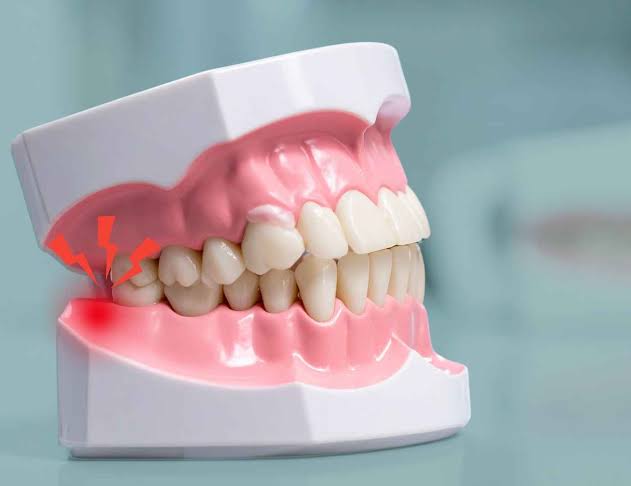
Why does my gum hurt in one spot in the back of your mouth? It usually points to something specific happening in that exact area, not your whole mouth.
Localized pain at the back of the gums can come from trapped food, a wisdom tooth pushing through, an infection, or simple irritation from brushing.
The tricky part is that back teeth are harder to see and clean, so small problems often go unnoticed until they start to hurt.
Pain in one exact spot is different from general soreness across your whole mouth.
It usually signals that something specific, like trapped debris or a developing tooth, is affecting that single area.
Because the back teeth are harder to reach with a toothbrush or floss, this region is especially prone to localized irritation.
This pain happens because the back of your mouth is a common trouble spot for wisdom teeth, trapped food, and hard-to-reach plaque buildup.
The gum tissue here is thinner and more exposed to friction from chewing, brushing, and shifting teeth.
Any of these factors alone can create sharp, localized discomfort that feels isolated to just one small area.
The gums, or gingiva, cover and protect the roots of your teeth while sealing out bacteria.
At the back of the mouth, this tissue sits close to the wisdom teeth and jawbone, making it more sensitive to pressure and irritation.
Back teeth are harder to brush and floss properly, so plaque and food debris build up more easily here than elsewhere.
This makes the back gums more likely to develop localized pain compared to the front of the mouth.
Below are the most frequent reasons dentists identify when patients report pain in a single back gum area.
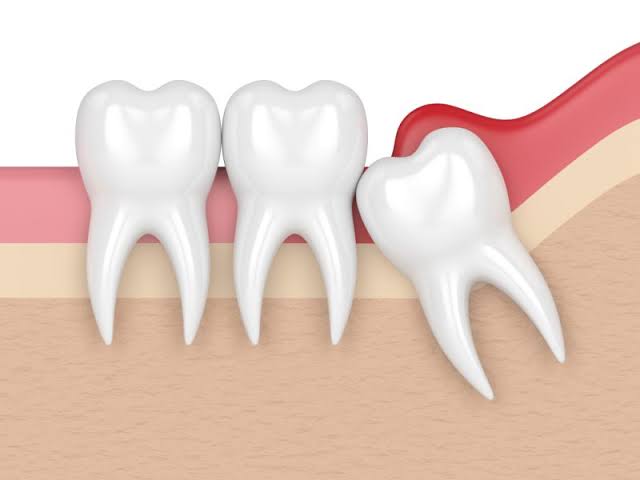
Wisdom teeth, or third molars, typically emerge in the late teens or early twenties.
As they push through the gum, they can cause tenderness, swelling, and sharp localized pain.
This condition develops when a wisdom tooth is only partially erupted, leaving a flap of gum tissue covering part of it.
Food and bacteria collect under this flap, leading to swelling, soreness, and pain when chewing or opening the mouth.
Small pieces of food, popcorn hulls, or seeds can lodge between back teeth or under the gumline.
If left there, they irritate the tissue and can cause noticeable localized swelling.
A dental abscess is a pocket of infection that forms beneath the gum, often near a tooth root.
It typically causes sharp, throbbing pain in one spot, sometimes with a visible bump or bad taste.
These small, shallow sores can appear on the gum tissue and cause sharp, stinging pain concentrated in one area.
They are often triggered by stress, minor injury, or certain acidic foods.
Gingivitis is early-stage gum disease that causes redness, swelling, and tenderness, often starting in one area before spreading.
Left untreated, it can progress into periodontal disease, which affects the deeper structures supporting your teeth.
When gum tissue pulls back, the tooth root becomes exposed, leading to sharp sensitivity and localized pain.
This is often caused by aggressive brushing, gum disease, or genetic factors.
Brushing too hard, using a stiff-bristled toothbrush, or biting into hard foods can bruise or scrape the gum tissue.
This type of pain is usually temporary and improves within a few days.
A poorly fitted night guard, denture, or orthodontic device can rub against the gum and create ongoing irritation.
Custom-fitted appliances significantly reduce this risk compared to generic, one-size-fits-all options.
The roots of the upper back teeth sit close to the maxillary sinuses.
Sinus inflammation can create pressure that feels like gum or tooth pain, even when the gum itself is healthy.
A hidden crack or cavity near the gumline can create referred pain that feels like it’s coming from the gum tissue.
Some people develop small, harmless bone growths along the inside of the lower jaw.
The bone itself isn’t painful, but the thin gum tissue covering it can become irritated by sharp or crunchy foods.
| Cause | Typical Symptom | Usually Resolves On Its Own |
|---|---|---|
| Trapped food | Sharp, localized pressure | Yes, with flossing |
| Wisdom teeth eruption | Swelling, tenderness | Sometimes |
| Pericoronitis | Pain when chewing or opening mouth | No |
| Gum abscess | Throbbing pain, bump, bad taste | No |
| Canker sore | Sharp, stinging sore | Yes, within 1-2 weeks |
| Gingivitis | Redness, mild swelling | With better hygiene |
| Gum recession | Sensitivity to hot or cold | No |
| Physical irritation | Tenderness after brushing or eating | Yes, within days |
| Ill-fitting appliance | Rubbing, ongoing soreness | No, needs adjustment |
| Sinus pressure | Dull ache near upper back teeth | With sinus treatment |

Certain signs point toward an infection rather than simple irritation.
Swelling isolated to a single tooth or gum area often indicates a developing abscess.
Pain that feels deep, pulsing, or constant rather than sharp and brief usually points to infection.
A foul taste or visible pus is a clear sign that bacteria have built up and need professional treatment.
These symptoms suggest the infection may be spreading and require urgent dental care.
| Symptom | Likely Infection | Likely Minor Irritation |
|---|---|---|
| Sharp pain, gone in days | No | Yes |
| Visible bump or pus | Yes | No |
| Fever or facial swelling | Yes | No |
| Pain only while brushing | No | Yes |
| Throbbing, constant pain | Yes | No |
Minor irritation from food or brushing typically improves within two to three days.
Canker sores usually heal on their own within one to two weeks.
Pain lasting longer than 48 to 72 hours, especially with swelling, is a signal to schedule a dental visit.
If the pain feels mild and there’s no sign of infection, a few simple steps can help.
Rinsing with warm salt water several times a day helps reduce inflammation and clean the affected area.
Carefully flossing around the sore spot can remove trapped food without further irritating the tissue.
A softer brush reduces friction on the gum while you continue to clean your teeth gently.
Mild pain relievers or numbing gels can ease discomfort while the area heals.
Steer clear of crunchy, spicy, or acidic foods until the sore spot fully heals.
| Remedy | Best For | How Often |
|---|---|---|
| Salt water rinse | General irritation, minor sores | 2-3 times daily |
| Gentle flossing | Trapped food | Once daily |
| Soft toothbrush | Physical irritation | Every brushing |
| Numbing gel | Canker sores | As needed |
| Diet adjustment | Ongoing sensitivity | Until healed |
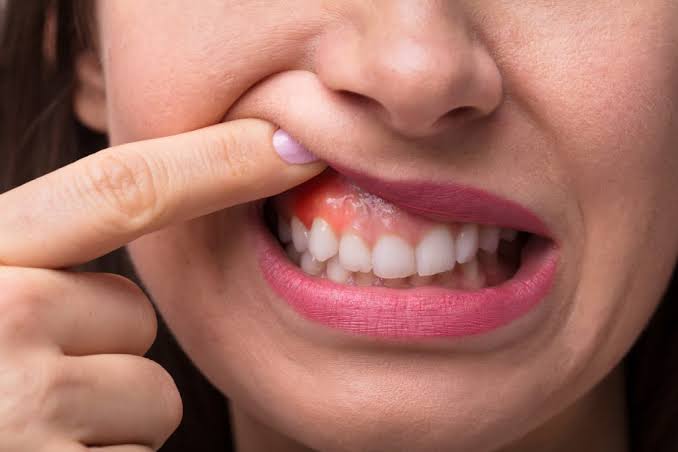
Not every case of localized gum pain needs a dental visit, but some situations require prompt attention.
If home care doesn’t improve the pain within a few days, it’s time for a professional evaluation.
A noticeable lump near the sore spot often indicates an abscess that needs draining.
These are strong signs of infection that will not resolve without treatment.
If discomfort begins spreading beyond the original spot, the underlying issue may be more serious.
This often points to pericoronitis or swelling around an erupting wisdom tooth.
Dentists use a combination of visual exams and imaging to determine what’s causing your pain.
The dentist checks for swelling, redness, visible sores, or signs of trapped debris.
Imaging reveals hidden issues like cavities, impacted wisdom teeth, or infection beneath the gumline that aren’t visible to the eye.
Your dentist may check how your teeth align and whether biting down triggers or worsens the pain.
Treatment depends entirely on what’s causing the localized pain.
If decay or a cracked tooth is the cause, a filling or root canal may be needed to remove the damaged tissue.
For gingivitis or periodontal disease, professional cleaning removes plaque and tartar from below the gumline.
A dentist can safely drain an abscess and may prescribe antibiotics to clear the infection.
If pericoronitis or impaction keeps recurring, removing the wisdom tooth is often the most effective long-term fix.
For significant gum recession, a graft can cover exposed roots and reduce sensitivity.
Ill-fitting night guards, dentures, or orthodontic devices can be adjusted or replaced to stop irritation.
| Cause | Typical Treatment |
|---|---|
| Trapped food | Flossing, salt water rinse |
| Wisdom tooth eruption | Monitoring or extraction |
| Pericoronitis | Cleaning, possible extraction |
| Gum abscess | Drainage, antibiotics |
| Gingivitis | Scaling and root planing |
| Gum recession | Gum graft surgery |
| Ill-fitting appliance | Adjustment or replacement |
| Cracked tooth or decay | Filling or root canal |
Good daily habits go a long way toward preventing localized gum pain from developing in the first place.
Pay special attention to back teeth, where plaque and food debris build up most easily.
Brush gently in circular motions to clean effectively without damaging gum tissue.
This helps reduce bacteria that contribute to inflammation and localized pain.
A balanced diet lowers your risk of both tooth decay and gum irritation over time.
Routine visits allow your dentist to catch and treat small problems before they become painful.
| Habit | Frequency |
|---|---|
| Brush teeth, focusing on back molars | Twice daily |
| Floss gently around back teeth | Once daily |
| Use antimicrobial mouthwash | Daily |
| Replace toothbrush | Every 3 months |
| Visit the dentist for checkups | Every 6 months |
Stress doesn’t directly cause gum pain, but it can weaken your immune response and worsen inflammation.
It may also lead to habits like teeth grinding, which puts extra pressure on back teeth and gums.
Poor sleep and irregular oral hygiene during stressful periods can also contribute to localized soreness.
More adults are keeping their natural teeth longer, which means wisdom teeth and back molar issues are increasingly common later in life.
Awareness of localized gum pain causes helps people catch infections and dental issues earlier, avoiding costlier treatment down the road.
Understanding when a symptom is minor versus when it needs urgent care remains one of the most searched dental health topics in 2026.
The way your gum pain feels can offer clues about the underlying cause.
Sharp pain that appears quickly often points to trapped food, a minor scrape, or a canker sore forming.
A dull but constant ache is more commonly associated with an emerging wisdom tooth or early gum disease.
Throbbing pain that worsens over time usually signals a deeper infection, such as a dental abscess.
If pain appears only under pressure, it may relate to a cracked tooth, gum recession, or an ill-fitting appliance.
| Pain Type | Most Likely Cause |
|---|---|
| Sharp and sudden | Trapped food, minor scrape |
| Dull and constant | Wisdom tooth, early gum disease |
| Throbbing and worsening | Abscess or infection |
| Pain when touched or chewing | Cracked tooth, recession, appliance issue |
Certain age groups are more likely to experience specific causes of localized back gum pain.
This group frequently experiences wisdom teeth eruption and pericoronitis as the leading causes of back gum pain.
Gum recession, gingivitis, and ill-fitting dental appliances become more common causes during this stage of life.
Periodontal disease, exposed roots, and issues related to dentures or bridges are more frequent in older age groups.
What you eat can directly affect how often localized gum pain develops.
Popcorn, chips, and nuts are common culprits for scratching or trapping debris near back teeth.
These foods feed harmful bacteria and can accelerate gum inflammation and tooth decay over time.
A diet rich in leafy greens, lean protein, and vitamin C supports healthy, resilient gum tissue.
| Food Type | Effect on Gums |
|---|---|
| Leafy greens | Supports healing and gum strength |
| Crunchy snacks (chips, nuts) | Can scratch or trap debris |
| Sugary drinks and candy | Feeds bacteria, raises inflammation |
| Vitamin C-rich fruits | Promotes gum tissue repair |
| Sticky candies | Increases plaque buildup |
Several common beliefs about gum pain can lead people to delay proper care.
Not true. Many cases are caused by trapped food or minor irritation rather than periodontal disease.
Gentle brushing should continue, since stopping entirely allows plaque to build up further.
Gum disease and infections can begin painlessly and without visible bleeding in the early stages.
Teens and young adults frequently experience localized gum pain from erupting wisdom teeth.
Gum health is linked to more than just your mouth.
Chronic gum inflammation has been associated with broader health concerns, including cardiovascular issues, according to public health research.
This makes addressing localized gum pain early not just a comfort issue, but part of protecting your overall health.
It’s often caused by trapped food, a wisdom tooth, an infection, or physical irritation from brushing or chewing.
It can be. Swelling, pus, or a bad taste alongside the pain usually points to an infection needing treatment.
Minor irritation improves within two to three days, while infections or abscesses need professional treatment to resolve.
Yes. An erupting or partially impacted wisdom tooth commonly causes sharp, localized pain at the back of the mouth.
Yes. Gum disease and infections can begin without bleeding, so persistent pain still needs evaluation.
Warm salt water rinses, gentle flossing, and a soft toothbrush often ease mild, short-term discomfort.
Indirectly, yes. Stress can weaken immunity and lead to teeth grinding, both of which irritate gum tissue.
Yes. Back teeth are harder to clean and closer to wisdom teeth, making localized pain more common there.
Yes. A hidden crack or cavity can create pain that feels like it’s coming from the gum itself.
Severe swelling, fever, spreading pain, or pus are signs you should seek urgent dental care immediately.
Localized gum pain at the back of your mouth almost always has a specific, identifiable cause. It might be something as simple as trapped food or as significant as an emerging wisdom tooth or infection.
Paying attention to how long the pain lasts, whether it comes with swelling, and how it responds to gentle home care can help you understand what’s really happening.
Mild irritation usually clears up within a few days with proper cleaning and a little patience. Persistent, worsening, or infection-like symptoms are your cue to book a dental visit rather than wait it out.
Catching the cause early keeps small issues from becoming bigger dental problems, protecting both your comfort and your long-term oral health in 2026 and beyond.